Explore our high-precision infrared thermography cores, handheld diagnostic imagers, and mobile sensor modules engineered for global OEMs.
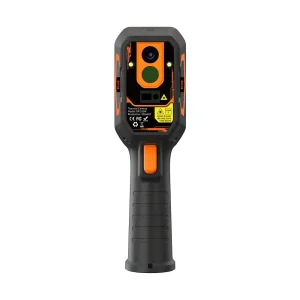
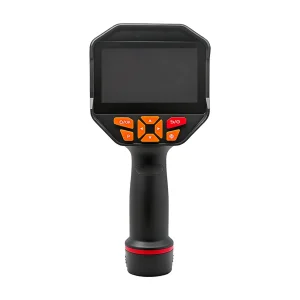
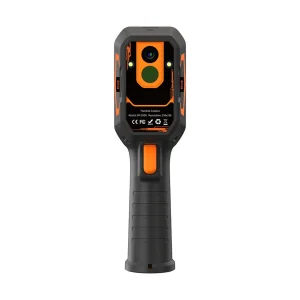
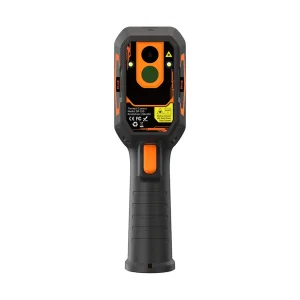
A comprehensive engineering evaluation on microbolometer evolution, radiometric accuracy metrics, and strategic OEM/ODM selection frameworks for industrial applications.
Transitioning from vanadium oxide (VOx) and amorphous silicon (a-Si) 17μm pixel pitch cores down to 12μm and 8μm architectures has revolutionized device form factors. Smaller pixel pitch enables higher spatial resolution (IFOV) within compact mechanical footprints, driving down optical lens assembly costs without sacrificing thermal detail.
Industrial quantitative measurement requires absolute calibration across wide temperature spans (-20°C to 550°C and up to 1200°C for ultra-high temperature models). Factory-grade thermal compensation algorithms eliminate non-uniformity drift caused by ambient temperature swings.
Combining visible light imaging (RGB) with thermal IR signatures via dual-spectrum fusion (MSX equivalent) enables instant identification of structural defects, electrical hot spots, and mechanical wear. On-chip AI edge engines detect anomalies in real time without cloud latency.
| Series Category | Sensor Resolution | Temperature Range | NETD Sensitivity | Primary Target Applications | OEM Customization Options |
|---|---|---|---|---|---|
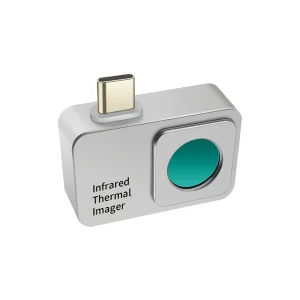
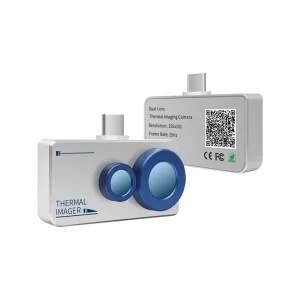
| Entry / Smartphone Attachments | 160×120 / 256×192 | -20°C to 150°C / 550°C | < 50 mK | HVAC diagnostic, home energy audits, mobile field tools | Custom housing, USB-C/Lightning, branded App SDK |
| Industrial Handheld Diagnostic | 256×192 / 384×288 | -20°C to 550°C | < 40 mK | Facility electrical inspection, mechanical predictive maintenance | Ergonomic molding, dual-camera RGB fusion, UI branding |
| High-End Research & Metallurgy | 640×512 Radiometric | -20°C to 1200°C | < 30 mK | Substation monitoring, PCB R&D thermal profiling, metallurgy | Custom Germanium optics, high-frame-rate output, SDK API |
| Fixed Online Monitoring Modules | 384×288 / 640×512 | -20°C to 650°C | < 35 mK | Automated process control, lithium battery storage safety, fire prevention | PoE Ethernet, Modbus/ONVIF protocol, IP67 enclosure |
Deploying advanced thermographic sensing across modern energy, automotive, manufacturing, and municipal safety infrastructure.
Electrical utility networks require continuous non-contact temperature monitoring to prevent catastrophic transformer failures, breaker degradation, and busbar overheating. Dianyang OEM cameras deliver accurate radiometric thermograms that identify micro-ohm contact resistance changes before hardware shutdown occurs.
In electric vehicle manufacturing, lithium-ion battery cell formation and module welding demand zero-defect quality control. Our high-resolution thermal cores (640x512, up to 1200°C) provide automated thermal footprint profiling during charging cycles and laser tab welding processes.
Thermographic auditing of commercial structures exposes hidden thermal bridges, moisture intrusion under membrane roofs, and insulation gaps within curtain walls. Portable mobile-connected thermal imagers allow field technicians to generate instant PDF diagnostic reports.
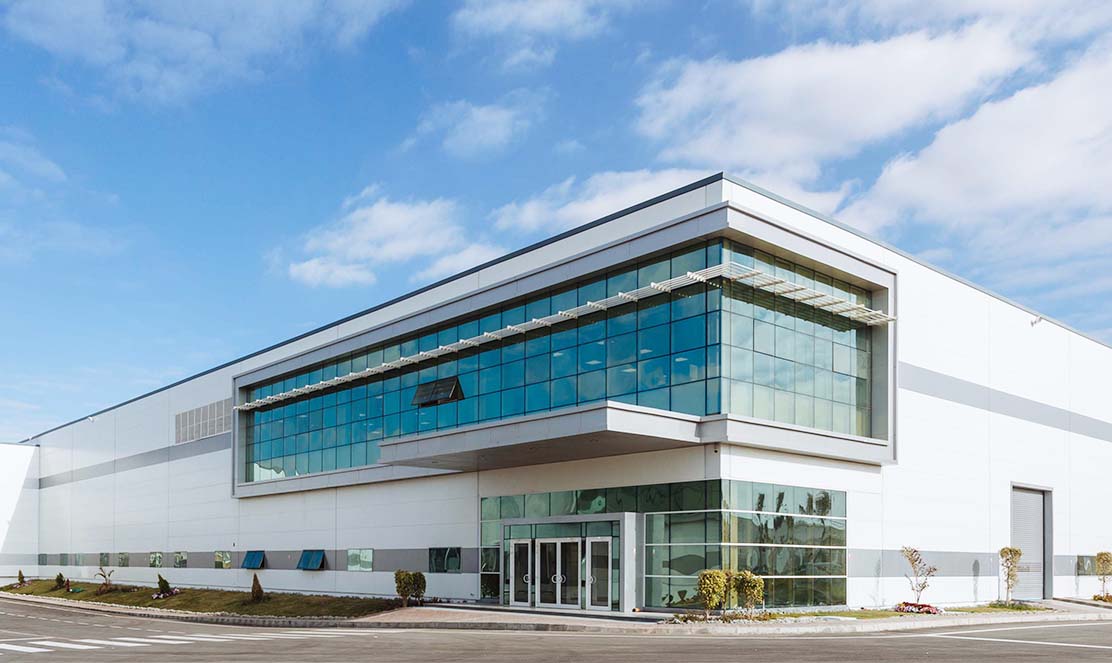
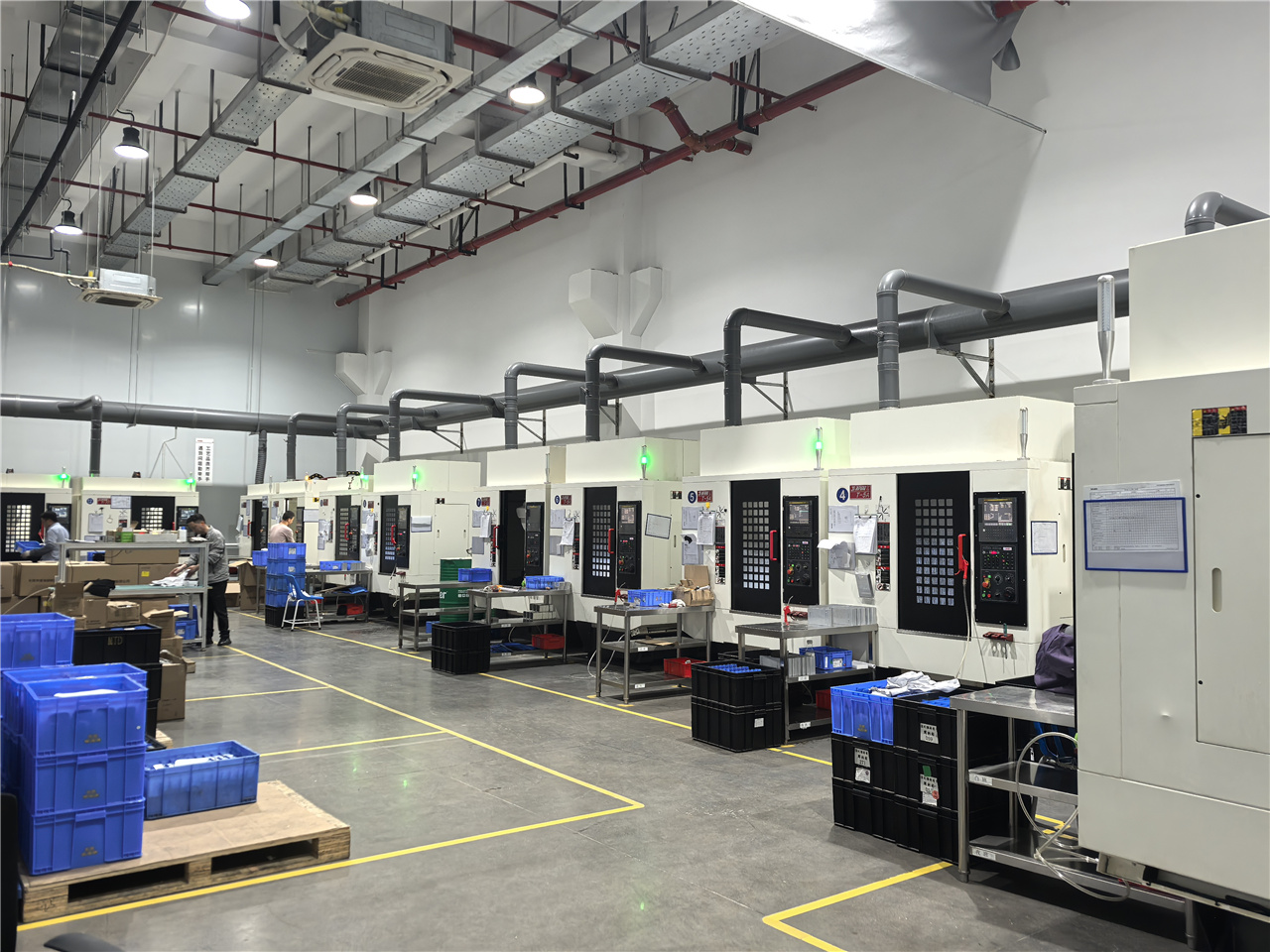
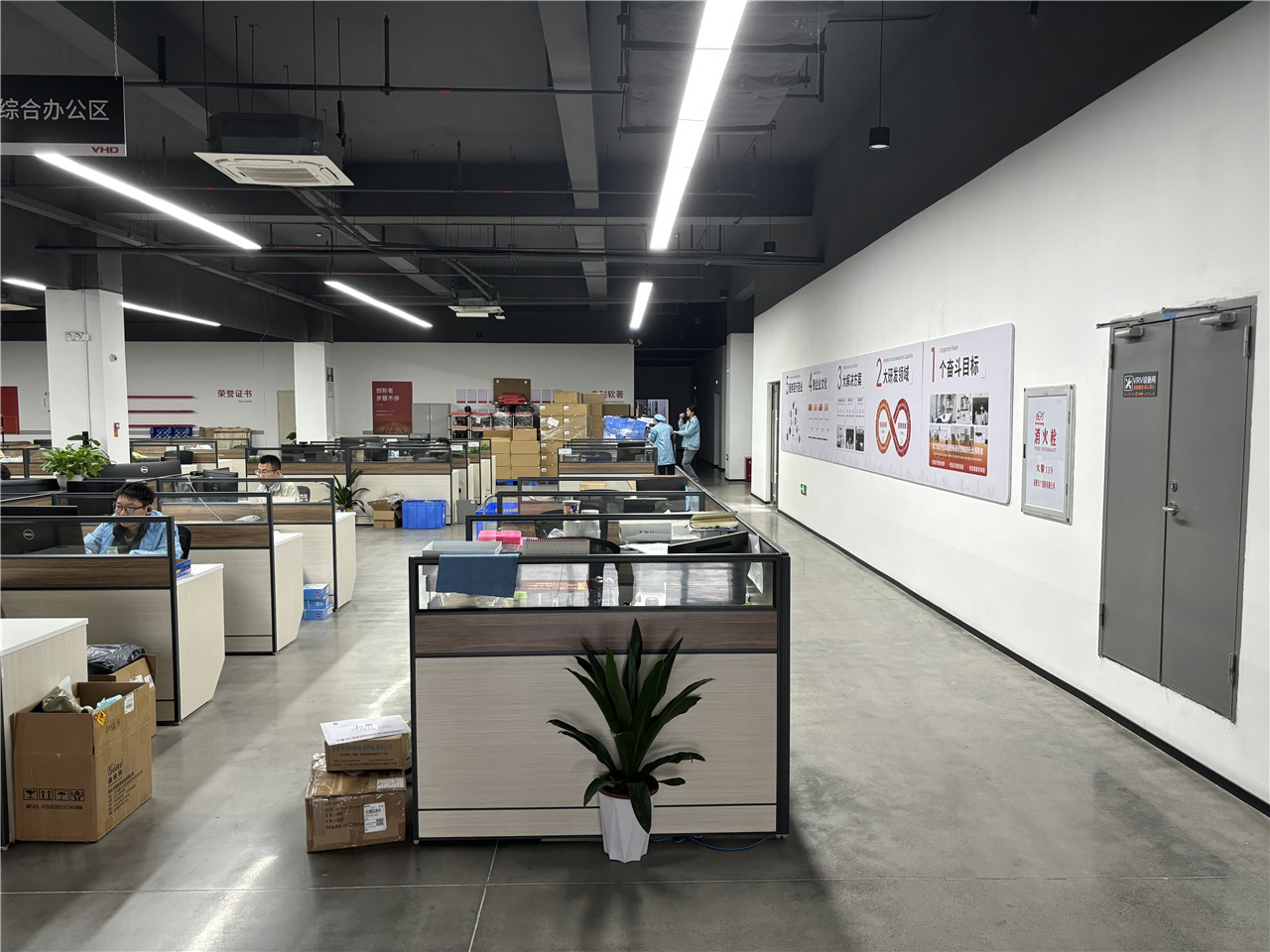
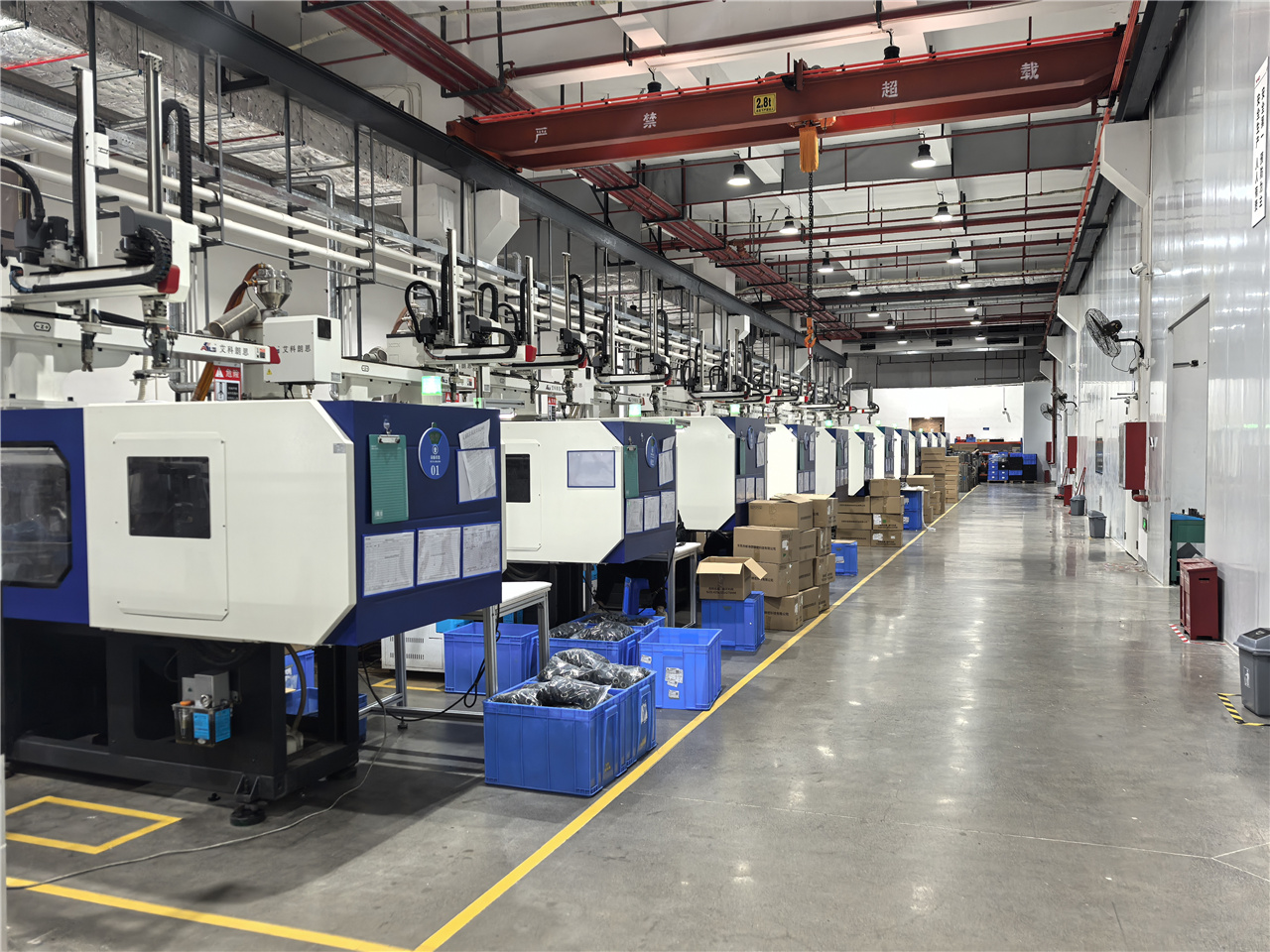
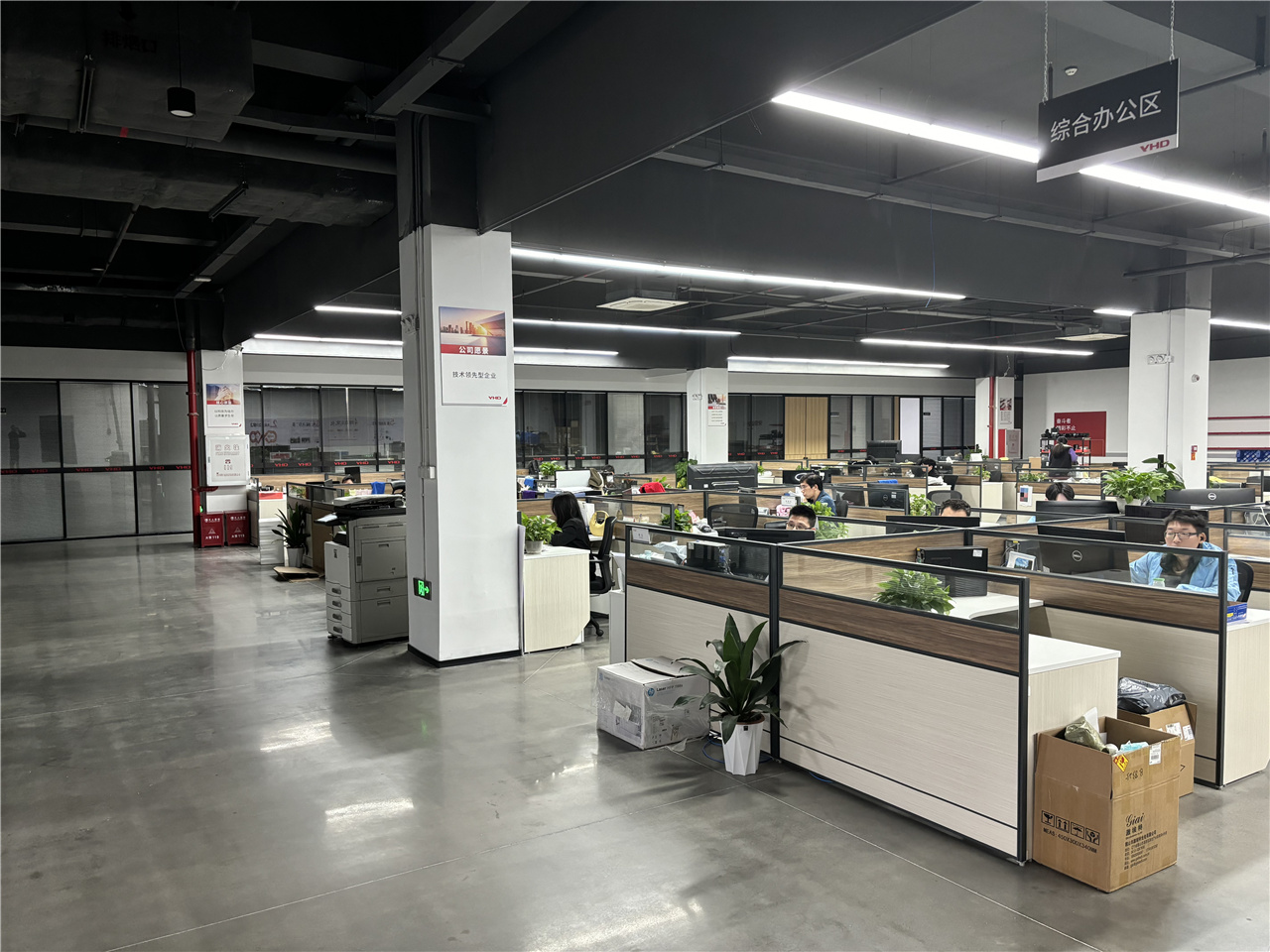
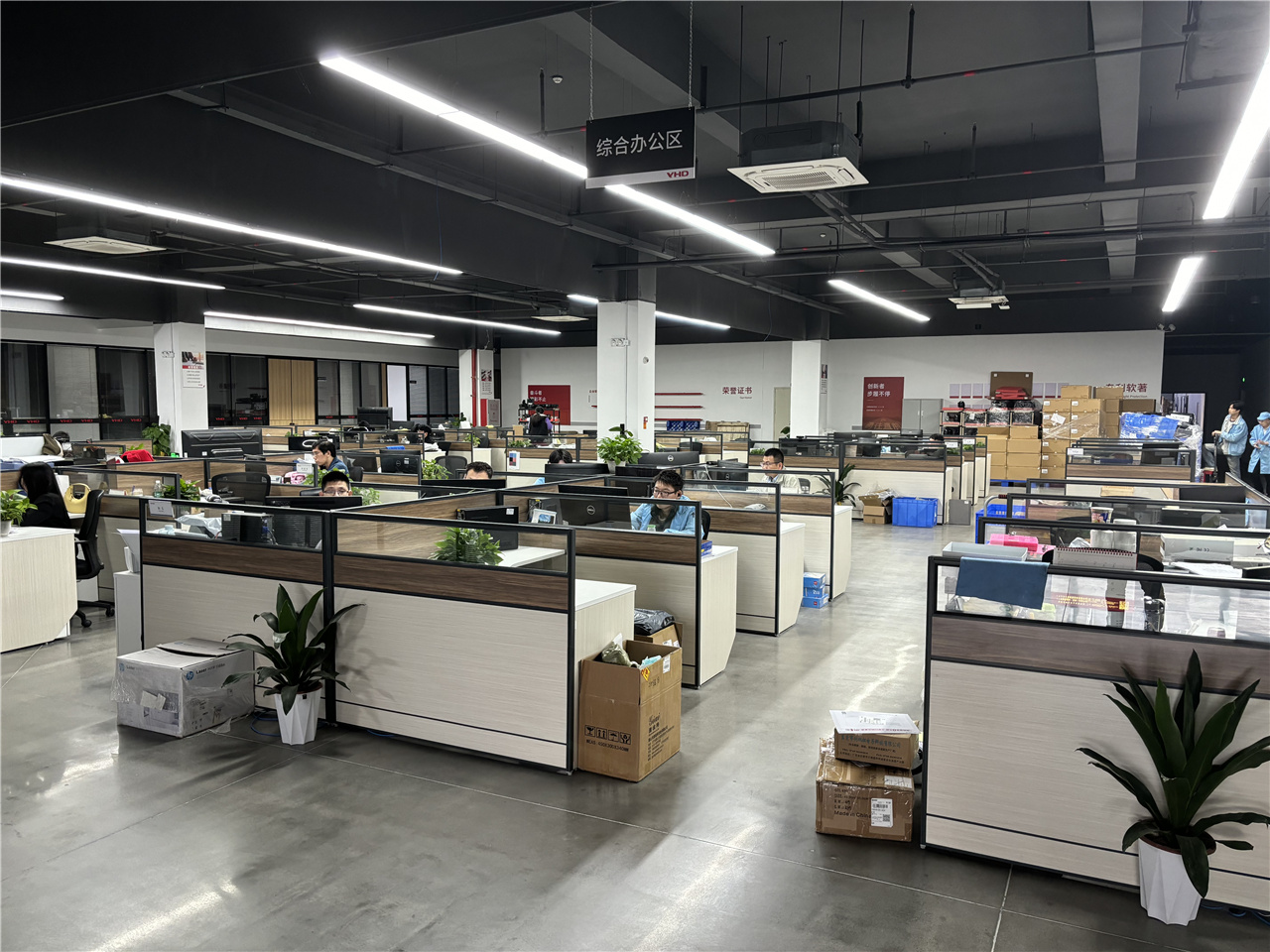
Backed by VHD's publicly listed infrastructure, our end-to-end customization workflow guarantees rapid prototyping, regulatory compliance, and dependable batch production.
Our engineering team conducts rigid Design for Manufacturing (DFM) and Design for Testability (DFT) reviews during the initial architecture phase. Advanced thermal simulation models ensure optimized heat dissipation away from sensitive microbolometer detectors, preventing internal heat build-up from skewing temperature readings.
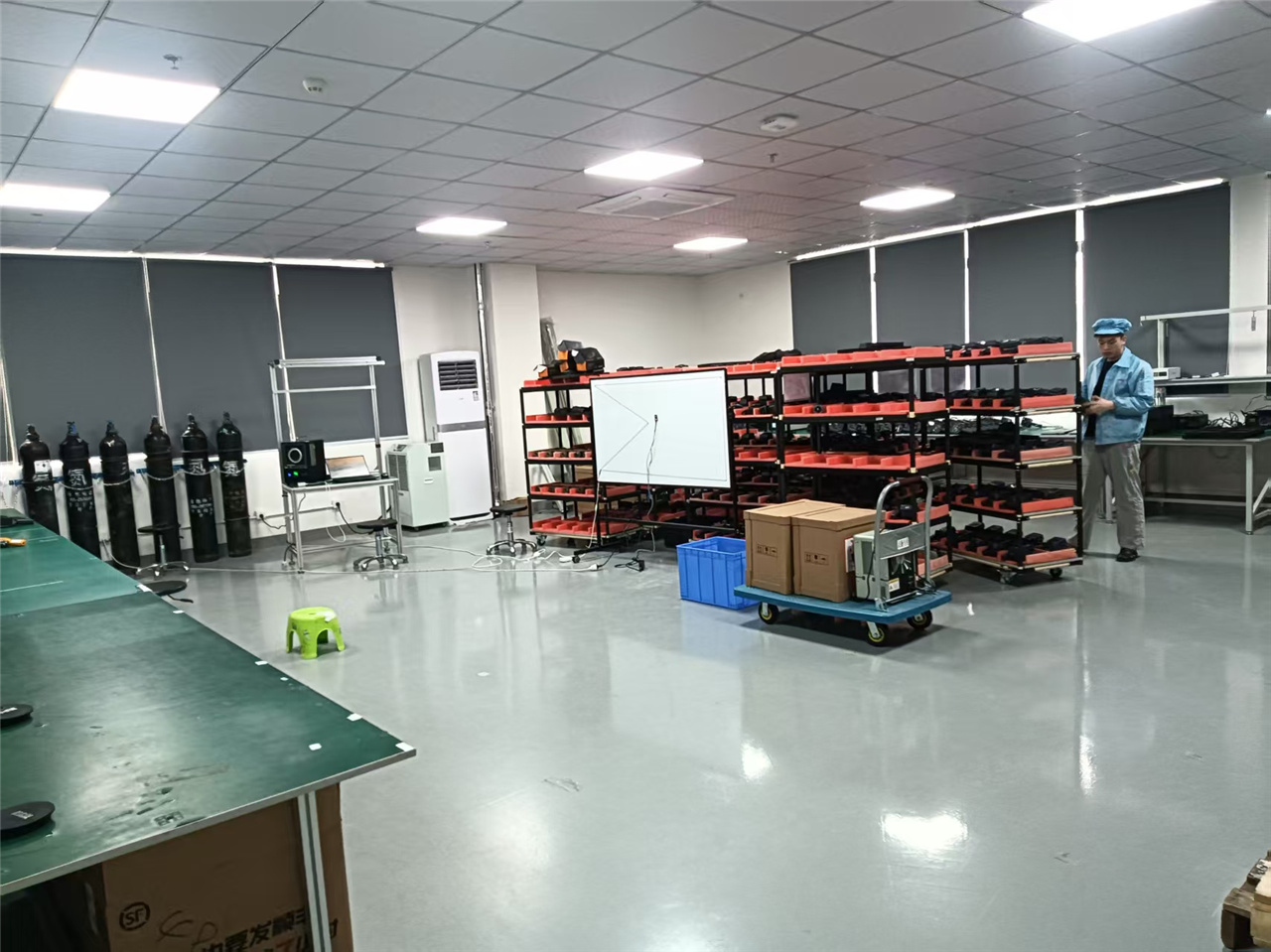
Navigating worldwide markets requires compliance with stringent safety and electromagnetic mandates. We provide complete testing documentation and factory support for acquiring target country certifications including CE, FCC, RoHS, REACH, CB, UKCA, KC, and PSE.
From custom optical Germanium lens selection and silicone rubber ergonomic molding to customized GUI firmware, color palettes (Ironbow, Rainbow, Black Hot, White Hot), and smartphone mobile app SDK integration, we deliver market-ready products tailored to your identity.
Select from our certified industrial handheld devices, high-temperature thermal imagers, and OEM compact attachments.
Direct engineering answers to key technical questions regarding IR thermal camera procurement, calibration, and OEM partnership.
NETD measures the minimum temperature distinction that the thermal sensor can resolve. Expressed in millikelvins (mK), a lower NETD value (e.g., <30mK vs <50mK) indicates superior thermal sensitivity. For industrial predictive maintenance and medical screening, lower NETD ensures subtle temperature gradients are clearly visualized even in low thermal contrast environments.
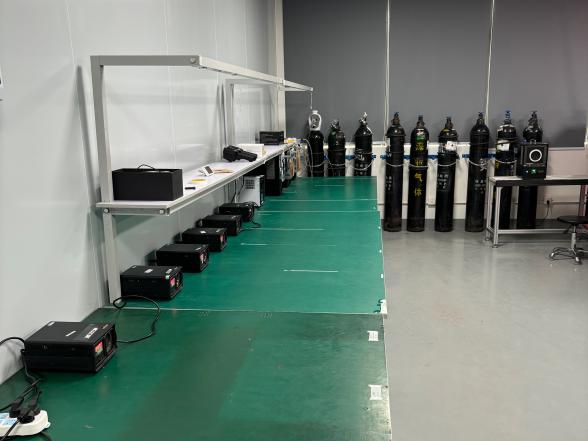
As a subsidiary of publicly listed VHD, Dianyang operates dedicated EMC labs and environmental test chambers. We assist OEM clients throughout the compliance pathway, providing pre-scanned EMC/ESD test reports and technical construction files (TCF) required to secure CE (Europe), FCC (USA), UKCA (UK), KC (Korea), PSE (Japan), and RoHS/REACH environmental compliance.
Yes. We supply comprehensive Software Development Kits (SDKs) for Android, iOS, Windows, and Linux. The SDK grants direct developer access to raw 16-bit radiometric temperature arrays, color palette mapping APIs, point/area temperature calculation functions, and thermal image fusion drivers.
For standard customized housing and logo rebranding, sample delivery is typical within 2 to 3 weeks. Full custom hardware engineering (new PCB layout, custom optics, specialized enclosures) spans 8 to 12 weeks from initial DFM validation to mass production rollout.
 Dianyang