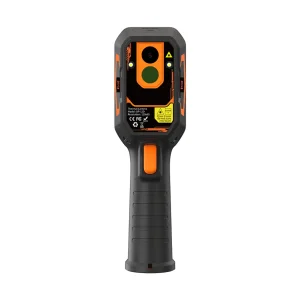
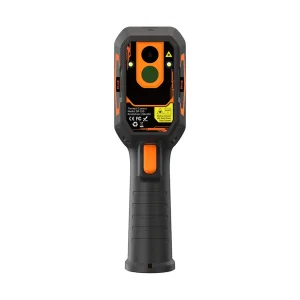
Explore our flagship OEM handheld thermal imagers and smartphone-integrated modules engineered for high thermal sensitivity and accurate moisture delineation.
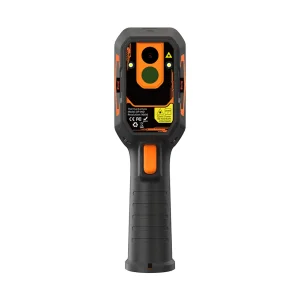
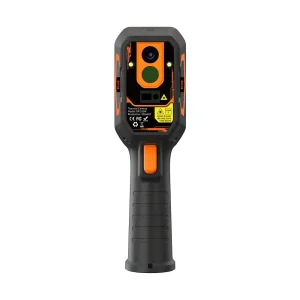
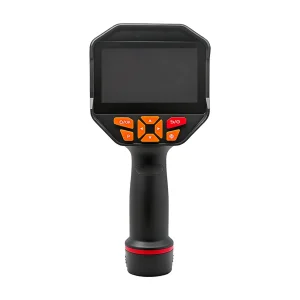
Understanding how thermal cameras visualize sub-surface moisture anomalies, evaporative cooling differentials, and structural thermal capacitance.
Water intrusion inside commercial structures, subterranean pipelines, and industrial roofing systems rarely displays immediate surface visual indicators. As an established OEM Infrared Water Detector Company, Shenzhen Dianyang Technology Co., Ltd. leverages state-of-the-art long-wave infrared (LWIR) sensor integration to convert invisible subtle thermal patterns into high-contrast visual radiometry.
As moisture escapes a pipe or structural membrane, it migrates toward surrounding dry building materials (drywall, insulation, concrete). As water evaporates from these porous surfaces, it absorbs latent heat energy, creating a distinct localized cold spot (typically 0.5°C to 3.0°C lower than dry adjacent materials). High-sensitivity thermal sensors (NETD < 40mK) capture these micro-kelvin gradients cleanly.
Water exhibits an exceptionally high specific heat capacity (4.184 J/g°C) compared to standard building materials like drywall (1.09 J/g°C) or mineral wool. During thermal transition cycles (day-to-night ambient shifts or solar loading), damp areas retain thermal energy significantly longer than surrounding dry regions, creating clear warm signatures at sunset and cool signatures during daylight warming.
Wet materials alter surface emissivity. Dianyang’s customized OEM firmware incorporates multi-spot emissivity algorithms and reflective temperature correction, preventing false positives caused by surface sheen or reflective building metallic foils.
Unmatched scale, quality control, and rapid prototype-to-mass-production iteration backed by public stock exchange capitalization.
Shenzhen Dianyang Technology Co., Ltd. operates as a strategic subsidiary of VHD (Shenzhen VHD Technology Co., Ltd.), a publicly listed company on the Shenzhen Stock Exchange. This corporate backing endows Dianyang with unmatched institutional stability, multi-million-dollar R&D capital reserves, and direct integration into world-class electronics manufacturing ecosystem.
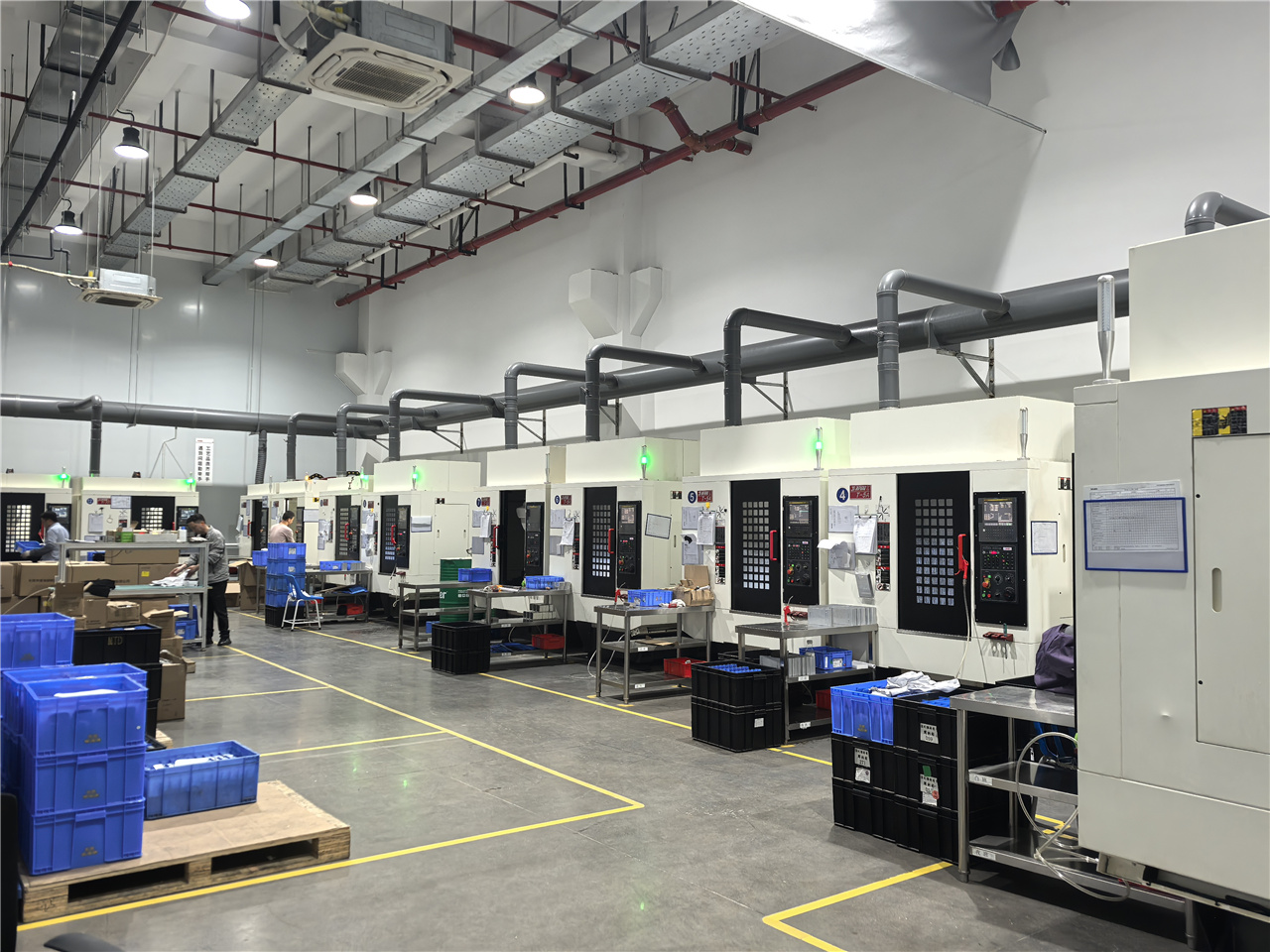
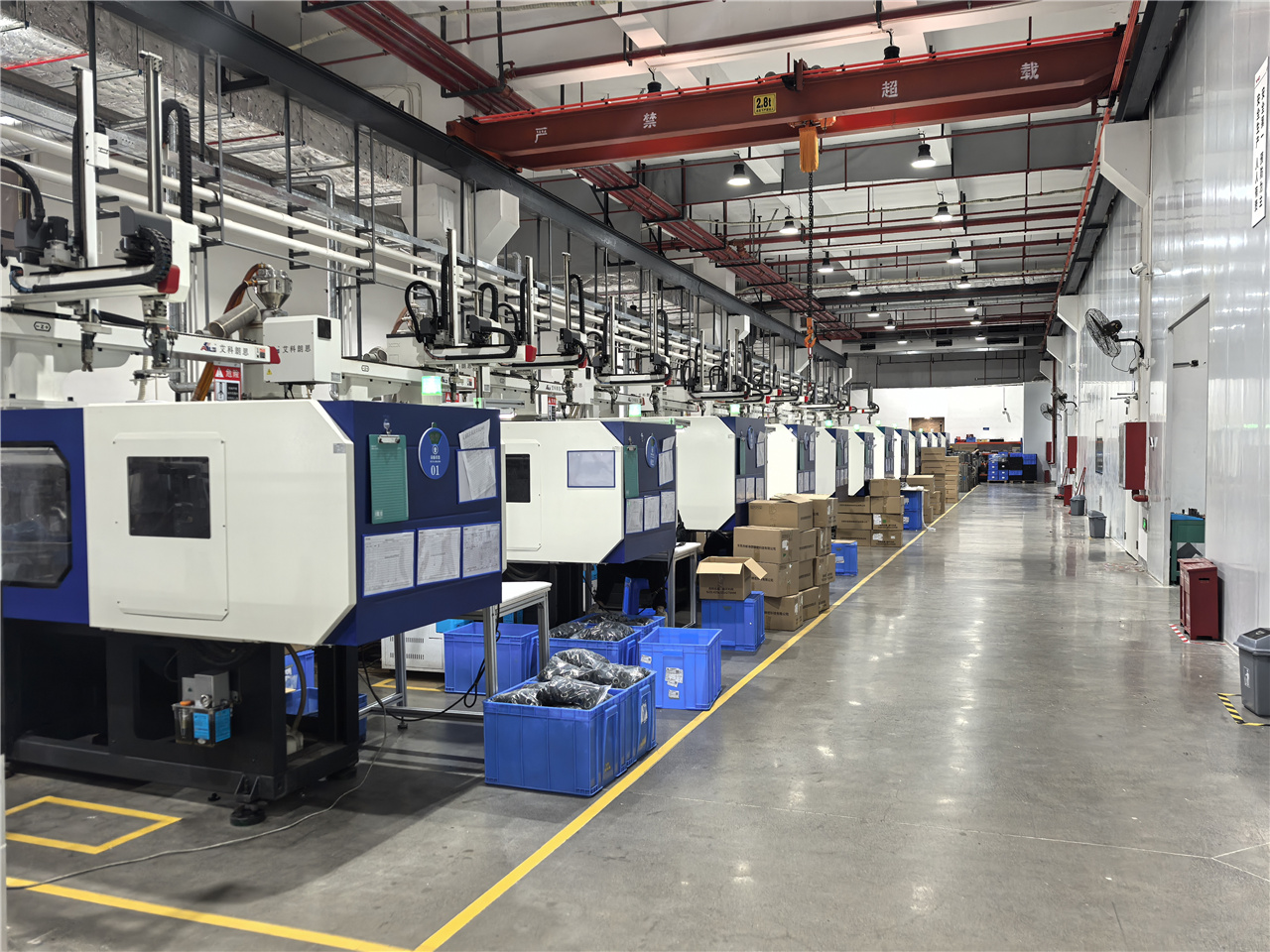
Our engineering leads conduct thorough DFM audits prior to tooling, optimizing PCB trace geometry, lens housing tolerances, and thermal dissipation paths to ensure high yield rates exceeding 99.2% during mass production runs.
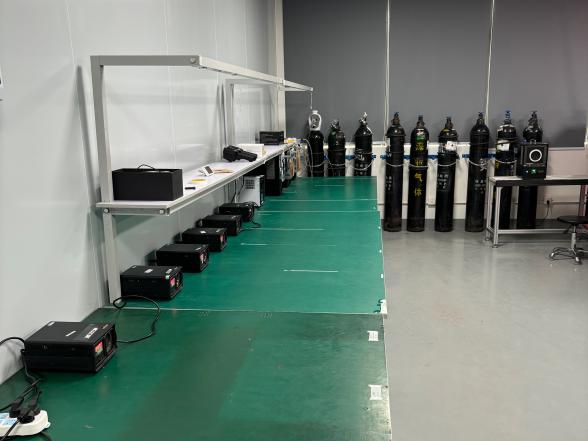
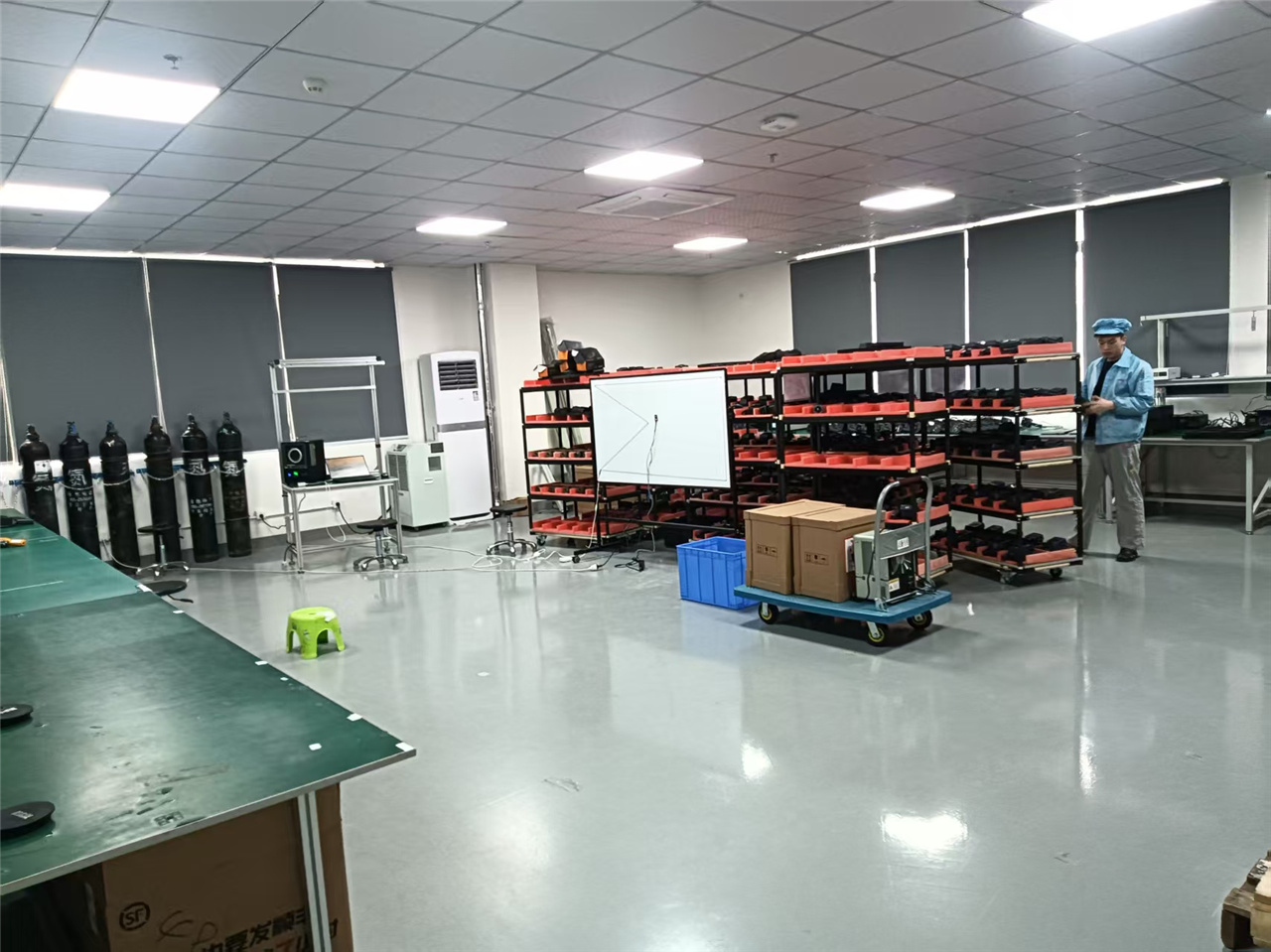
Automated optical inspection (AOI), high-precision blackbody calibration rigs, and robotic multi-point thermal chamber testing are integrated directly into our assembly lines to verify temperature curve precision across the entire operational spectrum.
In-house electromagnetic compatibility (EMC) pre-compliance testing guarantees that OEM products easily pass global emissions and immunity standards without requiring expensive redesign cycles late in the development schedule.
How global enterprise clients utilize Dianyang OEM thermal water detection hardware across critical infrastructure and commercial services.
Flat and low-slope commercial roofs are vulnerable to membrane punctures that trap moisture in underlying insulation. Dianyang’s handheld thermal imagers (such as the DP-25D and DP-64D series) quickly map large square footage, allowing maintenance teams to execute surgical patch repairs rather than total roof replacements, saving millions in capital expenditure.
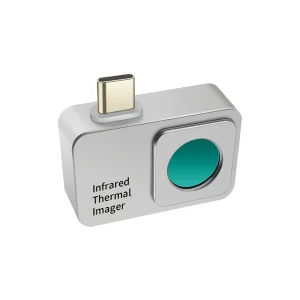
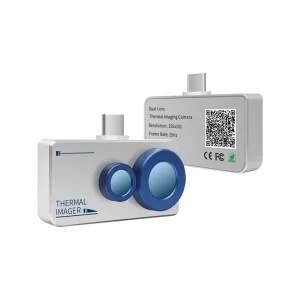
Engineers use our smartphone-connected thermal modules (H2F6B / H1FB series) to map subterranean floor heating loops, identify air conditioning duct condensation leaks, and verify pipe insulation integrity with point-and-shoot simplicity.
Water damage restoration companies rely on calibrated radiometric thermal cameras to track structural drying progress. Insurance adjusters utilize verifiable, radiometric image files generated by Dianyang hardware as immutable evidence for claim validation.
Heavy manufacturing plants utilize continuous and handheld thermal monitoring to spot high-pressure chilled water line leaks near sensitive high-voltage equipment, preventing catastrophic electrical shorts and unintended downtime.
Next-generation thermal sensor innovations, AI auto-diagnostics, and cloud edge computing.
We are integrating real-time neural network inference models directly into handheld thermal DSP cores. This enables automatic identification of thermal moisture patterns, automatically calculating affected square meters and generating real-time diagnostic reports on the device without requiring manual PC post-processing.
Future OEM core iterations combine high-definition visible light cameras with micro-bolometers, overlaying structural vector outlines directly onto thermal radiometric maps for crystal-clear visual context inside dark building cavities.
Transitioning to 12µm pixel pitch sensors with NETD sensitivity under 25mK allows for the detection of minimal thermal anomalies, such as micro-evaporation inside thick masonry walls and deep subterranean concrete conduits.
Global market access secured through rigorous international certification frameworks and tailored regional software UI localization.
Navigating global regulatory landscapes requires comprehensive compliance validation. Dianyang supports OEM/ODM enterprise clients by maintaining complete regulatory documentation and delivering market-ready products certified for immediate distribution across North America, Europe, Asia-Pacific, and the Middle East.
Custom mobile software (Android/iOS) and device firmware can be localized into over 20 global languages, with customized temperature scale formats (°C, °F, K), distance measurements, and custom localized reporting templates.
We provide enterprise partners with comprehensive Linux, Windows, Android, and iOS SDKs, enabling seamless integration of our thermal cores into proprietary enterprise software ecosystems and field management platforms.
A streamlined, 6-step engineering protocol designed for seamless joint development from concept to mass production.
Definition of thermal resolution, target NETD, thermal lens field of view (FOV), battery ergonomics, housing ingress protection (IP ratings), and targeted price points.
Rapid thermal modeling and optical system design using specialized simulation software to ensure precise detector window transmission and chassis thermal equilibrium.
Delivery of functional prototype samples (3D printed / CNC housings) alongside custom SDK packages for initial client software validation and physical testing.
Finalization of high-precision injection molds, SMT stencil design, and creation of dedicated automated optical calibration fixtures for high-volume manufacturing.
Conducting drop tests, ingress protection (IP65/67) validation, ESD testing, and EMC chamber verification inside our certified testing facility.
Scalable high-throughput production backed by VHD capital infrastructure, maintaining serialized traceability and global drop-shipping logistics support.
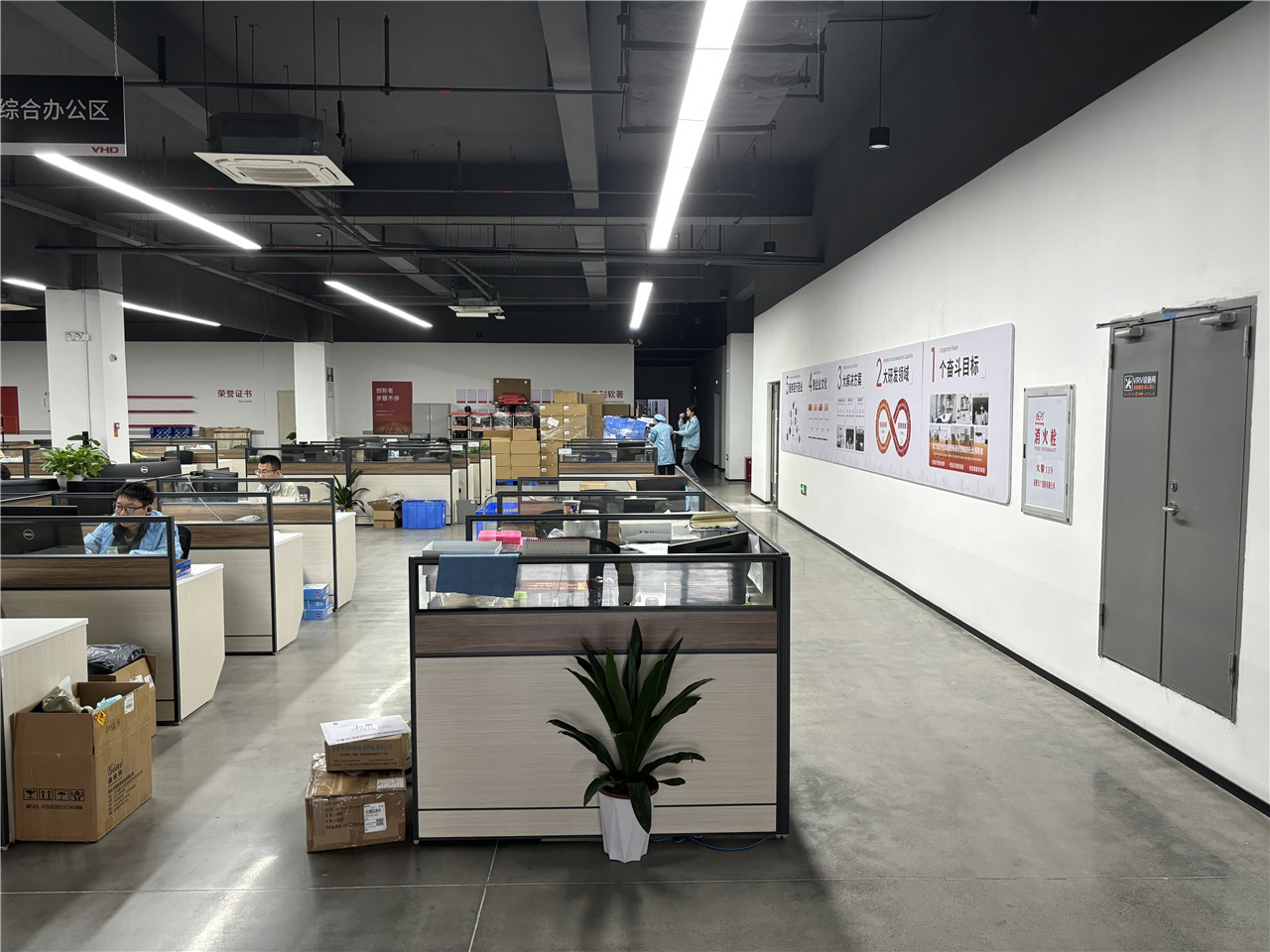
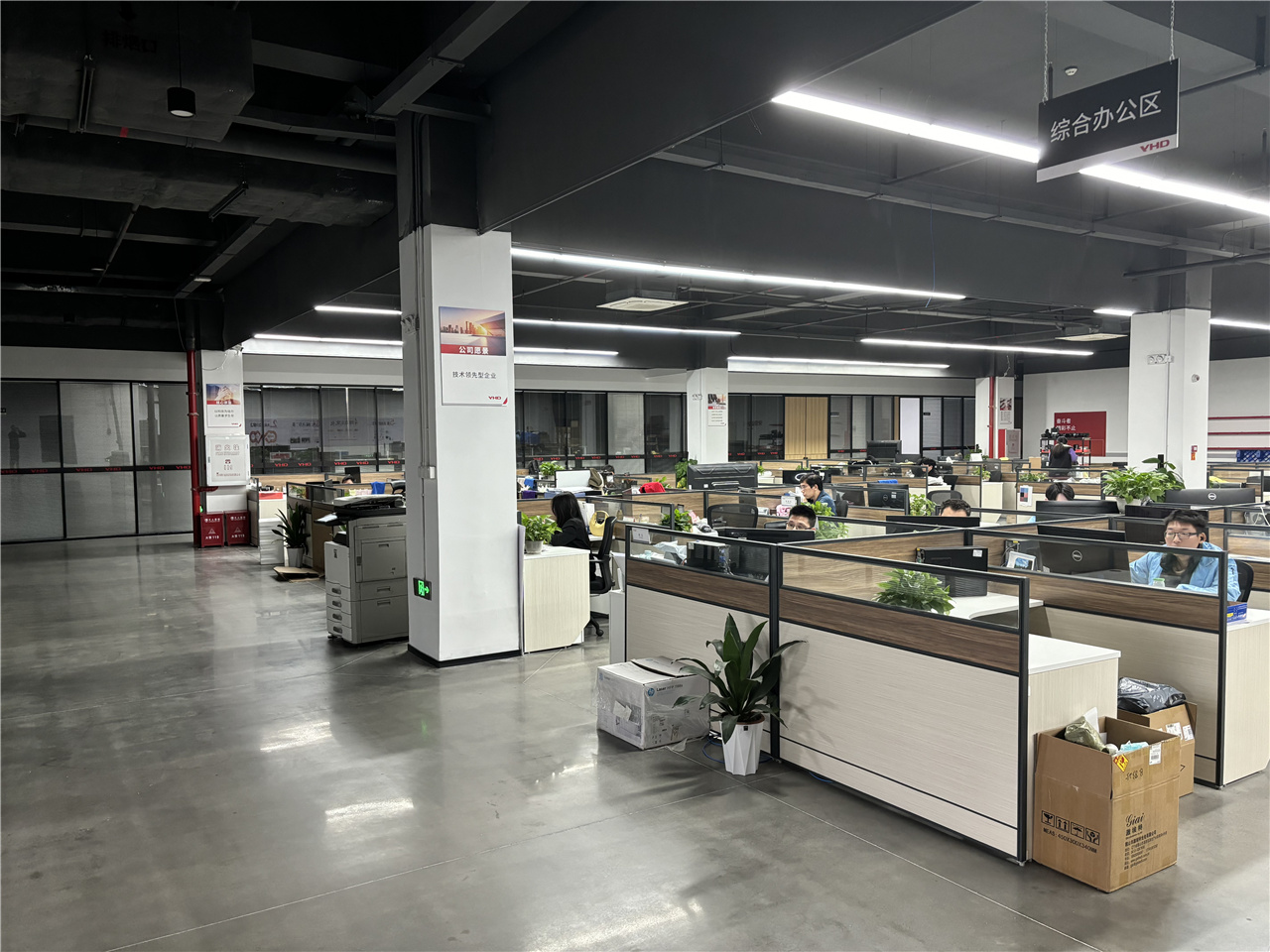
Engineered for excellence, backed by listed company technology platforms and global quality control standards.
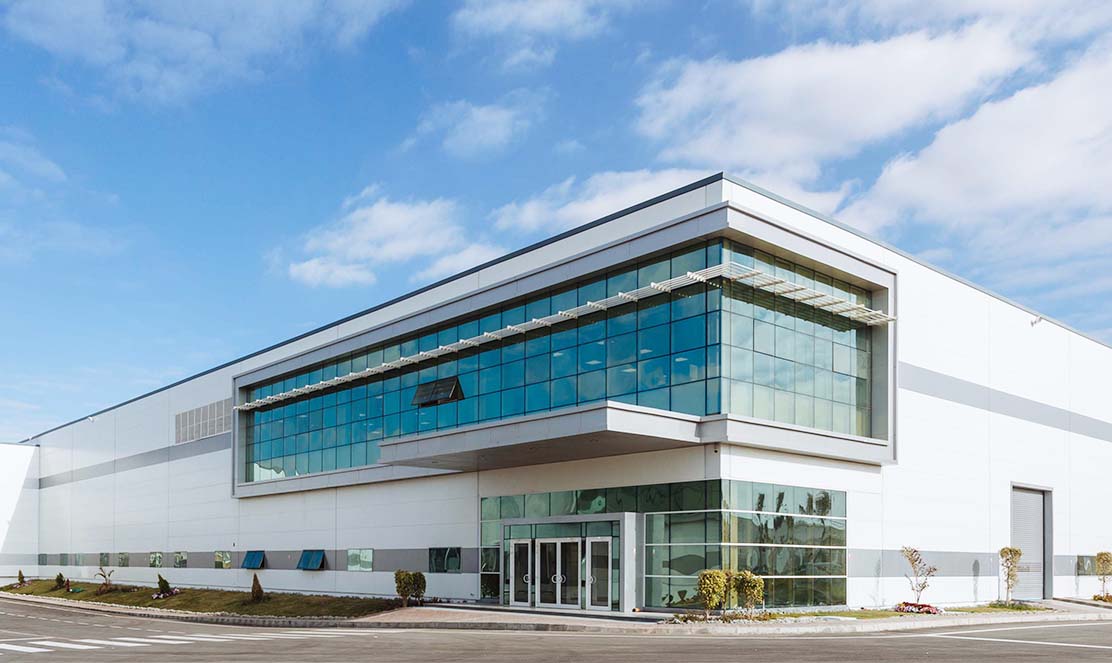
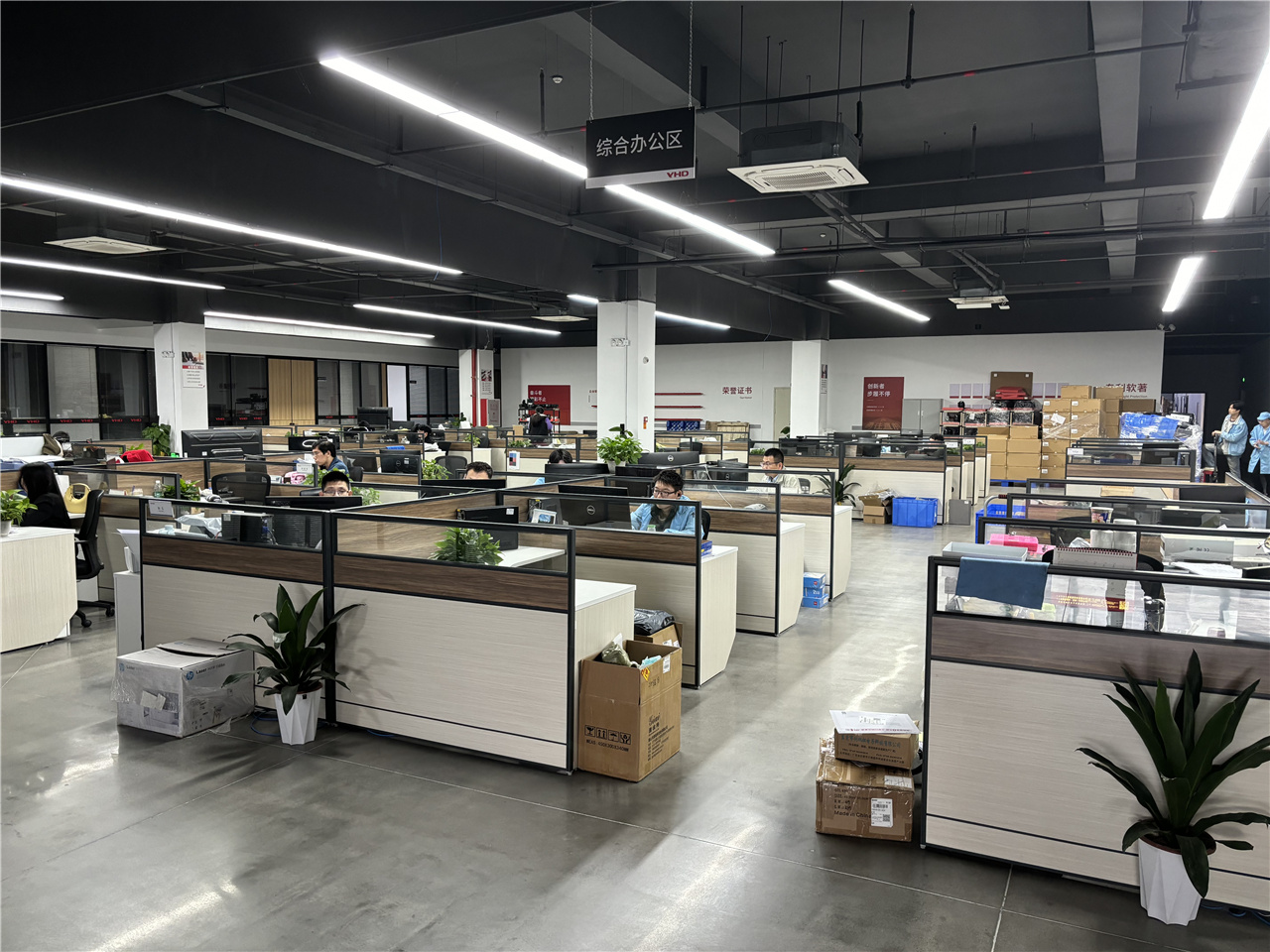
Shenzhen Dianyang Technology Co., Ltd. is a subsidiary of VHD (Shenzhen VHD Technology Co., Ltd.), a publicly listed company on the Shenzhen Stock Exchange. This strategic affiliation gives Dianyang unique access to VHD’s advanced R&D platforms, high-precision manufacturing systems, and rigorous quality management practices—enabling us to deliver thermal imaging products of higher reliability and consistency than typical ODMs.
We specialize in ODM/OEM services for infrared thermal imaging solutions, including handheld thermal imagers, smartphone-connected thermal cameras, thermal analyzers, and thermal imaging telescopes. Our products serve global customers in power inspection, building diagnostics, firefighting, industrial maintenance, and outdoor applications.
In-depth technical and commercial answers for enterprise procurement managers and OEM solution integrators.
Explore our additional wholesale and custom thermal camera lines available directly from our Shenzhen manufacturing facility.
 Dianyang