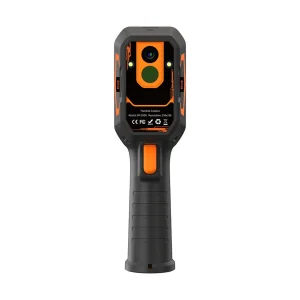
In modern residential and commercial property management, non-destructive testing (NDT) has evolved from a luxury add-on to an absolute regulatory and commercial baseline. At the heart of this transformation lies long-wave infrared (LWIR) thermography. Historically restricted to high-budget military, aerospace, or heavy industrial facility maintenance, thermal imaging has democratized rapidly over the past decade. Today, certified home inspectors, energy auditors, building contractors, and insurance claims adjusters rely on high-sensitivity thermal imagers to render unseen structural defects, latent moisture intrusion, thermal bridging, and electrical fault hotspots perfectly visible.
The global demand for specialized ODM Thermal Imaging Home Inspection Factories & Companies has skyrocketed as regional brands, tool distributors, and technology OEMs seek customized, cost-effective, and highly calibrated thermal camera hardware. Modern home inspection requires much more than a simple visual heat map; it demands high radiometric accuracy, low thermal sensitivity threshold (NETD < 40mK), software-driven emissivity adjustment, and seamless integration with smart mobile operating systems (iOS and Android) or embedded handheld firmware platforms.
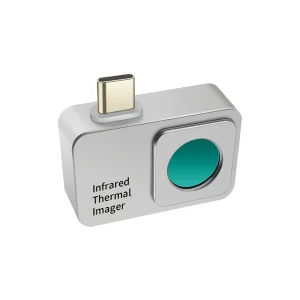
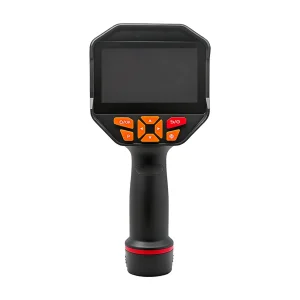
Information Gain Insight: Modern thermal imaging home inspection equipment must reconcile two competing market demands: ultra-compact portablity (such as smartphone plug-in modules like the H1FB and H2FB) and industrial-grade high resolution for large building envelope audits (such as the DP-64D 640x512 handheld unit). Partnering with a specialized ODM provider allows global brands to bypass multi-million dollar R&D cycles while securing proprietary optical designs, custom software UI, and certified factory direct pricing.
Home inspectors require quantitative data to defend their reports during litigation or property transfers. ODM factories must provide multi-point temperature calibration across broad operating ranges (-20°C to +550°C) with strict accuracy guarantees (±2°C or ±2%).
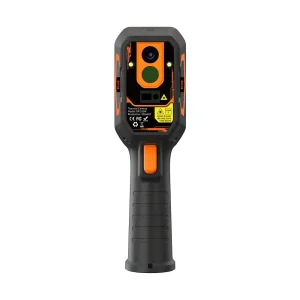
Pure thermal imagery often lacks spatial context. Tier-1 ODM solutions incorporate visible light cameras alongside LWIR sensors, utilizing real-time image alignment algorithms to overlay crisp edge details onto thermal gradients.
Leading enterprise clients demand proprietary software ecosystems. An experienced ODM factory delivers fully open SDKs and APIs for Android, iOS, Windows, and web-based cloud analysis portals.
| Imager Series / Model Focus | Detector Type | Resolution Options | Primary Home Inspection Application | Key Advantage |
|---|---|---|---|---|
| Mobile Plug-In (H1FB / H2FB Series) | Uncooled VOx Microbolometer | 160×120 / 256×192 | Rapid residential inspection, smartphone-based DIY & pro audits | Ultra-portable, zero battery overhead, cost-efficient |
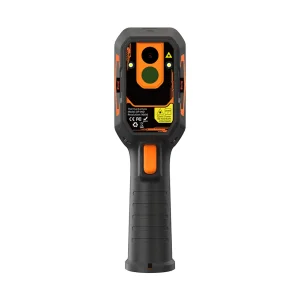
| Compact Dual-Light (DP-25DV / DP-25DR) | VOx LWIR + Visible Light | 256×192 Radiometric | HVAC balancing, electrical panel diagnostics, moisture tracing | Laser distance measurement, dual-light spatial alignment |
| Professional Handheld (DP-38D / DP-64D) | High-Fidelity VOx Matrix | 384×288 / 640×512 | Large commercial building envelope, solar panel arrays, insulation loss | Wide FOV, high thermal sensitivity (<40mK), rugged IP-rated build |
| Entry-Level Point Measurement (DP-09D) | Micro-IR Sensor | 96×96 Matrix | Basic electrical component monitoring, spot temperature checking | Affordable mass procurement, simple push-button operation |
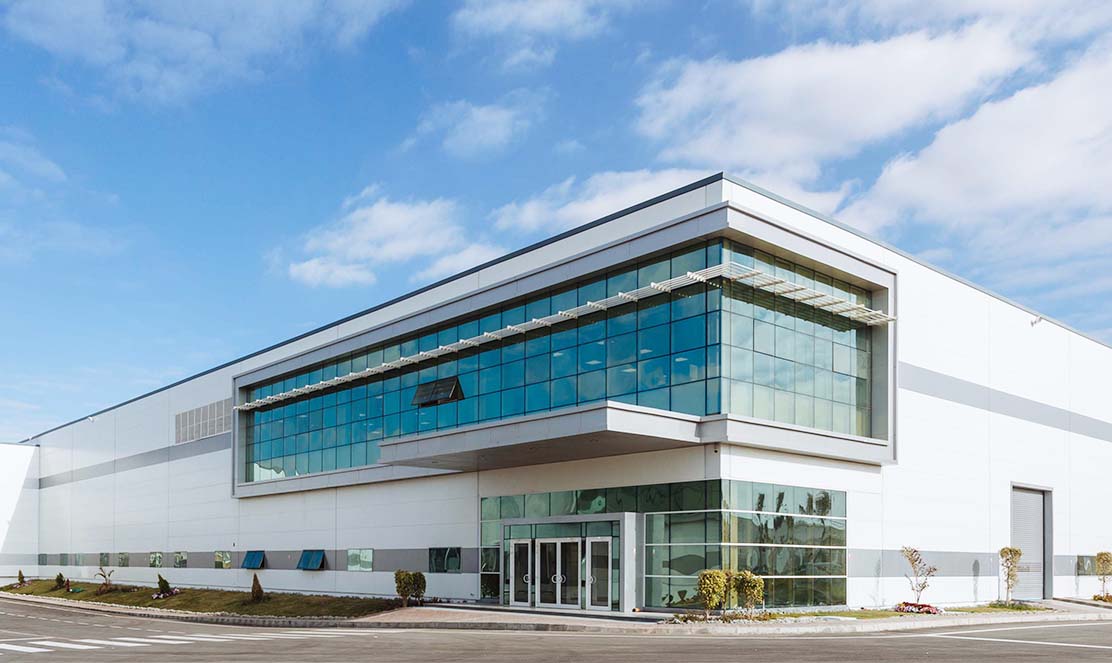
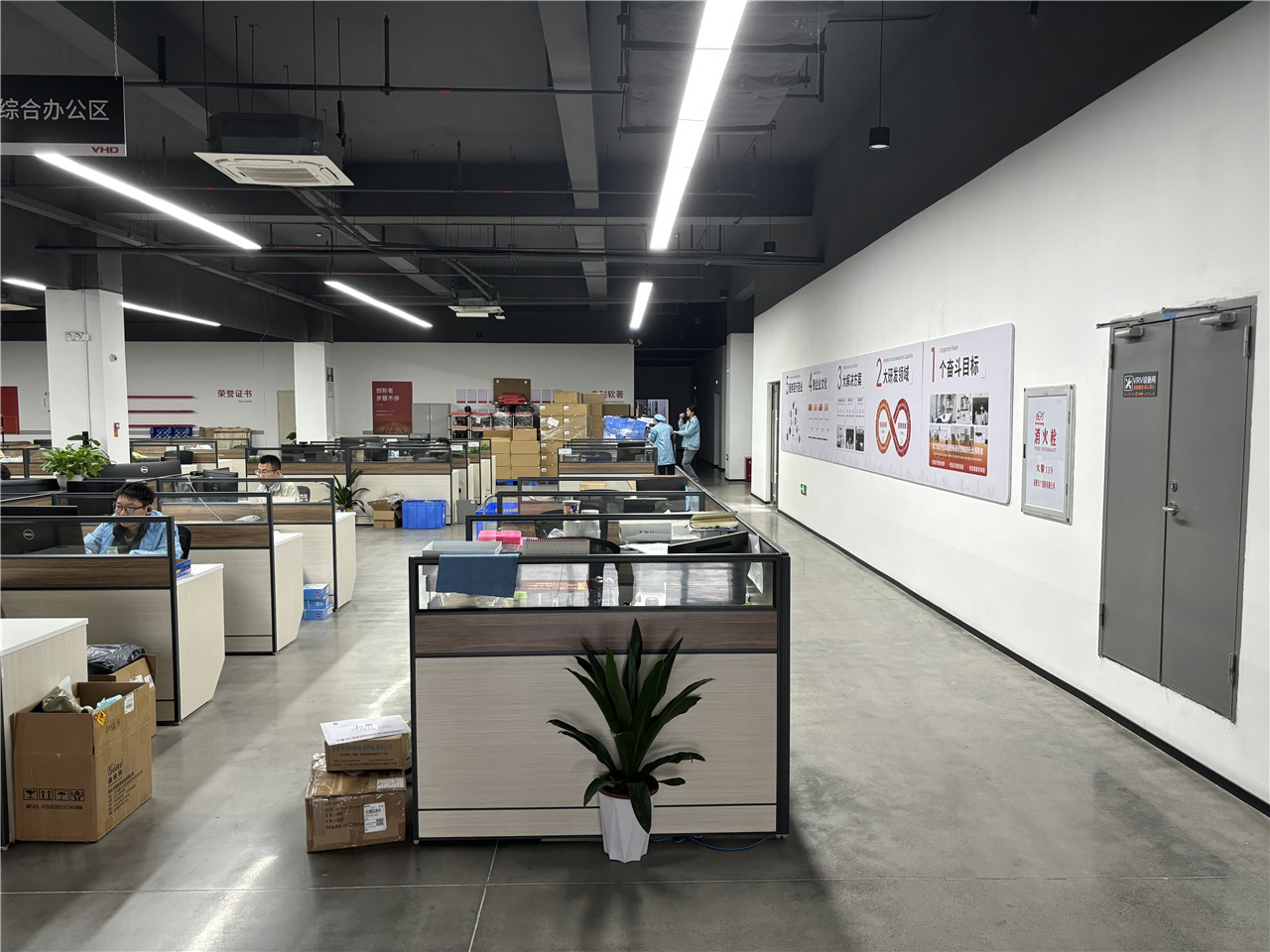
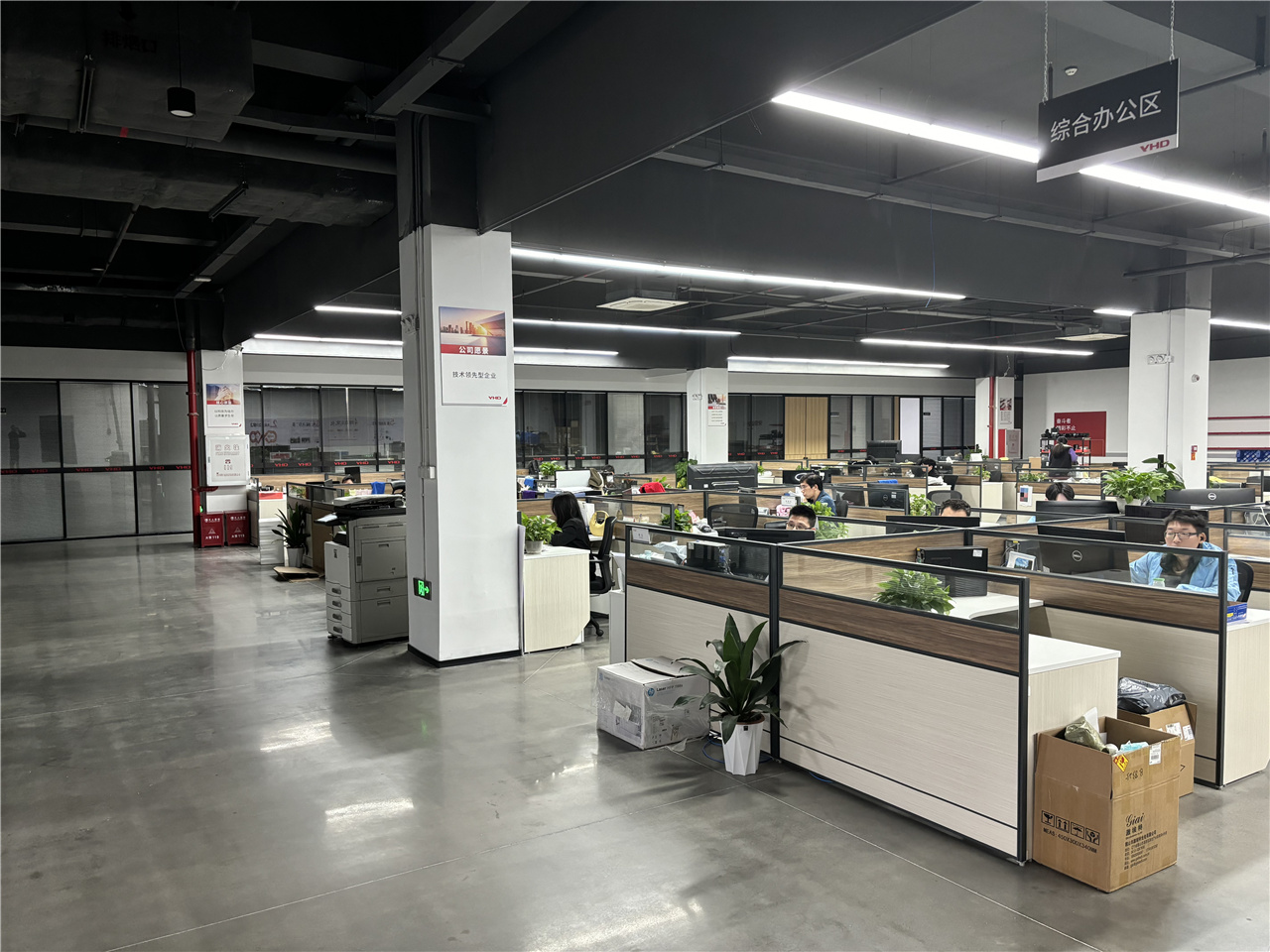
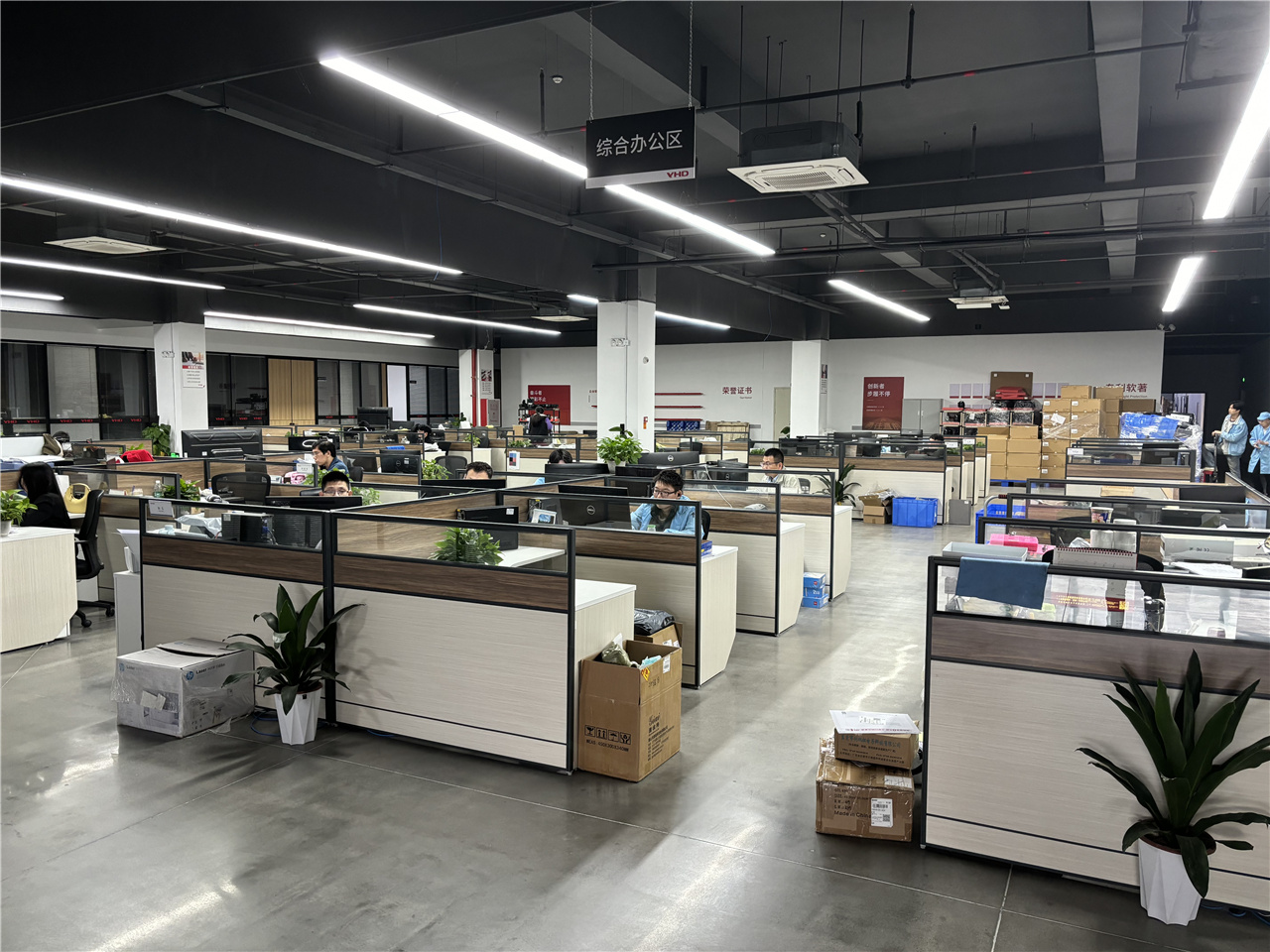
Shenzhen Dianyang Technology Co., Ltd. is a specialized high-tech enterprise focused on infrared thermal imaging solutions, operating as a key subsidiary of VHD (Shenzhen VHD Technology Co., Ltd.)—a publicly listed company on the Shenzhen Stock Exchange. This strategic corporate affiliation grants Dianyang direct access to VHD’s world-class R&D platforms, high-precision automated manufacturing systems, and rigorous quality management frameworks.
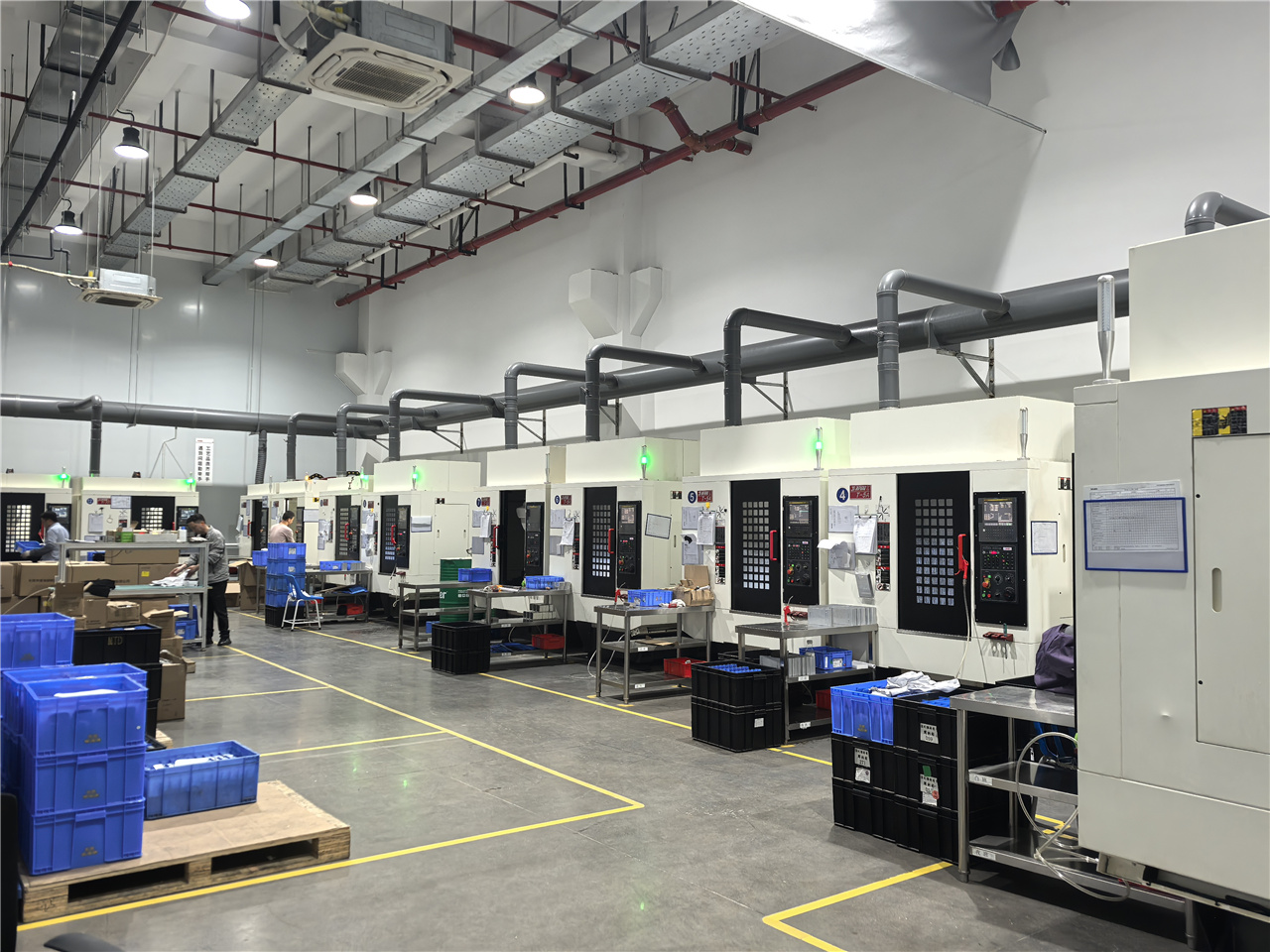
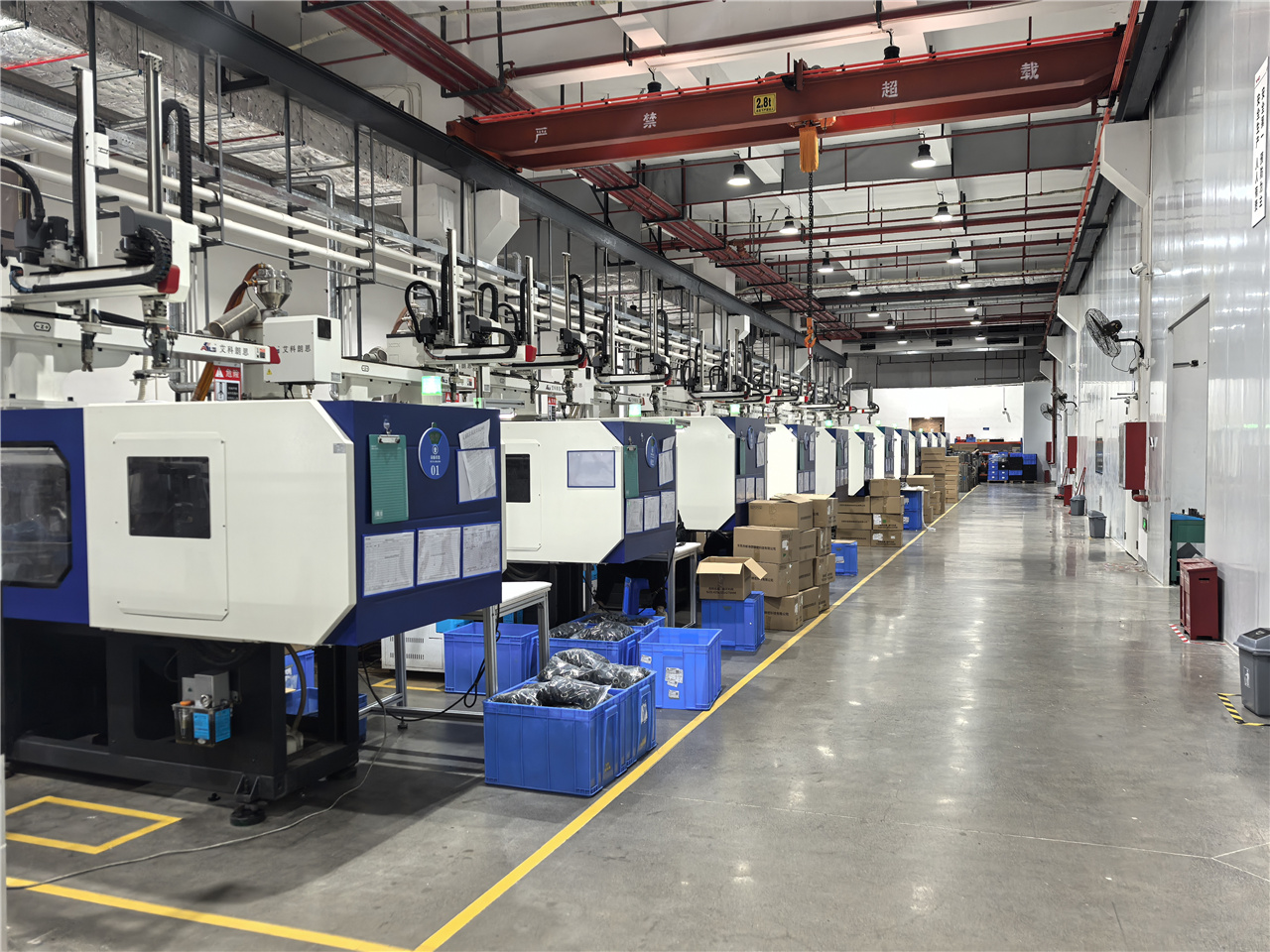
Unlike typical unverified contract suppliers, Dianyang operates dedicated ODM/OEM engineering lines executing Design for Manufacturing (DFM), Design for Testability (DFT), thermal simulation, and EMC pre-compliance testing. This guarantees exceptionally stable sensor calibration, robust drop-tested optical housings, and zero-defect mass production yields.
Global Compliance & Regulatory Certifications: We empower our international clients to seamlessly navigate global markets by ensuring all manufactured products fully comply with international standards, including CE, FCC, RoHS, REACH, CB, UKCA, KC, and PSE.
Defective wall insulation, poorly sealed window frames, and uninsulated attic accesses lead to massive energy loss. Thermal cameras instantly reveal cold air infiltration vectors in winter and heat gain in summer, enabling quantitative energy efficiency auditing.
Water evaporation creates localized evaporative cooling. By measuring subtlest temperature differences (high NETD sensitivity), inspection thermal cameras pinpoint hidden plumbing leaks behind drywall, roof ceiling leak paths, and damp basement foundations before mold growth occurs.
Loose terminal connections, overloaded circuit breakers, and unbalanced three-phase electrical loads create high resistance heating. Inspectors utilize handheld models (like the DP-38D) to capture accurate radiometric surface temperatures and prevent catastrophic electrical fires.
Mapping underfloor heating loops without invasive floor removal is simple with LWIR sensors. Inspectors quickly locate blockage points, pipe ruptures, or uneven hydronic heat distribution, saving homeowners thousands in invasive destructive teardowns.
Defective photovoltaic cells or damaged bypass diodes manifest as distinct thermal "hotspots." Inspection teams use thermal imagers to evaluate solar panel integrity during pre-purchase home assessments or routine commercial renewable maintenance.
Sub-wall termite colonies, bee hives, or rodent nesting generate subtle metabolical heat signatures. Radiometric imaging assists pest control teams in non-invasively detecting infested wall cavities.
We offer modular lens configurations tailored to client specifications: wide-angle optics for tight indoor rooms or narrow telephoto optics for high-voltage power line audits. Choice of VOx sensors ranging from budget 96x96 to professional 640x512 array cores.
Custom plastic injection molding, rubberized drop-proof overmolding, IP54 to IP67 sealing protection, and ergonomic grip designs. We apply comprehensive DFM principles to guarantee durable field usage.
Complete custom GUI development, palette selection (Ironbow, Rainbow, High-Contrast Black/White Hot), automated ROI spot/box/line analysis, and SDK access for iOS Type-C and Lightning attachments.
OEM (Original Equipment Manufacturing) involves manufacturing standardized models (such as our DP-25DR or H1FB) featuring your brand logo, customized packaging, manual translations, and customized software skinning.
ODM (Original Design Manufacturing) is a comprehensive co-development process where Shenzhen Dianyang engineers a completely custom thermal camera solution from scratch. This includes custom PCB layout design, optical lens selection, unique industrial housing tooling, firmware architecture, and proprietary mobile app development.
NETD measures the smallest temperature delta the infrared sensor can resolve. Expressed in millikelvins (mK), lower values indicate higher sensitivity. For home inspections—where wall insulation defects or subtle moisture evaporative cooling produce temperature differences of less than 1°C—an NETD of <40mK guarantees crisp thermal detail without grainy noise artifacts.
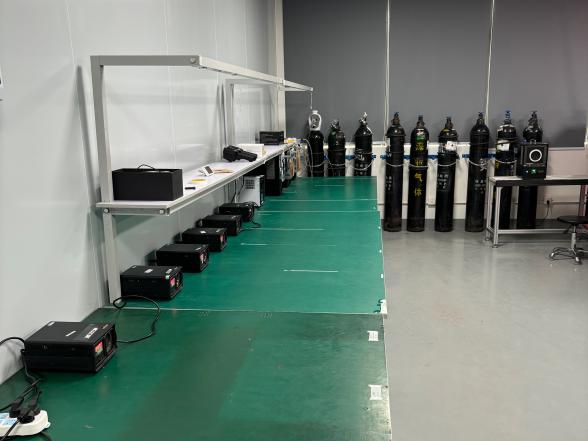
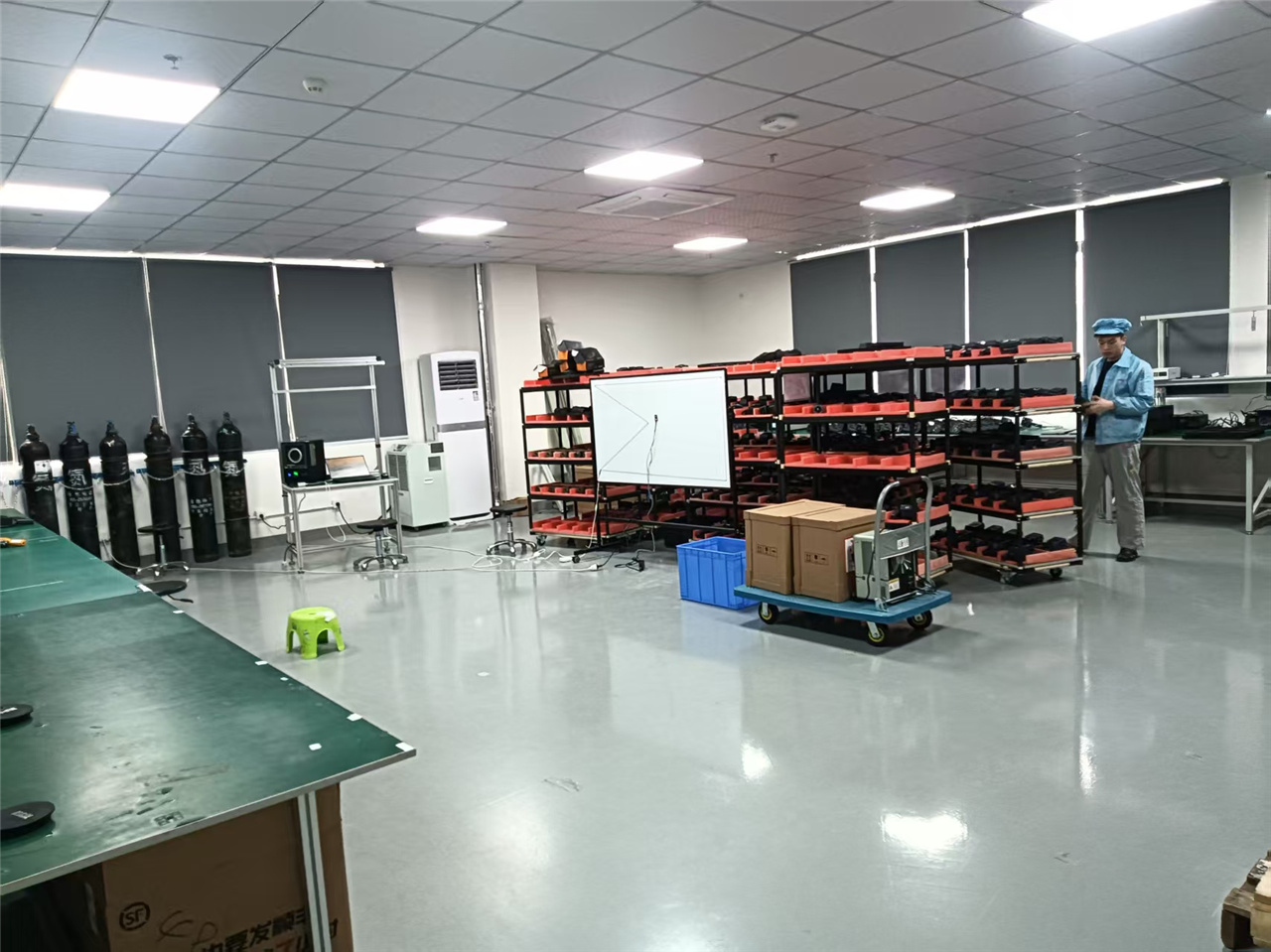
Backed by our publicly listed parent company VHD, Dianyang utilizes high-precision automated blackbody calibration furnaces. Every single unit undergoes a multi-temperature burn-in chamber cycle to compensate for environmental temperature drift (-15°C to +50°C), ensuring factory-direct accuracy within ±2°C or ±2% reading standards.
Our products support global market access with complete certification files including CE, FCC, RoHS, REACH, CB, UKCA, KC (Korea), and PSE (Japan). We also provide UN38.3 and MSDS test documentation for lithium battery air and ocean transportation safety compliance.
Mobile plug-in modules offer tremendous portability and cost advantages by leveraging the smartphone screen, processor, and battery. They are ideal for residential home inspectors and HVAC technicians requiring lightweight tools. However, for rugged industrial environments or full-day commercial building envelope assessments, dedicated handheld units (like the DP-64D) offer superior ergonomic balance, drop protection, higher battery endurance, and built-in laser distance meters.
For standard OEM branding on existing models, production lead times are typically 2–3 weeks. For complete custom ODM projects involving new industrial design (ID), plastic tooling molds, custom PCB layout, and software API development, complete prototype development takes approximately 45–60 days, followed by mass production.
Partner with Shenzhen Dianyang Technology—the trusted ODM thermal imaging factory. Benefit from VHD platform engineering, competitive direct pricing, and end-to-end certification assistance.
 Dianyang