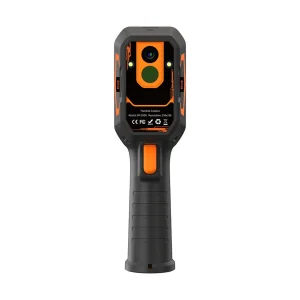
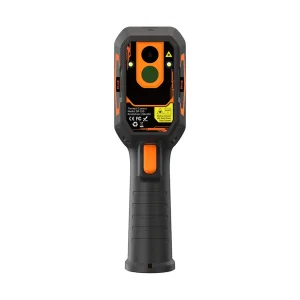
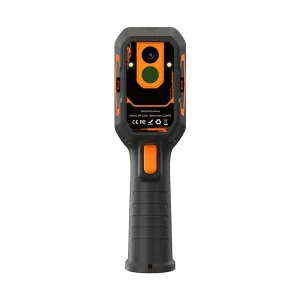
Precision Radiometric Engineering, Smart Building Diagnostics & Enterprise OEM/ODM Infrared Solutions
High-resolution infrared hardware engineered for professional home inspection, electrical audit & building energy diagnostics
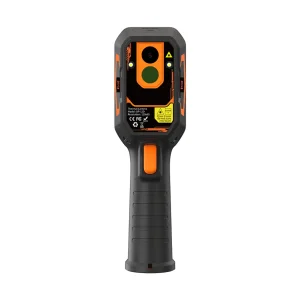
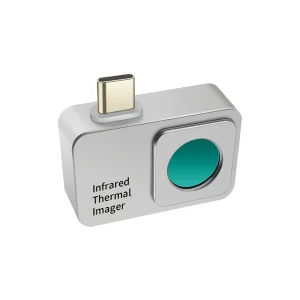
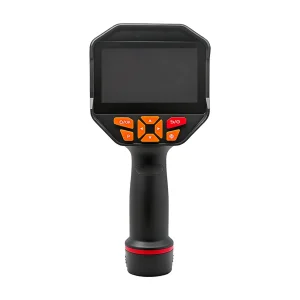
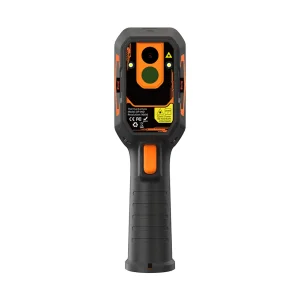
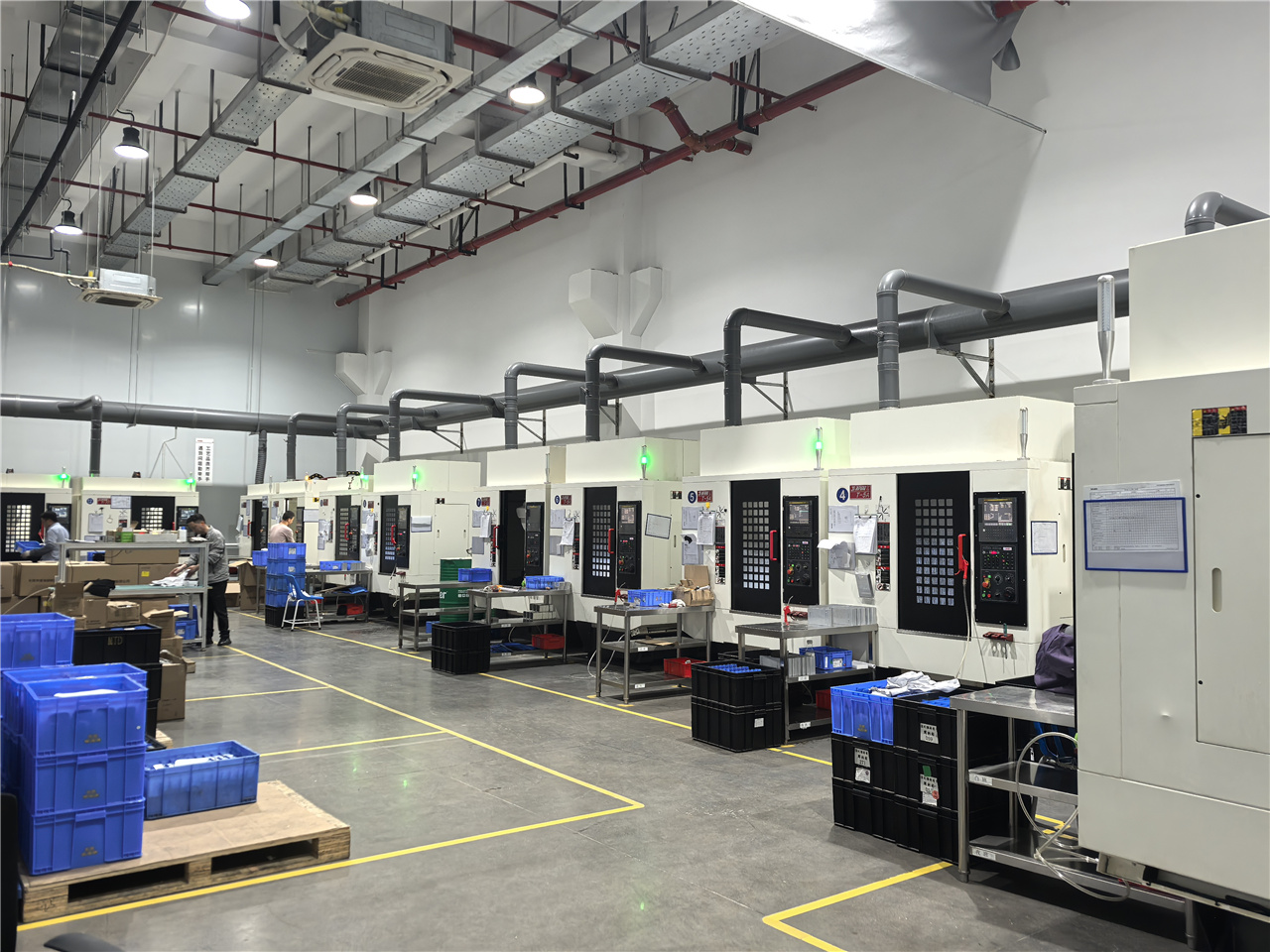
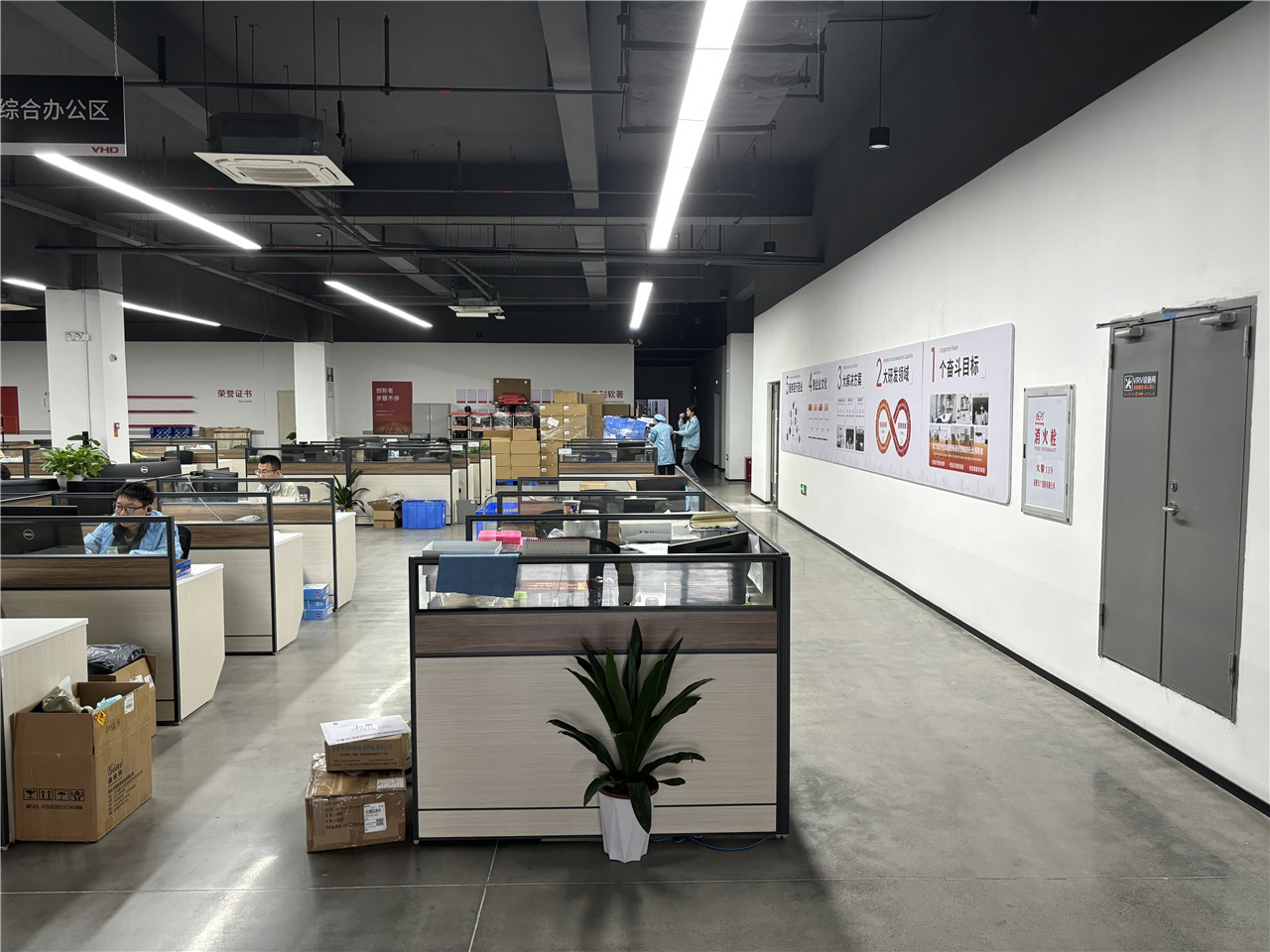
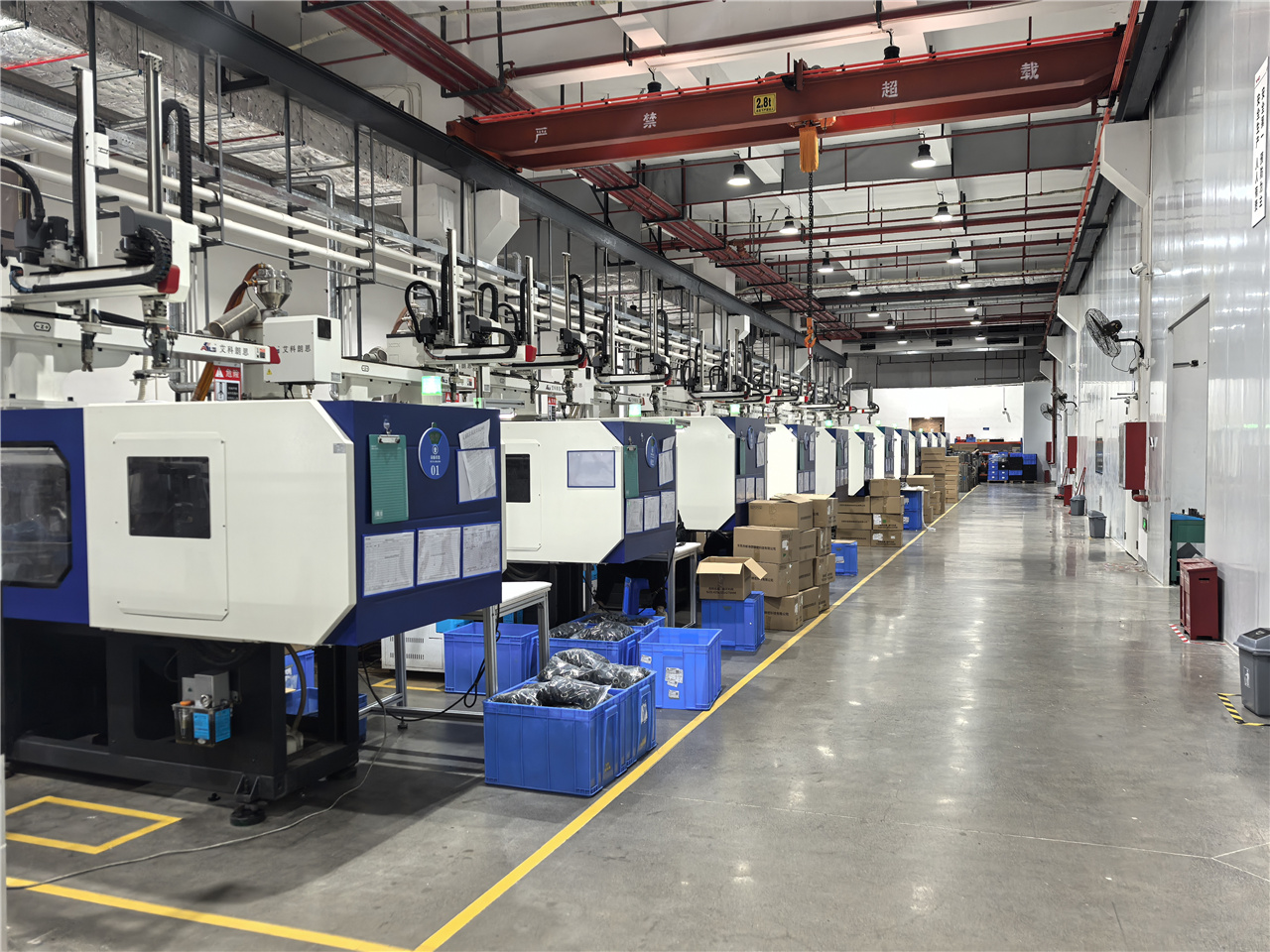
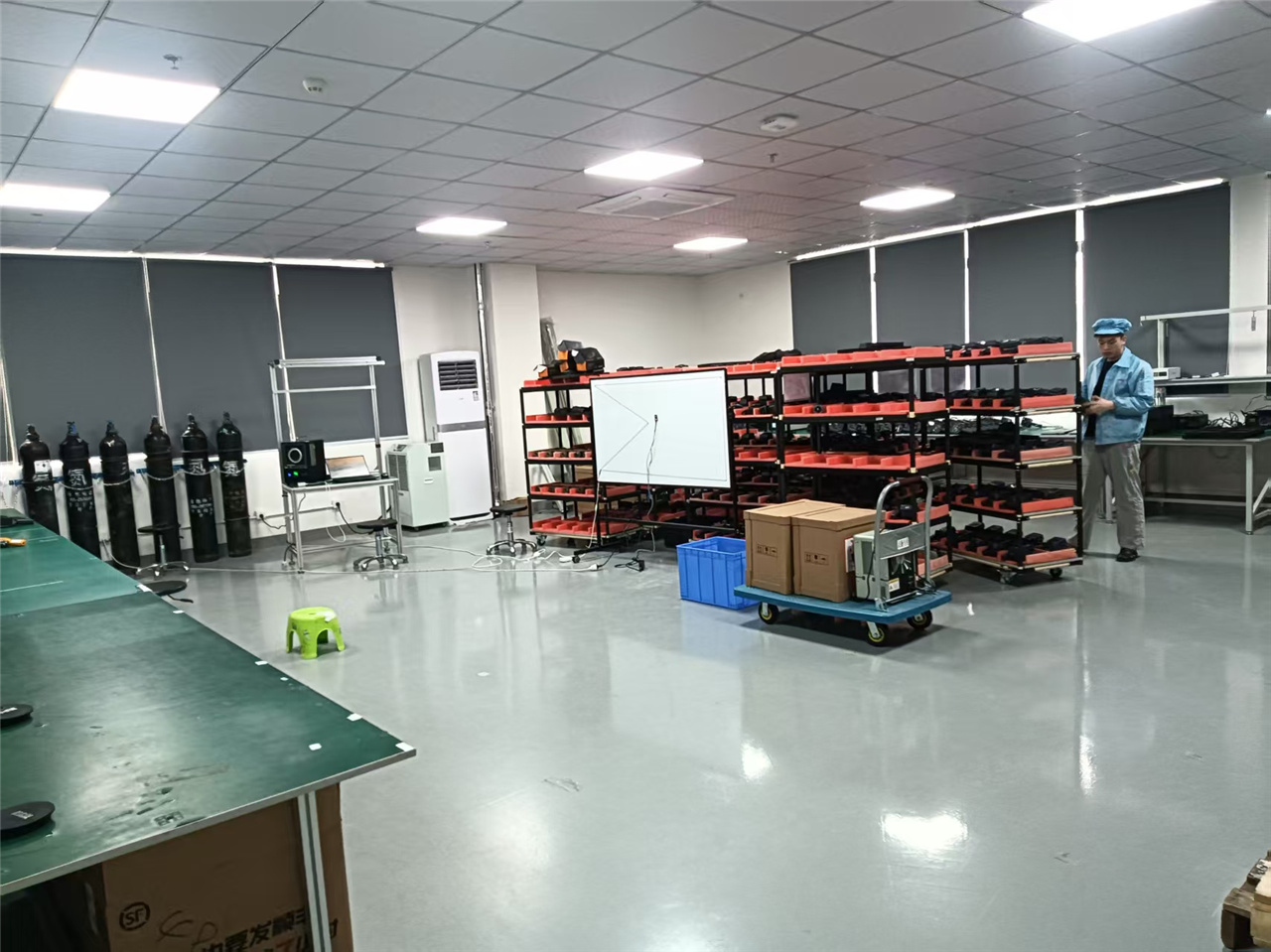
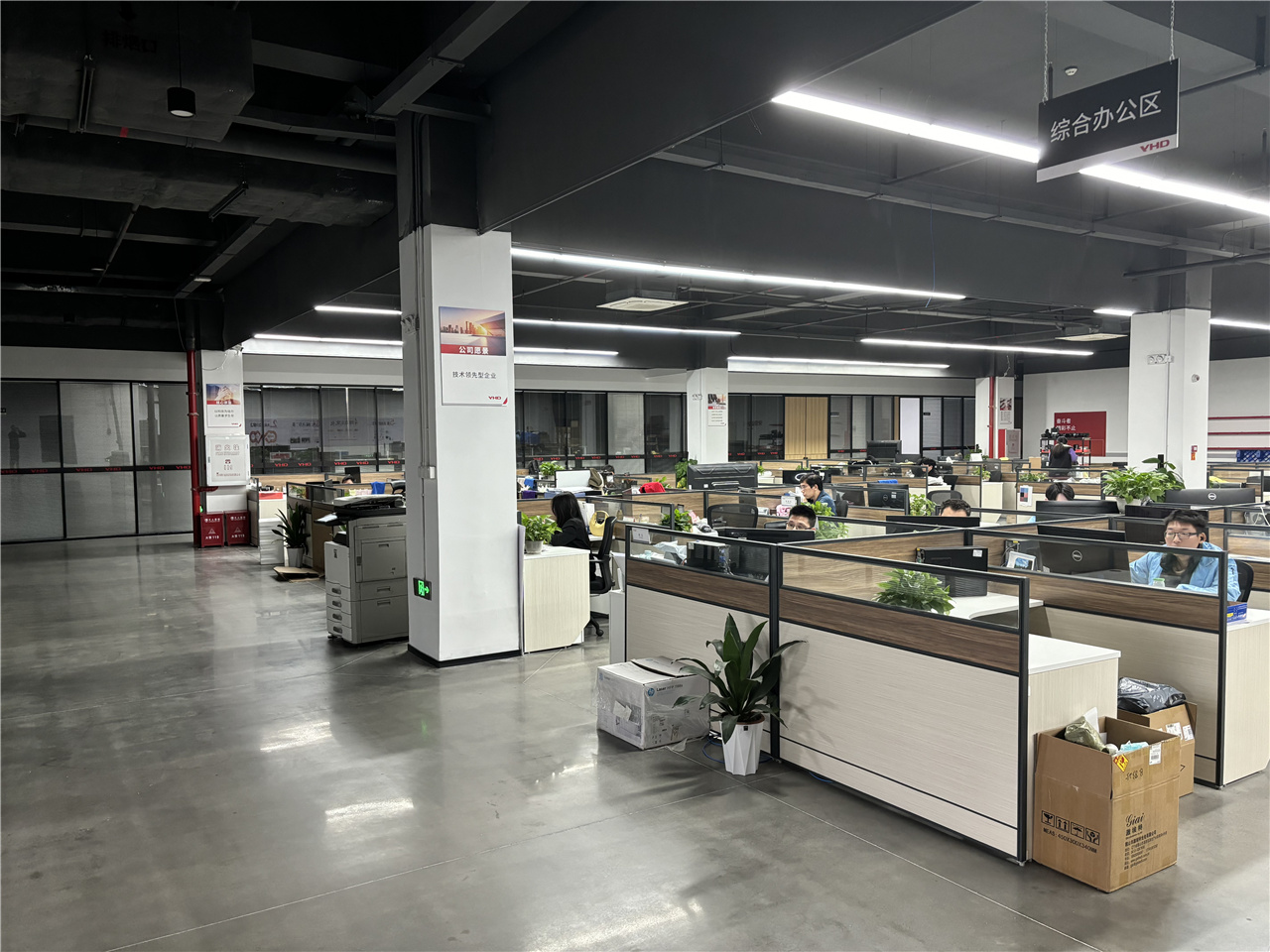
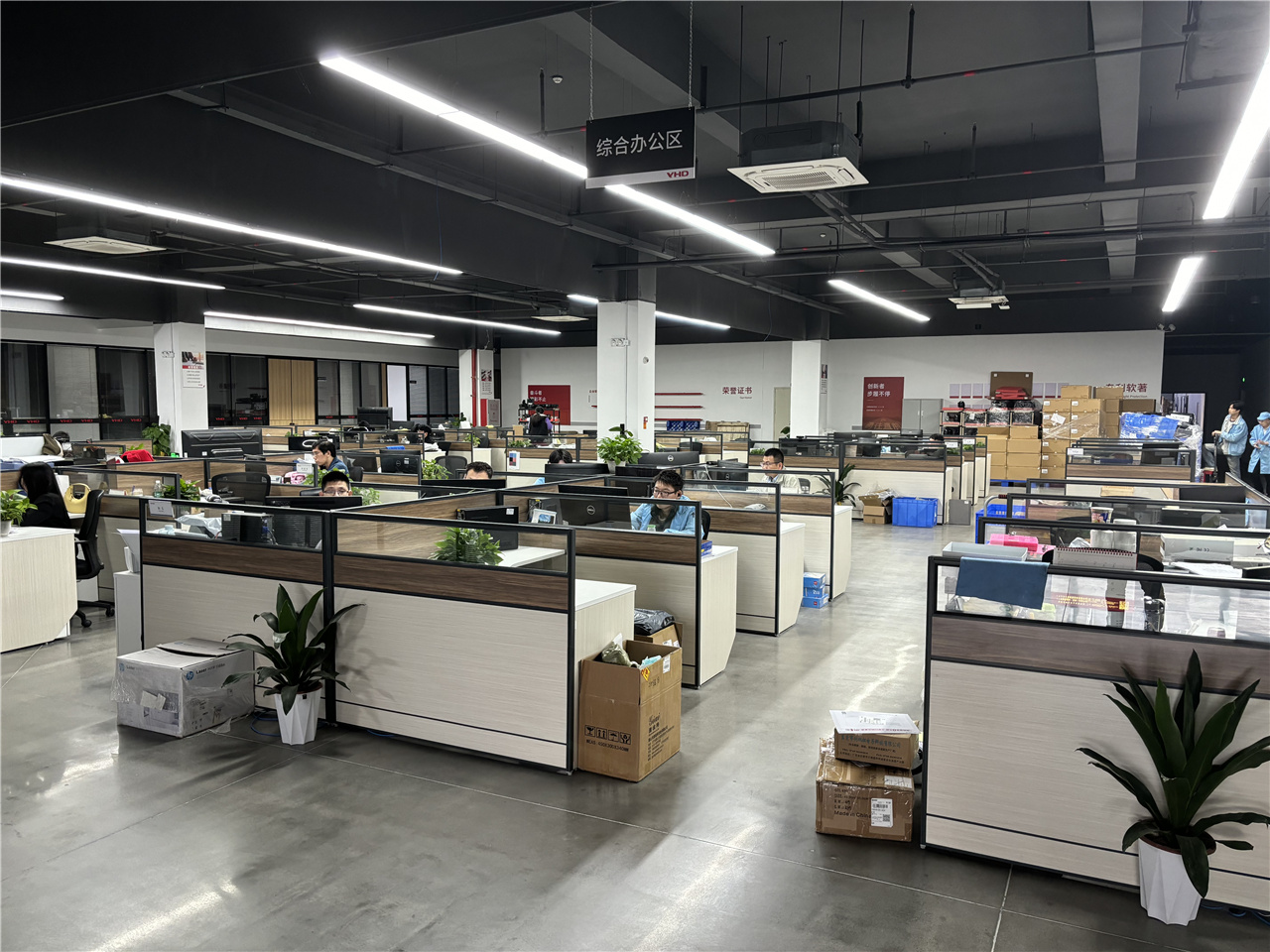
Shenzhen Dianyang Technology Co., Ltd. stands at the forefront of non-contact infrared temperature measurement and spatial thermography, operating as a dedicated subsidiary of VHD (Shenzhen VHD Technology Co., Ltd., publicly listed on the Shenzhen Stock Exchange). This capitalization structure and institutional backing grant Dianyang unparalleled R&D synergies, high-precision surface-mount technology (SMT) automated manufacturing platforms, and stringent enterprise-grade quality management standards.
Unlike standard market ODMs, Dianyang integrates specialized optical simulation, custom uncooled Vanadium Oxide (VOx) microbolometer detector tuning, and advanced algorithmic image processing. As a world-leading thermal home inspection exporter & service solution provider, we deliver robust end-to-end hardware and software ecosystems tailored for architectural diagnostic audits, industrial utility inspections, electrical preventive maintenance, and HVAC envelope analysis.
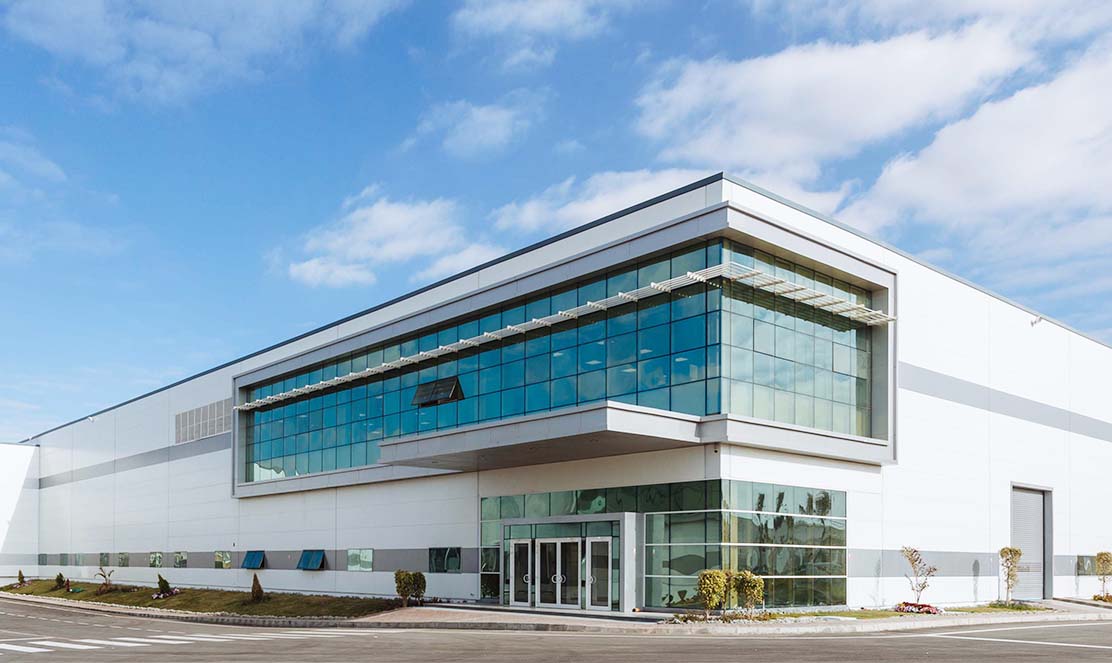
Our dedicated engineering team applies rigorous Design for Manufacturing (DFM), Design for Testability (DFT), thermal fluid dynamic simulations, and Electromagnetic Compatibility (EMC) pre-compliance analysis. This rigorous methodology accelerates custom OEM/ODM deployment while guaranteeing long-term field stability across extreme temperature gradients.
Strategic insights into international market drivers, compliance mandates, and procurement standards
In North America, residential property acquisition standard operating procedures dictate quantitative building envelope assessments under ASTM C1060 and RESNET standards. Enterprise procurement teams require infrared hardware with sub-40mK NETD sensitivity to instantly pinpoint insulation voids, hidden moisture intrusion behind drywall, and air leakage channels aroundfenestration units.
Driven by the EU Energy Performance of Buildings Directive (EPBD), European real estate developers and audit firms demand dual-light fusion thermal imagers (such as our DP-25DV and DP-64D series). Equipment must precisely quantify thermal bridge transmission losses (U-value anomalies) and produce automated radiometric reports compliant with ISO 6781 guidelines.
Across Latin America, the Middle East, and Southeast Asia, rapid urbanization drives high demand for durable, field-ready handheld cameras (DP-12D, DP-38D) and smartphone-connected thermal tools (H1FB, H2FB). Commercial importers prioritize IP54/IP65 ingress protection, drop resistance, and highly accessible cost-per-unit structures for mass deployment.
Selecting the optimal infrared inspection fleet requires matching detector physics to specific operational workflows:
| Inspection Tier | Target Application | Recommended Model | Detector Resolution | Thermal Sensitivity (NETD) | Key Technological Feature |
|---|---|---|---|---|---|
| Entry-Level Field Audit | HVAC register check, basic electrical breaker scans | DP-09D / DP-12D | 96×96 to 120×90 | < 60mK | Laser Distance Pointer & Quick Spot Temperature |
| Mobile Diagnostic Integration | On-the-go residential inspection, client reporting | H1FB / H2FB | 160×120 / High Precision | < 50mK | Smartphone Plug-and-Play, Ultra-Portable Form Factor |
| Professional Home Inspection | Comprehensive structural leaks, moisture, heat loss | DP-25D / DP-25DV | 256×192 Radiometric | < 45mK | Dual-Spectrum Fusion (IR + 5MP Visual Light Camera) |
| Advanced Industrial Diagnostics | Multi-story envelope, high-voltage substations | DP-38D / DP-64D | 384×288 to 640×512 | < 35mK | Wide Range (-20°C to +1200°C), Continuous Manual Focus |
How thermal quantitative imaging solves complex structural, electrical, and HVAC inefficiencies
Thermal bridges occur where continuous structural elements pass through insulation layers, causing significant energy loss and potential interior condensation. Using high-sensitivity infrared cameras like the DP-64D 640x512 resolution thermal imager, inspectors can detect sub-degree surface temperature deltas. Combined with blower door pressurization testing, thermal imaging highlights subtle air infiltration around door jambs, window sills, and roof-wall junctions, allowing retrofitting crews to seal draft sources with high surgical accuracy.
Moisture trapped within subflooring, interior insulation, or flat roof membranes changes the local thermal capacity of materials. As the environment warms or cools, moist areas store or evaporate heat at different rates compared to dry structural components. Dianyang’s DP-25DV dual-light thermal camera enables home inspectors to identify evaporative cooling patterns indicative of hidden plumbing leaks, roof flashing failures, and damp foundations before mold spore proliferation occurs.
Overloaded circuit breakers, loose wire terminations, phase imbalances, and harmonic distortion generate excessive Joule heating ($P = I^2R$). Left unchecked, these thermal hot spots lead to catastrophic electrical fires or unscheduled industrial downtime. Dianyang’s high-temperature industrial series (capable of accurately measuring up to 1200°C) features spot, line, and area temperature tracking with automated high-temp audio/visual alarms for immediate field triage.
Leaky plenum chambers and uninsulated air distribution ducts waste up to 30% of a heating and cooling system's total thermal output. Infrared diagnostics rapidly visualize air supply duct ruptures inside drop ceilings and wall cavities without invasive demolition, reducing diagnostic time by over 70% per dwelling unit.
Establish minimum 10°C indoor/outdoor temperature difference ($\Delta T$) for thermal gradient clarity.
Conduct wide-angle interior and exterior scans to locate thermal bridging & air leaks.
Record full radiometric thermal images with surface emissivity calibration ($\epsilon = 0.95$ for drywall).
Import thermal files into Dianyang Analysis Software for isotherms, profile plots, and spot metrics.
Generate customer-ready PDF report highlighting defect locations, thermal severity, and repair priorities.
Next-generation infrared developments powering global industrial thermography
Dianyang is integrating neural network computer vision models directly into camera DSP engines. Edge AI algorithms automatically distinguish between normal heating patterns (e.g., sun-warmed walls) and anomalous thermal Signatures (e.g., moisture, electrical hot spots, structural insulation voids) in real time.
Transitioning our core detector product line to 12µm and sub-10µm focal plane array (FPA) architectures allows higher thermal spatial resolution in smaller optical footprints, reducing lens manufacturing costs while elevating thermal sensitivity to <25mK NETD.
Future iterations of our smartphone-connected and handheld units (such as the DP and H-series) feature direct Wi-Fi 6 / 5G cloud uploading capabilities, allowing field technicians to stream radiometric video feeds back to centralized engineering hubs for instant collaborative diagnostic sign-off.
Exporting infrared devices globally requires adherence to international safety, health, environmental, and electromagnetic compatibility standards. Dianyang guarantees complete regulatory compliance across major international trade jurisdictions:
We provide full documentation packages, factory calibration certificates traced to blackbody radiation standards, and multi-language firmware options (English, Spanish, German, French, Korean, Japanese, Chinese) to empower local reseller network success.
Leveraging VHD’s advanced R&D engineering footprint, Dianyang offers deep turn-key customization options for global brand partners:
Technical and commercial clarity for thermal camera importers, distributors, and inspection professionals
A: Noise Equivalent Temperature Difference (NETD) measures the smallest temperature differential the thermal detector can distinguish. In home inspection, thermal anomalies caused by subtle insulation voids or early-stage moisture leaks often present temperature differences of less than 0.1°C. A camera with an NETD of <35mK (0.035°C) yields crisp, low-noise thermal images that clearly display subtle structural defects, whereas low-sensitivity cameras (>80mK) mask these crucial diagnostic indicators behind image grain.
A: Dual-Spectrum Fusion overlays high-contrast visual detail (edges, outlines, text) directly onto the thermal infrared map. Models like the DP-25DV combine a visual camera with an IR core. This allows inspectors to pinpoint exact physical locations of hot spots or moisture leaks without switching between separate digital photos, saving substantial time when compiling customer-facing audit reports.
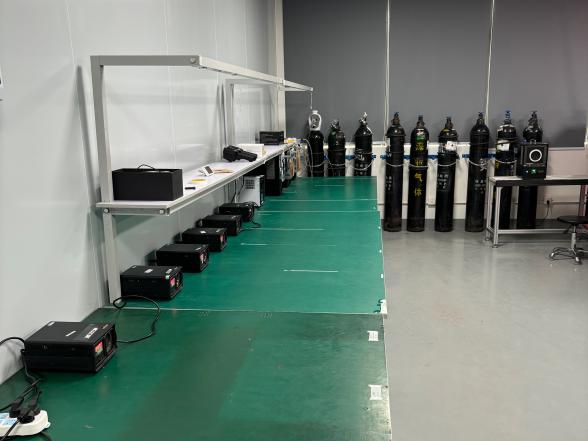
A: Every Dianyang thermal camera undergoes multi-point temperature calibration inside precision temperature-controlled blackbody chambers during manufacturing. Our software integrates adjustable emissivity ($\epsilon$), ambient temperature compensation, relative humidity parameters, and distance correction curves, ensuring accurate temperature readings within $\pm 2^\circ\text{C}$ or $\pm 2\%$ of the measured value.
A: Smartphone-connected thermal imagers like the H1FB (160x120 resolution) serve as highly portable, cost-effective primary diagnostic tools for rapid triage, HVAC spot checks, and quick homeowner consultations. However, for full-day rugged field inspections involving high-voltage electrical panels, roofs, or extreme industrial environments, dedicated handheld cameras (e.g., DP-38D, DP-64D) offer superior ergonomic balance, drop protection (2-meter test compliance), continuous operating battery life, and extended physical thermal ranges.
A: For standard Dianyang branded models, we maintain stock reserves allowing dispatch within 3-7 business days. For OEM/ODM private-label projects, standard prototype development takes 2-4 weeks depending on firmware customisation, while mass production lead times typically range between 4-6 weeks under strict ISO 9001 quality controls.
Factory-direct OEM models, custom thermal modules, and specialized industrial radiometric systems
 Dianyang