Explore our top-performing OEM & ODM thermal imaging systems, engineered for high-precision thermographic analysis, smartphone integration, and industrial maintenance.
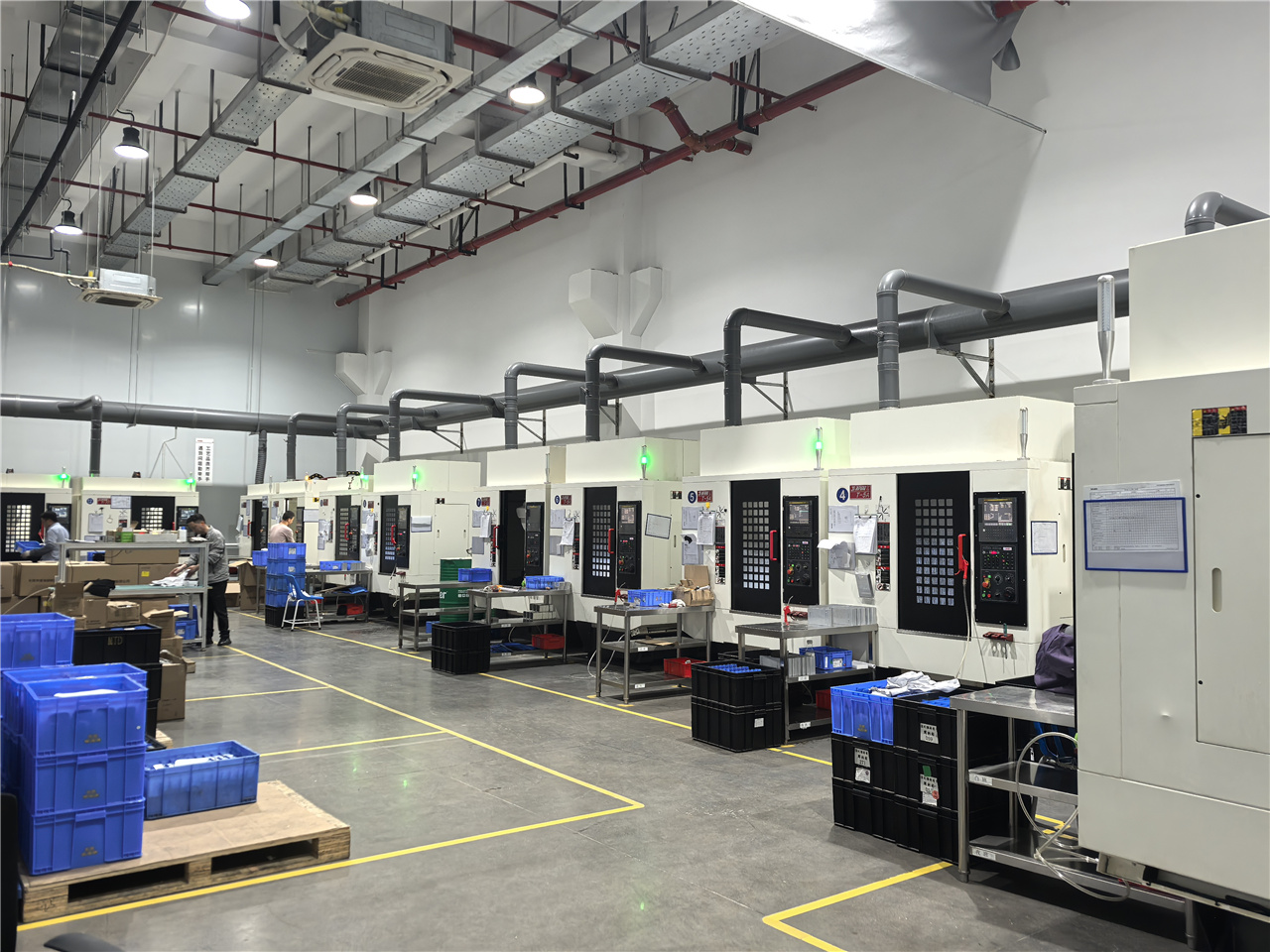
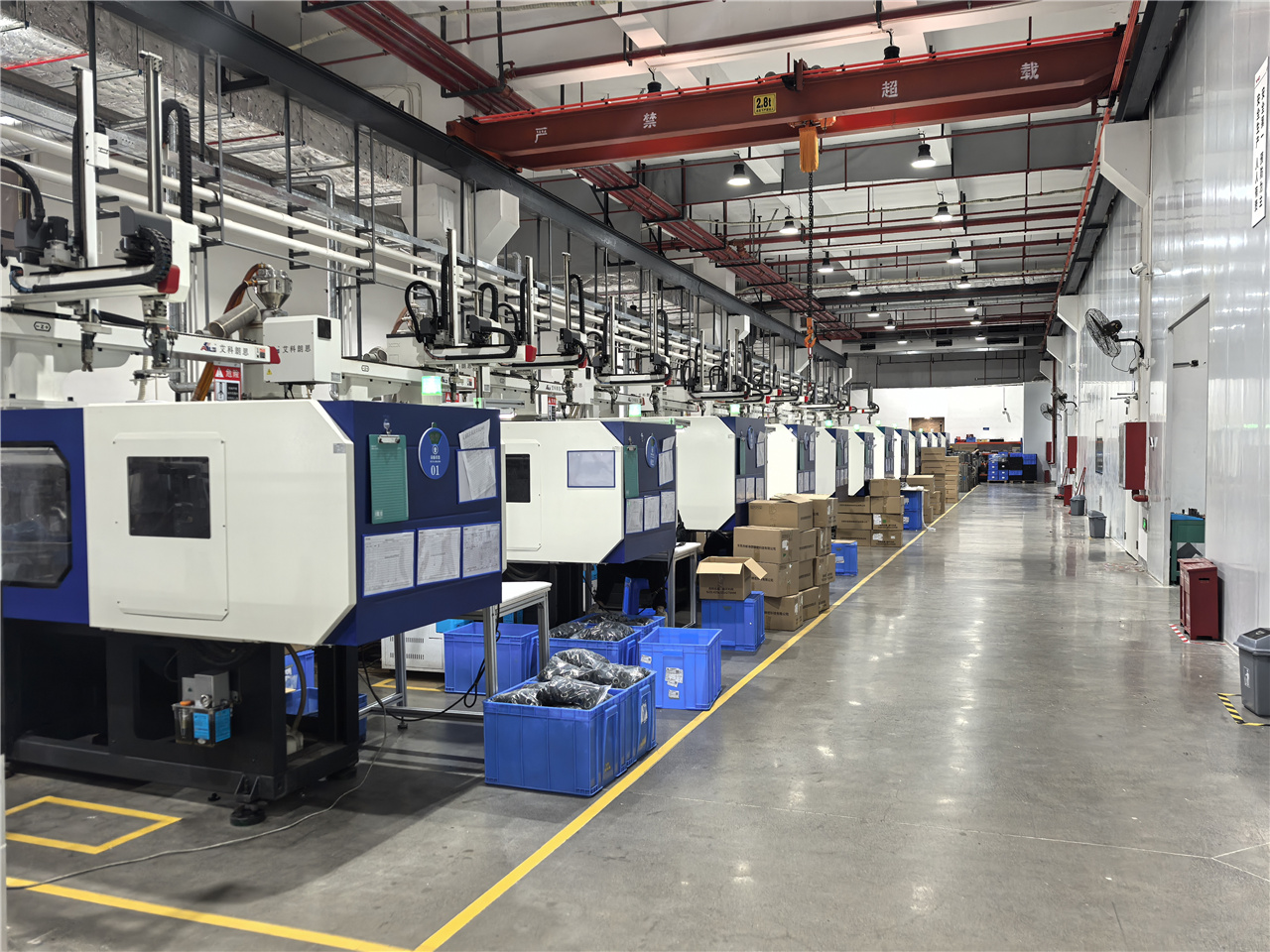
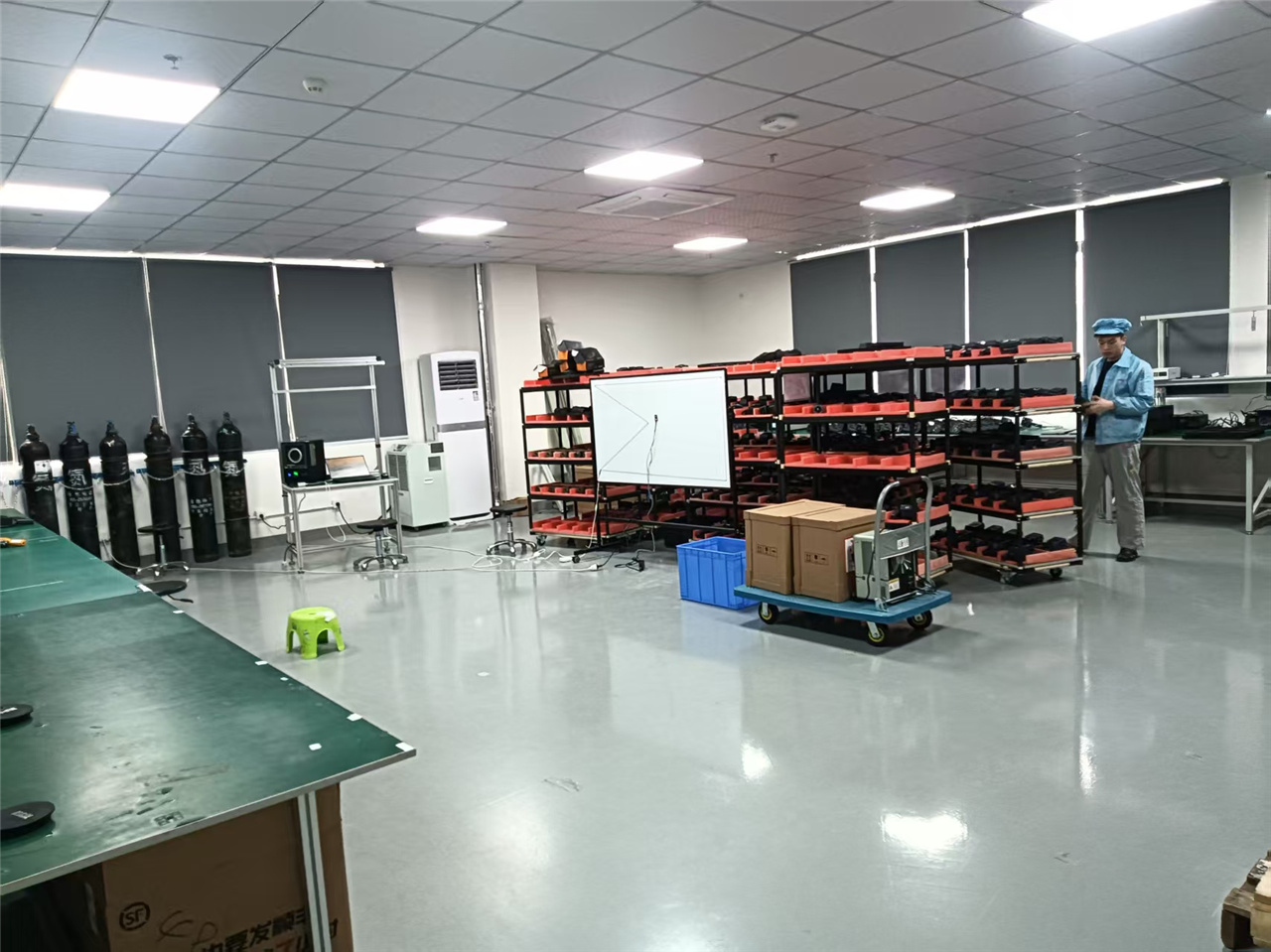
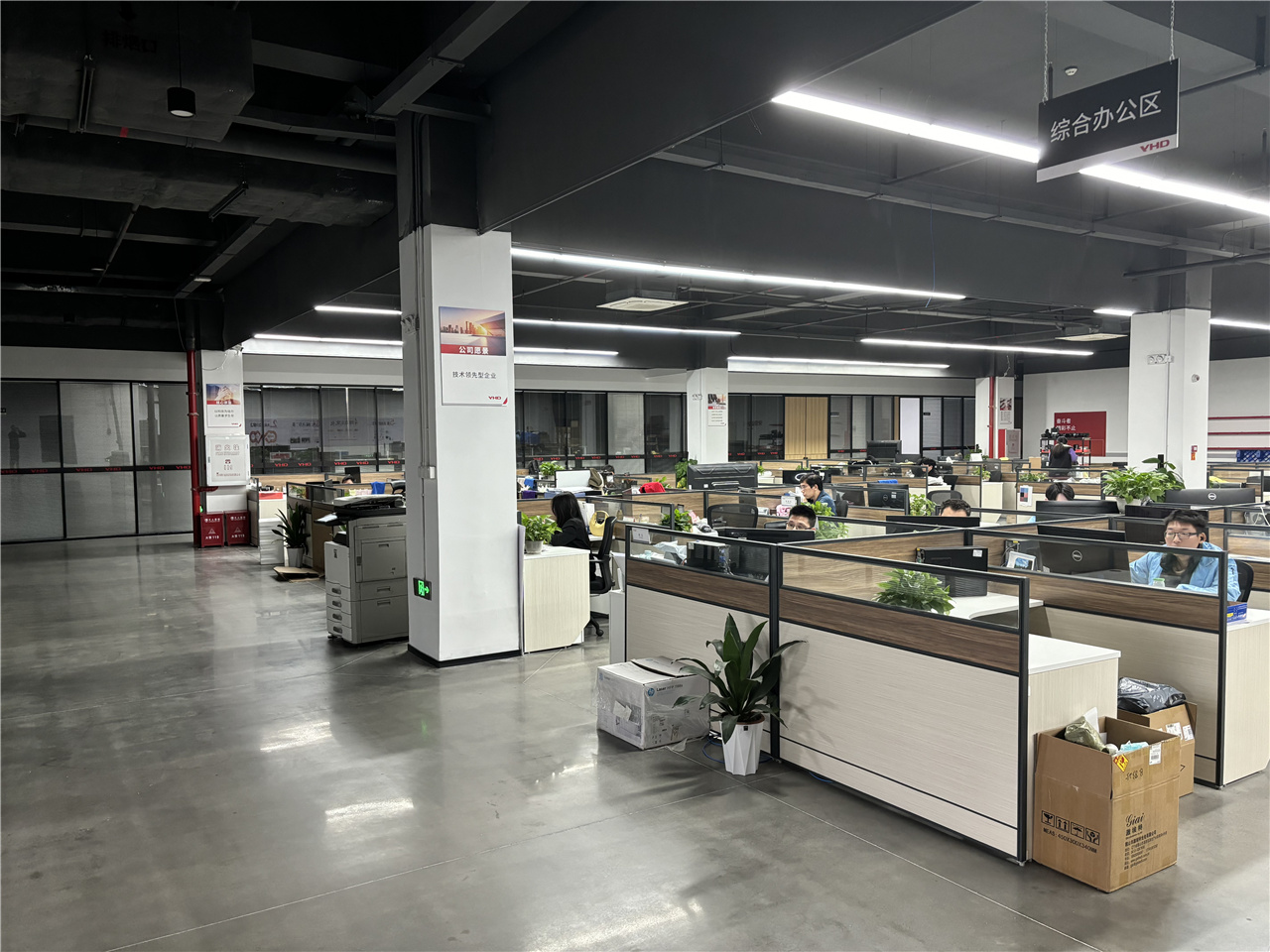
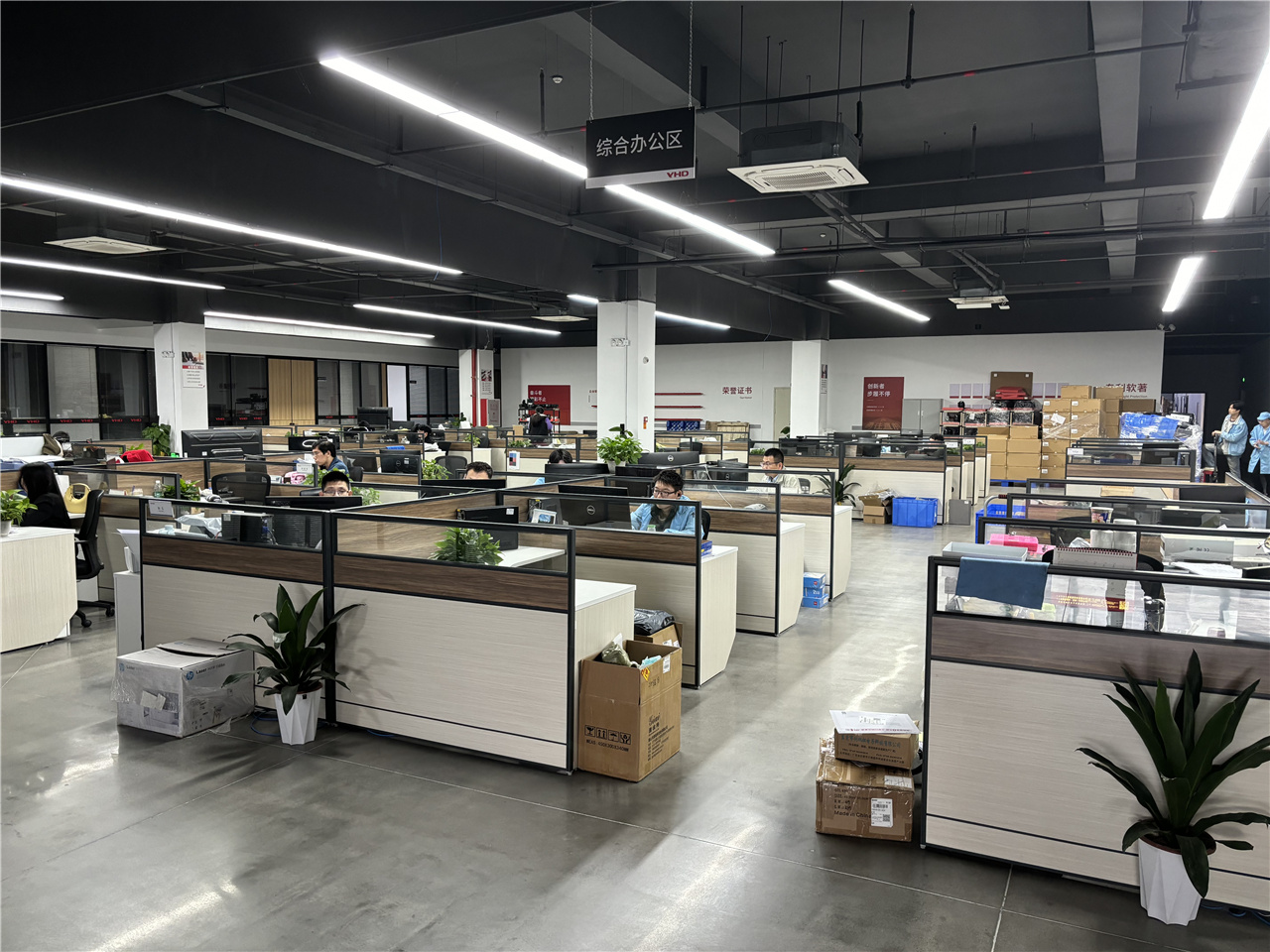
Shenzhen Dianyang Technology Co., Ltd. stands as a premier global benchmark in non-contact temperature measurement and infrared thermal imaging manufacturing. As a core subsidiary of VHD (Shenzhen VHD Technology Co., Ltd.)—a publicly listed company on the Shenzhen Stock Exchange—Dianyang operates at the intersection of optoelectronic research, micro-scale thermal sensor packaging, and high-throughput automated assembly.
This strategic affiliation provides Dianyang with unparalleled capital structure, direct access to VHD’s state-of-the-art optical laboratory platforms, high-precision automated surface mount technology (SMT) suites, and military-grade quality management standards. Unlike typical original design manufacturers (ODMs), Dianyang exercises complete vertical integration over the thermographic manufacturing cycle—from long-wave infrared (LWIR) optical modeling to customized firmware application software interfaces (SDKs).
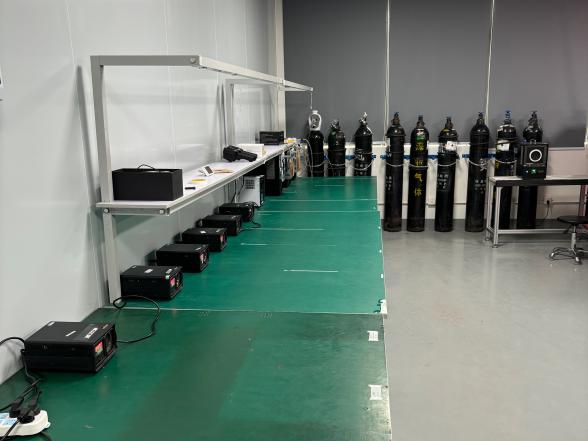
Our dedicated research unit integrates Design for Manufacturing (DFM) and Design for Testability (DFT) methodologies directly into early-stage prototype development. Utilizing Finite Element Analysis (FEA), rigorous thermal simulation, and pre-compliance Electromagnetic Compatibility (EMC) testing, we eliminate manufacturing bottlenecks and ensure operational consistency across high-temperature and harsh industrial conditions.
The global thermal imaging camera market has undergone a paradigm shift, transitioning from defense-dominated applications to high-growth commercial, industrial, and consumer electronics ecosystems.
Industrial automation reliant on Continuous Infrared Thermography minimizes unplanned downtime. Microbolometer sensors deployed across high-voltage distribution lines, transformer vaults, and motor control centers (MCCs) detect thermal anomalies long before physical failure occurs.
Stringent global energy efficiency standards (such as EU Zero-Emission Building Directives) require non-destructive thermal testing. Thermography reveals structural heat leakage, air infiltration, dampness, and localized insulation degradation without destructive invasive techniques.
The global shift toward Electric Vehicles (EVs) demands precision thermography during lithium-ion cell manufacturing and pack assembly. Real-time thermal gradient mapping prevents thermal runaway events and guarantees high battery cell uniformity.
Why Tier-1 global brands and industrial buyers partner with Shenzhen Dianyang Technology for scalable OEM/ODM thermal imaging production.
Located in Shenzhen—the center of global electronics innovation—Dianyang leverages an ultra-dense supply chain. From micro-machined Germanium (Ge) and Chalcogenide infrared optics to specialized Vanadium Oxide (VOx) and Amorphous Silicon (a-Si) microbolometer packaging, localized material sourcing cuts lead times by up to 60% compared to Western manufacturers.
Dianyang’s dedicated international expansion initiative—dubbed "Go Out to Sea"—is built on international regulatory compliance. We eliminate export friction for global OEM partners by maintaining complete in-house certification testing across major economic regions.
Discover how Dianyang’s diverse handheld, mobile attachment, and benchtop thermal imagers deliver quantified diagnostics across key industrial sectors.
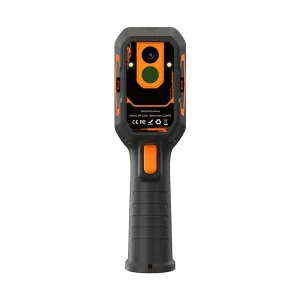
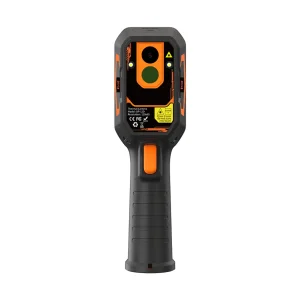
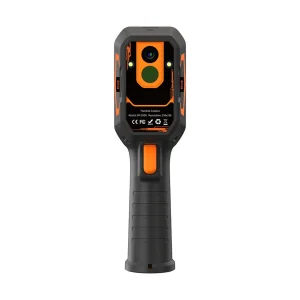
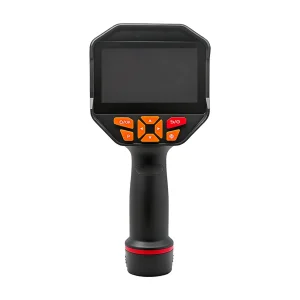
High-voltage electrical switchgear, busbars, and transformers are prone to resistance heating caused by loose connections or oxidation. Utilizing high-resolution handheld imagers like the DP-64D (640x512 IR resolution) allows utility engineers to spot micro-Kelvin thermal differentials at safe standoff distances (-20°C to 1200°C range).
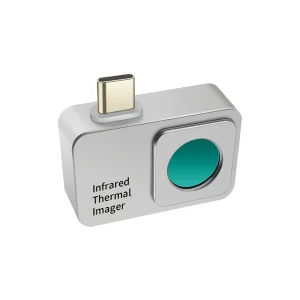
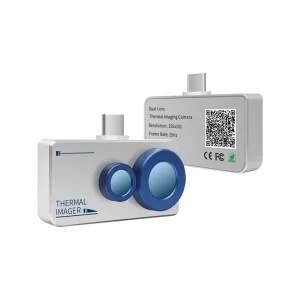
During electronic hardware design, surface-mount components can suffer from localized power dissipation anomalies. Dianyang’s benchtop thermal analyzers and mobile thermal attachments (such as the H2F6B 256x192 series) allow R&D technicians to observe thermal gradient propagation on SMD components down to sub-millimeter scales.
In zero-visibility, smoke-filled environments, infrared thermography is a life-saving tool. Dual-light camera systems combining visible light with uncooled long-wave infrared sensors enable first responders to quickly locate structural hot spots, victim signatures, and hidden fire origins.
A comparative evaluation of core sensor architectures, thermal sensitivities, and operational temperature ranges across our primary product line.
| Model Series | IR Resolution | Detector Type | NETD (Sensitivity) | Temperature Range | Fusion Tech | Primary Application |
|---|---|---|---|---|---|---|
| DP-64D Series | 640 × 512 px | Uncooled VOx Microbolometer | < 35 mK @ 30°C | -20°C to 1200°C | Dual-Spectrum Fusion | Heavy Industrial & Grid Inspection |
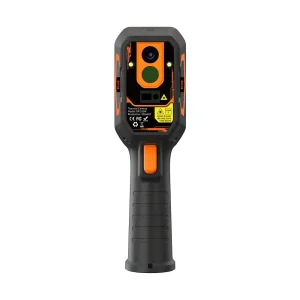
| DP-38D Series | 384 × 288 px | Uncooled VOx Microbolometer | < 40 mK @ 30°C | -20°C to 550°C | LED / Visible Fusion | Plant Maintenance & Security |
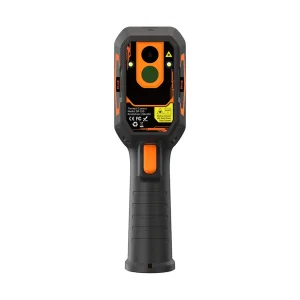
| DP-25DR / DP-25DV | 256 × 192 px | Focal Plane Array (FPA) | < 40 mK @ 30°C | -20°C to 550°C | Dual-Light Engine | HVAC & Electrical Maintenance |
| DP-12D / DP-12DV | 120 × 90 px | Uncooled FPA Sensor | < 50 mK @ 30°C | -20°C to 400°C | Visible / Thermal Overlay | Building Diagnostics & Plumbing |
| H2F6B / H1FB Mobile | 256 × 192 px | Plug & Play Micro-Detector | < 40 mK @ 30°C | -15°C to 150°C / 550°C | Smartphone Processing | Mobile Field Audits & Home DIY |
As a pioneer in commercial infrared technology, Dianyang is leading the integration of artificial intelligence, smaller pixel pitch arrays, and cloud thermography software.
The thermal imaging sector is transitioning rapidly from 17µm to 12µm (and emerging 10µm) microbolometer pixel pitch sizes. This reduction allows smaller optical system configurations without compromising angular resolution or Noise Equivalent Temperature Difference (NETD). Dianyang’s next-generation detectors deliver crisp radiometric imagery with lower thermal mass and higher battery efficiency.
Raw thermal images are evolving into actionable analytics. Dianyang integrates real-time AI algorithms into onboard camera processors. Features such as automatic hotspot tracking, predictive anomaly isolation, and dynamic isotherm overlays allow field inspectors to identify failing machinery components instantly without manual image post-processing.
When procuring thermal imaging cameras in bulk for commercial distribution, OEM branding, or industrial deployment, procurement officers must evaluate five critical parameters:
Noise Equivalent Temperature Difference measures the smallest temperature delta the camera can resolve. An NETD of < 40mK ensures clear detail in low-contrast environments compared to budget options rated at >70mK.
Instantaneous Field of View defines the camera's spatial resolving power. Higher sensor resolution (e.g., 640x512 vs 120x90) yields finer spatial detail per pixel, critical for inspecting small components at a safe distance.
True radiometric cameras store calibrated absolute temperature values inside every image pixel (JPEG metadata format). This allows full post-inspection quantitative analysis using PC analytical software suites.
Answers to common technical, manufacturing, and supply chain inquiries from international hardware distributors and OEM clients.
High-precision diagnostic products engineered for global industrial inspection and commercial applications.
Contact our optical engineering team today to request custom OEM quotes, product technical documentation, or hardware SDK samples.
 Dianyang