Explore our flagship thermographic series engineered for power grid maintenance, building diagnostics, industrial HVAC, and electronic circuit inspections.
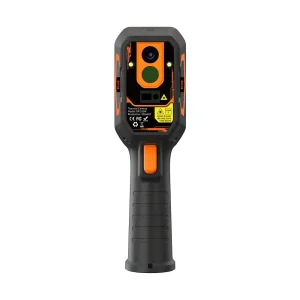
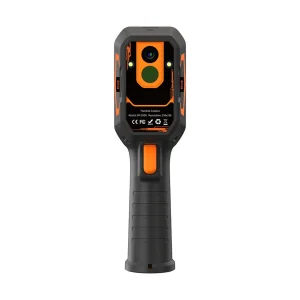
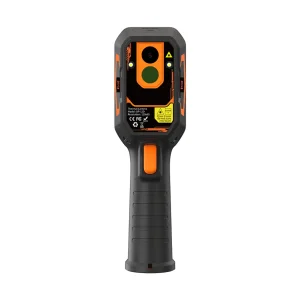
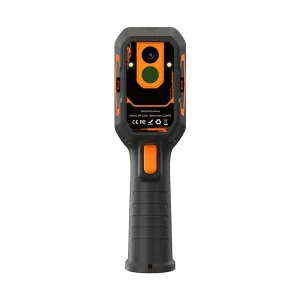
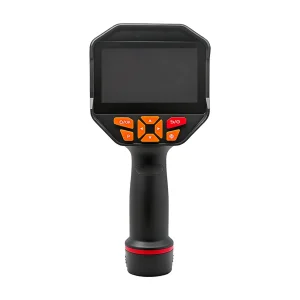
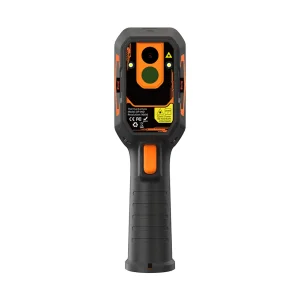
An Analysis of Uncooled Focal Plane Arrays, Radiometric Calibration, and the Shift Toward Dual-Spectrum Fusion Architecture in Predictive Maintenance
In modern industrial engineering, non-contact thermal temperature measurement has evolved from a specialized laboratory diagnostic into an indispensable line of defense for Predictive Maintenance (PdM), building science diagnostics, power grid reliability, and electronic design verification. Handheld thermal imaging guns—often categorized as thermal cameras or thermographic devices—leverage modern uncooled microbolometer focal plane arrays (FPAs) to capture long-wave infrared radiation (LWIR, typically spanning 8 to 14 micrometers) emitted by target objects. By converting radiative flux into real-time 2D thermal maps and assigning precise spot radiometric measurements, these devices allow field engineers to spot thermal anomalies long before physical failure occurs.
As industrial automation accelerates globally, the demand for high-reliability, low-latency, and cost-effective infrared imaging tools has surged. Factors driving this market growth include stringent safety mandates in high-voltage power sub-stations, the global emphasis on energy auditing in civil engineering, and the micro-miniaturization of printed circuit boards (PCBs) where micro-thermal hot spots indicate component breakdown or dielectric failure.
Traditional single-point Infrared Thermometers (IR Guns) calculate temperature based on a single focal spot, offering zero spatial context and averaging temperatures over an expanding distance-to-spot (D:S) ratio. Conversely, modern Infrared Thermal Imaging Guns incorporate multi-pixel array sensors (ranging from 96x96 up to 640x512 pixels), capturing thousands of discrete temperature points simultaneously. This spatial resolution permits instantaneous identification of structural heat distribution, thermal leaks, phase imbalance in electrical distribution boards, and friction-induced overheating in mechanical bearings.
Furthermore, leading hardware suppliers like Shenzhen Dianyang Technology Co., Ltd. have pioneered the integration of Dual-Light Technology (Dual-Spectrum Fusion). By blending visible light optics with raw thermal infrared channels, engineers can overlay thermal gradient contours onto real-world optical outlines. This fusion significantly improves diagnostic speed, enabling non-specialist technicians to pinpoint micro-defects with surgical precision under complex industrial lighting environments.
Key technological pillars shaping next-generation thermal imagers: detector pitch, thermal sensitivity (NETD), and signal processing algorithms.
The industrial transition from 25μm to 12μm pixel pitch allows smaller optical assemblies while packing higher spatial resolution into compact handheld formats. Our FPAs (Vanadium Oxide VOx or Amorphous Silicon a-Si) deliver sharp thermal clarity across diverse spectral bands.
Noise Equivalent Temperature Difference (NETD) defines the smallest detectable thermal variance. Ratings below 40mK ensure high signal-to-noise ratio, enabling detection of subtle insulation leaks, moisture entrapment, and micro-crack heat differentials.
Advanced sensor gain-switching allows seamless scaling from low-temperature building envelopes (-20°C) up to ultra-high industrial process environments (1200°C), critical for metallurgy, glass manufacturing, and power plant diagnostics.
Combining visible camera sensors with IR microbolometers using real-time edge blending algorithms ensures structural clarity. Edge outlines from visible channels are embedded directly into thermal images for instant feature mapping.
Embedded high-speed DSP processing enables real-time auto-tracking of maximum/minimum temperature points, customizable emissivity matrices (0.01 to 0.99), multi-point spot meters, and area-bounded temperature statistical histograms.
Industrial handheld enclosures built to IP54/IP65 ratings, drop-tested to withstand 2-meter impacts onto concrete, and powered by high-capacity Lithium-ion battery packs engineered for extended shift operation.
Comprehensive model selection matrix detailing resolution, spectral response, temperature ranges, and OEM/Wholesale pricing dynamics.
| Model Series | IR Detector Resolution | Temp Measurement Range | NETD Sensitivity | Imaging Modes | Target Applications | Wholesale Quote Tier |
|---|---|---|---|---|---|---|
| DP-64D Series | 640 × 512 Pixels | -20°C to 1200°C | <35 mK | IR, Visible, Fusion, PIP | Smelting, High-Voltage Power Grid, Aerospace | Premium Industrial Tier |
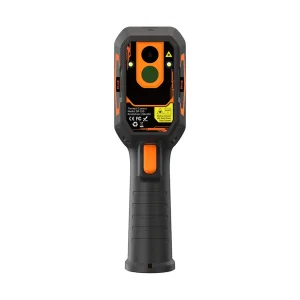
| DP-38D Series | 384 × 288 Pixels | -20°C to 550°C | <40 mK | Dual-Spectrum Fusion | Heavy Machinery, Electrical Maintenance | Professional Enterprise Tier |
| DP-25DR / DP-25DV | 256 × 192 / 512x384 (Interp) | -20°C to 550°C | <45 mK | Dual-Light Technology / Laser | HVAC Auditing, Solar Panel Inspection | Mid-Range Commercial Tier |
| DP-12D / DP-12DV | 120 × 90 Pixels | -20°C to 400°C | <50 mK | Thermal, Visible, Laser Point | Power Line Inspection, Mechanical Motors | Cost-Effective OEM Tier |
| DP-09D Series | 96 × 96 Pixels | -10°C to 300°C | <60 mK | Thermal + Laser Pointer | Basic Facility Maintenance, Automotive Repairs | Entry Level Wholesale Tier |
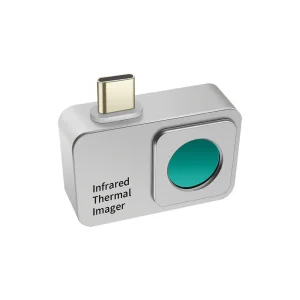
| H1FB Smartphone Series | Plugin Smartphone Module | -20°C to 150°C | <50 mK | Mobile App Thermal Analysis | Mobile Field Operations, Electronics Repair | Consumer / Prosumer Tier |
* Note: Factory direct FOB prices depend on minimum order quantities (MOQ), custom optical lens selections, customized branding, and localized regulatory certification requirements.
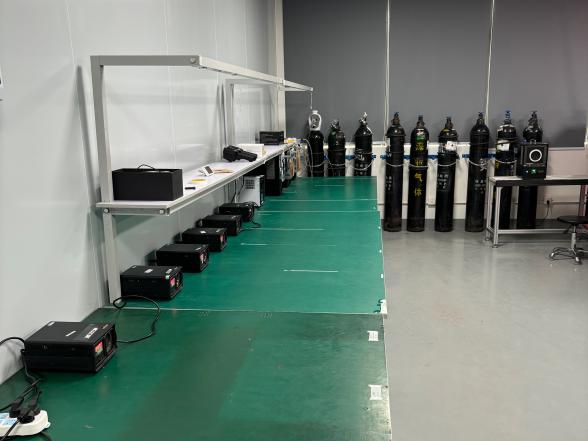
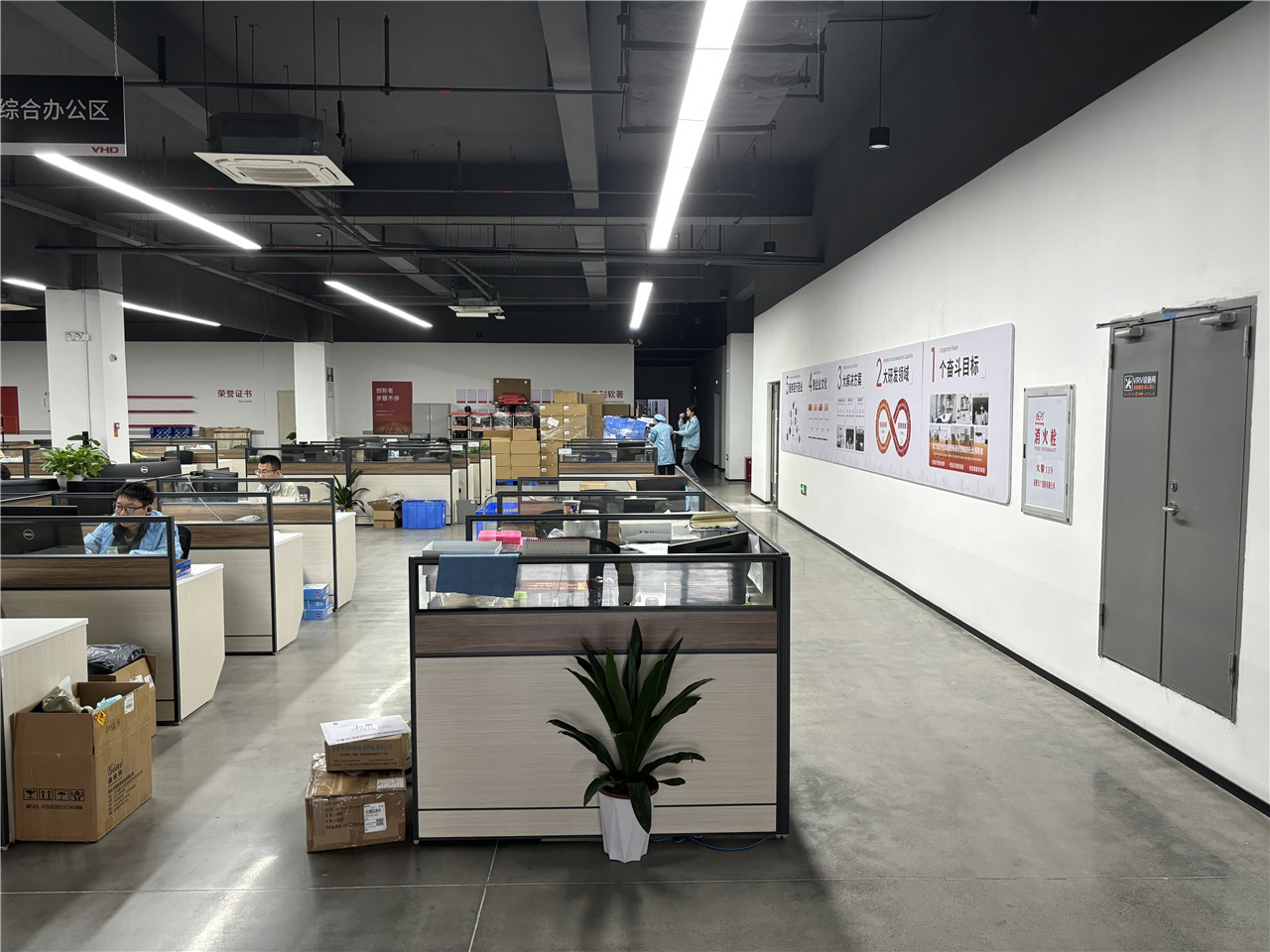
Shenzhen Dianyang Technology Co., Ltd. is a subsidiary of VHD (Shenzhen VHD Technology Co., Ltd.), a publicly listed company on the Shenzhen Stock Exchange. This strategic affiliation gives Dianyang unique access to VHD’s advanced R&D platforms, high-precision manufacturing systems, and rigorous quality management practices—enabling us to deliver thermal imaging products of higher reliability and consistency than typical ODMs.
We specialize in ODM/OEM services for infrared thermal imaging solutions, including handheld thermal imagers, smartphone-connected thermal cameras, thermal analyzers, and thermal imaging telescopes. Our products serve global customers in power inspection, building diagnostics, firefighting, industrial maintenance, and outdoor applications.
Our dedicated engineering team applies Design for Manufacturing (DFM), Design for Testability (DFT), thermal simulation, and EMC pre-compliance analysis to optimize performance and accelerate development. We also support clients in obtaining key international certifications such as CE, FCC, RoHS, REACH, CB, UKCA, KC, and PSE.
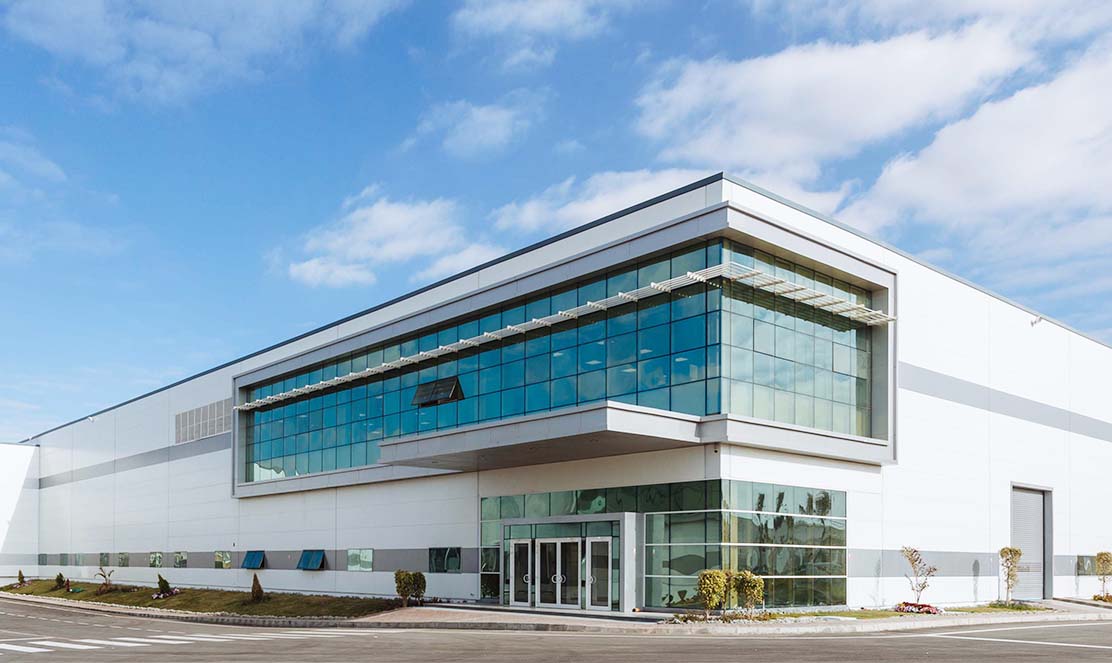
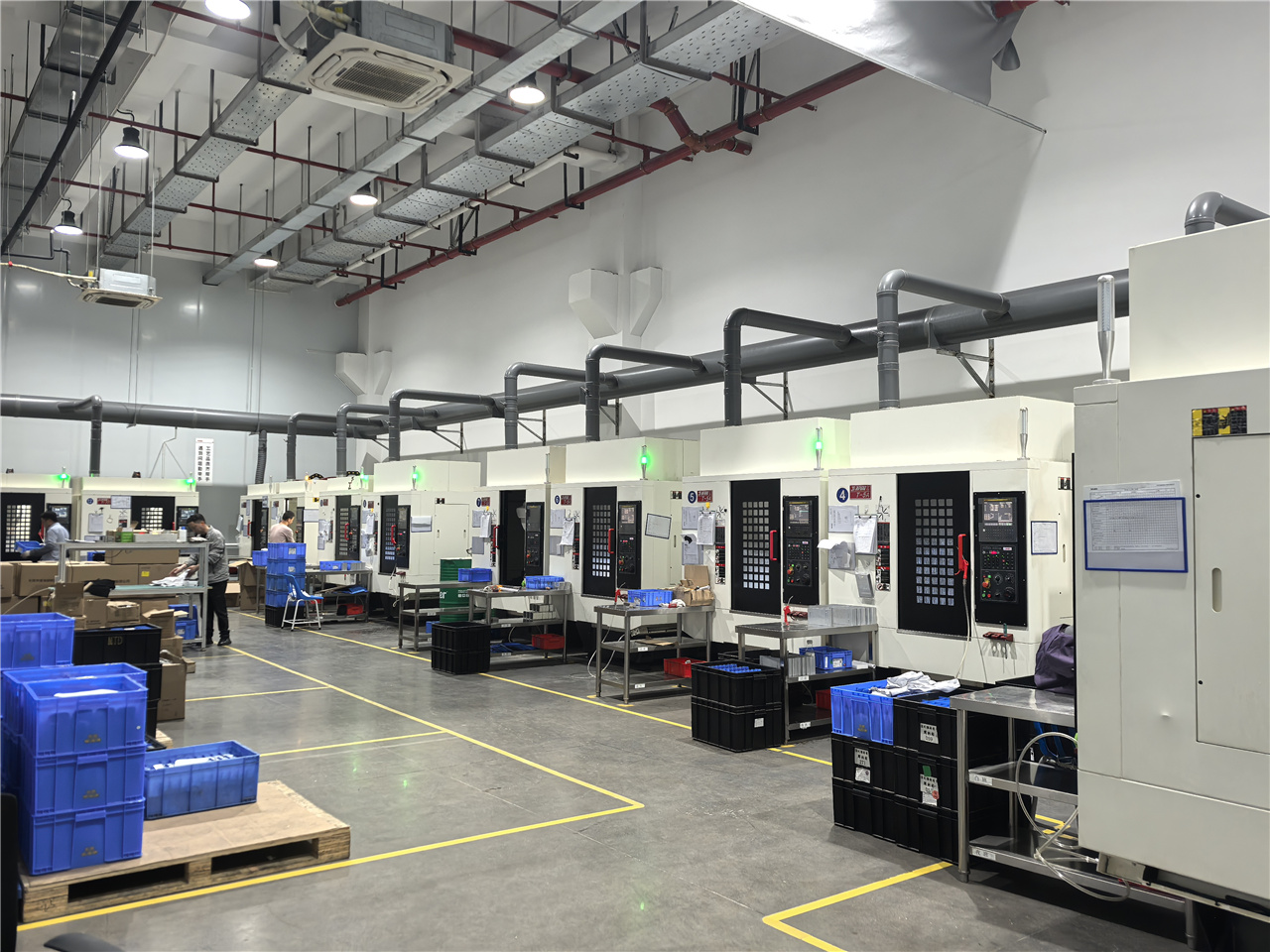

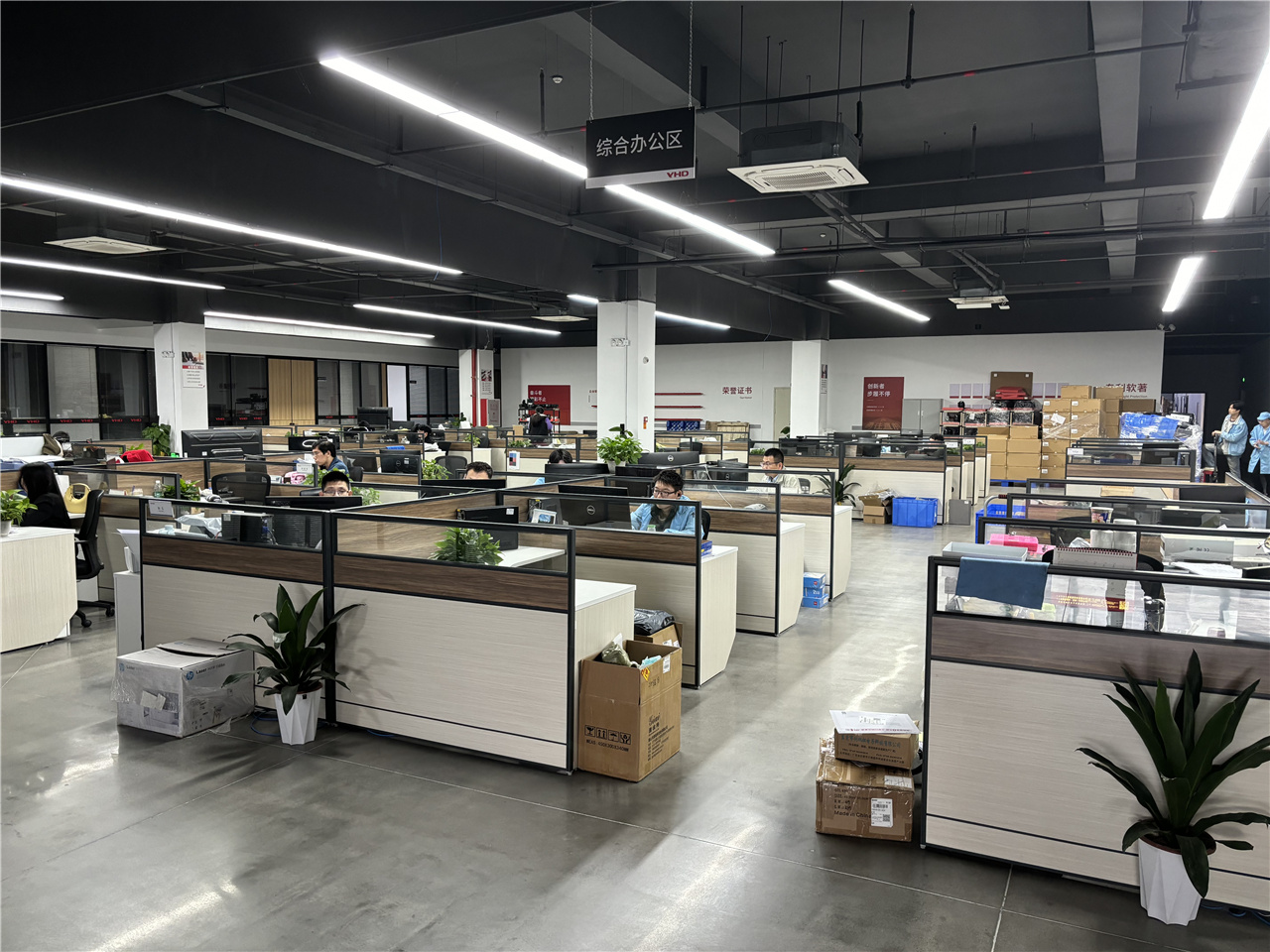
How high-resolution infrared thermal imaging guns drive field efficiency across critical industrial vertical markets globally.
In high-voltage power transmission, contact resistance at busbar joints, switchgears, and transformer bushings generates extreme localized heat. Using high-resolution models like the DP-64D or DP-12DV, line inspectors can scan energized equipment from safe distances, identifying three-phase load imbalances and preventing catastrophic blackouts.
Thermal bridging in modern building facades accounts for up to 30% of energy loss. Thermal imagers quickly reveal thermal insulation voids, structural moisture ingress, hidden underfloor heating pipe leaks, and air duct leaks without destructive wall openings.
During circuit design, micro-scale surface-mount components (SMDs) often experience thermal runaway due to short circuits or trace overload. Thermal cameras connected to benchtop analyzers allow hardware engineers to evaluate heat dissipation layouts and verify thermal pad effectiveness in real time.
Friction caused by bearing degradation, shaft misalignment, or inadequate lubrication instantly shows up as abnormal heating zones on thermal images. Routine scans allow plant engineers to schedule targeted maintenance during planned downtime, preventing total line stoppages.
In high-temperature manufacturing involving refractory linings, glass forming, or continuous casting, thermal imagers rated up to 1200°C provide continuous spatial temperature feedback, protecting machinery structural integrity.
Thermal vision penetrates smoke-filled rooms, identifying hot spots inside walls during overhaul operations and locating victims quickly based on body heat signatures in zero-visibility scenarios.
Why leveraging Shenzhen's optical-electronic manufacturing hub creates unprecedented cost-to-performance advantages for international OEMs.
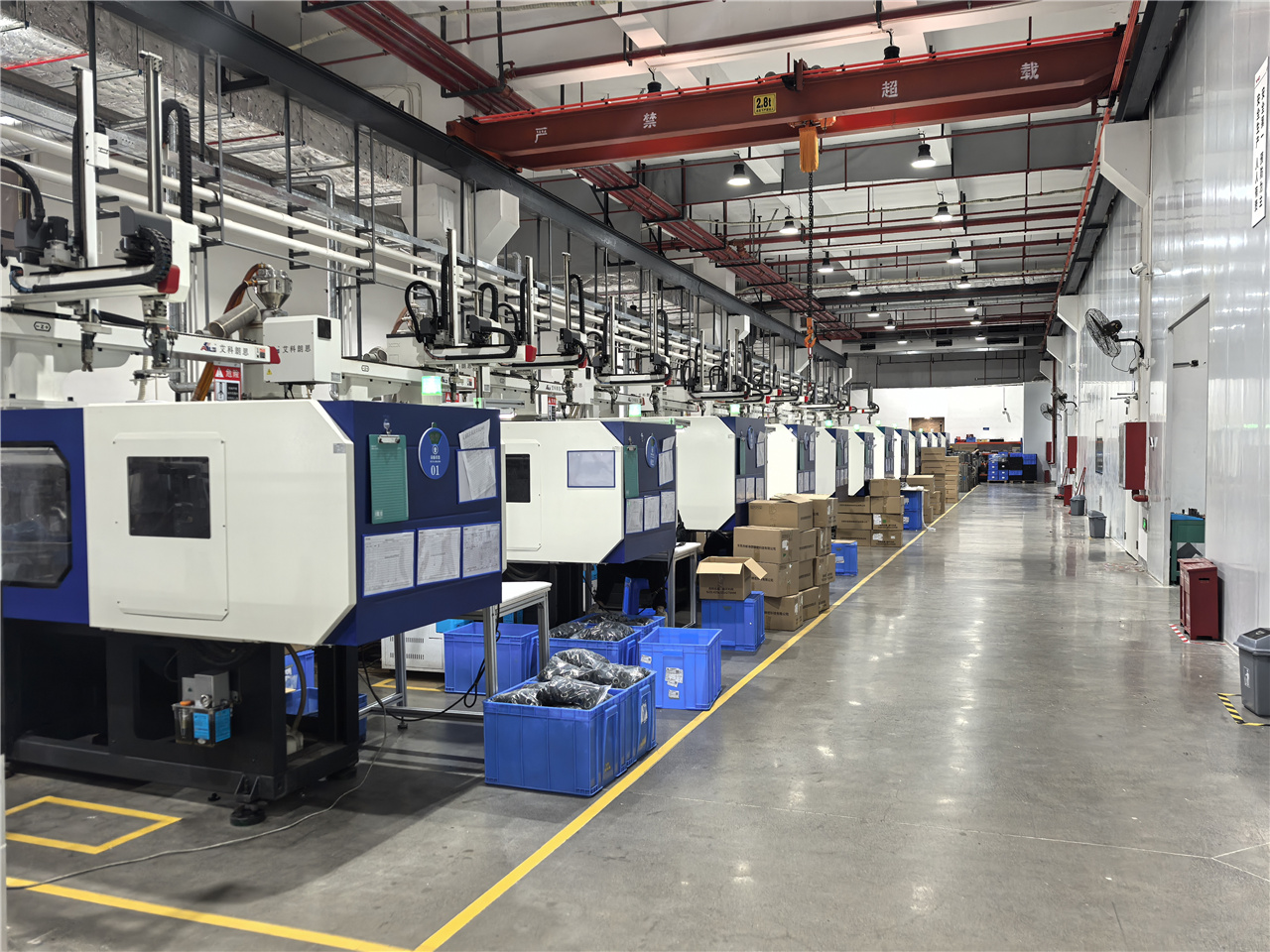
Shenzhen, China stands as the global epicenter of optoelectronic hardware development. By anchoring our production within this high-density industrial ecosystem, Shenzhen Dianyang Technology Co., Ltd. streamlines every step of thermal camera fabrication—from raw Chalcogenide/Germanium optical lens grinding to automated SMT microbolometer mounting and precision blackbody calibration.
Direct supply agreements for optical-grade Germanium lenses and high-transmittance antireflective coatings guarantee superior infrared transmission across the LWIR 8-14μm spectrum at competitive cost structures.
Our Design for Manufacturing (DFM) and Design for Testability (DFT) practices ensure high yield rates during mass assembly, eliminating structural defects and lowering unit costs for enterprise buyers.
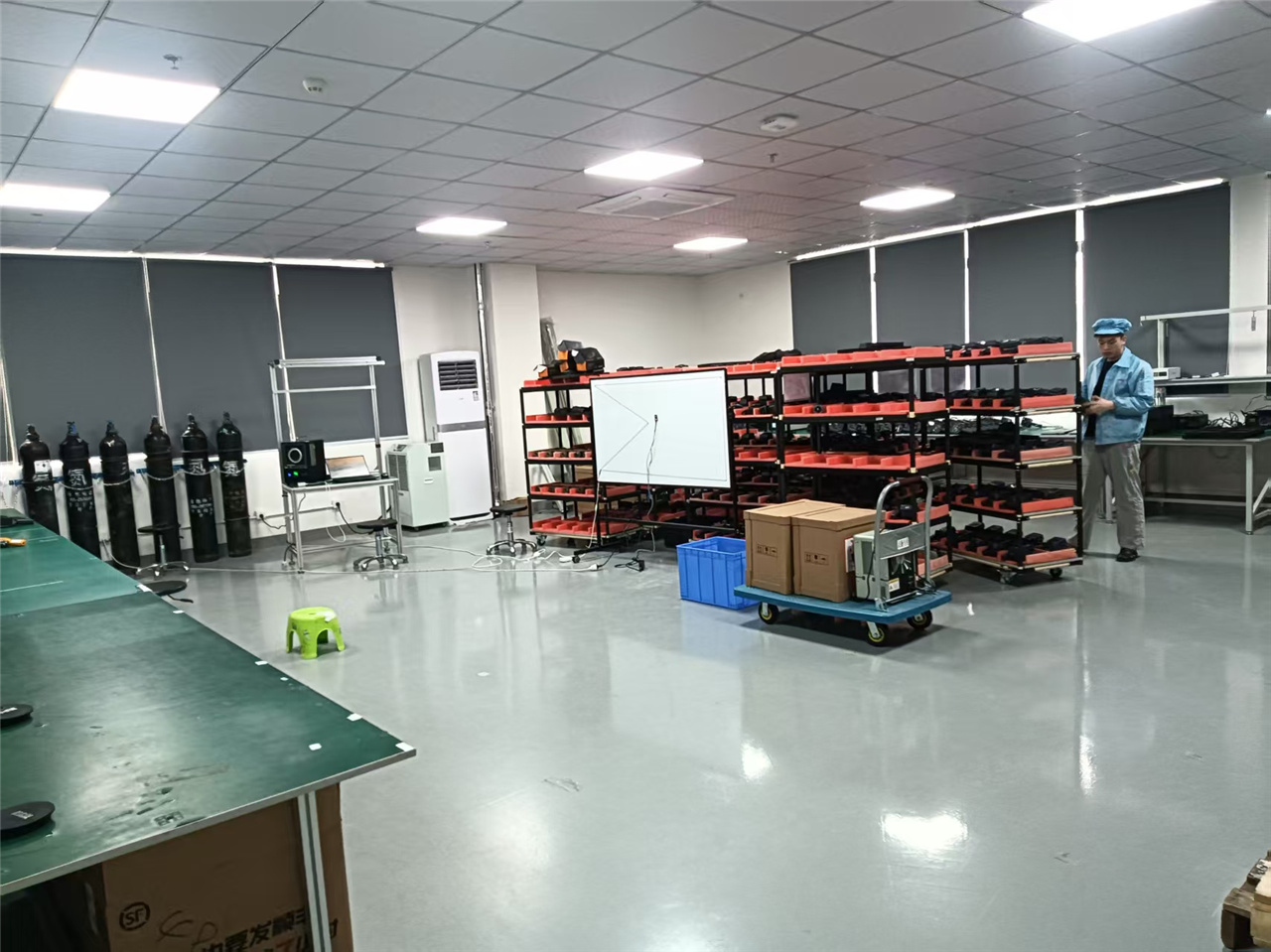
Every handheld thermal gun undergoes rigorous multi-temperature chamber calibration against NIST-traceable blackbody radiators, ensuring radiometric temperature accuracy of ±2°C or ±2% across wide operating conditions.
Explore additional OEM/ODM models, mobile phone thermal cameras, and specialized high-temperature diagnostic devices.
Ensuring seamless international distribution through rigorous global certifications and localized technical backup.
Exporting high-precision electronic equipment demands strict adherence to destination market regulations. Dianyang Technology assists distributors and brand partners worldwide by delivering fully compliant products backed by comprehensive documentation.
Technical answers to common engineering, procurement, and field measurement inquiries.
A traditional spot IR thermometer measures the average temperature of a single region, providing only one numeric output with zero spatial awareness. In contrast, an infrared thermal imaging gun features a multi-pixel microbolometer array (e.g., 256x192 or 640x512 pixels), capturing tens of thousands of individual temperature points simultaneously to generate a complete visual heat map of thermal patterns and anomalies.
NETD indicates the detector's thermal sensitivity, representing the smallest temperature difference the camera can resolve before thermal noise interferes. A lower NETD value (e.g., <35mK or <40mK) signifies a more sensitive detector capable of discerning extremely subtle thermal variations, essential for moisture detection, building diagnostics, and early-stage circuit board heat troubleshooting.
Dual-Spectrum Fusion overlays structural outlines captured by a visible-light optical camera onto the thermal image stream. This allows technicians to immediately identify component labels, wiring numbers, and equipment boundaries that might otherwise appear blurry or featureless on a pure thermal view.
Yes. Backed by publicly listed parent company VHD, Dianyang Technology provides comprehensive OEM/ODM engineering services. We support custom housing designs, tailored optical lens configurations, custom software/app branding, localized user interfaces, and specialized firmware algorithms for unique industrial applications.
Emissivity measures a material's capacity to emit infrared energy relative to a perfect blackbody (scale from 0.01 to 1.0). Shiny metals like polished aluminum have low emissivity (~0.05), reflecting surrounding thermal radiation, whereas matte black surfaces have high emissivity (~0.95). Dianyang thermal cameras offer adjustable emissivity settings and compensation lookup tables to ensure absolute measurement accuracy across varied target materials.
Our core product lineup complies with major international market regulations, possessing CE, FCC, RoHS, REACH, CB, UKCA, KC, and PSE certifications. Every unit undergoes rigorous quality testing and NIST-traceable blackbody calibration prior to international shipment.
 Dianyang