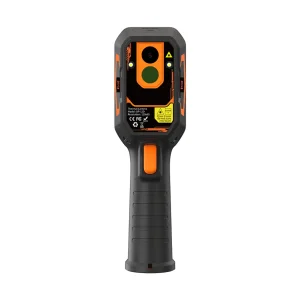
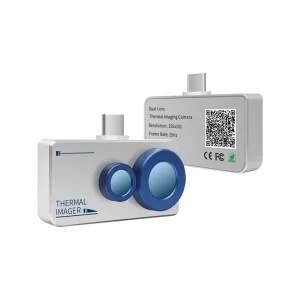
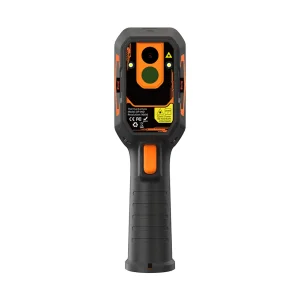
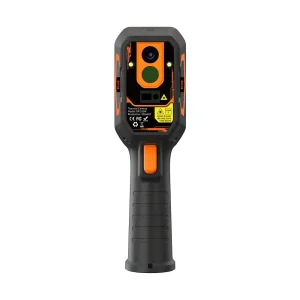
Explore high-performance handheld thermal cameras, smartphone attachments, and high-resolution modules available for global enterprise procurement.
Analysis of the global Thermal Imaging Camera (TIC) market, microbolometer cost deflation, and the shift from niche military hardware to accessible industrial diagnostic tools.
The transition from Cooled Quantum Well Infrared Photodetectors (QWIP) to Uncooled Vanadium Oxide (VOx) microbolometers has dramatically lowered production costs. Modern 12μm pixel pitch sensors enable compact optical designs while maintaining exceptional thermal sensitivity below 40mK NETD, empowering discount factory pricing without compromising radiometric integrity.
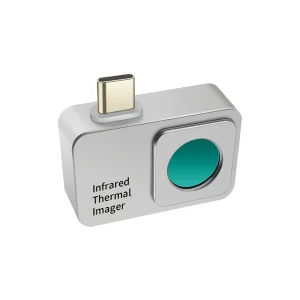
Smartphones are transforming into full-featured thermal analyzers. Compact plug-and-play accessories leveraging USB-C and Lightning interfaces deliver instant thermographic capabilities for HVAC technicians, field electricians, and building inspectors, driving massive volume adoption and lower unit costs across international markets.
Modern TIC hardware is no longer just an imaging device; it functions as an intelligent edge sensor. Autonomous temperature measurement algorithms, automatic hot-spot tracking, and real-time radiometric cloud syncing provide actionable predictive maintenance data, preventing catastrophic electrical breakdowns and operational downtime.
Understanding the engineering specifications that dictate signal-to-noise ratio, spatial resolution, dynamic temperature ranges, and optical focal lengths.
| Parameter Class | Entry-Level Diagnostic (e.g., DP-09D/DP-12D) | Mid-Tier Professional (e.g., DP-25D/H2F6B) | High-End Industrial (e.g., DP-64D/DP-25DV) |
|---|---|---|---|
| Detector Resolution | 96×96 / 120×90 pixels | 256×192 pixels | 512×384 / 640×512 pixels |
| Spectral Range | 8 ~ 14 μm (LWIR) | 8 ~ 14 μm (LWIR) | 8 ~ 14 μm (LWIR High-Transmittance) |
| NETD Sensitivity | < 60 mK @ 25°C | < 50 mK @ 25°C | < 35 mK @ 25°C |
| Temperature Range | -20°C to 350°C | -20°C to 550°C | -20°C to 1200°C (Extended Range) |
| Optical Fusion & Fusion Mode | Thermal / Laser Pointer | Dual-Spectrum Fusion (Visible + Thermal) | Picture-in-Picture, Multispectral Dynamic Imaging |
| Target Applications | Basic HVAC, Quick PCB Checks | Facility Maintenance, Electrical Panels | Heavy Utility Grids, High-Temp Furnaces |
NETD represents the smallest temperature difference that the thermal camera can detect. Rated in millikelvins (mK), lower values signify vastly superior thermal resolution. A camera with an NETD of <35mK can distinguish minute temperature gradients across circuit traces or structural insulation failures that cheaper sensors completely miss. Our factory production utilizes rigorous dark-current noise filtering and blackbody calibration standardizing high-yield sensor assembly.
Instantaneous Field of View (IFOV) defines the spatial resolution of a single pixel at a specific distance. High-precision optical Germanium (Ge) lenses are critical for high LWIR light transmission. Paired with custom focal length arrangements, our cameras allow long-range electrical utility pole diagnostics without placing human operators in high-voltage danger zones.
How direct manufacturer partnerships reduce capital expenditure (CapEx) while mitigating long-term operational risk for equipment distributors and enterprise buyers.
By purchasing direct from China OEM/ODM suppliers like Shenzhen Dianyang Technology, distributors bypass 40-60% middleman markups. Direct factory pricing allows bulk buyers to equip large field teams with high-resolution TICs at fractional cost compared to traditional Western brands.
Integrating DFM and DFT (Design for Testability) practices into early R&D ensures standardized components, lowering failure rates, shortening manufacturing lead times, and driving down long-term spare-parts inventory overhead for global distributors.
Industrial thermal equipment requires predictable firmware support and recalibration cycles. Direct manufacturer warranties, localized calibration centers, and modular component replacements minimize total cost of ownership (TCO) across 5-10 year device lifecycles.
Deploying thermal imaging cameras across key global sectors to optimize predictive maintenance, energy efficiency, and safety compliance.
High-voltage electrical switchgear, transformers, and distribution lines experience resistive heating prior to physical failure. Utilizing handheld thermal imagers such as the DP-64D (640x512) or DP-25DR, utility technicians inspect live connections from safe distances. Infrared radiometric imaging identifies loose terminal lugs, phase imbalances, and insulator breakdowns in real-time, averting unplanned multi-million dollar power outages.
Printed Circuit Board (PCB) designers utilize compact smartphone thermal modules like the H2F6B (256x192) to perform micro-thermography on surface-mount components, power ICs, and voltage regulators. High frame rates and micro lenses isolate localized thermal throttling issues, validating cooling heatsink efficiency prior to mass production runs.
Thermal leaks, missing insulation, moisture ingress, and defective HVAC ducting contribute to massive energy losses in commercial real estate. Non-invasive thermal camera inspections locate hidden moisture pockets behind drywall and verify structural airtightness, fulfilling strict green building code standards (LEED, BREEAM).
In smoke-filled environments or pitch-black operational conditions, TICs parse long-wave infrared radiation emitted by human bodies and structural fire hot-spots. Ruggedized thermal cameras with high thermal sensitivity allow emergency responders to navigate zero-visibility hazards quickly and securely.
Unmatched engineering heritage, publicly listed corporate backing, and high-precision OEM/ODM thermal imaging manufacturing capabilities.
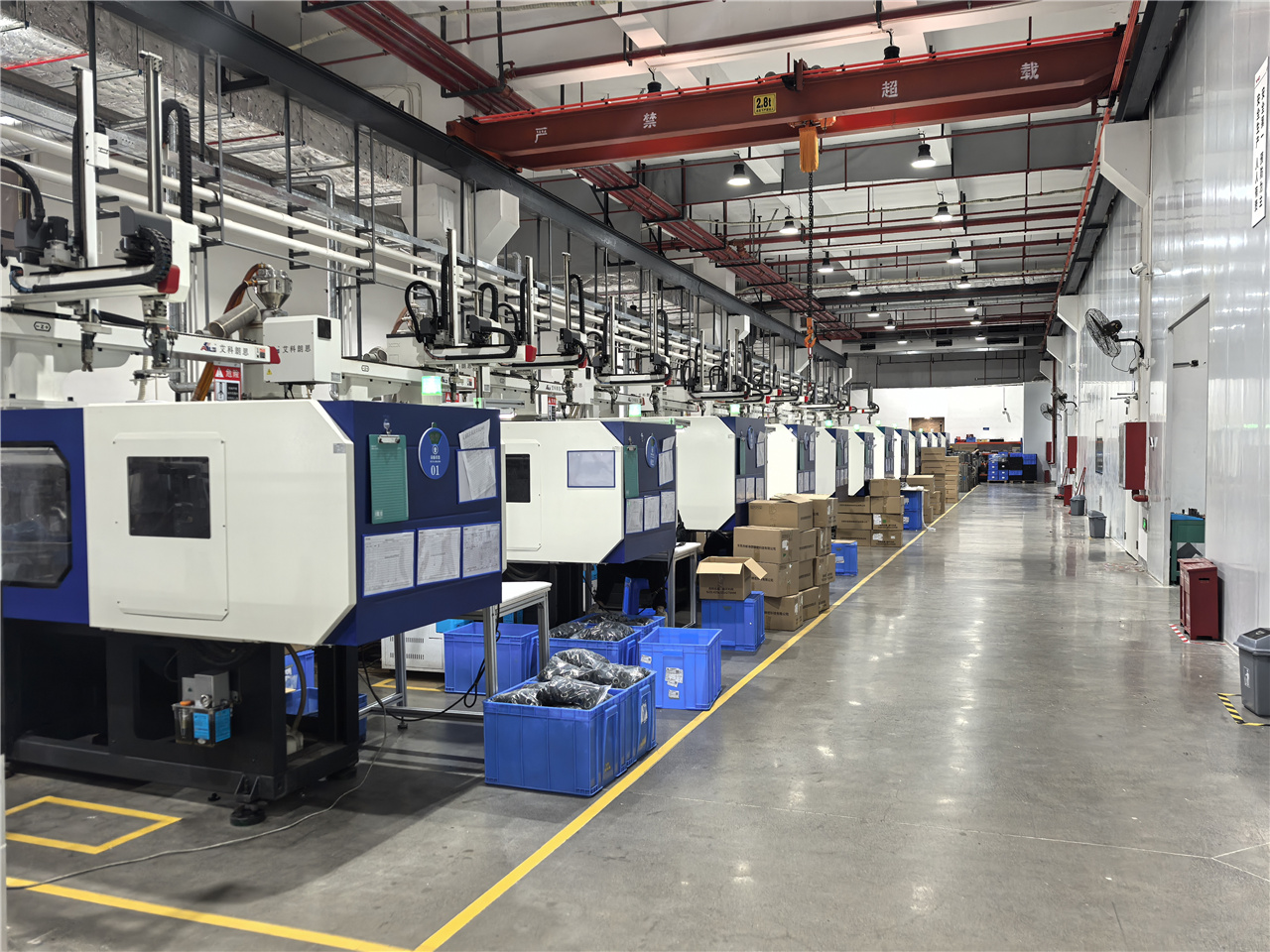
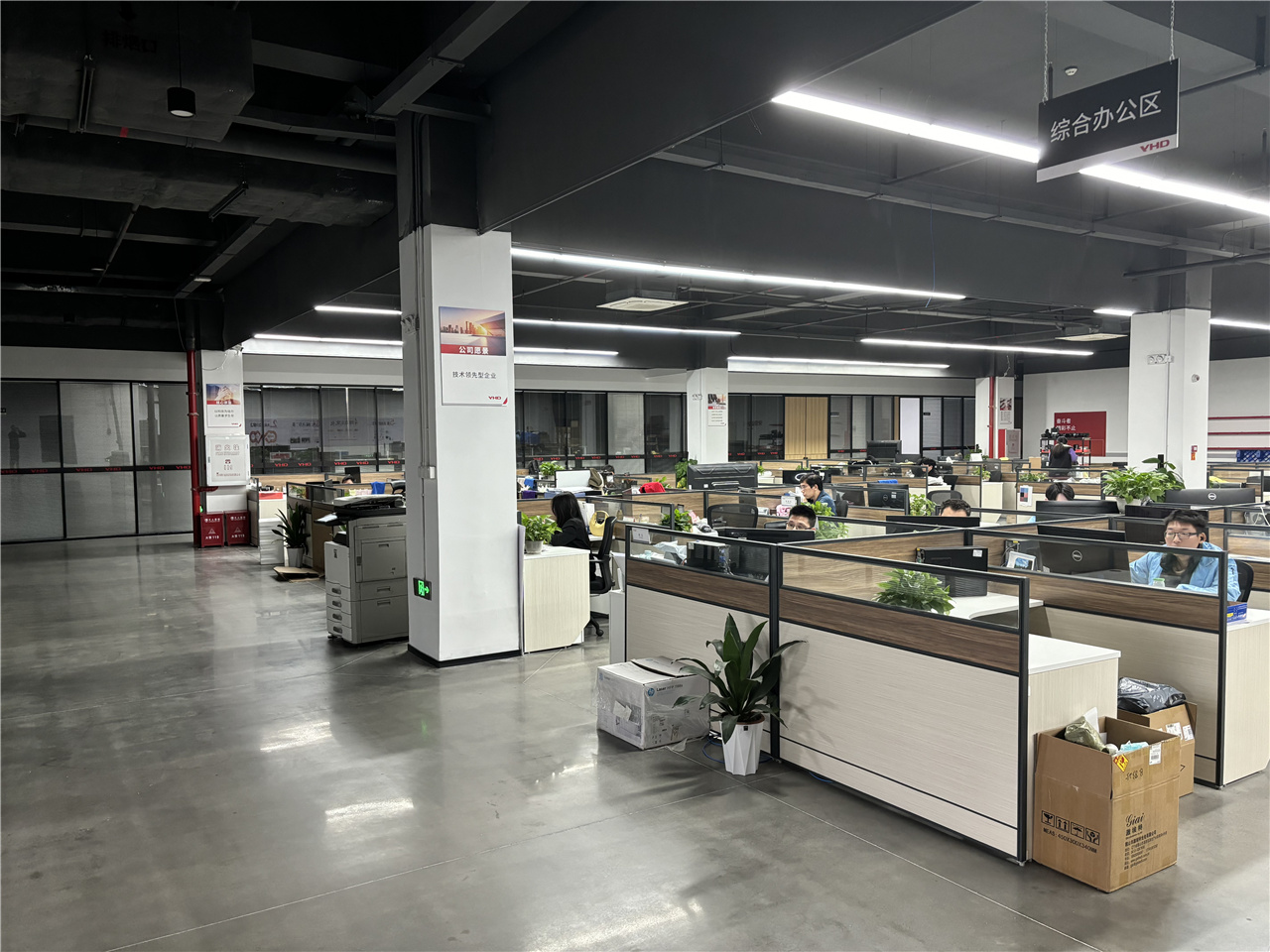
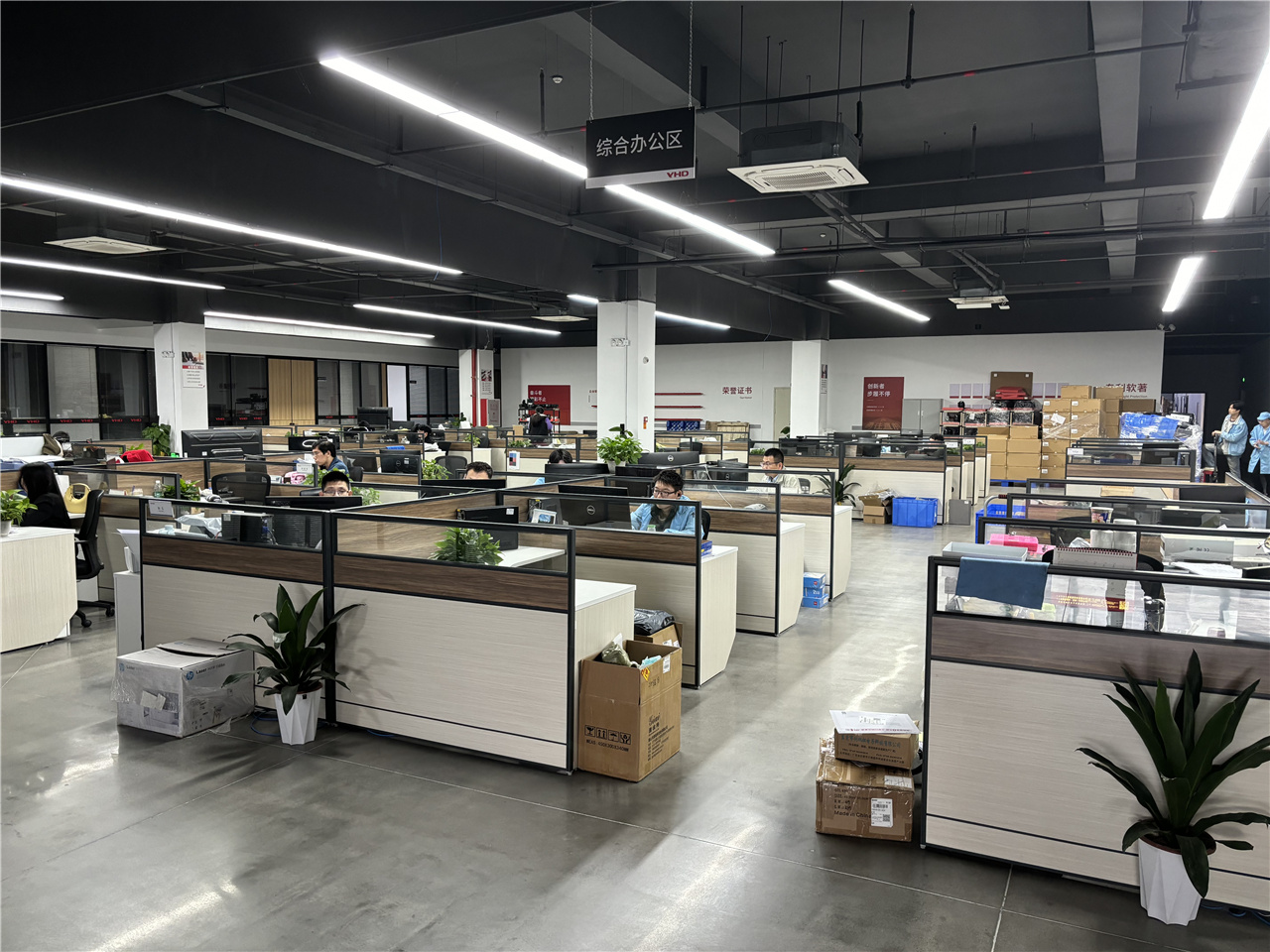
Shenzhen Dianyang Technology Co., Ltd. is a subsidiary of VHD (Shenzhen VHD Technology Co., Ltd.), a publicly listed company on the Shenzhen Stock Exchange. This strategic affiliation gives Dianyang unique access to VHD’s advanced R&D platforms, high-precision manufacturing systems, and rigorous quality management practices—enabling us to deliver thermal imaging products of higher reliability and consistency than typical ODMs.
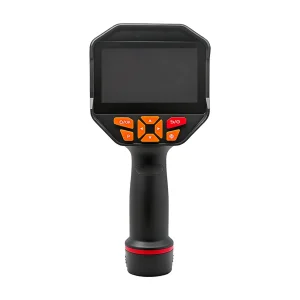
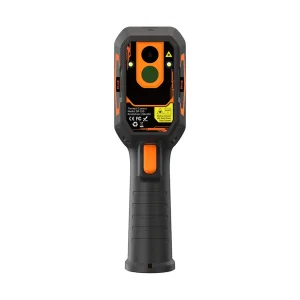
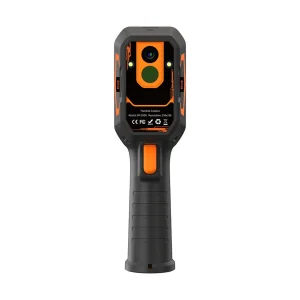
We specialize in ODM/OEM services for infrared thermal imaging solutions, including handheld thermal imagers, smartphone-connected thermal cameras, thermal analyzers, and thermal imaging telescopes. Our products serve global customers in power inspection, building diagnostics, firefighting, industrial maintenance, and outdoor applications.
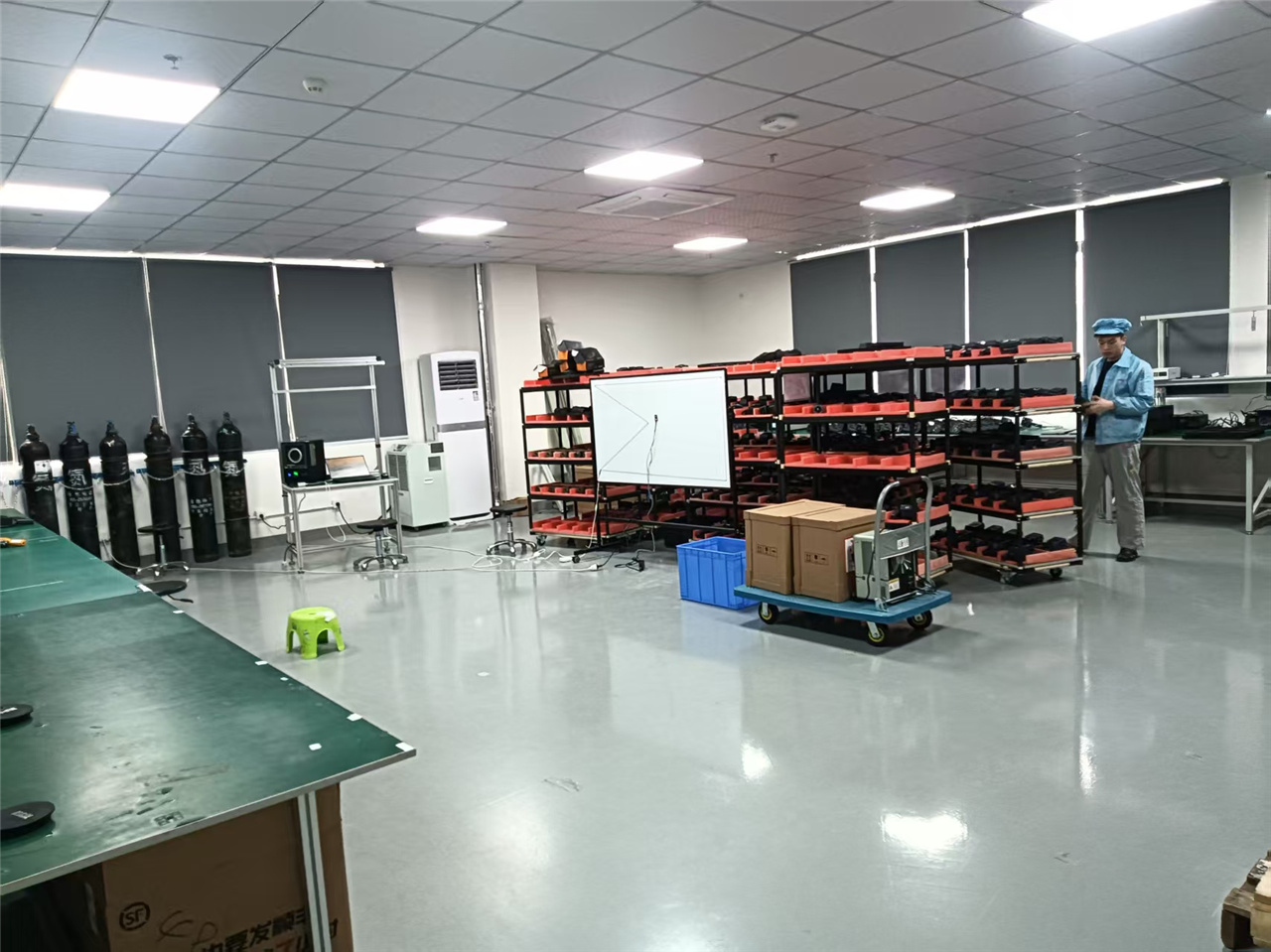
Our dedicated engineering team applies Design for Manufacturing (DFM), Design for Testability (DFT), thermal simulation, and EMC pre-compliance analysis to optimize performance and accelerate development. We also support clients in obtaining key certifications such as CE, FCC, RoHS, REACH, CB, UKCA, KC, and PSE.
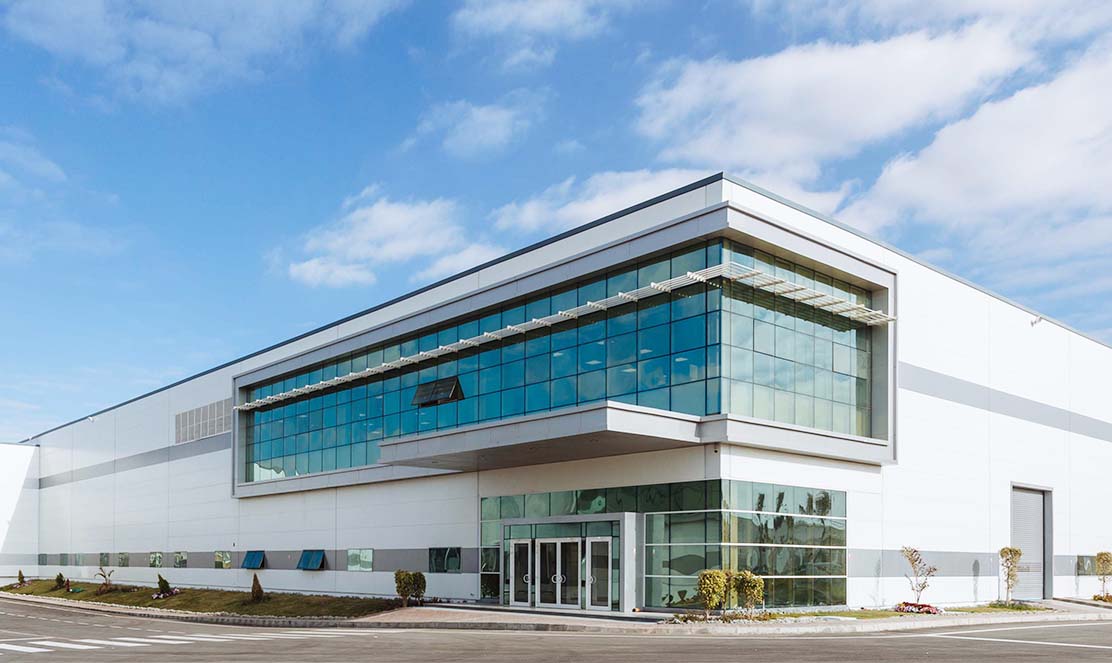
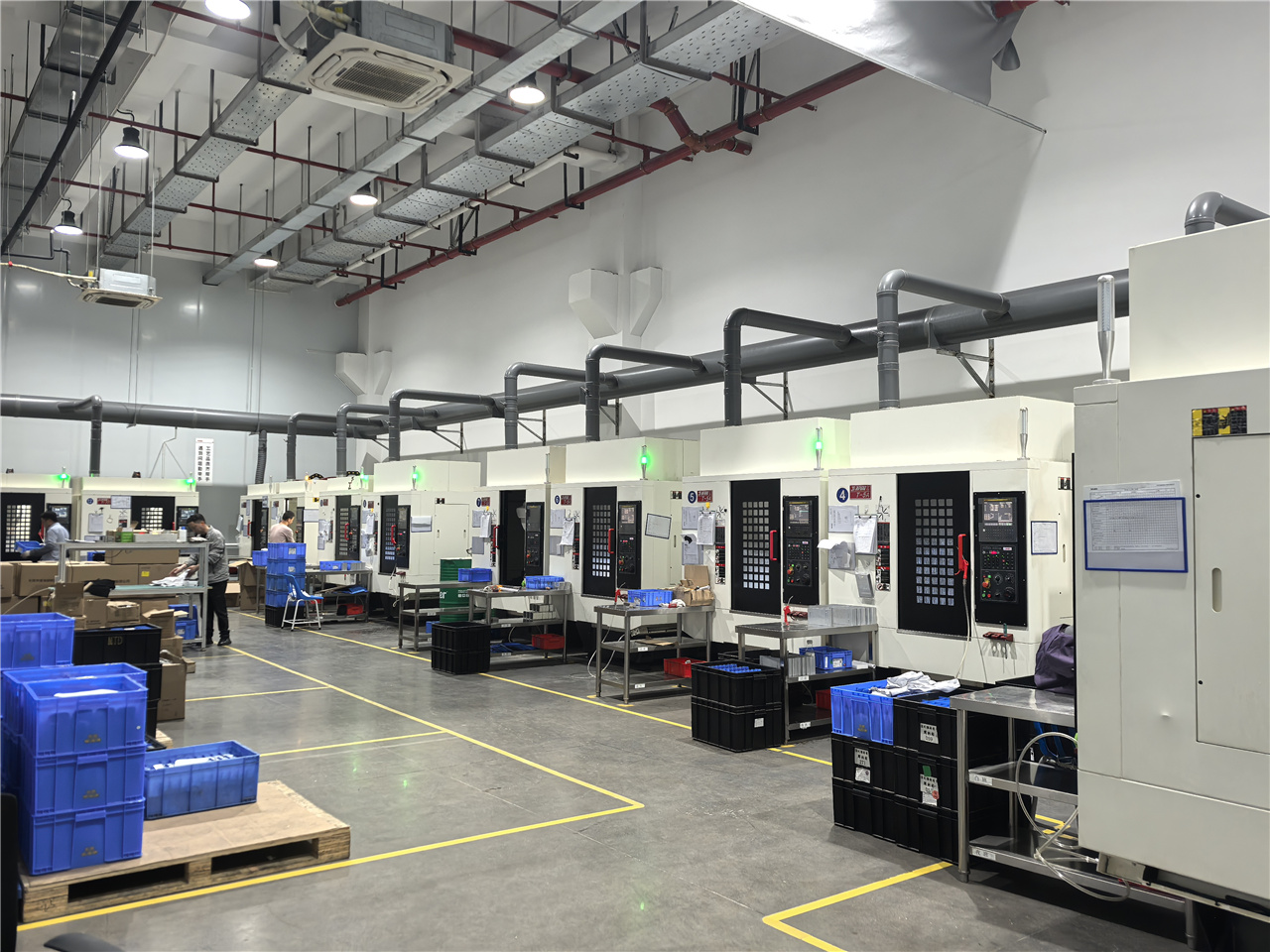
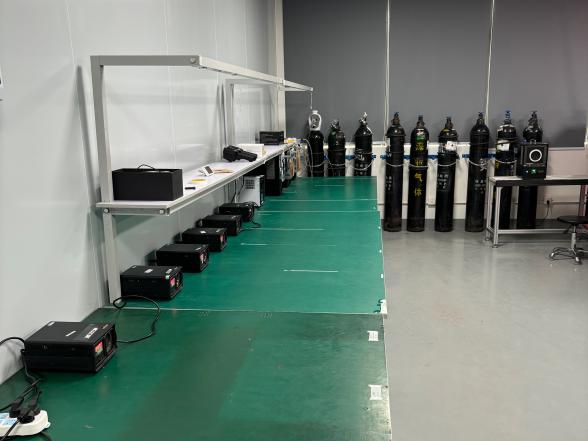
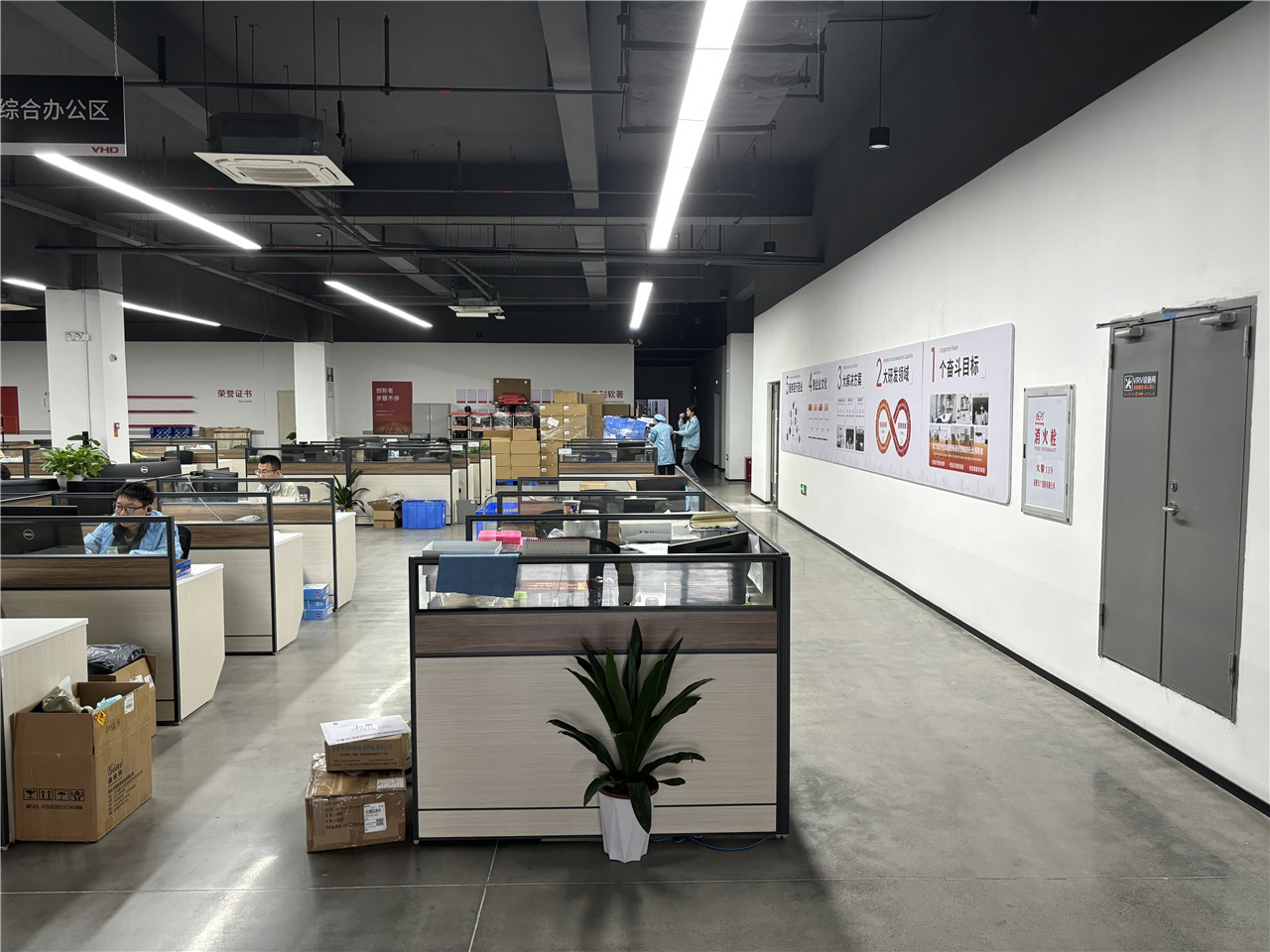
Ensuring seamless international distribution through complete regulatory alignment and dedicated technical service SLAs.
Navigating global compliance is seamless with Dianyang. Our product lines fully comply with mandatory regional certifications, including CE (Europe), FCC (USA), RoHS, REACH, CB, UKCA (United Kingdom), KC (Korea), and PSE (Japan), safeguarding distributors against customs delays and compliance liabilities.
Every thermal imaging camera undergoes multi-stage automated temperature calibration using high-precision blackbody sources across its full operating spectrum (-20°C to 550°C/1200°C). Thermal drift compensation algorithms are embedded into hardware EEPROMs for long-term measurement consistency.
We empower brand partners with custom firmware branding, localized SDK integrations (Android/iOS/Windows), customized physical housing designs, localized user manuals, and fast-track RMA repair channel support in primary target markets.
Next-generation thermal imaging breakthroughs engineered to revolutionize industrial inspection and smart monitoring.
Future sensor iterations will shrink detector pitch from 12μm down to 8μm, allowing quadrupled resolution on smaller silicon dies. This yields ultra-compact optics with unprecedented spatial clarity at significantly lower discount unit costs.
Combining LWIR thermal sensors with visible RGB cameras, acoustic gas leak detection sensors, and LiDAR spatial mapping creates comprehensive multi-modal diagnostic systems operating synchronously via AI edge processors.
Next-gen handheld thermal imagers will incorporate integrated 5G/Wi-Fi 7 modules, streaming full radiometric video data directly to cloud platforms for remote expert analysis and instant machine-learning anomaly categorization.
Select high-resolution and specialized infrared equipment direct from China OEM/ODM suppliers.
Expert technical answers addressing key considerations when purchasing thermal imaging cameras from China factory suppliers.
 Dianyang