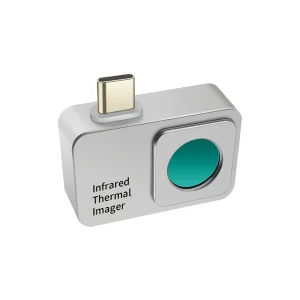
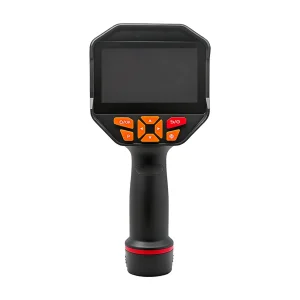
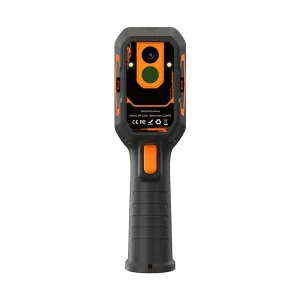
Explore our flagship OEM/ODM infrared thermography devices engineered for high-precision building envelope inspection, moisture tracing, and electrical audit compliance.
In contemporary property management, building envelope diagnostics, and energy auditing, non-destructive testing (NDT) has evolved from a premium service into a regulatory baseline. Infrared thermography (IRT) stands at the forefront of this transformation. Commercial and residential property inspectors require high-sensitivity radiometric equipment capable of detecting minimal delta-T (ΔT) fluctuations to diagnose concealed moisture intrusion, structural thermal bridging, missing insulation, and premature electrical switchgear degradation.
However, procuring commercial-grade thermal cameras for house inspection services presents a persistent market dilemma: balancing high optical spatial resolution and low Noise Equivalent Temperature Difference (NETD) against prohibitive capital expenditure. Traditional Western thermal imaging brands often pass heavy overhead costs onto buyers, charging significant premiums for modest resolution steps. This economic reality has accelerated global interest in direct-from-factory quotes and strategic OEM/ODM partnerships with leading Asian thermal hardware manufacturers.
Whether deployed for residential home inspections, multi-family commercial diagnostics, or municipal energy compliance audits, choosing the right infrared hardware infrastructure dictates an engineering firm’s operational ROI, reporting accuracy, and field diagnostics speed.
To evaluate house inspection thermal camera quotes effectively, procurement officers and senior inspectors must understand the core optoelectronic metrics that govern building diagnostics. A camera's capacity to reveal hidden moisture or air leakage relies entirely on its sensor design, spectral range, and optical setup.
Noise Equivalent Temperature Difference (NETD) measures the minimum temperature differential the sensor can resolve before signal noise interferes. Expressed in millikelvins (mK):
Dianyang's DP-64D and DP-25 series leverage uncooled Vanadium Oxide (VOx) microbolometers achieving NETD < 40mK, ensuring faint thermal patterns are never missed.
Sensor resolution dictates the total pixel matrix across the target plane. Instantaneous Field of View (IFOV) defines spatial sharpness per pixel:
Higher spatial resolution allows inspectors to safely measure small structural components or roof sections from distance without degrading measurement accuracy.
Pure thermal images can sometimes lack structural context. Dual-light technology blends a visible-light digital image with the infrared heatmap:
Our DP-25DR and DP-12DV cameras integrate dual-light fusion to streamline client report generation.
| Thermal Camera Series | IR Resolution | Spectral Range | NETD Sensitivity | Temperature Range | Target House Inspection Use Case |
|---|---|---|---|---|---|
| DP-64D Series | 640×512 VOx | 8 – 14 μm | < 35 mK | -20°C to 1200°C | Industrial roofing, commercial building envelope, large-scale solar audits |
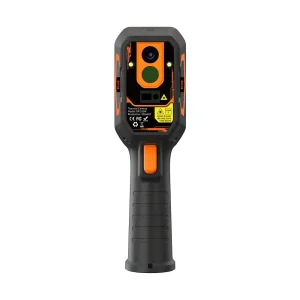
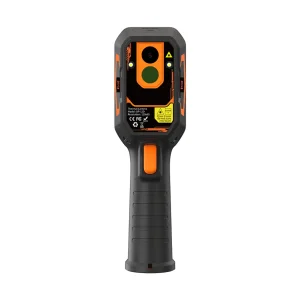
| DP-25DV / DP-25DR | 256×192 VOx | 8 – 14 μm | < 40 mK | -20°C to 550°C | Standard home inspection, HVAC duct leakage, moisture intrusion detection |
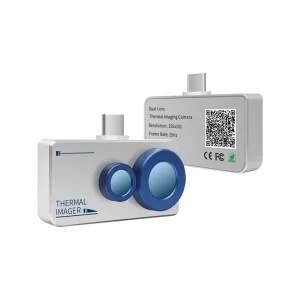
| H2F6B Smartphone Imager | 256×192 VOx | 8 – 14 μm | < 40 mK | -20°C to 350°C | Ultra-portable residential triage, rapid contractor quotes, plumbing trace |
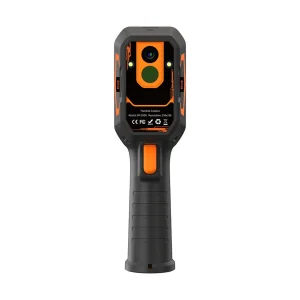
| DP-12D / DP-12DV | 120×90 VOx | 8 – 14 μm | < 50 mK | -20°C to 550°C | Budget-conscious home inspections, basic electrical panel diagnostics |
Thermal cameras translate complex heat transfer mechanics—conduction, convection, and radiation—into intuitive visual diagnostic data. Here is how Dianyang’s high-precision thermal cameras excel across critical house inspection scenarios.
Insulation gaps or settles over time, creating thermal bridges that elevate heating and cooling expenses. In compliance with ASTM C1060 standards, thermographers capture interior and exterior thermal patterns under differential temperature conditions (ΔT ≥ 10°C).
Dianyang thermal cameras accurately identify missing fiberglass batts, settled spray foam gaps, and uninsulated wall cavities, giving inspectors proof to support remediation quotes.
Water intrusion degrades building structures and fosters mold growth. Moist drywall or ceiling materials exhibit high thermal capacitance and evaporative cooling effects, making wet areas appear distinctly cooler than surrounding dry materials.
With sub-40mK thermal sensitivity, our handheld imagers (such as the DP-25DR) map subtle moisture patterns behind plaster and under flat roofing membranes before visible water stains appear.
Loose terminal connections, corroded breakers, and overloaded electrical circuits increase electrical resistance, generating localized friction heat (I²R losses). Left unchecked, these hot spots present fire hazards.
Using radiometric high-resolution cameras, inspectors quickly perform non-contact temperature readings on main distribution boards, identifying high-risk circuits for prompt maintenance.
Air leaks around window frames, attic access doors, and ductwork connections increase energy consumption. Combining thermal imaging with blower door depressurization tests rapidly highlights cold-air infiltration ingress points.
Inspectors can also verify HVAC supply-versus-return differential temperatures and detect hidden duct fractures concealed within subfloors or ceiling soffits.
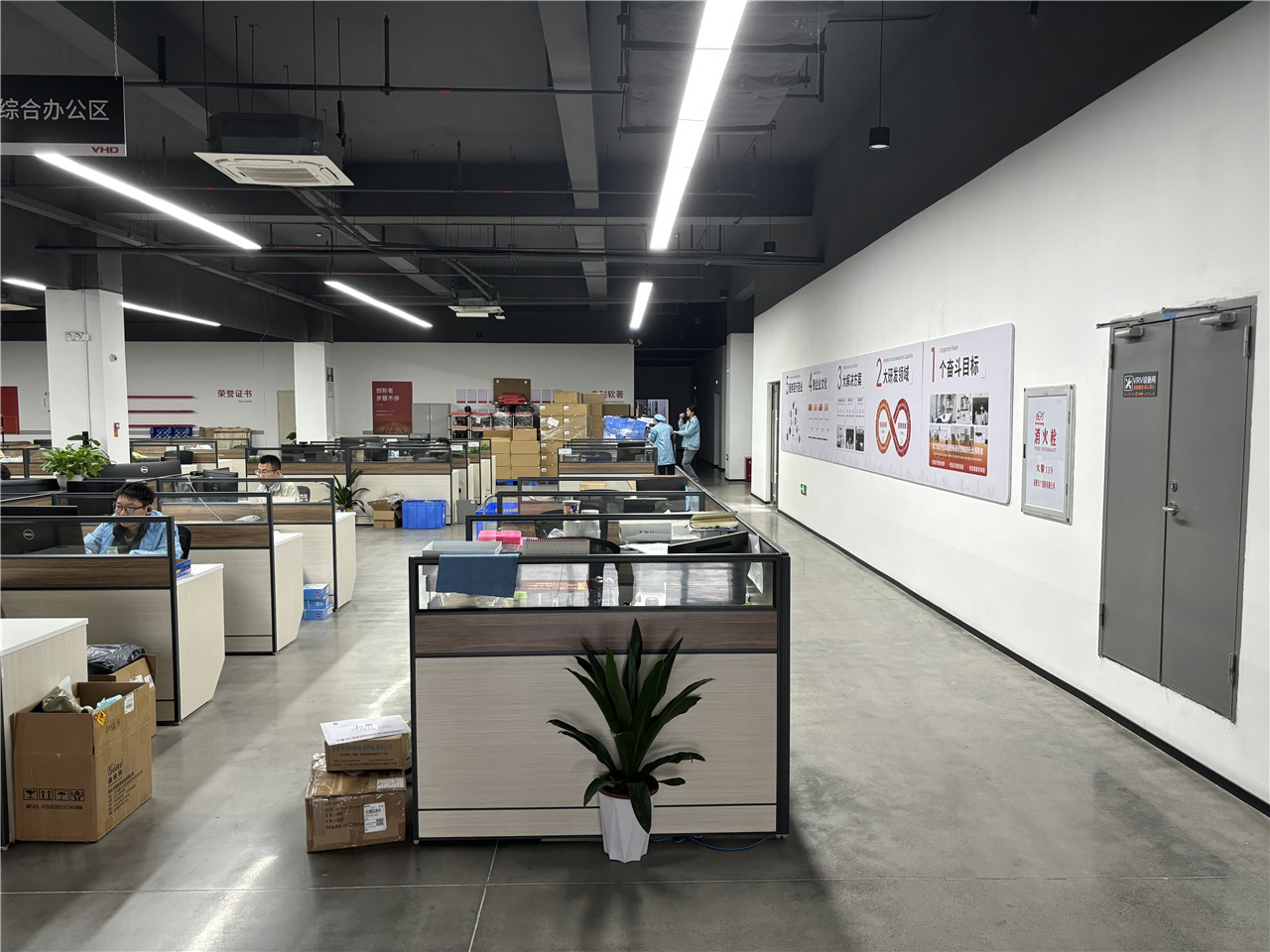
When sourcing discount thermal camera quotes for house inspection equipment, buyer security depends on manufacturer financial stability, component availability, and rigorous quality control. Shenzhen Dianyang Technology Co., Ltd. operates as a strategic subsidiary of VHD (Shenzhen VHD Technology Co., Ltd.), a publicly traded enterprise on the Shenzhen Stock Exchange.
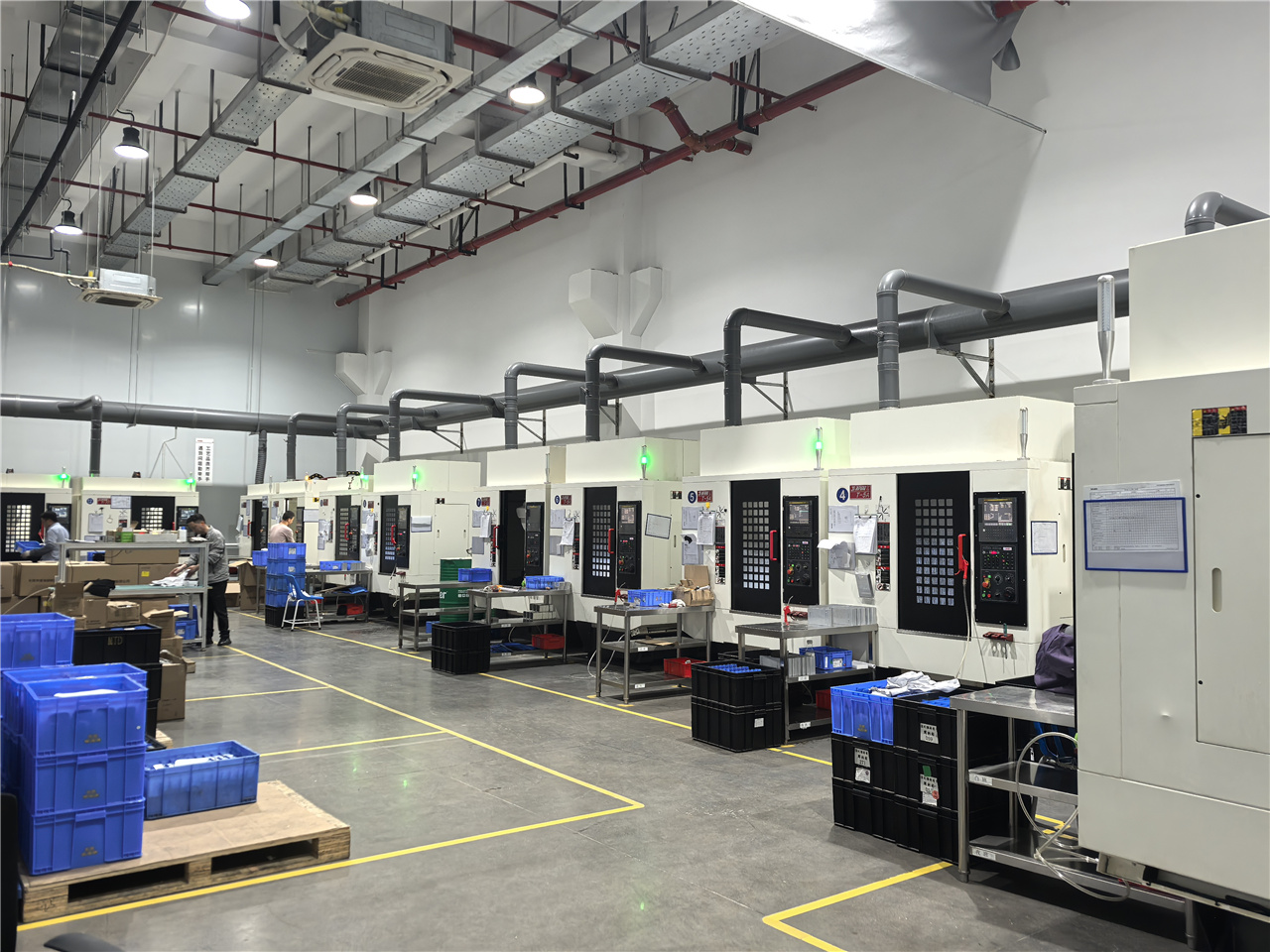
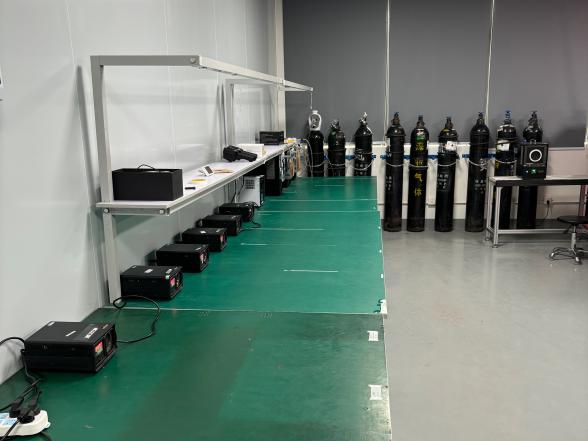
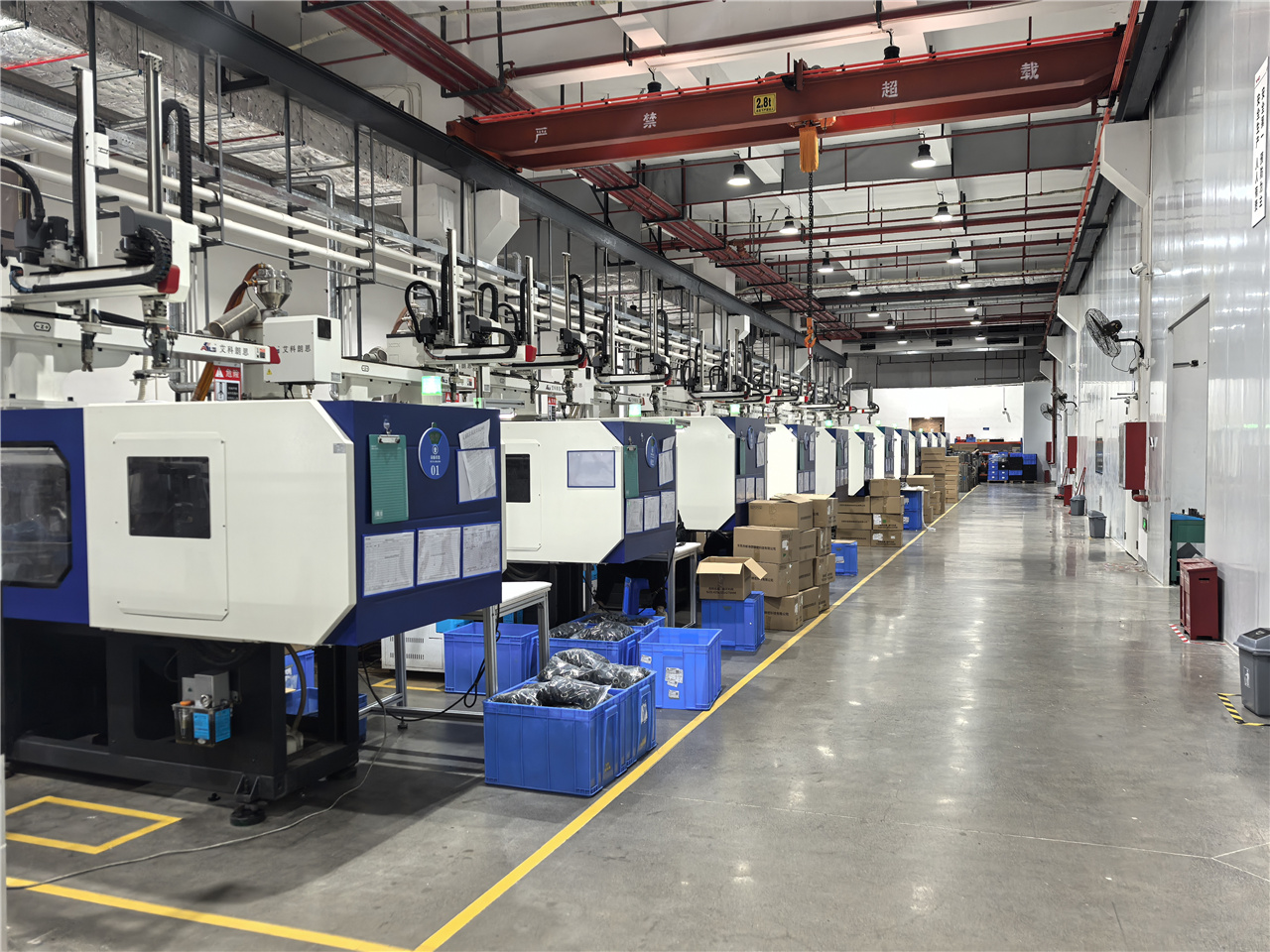
Located in Shenzhen—the world's capital for electro-optical manufacturing—Dianyang optimizes every stage of production from raw microbolometer sensor procurement to final optic calibration:
Our engineering teams implement strict DFM protocols during mechanical design, reducing assembly errors and ensuring rugged IP54/IP67 enclosure sealing across all handheld units.
Automated test fixtures verify every PCB assembly, checking thermal sensor noise profiles, power draw efficiency, and radiometric pixel responsiveness before final casing assembly.
Advanced finite element analysis (FEA) and electromagnetic compatibility pre-testing ensure internal heat generation does not distort microbolometer measurement accuracy during extended field operation.
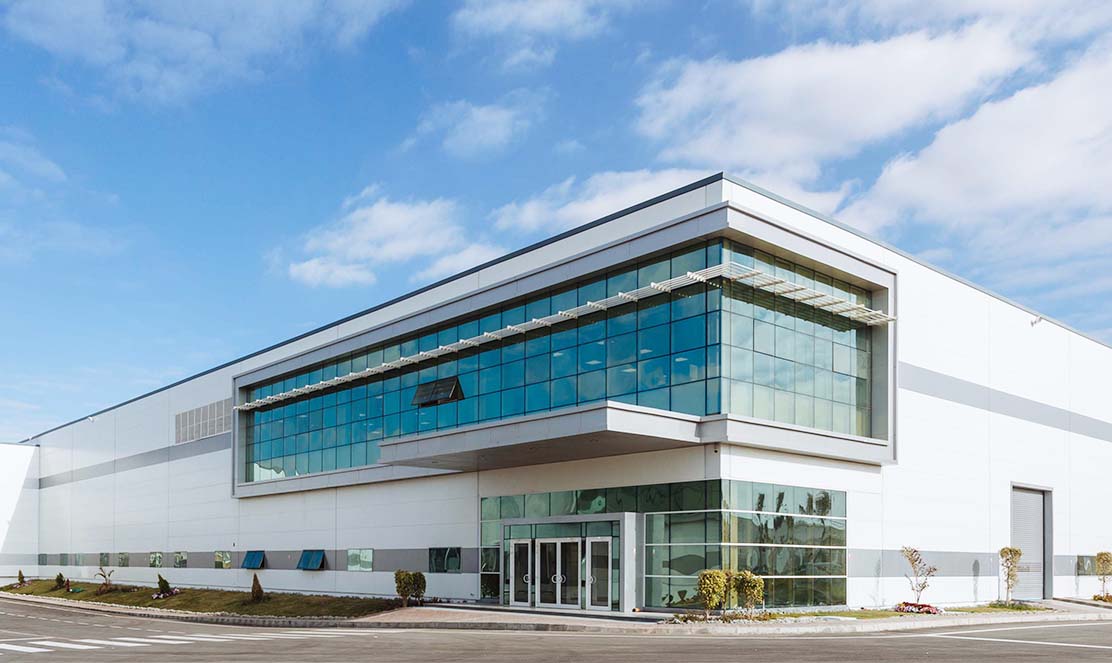
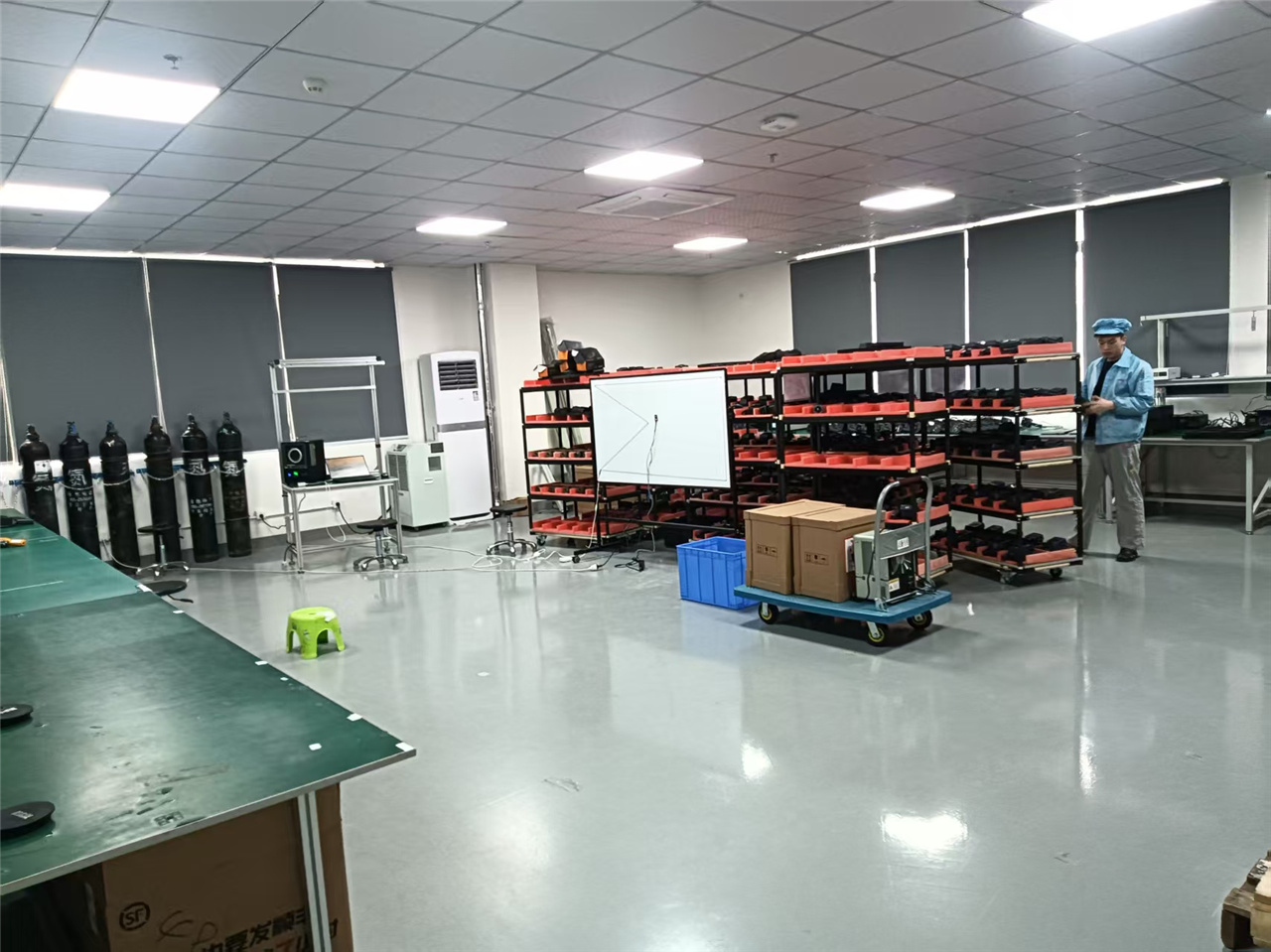
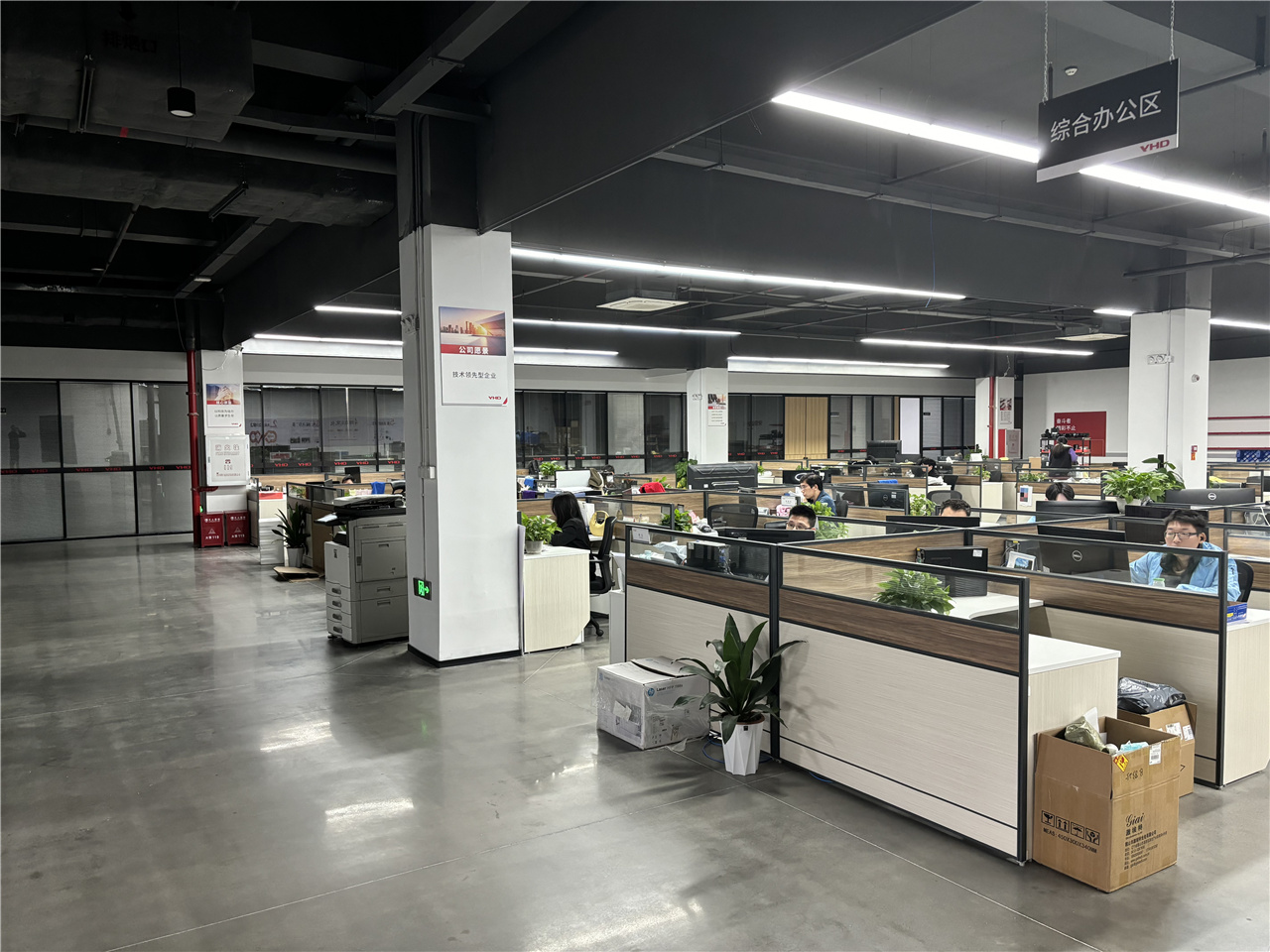
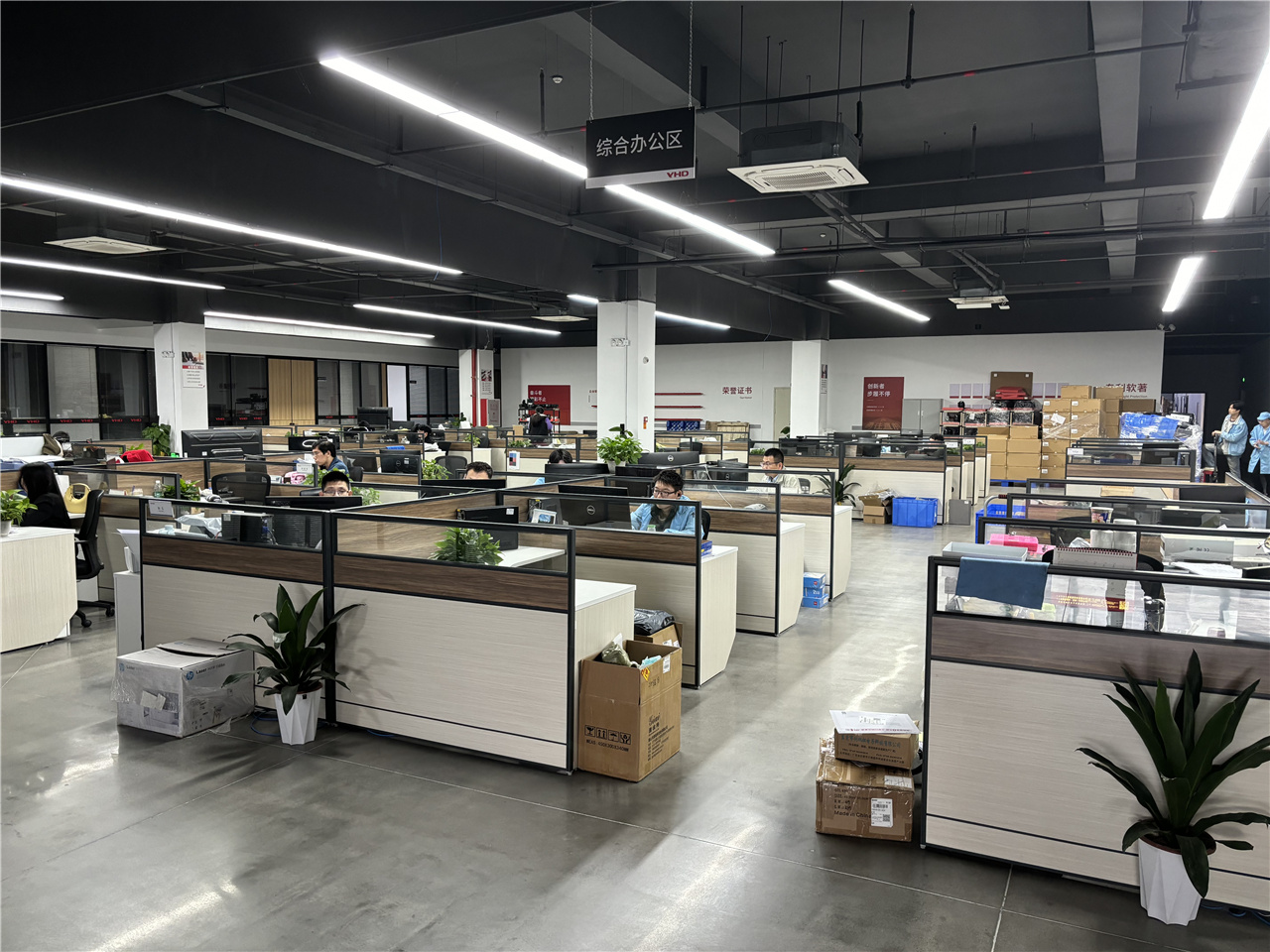
Below is an inside view of our Shenzhen optical laboratories, cleanrooms, automated SMT assembly lines, and multi-point temperature calibration chambers:
As energy efficiency regulations tighten globally, building diagnostics hardware must evolve beyond static thermogram acquisition. Dianyang’s R&D team is pushing thermal imaging forward along four primary technological axes:
Future handheld units and smartphone apps will feature embedded neural networks capable of automatically classifying thermal anomalies—distinguishing moisture cold spots from drafty air leaks in real-time, reducing reliance on manual operator interpretation.
Transitioning microbolometer arrays to 12μm and 8μm pixel pitches allows higher spatial resolution in compact form factors. This shrink reduces lens size requirements while preserving thermal sensitivity, cutting production costs for buyers.
Seamless synchronization between smartphone thermal attachments (such as the H2F6B) and encrypted cloud storage allows field inspectors to instantly transfer radiometric data to home-office teams for fast client report generation.
Adapting core radiometric thermal cores into lightweight OEM modules for unmanned aerial vehicles (UAVs) enables automated aerial roof diagnostics and high-rise envelope inspections at a fraction of manual scaffolding costs.
Navigating international regulatory requirements is vital for distributors and brand partners importing thermal imaging hardware. Dianyang products undergo rigorous compliance testing to meet safety, health, environmental protection, and radio-frequency emission standards across global markets.
| Certification | Target Region | Compliance Focus & Technical Scope |
|---|---|---|
| CE Certification | European Union / EEA | EN 61326-1 EMC compliance, low voltage electrical safety, optical health standards. |
| FCC Certification | United States | Part 15 Class B digital device radio frequency interference compliance. |
| RoHS & REACH | Global / EU | Restriction of hazardous substances (lead, cadmium, mercury) and chemical safety limits. |
| UKCA / KC / PSE | UK / Korea / Japan | Specific regional market safety, wireless, and electrical safety standards. |
We provide end-to-end original equipment and design manufacturing services tailored to brand partners, large home inspection franchises, and tool manufacturers:
Review our high-resolution handheld instruments and direct-factory quotes for professional thermography teams and distributors.
Find expert answers to common queries regarding house inspection thermal camera selection, OEM/ODM quote structures, calibration procedures, and field usage standards.
 Dianyang