Explore our factory-direct OEM/ODM thermal imaging inventory engineered with dual-light fusion, high temperature sensitivity, and integrated laser ranging capabilities.
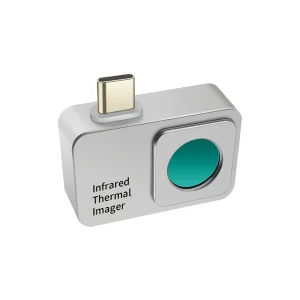
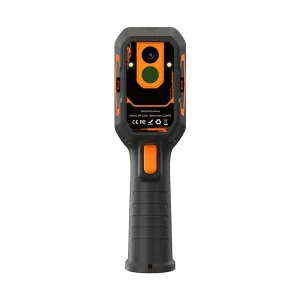
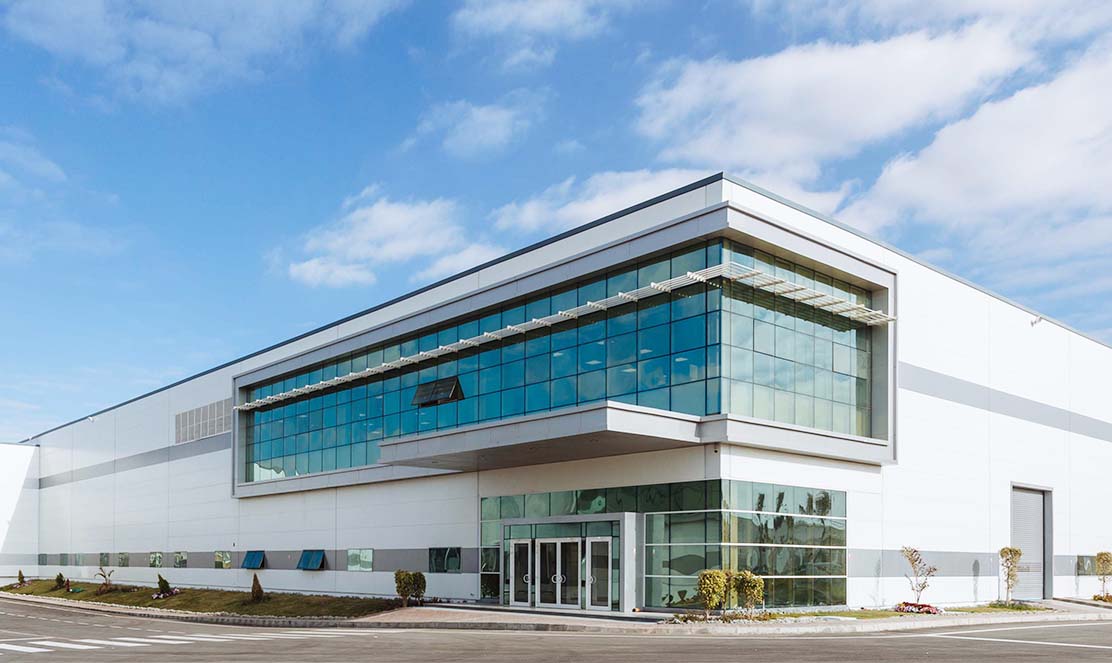
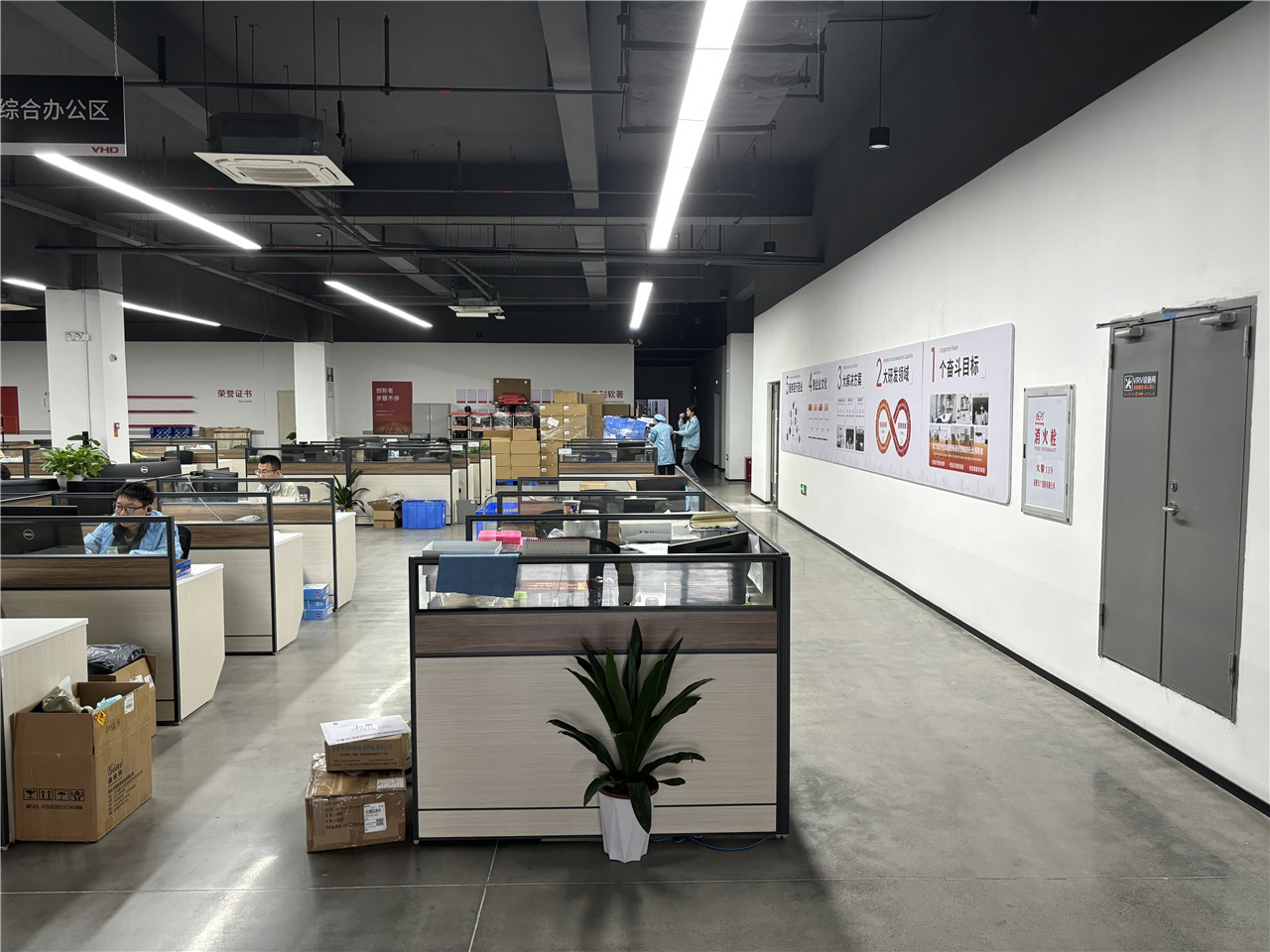
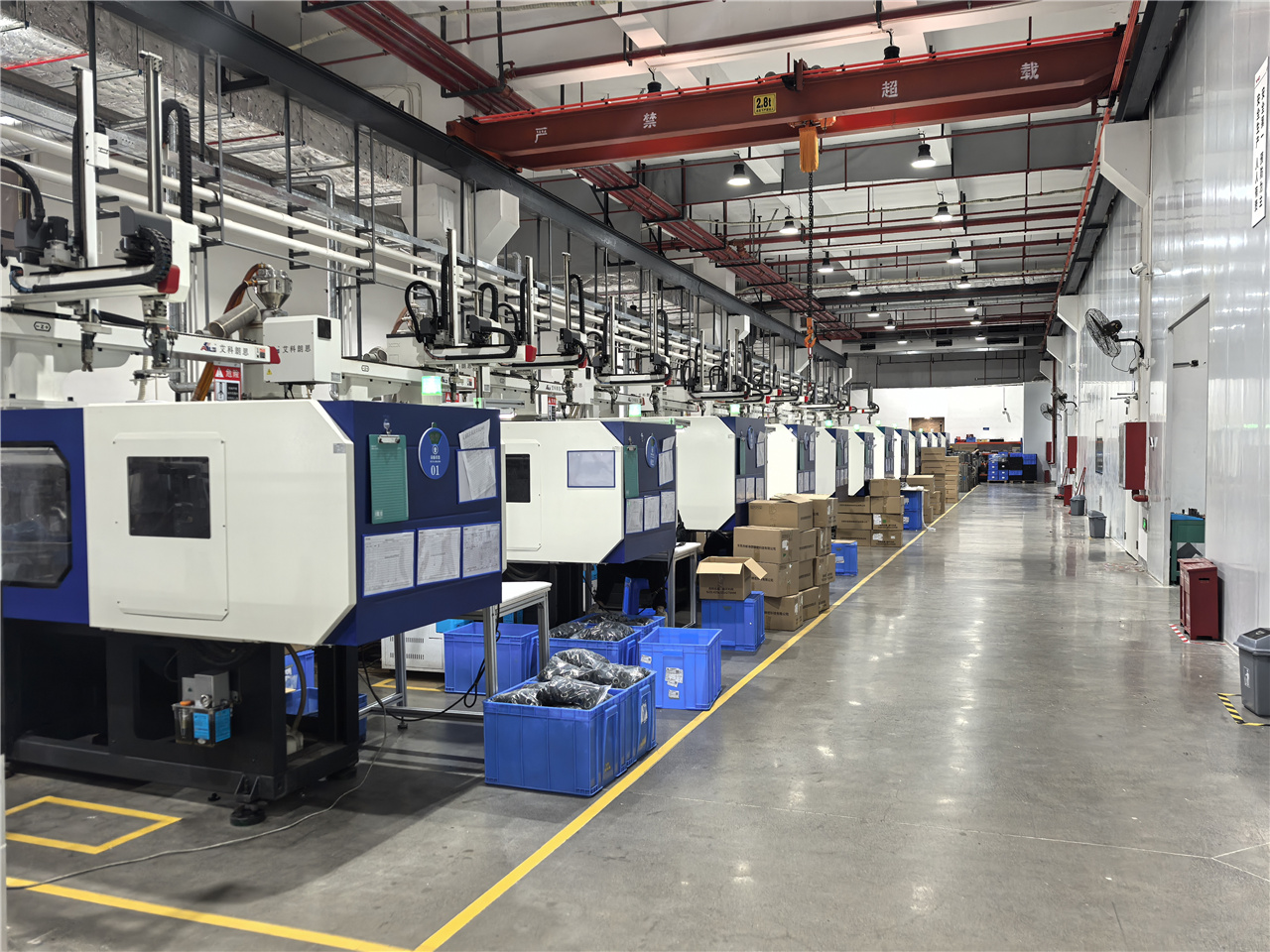
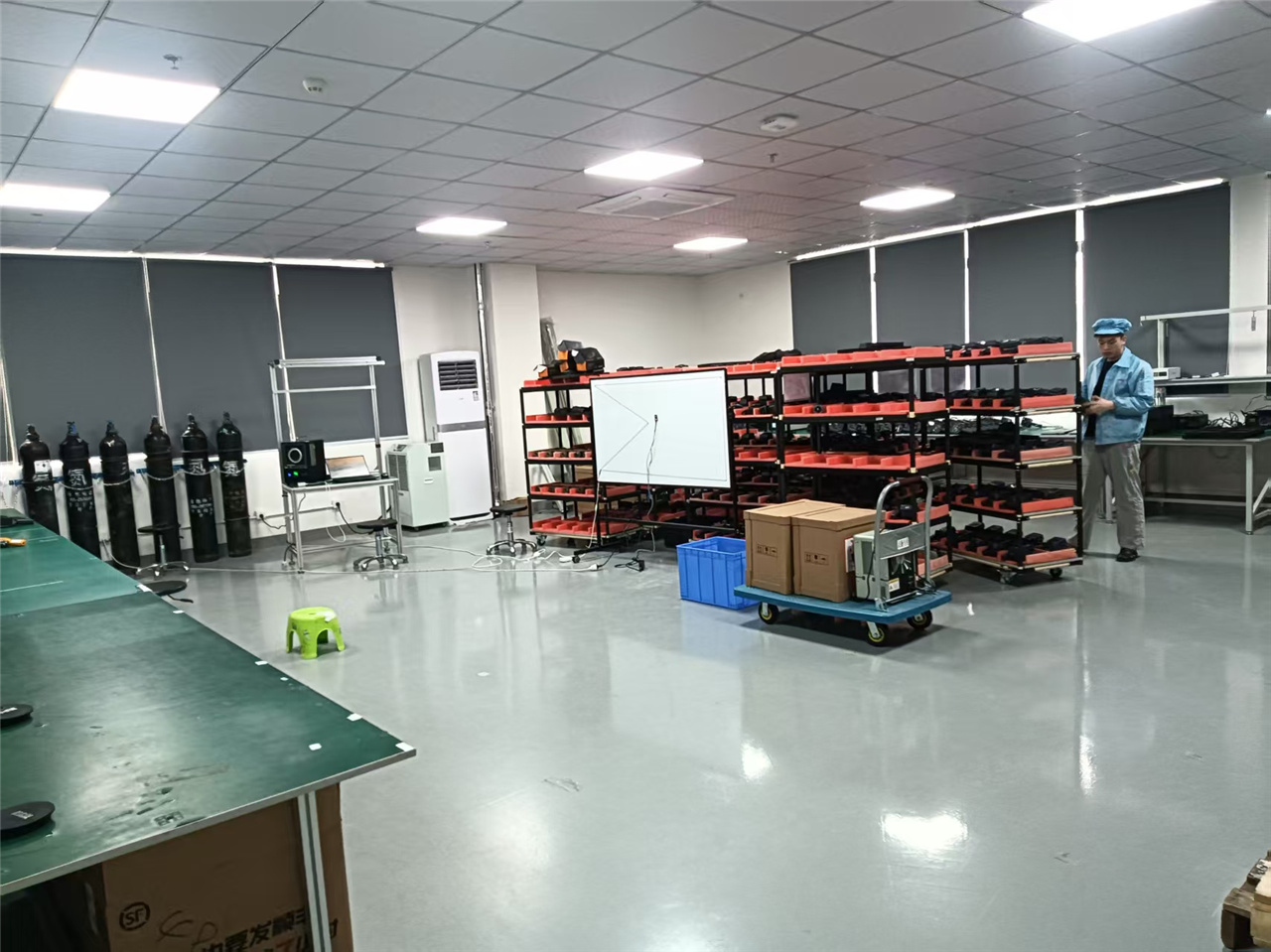
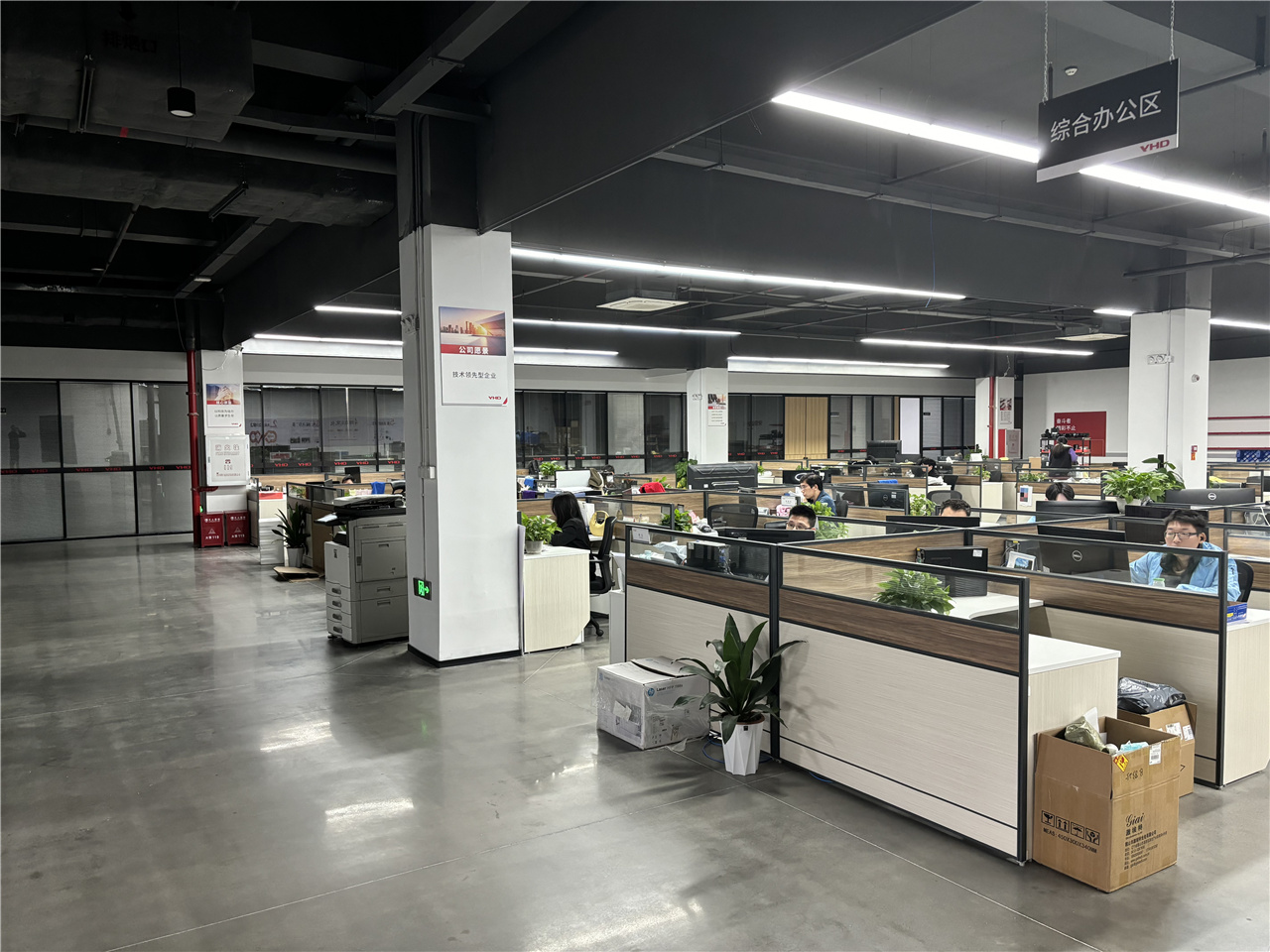
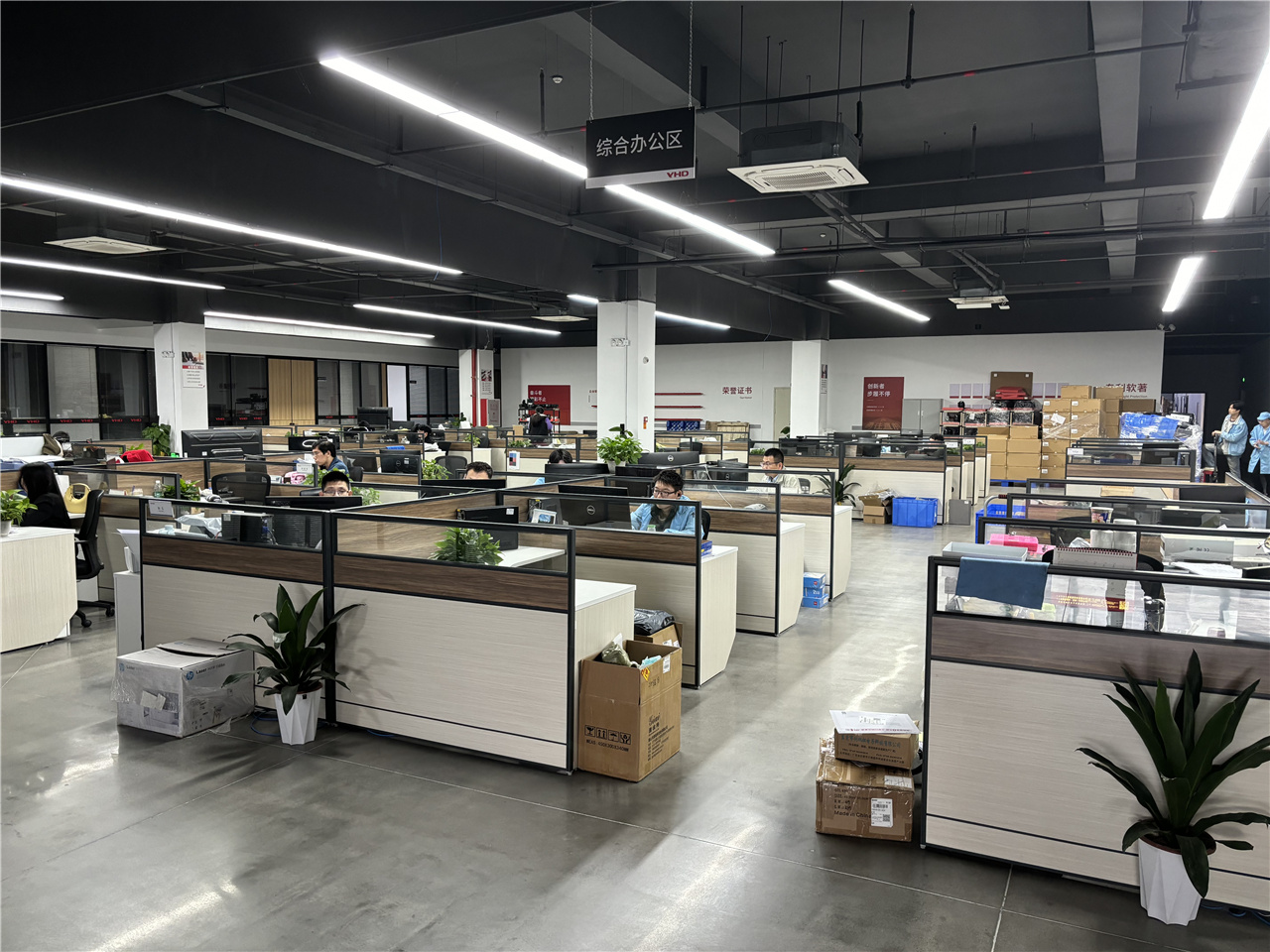
Shenzhen Dianyang Technology Co., Ltd. operates as a specialized subsidiary of VHD (Shenzhen VHD Technology Co., Ltd.), a publicly listed enterprise on the Shenzhen Stock Exchange. This strategic corporate affiliation equips Dianyang with unmatched financial stability, proprietary optical R&D platforms, world-class cleanroom manufacturing lines, and automated calibration infrastructure.
Unlike standard contract manufacturers, Dianyang integrates strict Design for Manufacturing (DFM) and Design for Testability (DFT) workflows into every infrared camera program. From Long-Wave Infrared (LWIR) sensor integration to customized firmware and Android/iOS SDK developments, our engineering teams ensure high unit-to-unit consistency, minimal thermal drift, and robust field longevity under harsh environmental operations.
Our state-of-the-art production base employs advanced thermal simulation, optical axis alignment, and automated EMC pre-compliance test chambers to ensure international performance metrics.
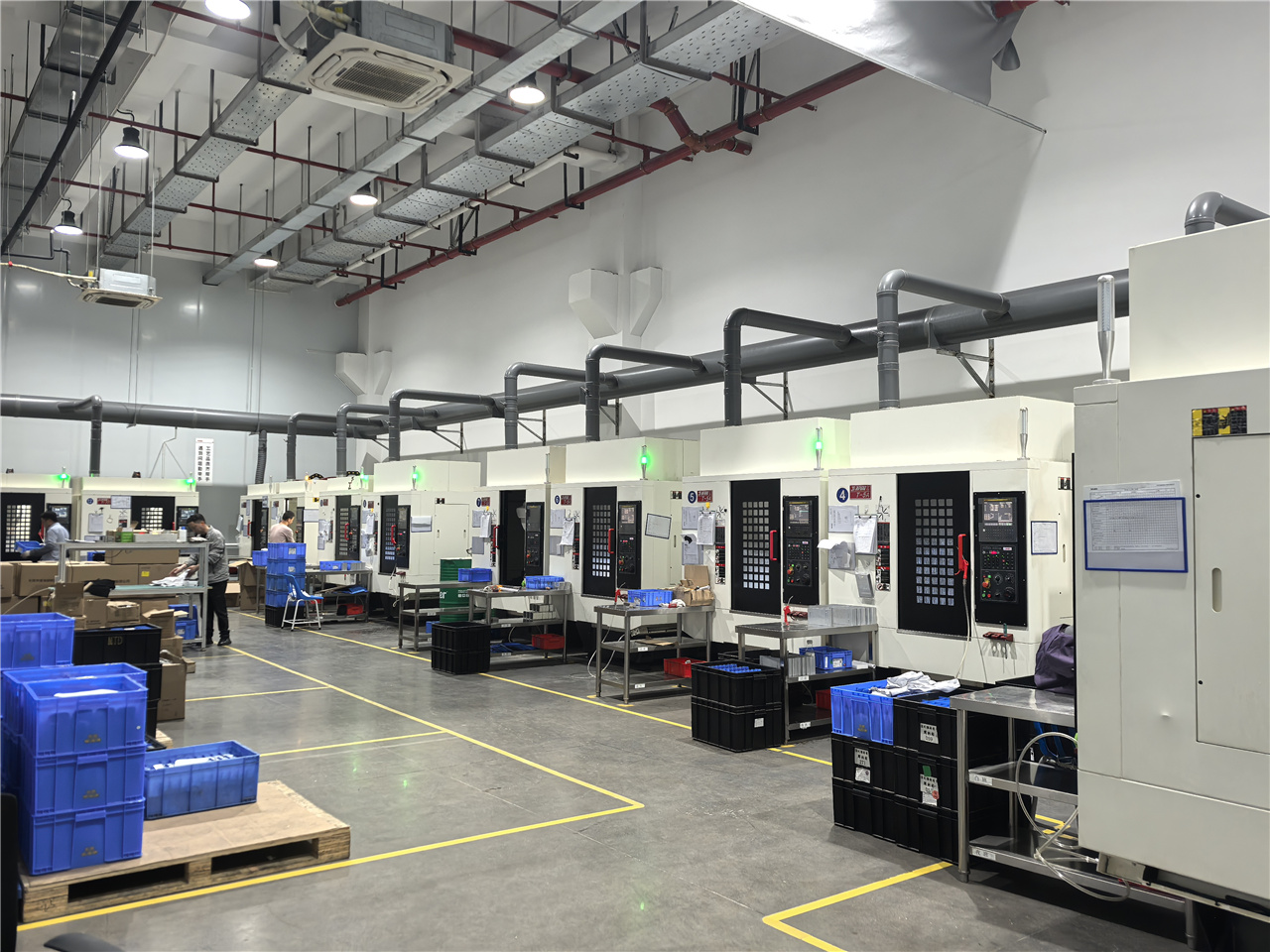
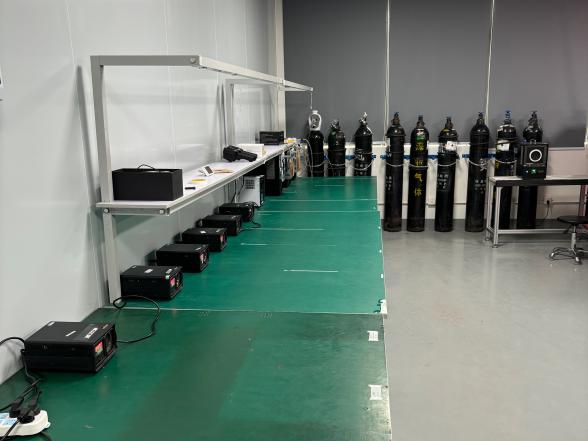
The thermal imaging industry is undergoing a structural paradigm shift driven by microbolometer miniaturization, artificial intelligence edge analytics, multi-spectral sensor fusion, and ubiquitous smartphone interconnectivity. Understanding these macro trends is vital for industrial B2B procurement heads and original equipment manufacturers (OEMs) seeking sustained market advantage.
Transitioning from legacy 17μm pitch architectures to 12μm Uncooled Vanadium Oxide (VOx) microbolometers has enabled smaller optical packages while maintaining high thermal sensitivity. This allows high-resolution thermal imaging (256x192 and 384x288) in ultra-compact handheld form factors.
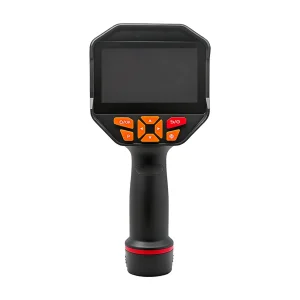
Modern thermography demands more than raw thermal maps. Integrating visible-light optical sensors alongside long-wave infrared sensors allows real-time detail blending (Picture-in-Picture / Dual-Light Fusion). On-device neural processing units (NPUs) automatically highlight hot spots and flag insulation anomalies.
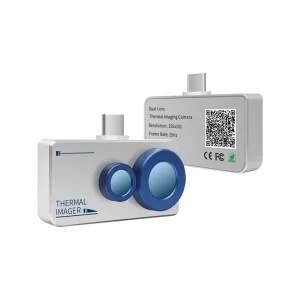
Mobile-connected thermal attachments (such as the Dianyang H1FB and H2F6B series) transform commercial smartphones into certified thermal diagnostic tools. Low-power Type-C connectors and specialized mobile apps facilitate immediate cloud report generation and field dispatching.
When global distributors, state-owned utility contractors, and system integrators evaluate thermographic imaging vendors, technical specifications must align precisely with field risk parameters. Dianyang’s OEM/ODM engineering matrix addresses four core engineering benchmarks:
NETD measures the smallest temperature difference the camera can detect. Rated at <40mK @ F1.0, our VOx detectors reduce background electronic noise, capturing minute temperature gradients vital for early-stage electrical fault diagnosis and sub-surface moisture mapping.
Industrial thermal cameras must maintain calibration linearity across extreme temperature spans. Dianyang cameras support dual-scale ranges standard from -20°C up to +550°C with automated auto-switching gain, preventing detector saturation during high-temperature transformer or furnace inspections.
While high frame-rate devices (25Hz/50Hz) offer fluid thermal visualization for moving targets, international trade regulations impose strict export controls on thermal cores above 9Hz. Dianyang assists international partners with tailored 9Hz smooth-interpolation algorithms or high-rate compliance licensing depending on destination region.
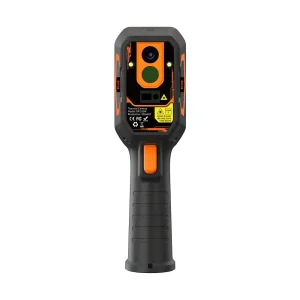
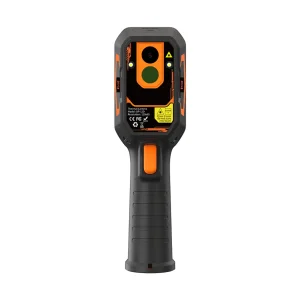
Accurate spot measurement requires precise optics and spatial measurement. Integrating precision laser distance modules into handheld models (like the DP-25DR and DP-38D) allows real-time distance compensation to recalculate target emissivity and atmospheric attenuation.
Custom thermal imaging systems manufactured by Dianyang serve critical functions across key industrial, commercial, and research sectors worldwide:
Thermal anomaly detection in power distribution lines, substations, and circuit breakers. High-resolution models identify abnormal contact resistance, loose terminal lugs, and phase imbalance before catastrophic system failure occurs.
Locating hidden building defects, moisture ingress, thermal bridging, and insulation voids. Dual-light handheld cameras assist civil engineers and HVAC technicians in generating certified energy efficiency audit reports.
Continuous mechanical condition monitoring for bearings, conveyor rollers, pumps, and motors. Detecting thermal friction changes enables planned preventative maintenance downtime over costly emergency plant shutdowns.
Ruggedized handheld thermal devices penetrate dense smoke during structural search-and-rescue. Heat signatures assist firefighters in mapping hidden fire pockets behind drywall and assessing hazardous container heat profiles.
High-magnification benchtop thermal analyzers assist circuit engineers in spotting micro-short circuits, IC overload currents, and component thermal dissipation bottlenecks during R&D prototyping stages.
Solar cell string degradation, micro-cracks, and defective bypass diodes produce localized thermal hot spots. Specialized thermal imagers allow swift scanning across expansive solar farms to protect ROI.
Dianyang offers complete white-label and custom contract manufacturing services for international brand owners, original equipment manufacturers, and commercial distributors. Our standardized six-phase engineering pipeline reduces market lead time while mitigating technical risks.
Defining thermal sensor resolution (120x90 to 384x288), Germanium lens focal length, Field of View (FOV), and target temperature thresholds.
Mainboard PCB layout, thermal simulation modeling, EMC shield isolation, dynamic laser rangefinder module integration, and optical housing ID design.
Custom boot logos, customized color palette profiles (Ironbow, Rainbow, Black Hot, White Hot), and tailored API/SDK development for iOS, Android, and Windows.
Subjecting prototypes to rigorous drop testing, IP rating verification, vibration stress, and international EMC compliance (CE, FCC, RoHS, REACH).
To facilitate seamless global customs clearance and market insertion, Dianyang thermal cameras undergo rigorous evaluation by certified third-party laboratories. We ensure full adherence to key global export certifications:
Compare specifications across key Dianyang handheld and smartphone thermal imaging series to select the optimal model for your industrial deployment.
| Model Series | IR Resolution | Spectral Range | NETD Sensitivity | Temp Measurement Range | Key Feature Highlight |
|---|---|---|---|---|---|
| DP-12D / DP-12DV | 120 × 90 Pixels | 8~14 μm (LWIR) | < 50 mK @ F1.0 | -20°C to +550°C | Laser Ranging / Dual-Light Visual Option |
| DP-25DR | 256 × 192 Pixels | 8~14 μm (LWIR) | < 40 mK @ F1.0 | -20°C to +550°C | Precision Laser Ranging + Dual Spectrum Fusion |
| DP-38D / DP-64D | 384 × 288 Pixels | 8~14 μm (LWIR) | < 40 mK @ F1.0 | -20°C to +550°C | High-Res Professional Handheld Diagnostics |
| H1FB Mobile Imager | 160 × 120 Pixels | 8~14 μm (LWIR) | < 50 mK @ F1.0 | -15°C to +150°C | Ultra-Compact Smartphone Dongle (Low Power) |
| H2F6B / H2FB Mobile | 256 × 192 Pixels | 8~14 μm (LWIR) | < 40 mK @ F1.0 | -20°C to +550°C | Plug-and-Play Smartphone Attachment (USB-C) |
In-depth technical answers addressing common procurement, manufacturing, and integration inquiries.
Select from our full suite of mobile phone thermal modules, power inspection units, and high-resolution thermal analyzers.
 Dianyang