Explore our core export-grade infrared detectors, smartphone thermal modules, and handheld radiometric imagers designed for water leak tracing, moisture auditing, and non-destructive testing.
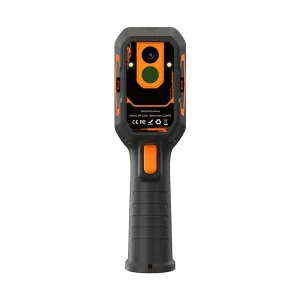
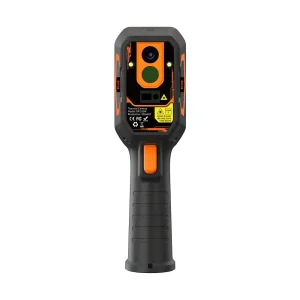
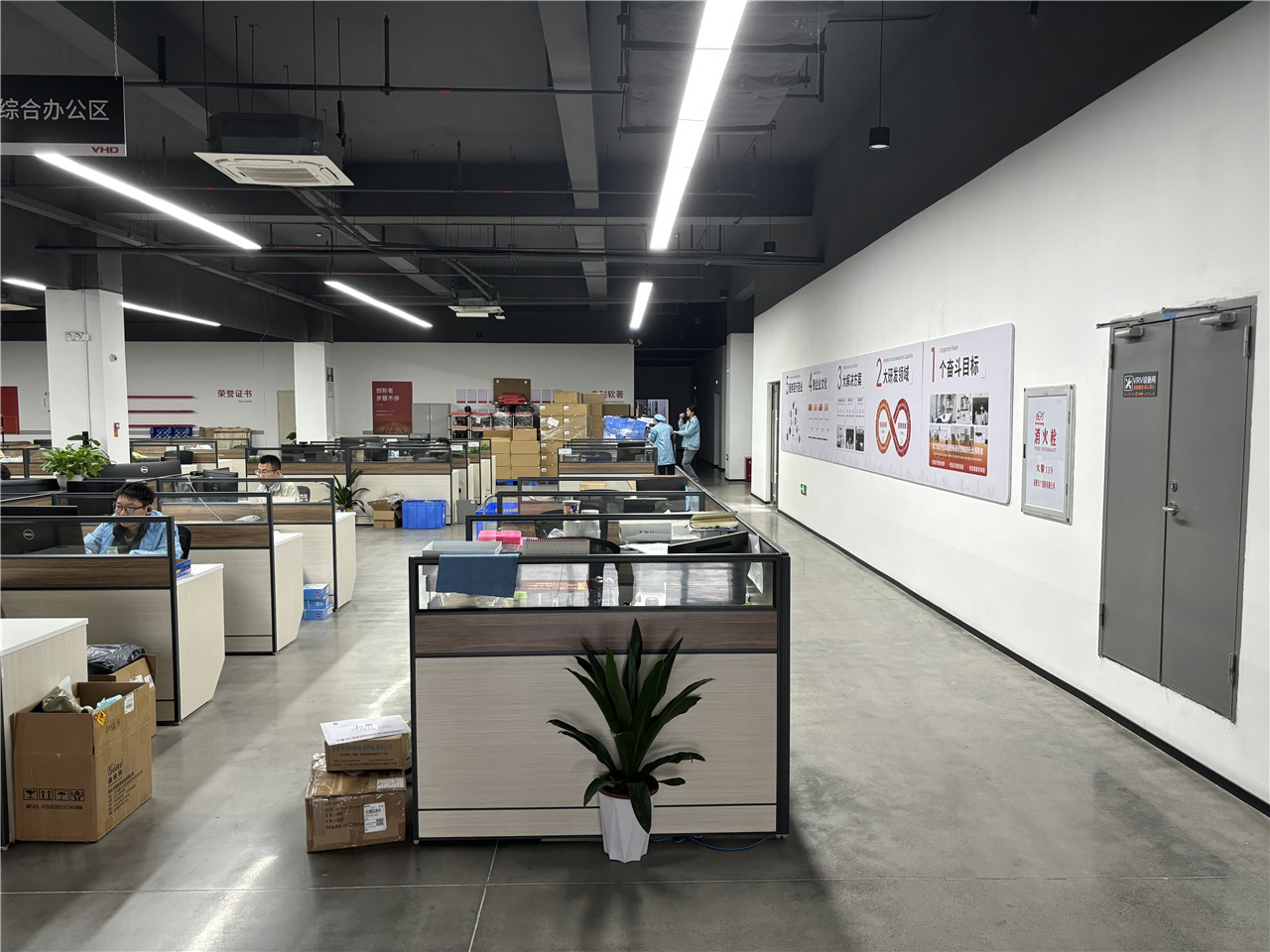
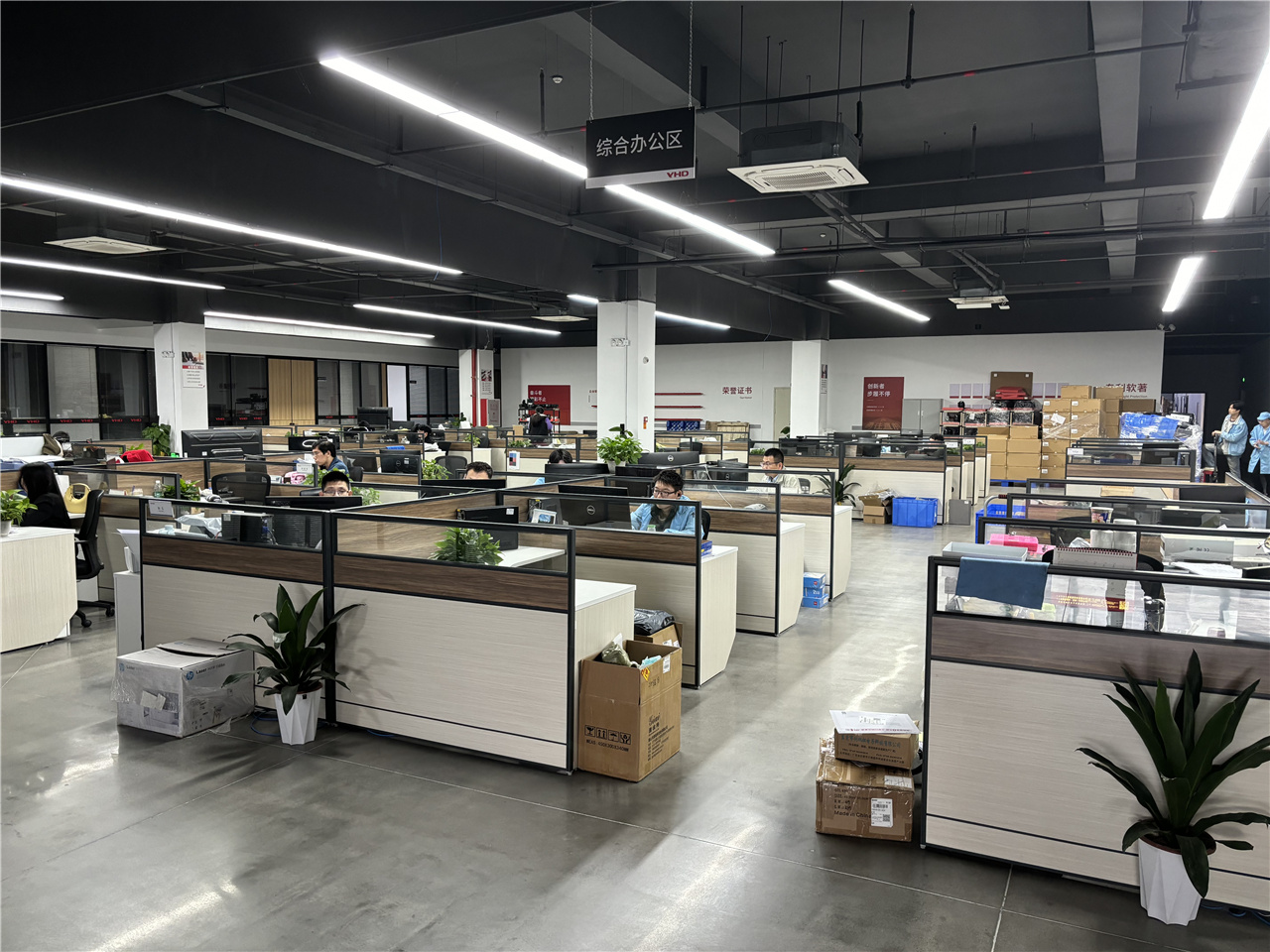
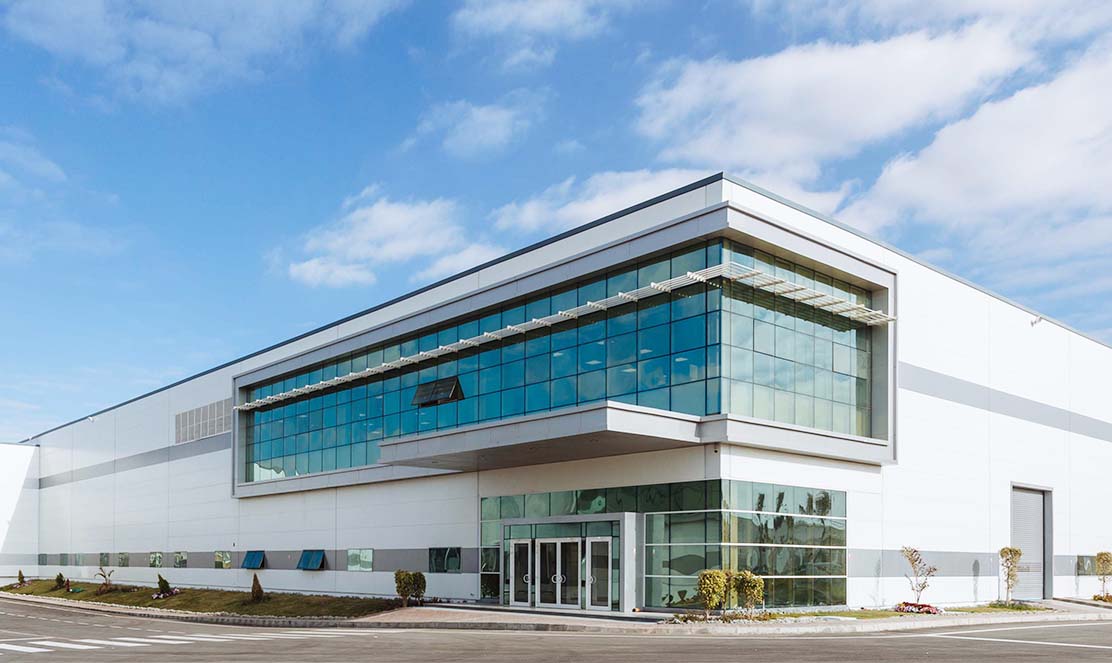
Shenzhen Dianyang Technology Co., Ltd. operates as an industry-leading manufacturer and custom thermal water detector exporter. As a specialized subsidiary of VHD (Shenzhen VHD Technology Co., Ltd.)—a publicly listed entity on the Shenzhen Stock Exchange—Dianyang leverages unmatched engineering capital, state-of-the-art optical laboratory infrastructure, and advanced microelectronic packaging processes.
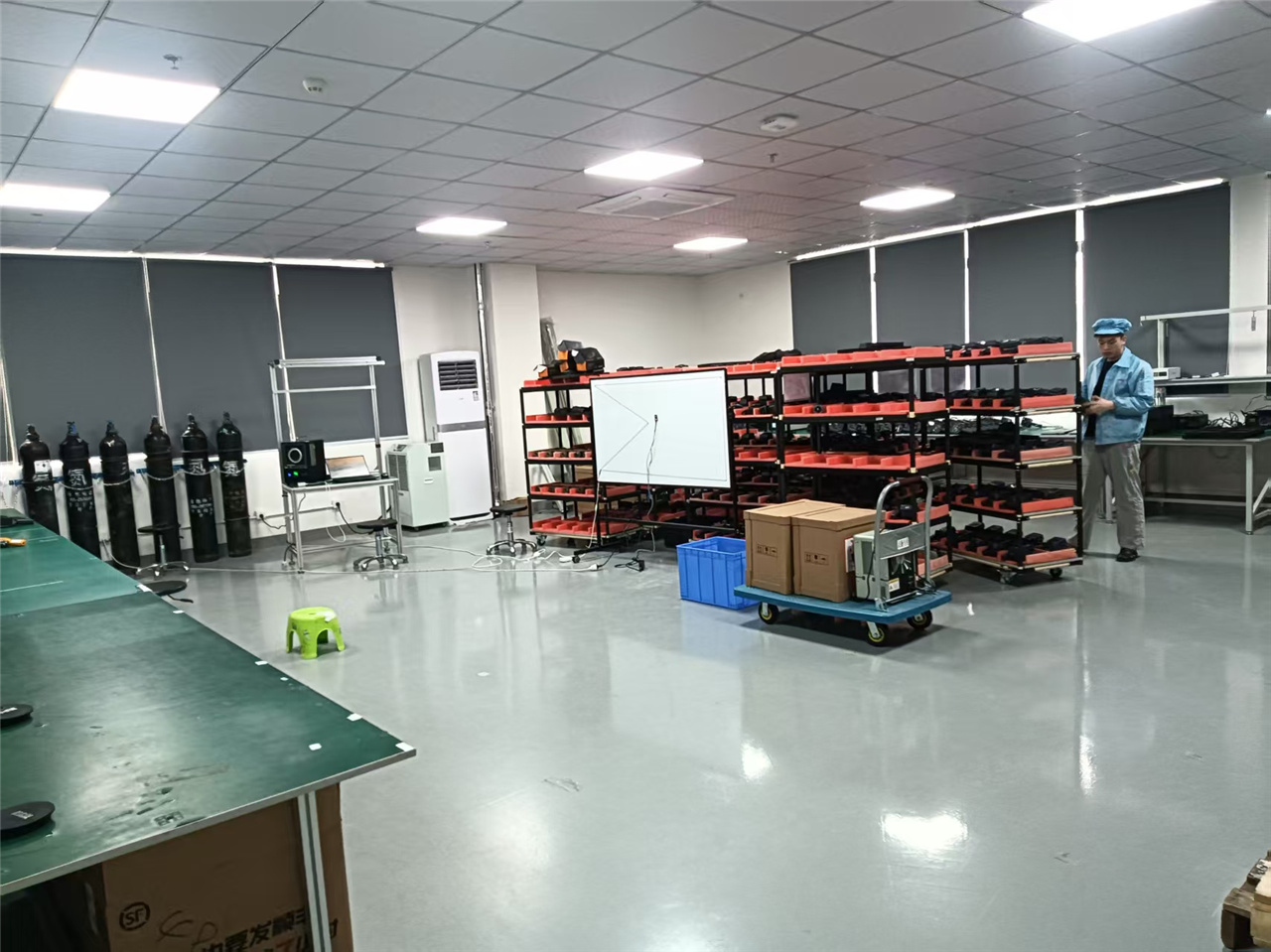
This strategic alignment grants Dianyang direct access to top-tier R&D platforms, high-precision surface-mount technology (SMT) automated assembly lines, cleanroom optical calibration tunnels, and rigorous quality control methodologies. Unlike standard Original Design Manufacturers (ODMs), our operational framework ensures strict thermal calibration stability, repeatable Noise Equivalent Temperature Difference (NETD) thresholds, and robust structural resilience across all exported radiometric equipment.
Understanding how uncooled focal plane array (FPA) sensors visualize subterranean moisture, wall cavity water intrusion, and pipe anomalies through evaporative cooling and conductive thermal differential signatures.
When water escapes a pressurized pipe or migrates through porous building media (such as drywall, concrete, or exterior insulation), it evaporates. Evaporation absorbs latent heat from the surrounding substrate, creating a localized cold spot ($\Delta T$). High-sensitivity LWIR (8–14 μm) microbolometers capture these minute temperature drops down to fractions of a degree Celsius, rendering clear thermal maps of hidden leaks.
Water possesses a extraordinarily high specific heat capacity ($4.184 \text{ J/g}^\circ\text{C}$) compared to building materials like brick ($0.84 \text{ J/g}^\circ\text{C}$) or wood ($1.2 \text{ J/g}^\circ\text{C}$). Moist regions retain thermal energy significantly longer during solar or heating cycles. Custom thermal water detectors identify these thermal mass anomalies, pinpointing saturated insulation or trapped sub-slab moisture without destructive structural tearing.
Different surfaces (e.g., copper pipes vs. wet plasterboards) radiate infrared energy at varying emissivity coefficients ($\varepsilon$). Dianyang’s proprietary radiometric firmware allows real-time emissivity parameter adjustments, reflected temperature compensation, and distance corrections, eliminating false positives caused by reflective metal surfaces or ambient glares.
The global thermal imaging market is undergoing a structural transition toward modularity, edge-AI image enhancement, smartphone integration, and high-definition radiometric reporting.
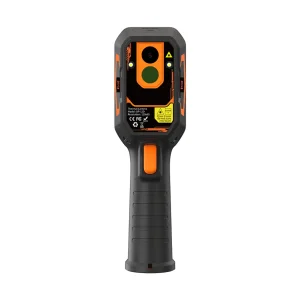
Traditional water leak detection relied heavily on acoustic ground microphones—a method prone to ambient background noise disruption and limited to high-pressure line bursts. Global engineering contractors are rapidly shifting to non-invasive thermal water detection systems. By combining thermography with laser point alignment or dual-light fusion (such as in the DP-12DV and DP-64D series), operators visually trace thermal plumes along hidden hot and cold water conduits, reducing diagnostics time by up to 75%.
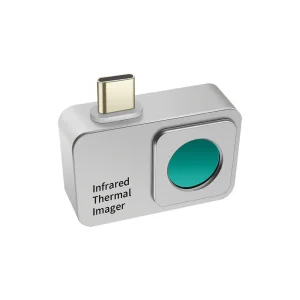
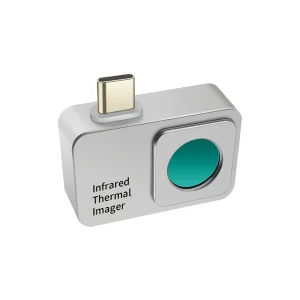
Field technicians, HVAC operators, and plumbing engineers demand ultra-portable diagnostic gear. The emergence of compact Type-C and iOS compatible modules (such as the H1FB 160x120 and H2FB 256x192 series) allows contractors to turn standard smartphones into high-resolution radiometric inspection tools. As an exporter, Dianyang provides complete white-label software development kits (SDKs) and custom housing molds to empower global brands in capturing this expanding market segment.
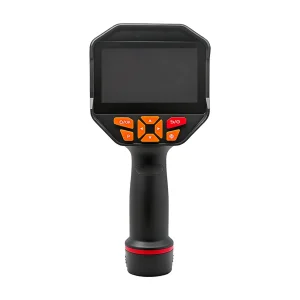
Heavy industrial installations—such as power utilities, high-temperature steam lines, and water-cooled furnace walls—require thermal detectors capable of sensing across extreme thermal spectrums. Devices like the flagship DP-64D Handheld Thermal Imager provide a massive resolution of 640x512 pixels, an 8MP visible camera, and a dynamic temperature range spanning from -20°C up to 1200°C, serving critical infrastructure protection across Europe, North America, and the Middle East.
International building decarbonization initiatives (e.g., EU Energy Performance of Buildings Directive) require rigorous envelope inspection for thermal bridging and moisture infiltration. Water leaks destroy insulation integrity, causing catastrophic building heat loss. Custom thermal water detectors serve as mandatory compliance instruments for energy auditors to certify green building insulation performance.
Engineered hardware and software architectures customized for multi-sector industrial deployment.
Water ingress through roofs, balconies, and outer facades often travels several meters inside structural wall cavities before exhibiting visible stains. Dianyang’s high-sensitivity detectors (such as DP-25DR 512x384 and DP-38D 384x288) enable non-destructive moisture mapping. By identifying subtle temperature differentials across plasterboards, tile beds, and concrete slabs, inspectors accurately boundary damp regions, cutting dry-out repair expenses by up to 60%.
Municipal water utility networks lose billions of gallons annually through non-visible underground supply line leaks. Industrial manufacturing facilities face severe downtime when subterranean chilled water or steam lines fail. Our high-resolution thermal imaging cameras detect thermal surface expression variations over buried conduits, alerting maintenance crews to precise leak points prior to ground excavation.
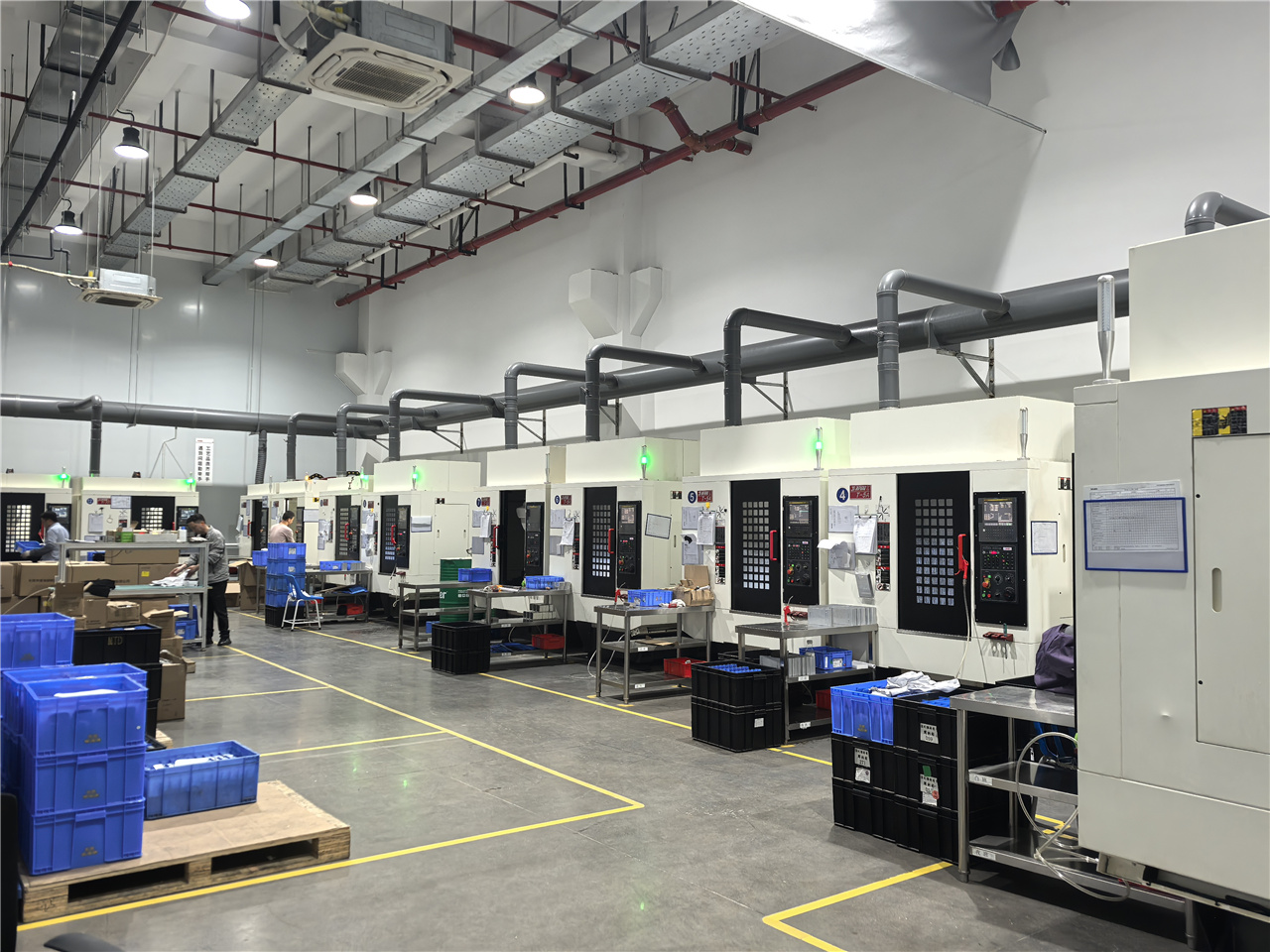
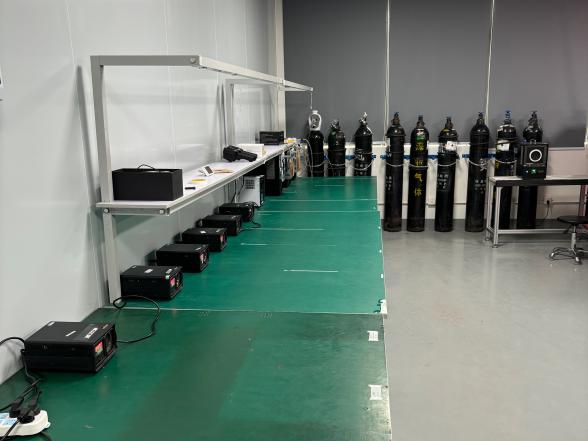
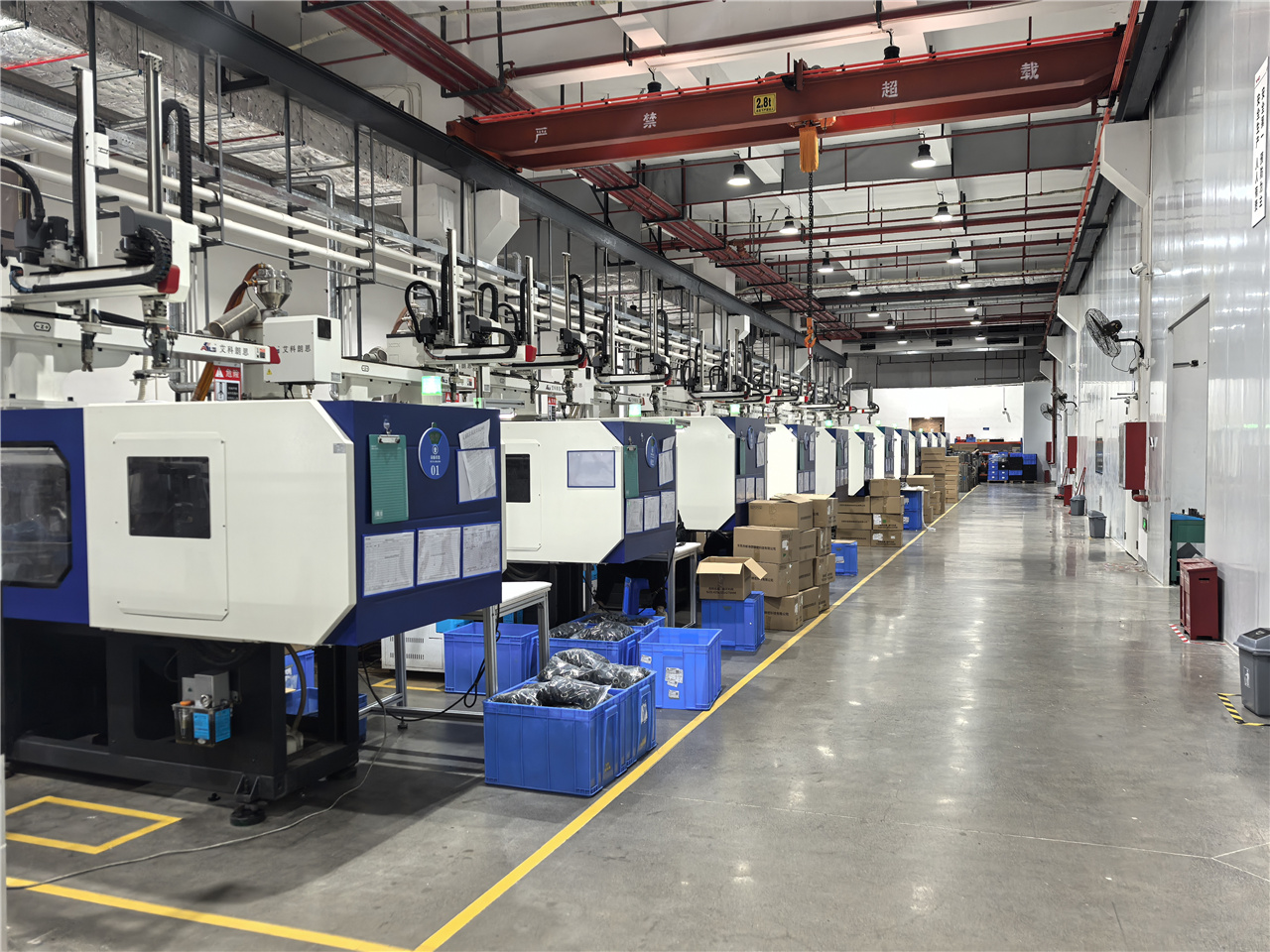
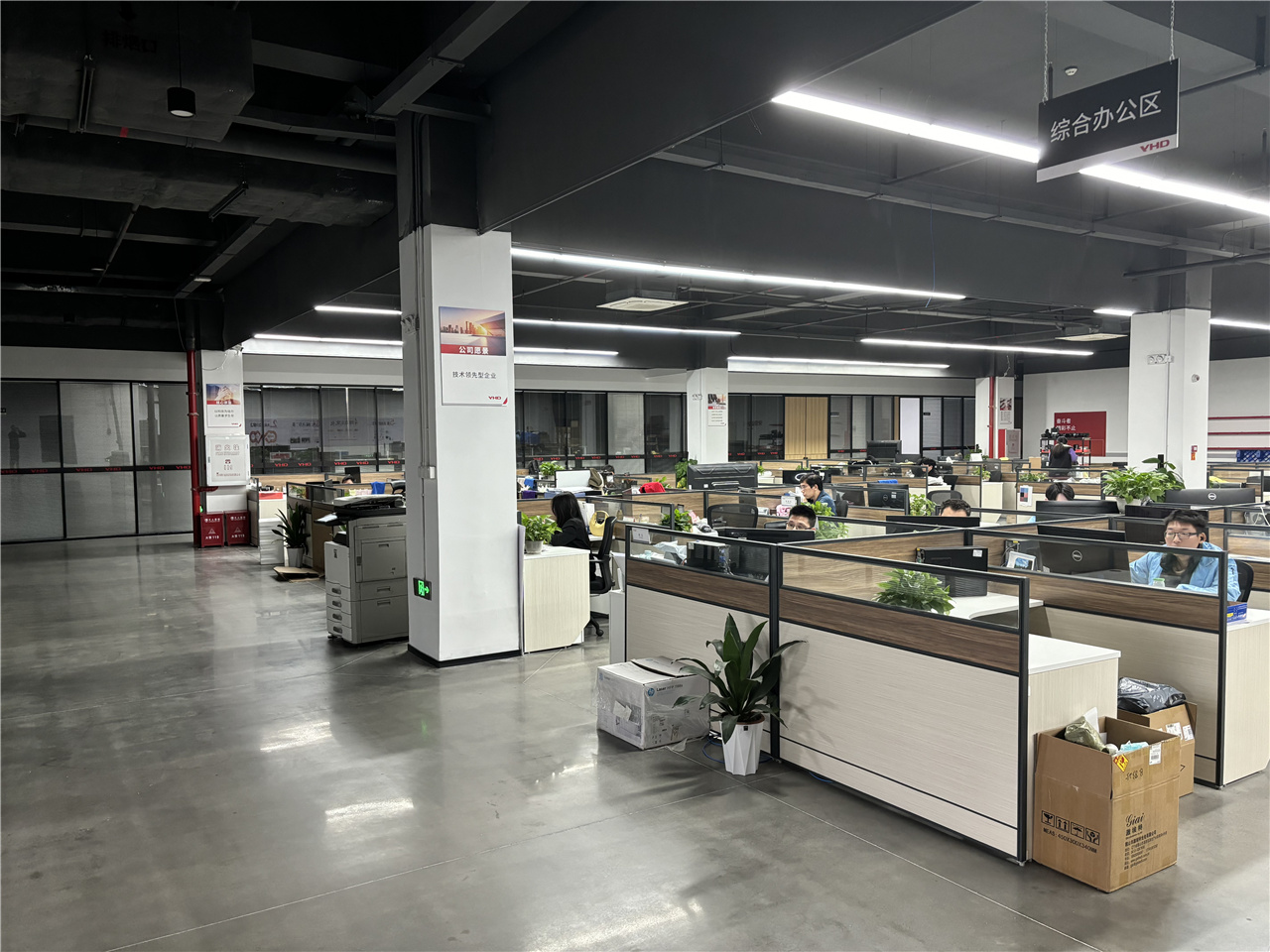
From custom thermal detector optical design to full white-label software customization, Dianyang provides end-to-end original equipment manufacturing services.
Our R&D engineering team applies rigorous DFM methodologies to optimize PCB component layout, reduce thermal noise cross-talk, ensure robust mechanical shock absorption, and streamline automated mass assembly.
Every custom thermal water detector circuit board includes standardized test points and automated optical inspection (AOI) firmware to verify radiometric accuracy, pixel response uniformity, and voltage integrity prior to final encasement.
Using advanced thermal simulation software and electromagnetic compatibility (EMC) pre-compliance testing chambers, we guarantee that all exported thermal cameras meet strict international interference standards before official certification.
• Hardware Options: Core array resolution selection (96x96 up to 640x512), optical lens focal lengths (Germanium optics), custom laser rangefinders, dual-light visible cameras, ergonomic handgrips, IP54/IP67 ruggedized enclosures.
• Software & App Branding: Custom Android/iOS smartphone applications, branded user interface (UI) color themes, custom radiometric report templates, client-defined color palettes (Ironbow, Rainbow, High-Contrast, Black Hot, White Hot).
Facilitating seamless international trade and market entry across Europe, North America, Asia-Pacific, and the Middle East.
European Union & United Kingdom Conformity Standards for Safety & EMC.
United States Federal Communications Commission Class B Digital Device Compliance.
Strict environmental material safety compliance prohibiting hazardous heavy metals.
International electrotechnical certification, South Korean KC mark, and Japanese PSE safety approval.
As an experienced exporter, Dianyang provides comprehensive localization assistance for global distributors and OEM brand partners. Our compliance engineering unit manages complete technical file preparation, localized user manual translations, multi-language software UI integration, regional socket charger adaptations, and customs tariff classification assistance (HS Code 9027.50 / 9031.80).
Pioneering next-generation radiometric thermal imaging technologies to define the future of industrial non-destructive inspection.
Integration of neural processing units (NPUs) directly into handheld and mobile thermal detectors. Autonomous machine vision algorithms will instantly highlight water leak boundaries, quantify moisture square footage, and auto-generate diagnostic reports without requiring cloud processing.
Transitioning to 12μm and sub-10μm microbolometer detector pitches combined with real-time frame multi-sampling super-resolution software. This innovation allows a 256x192 optical sensor to render thermal clarity approaching standard 640x512 physical arrays at a fraction of the cost.
Seamless integration with municipal IoT asset management platforms and enterprise BIM (Building Information Modeling) software via 5G/Wi-Fi 6 wireless modules, enabling continuous fixed thermal monitoring of critical water conduits and substations.
Expert answers to common technical, procurement, and integration questions for industrial buyers and engineering contractors.
Browse our complete catalog of OEM handheld cameras, smartphone infrared imagers, and dual-light thermographic sensors.
 Dianyang