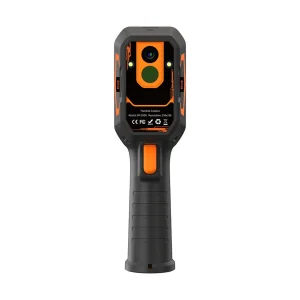
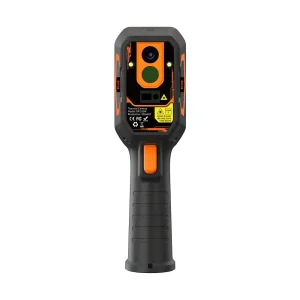
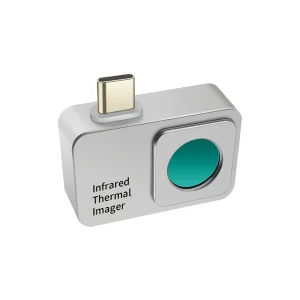
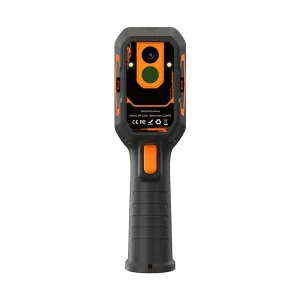
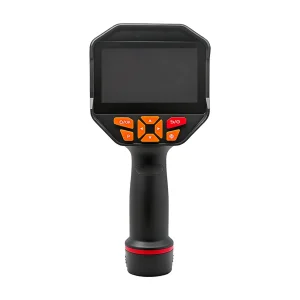
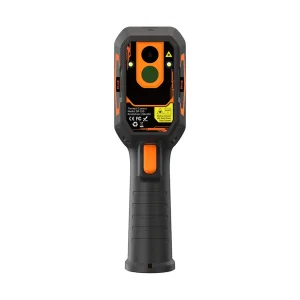
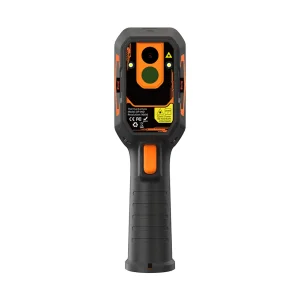
Explore our tier-1 factory direct handheld, dual-light, and smartphone thermal imaging equipment.
In the rapidly evolving ecosystem of optoelectronics and non-contact temperature measurement, selecting qualified custom thermal imaging sensor factories is a critical strategic decision for global original equipment manufacturers (OEMs), systems integrators, and industrial solution providers. Thermal imaging sensors—primarily based on uncooled focal plane array (FPA) microbolometer technology operating within the Long-Wave Infrared (LWIR) spectrum of 8 to 14 micrometers (μm)—have transitioned from military-grade hardware to essential civil components across smart power grids, building diagnostics, predictive industrial maintenance, thermal safety monitoring, and consumer-grade mobile devices.
A custom thermal imaging factory must navigate complex technical constraints, balancing thermal sensitivity (Noise Equivalent Temperature Difference, or NETD), spatial resolution (pixel pitch measured in 12μm or 17μm), optical lens assembly engineering, and proprietary radiometric software calibration algorithms. As modern industrial operations demand real-time edge processing and micro-scale thermal inspection, enterprise procurement officers require manufacturing partners who offer more than standard off-the-shelf assembly. Modern partners must possess deep end-to-end R&D architectures, rigorous Design for Manufacturing (DFM) verification protocols, and global compliance validation.
At the heart of high-performance custom thermal cameras is the microbolometer sensor matrix. Utilizing Vanadium Oxide (VOx) or Amorphous Silicon (α-Si) thin-film technology, these sensors detect tiny temperature variations by capturing infrared radiation emitted by physical bodies and translating thermal energy into proportional electrical resistance shifts.
Ranging from budget-conscious 96x96 and 120x90 micro-arrays to versatile 256x192 mid-range units, up to ultra-high 640x512 precision matrices featuring 12μm pixel pitch for pinpoint thermal clarity.
Achieving industry-leading thermal sensitivity thresholds under ≤40mK (at 25°C, F/1.0), enabling the identification of subtle fractional-degree temperature anomalies across dynamic environments.
Integrating visible light camera sensors with infrared channels to deliver real-time image fusion (MSX/dual-light display), blending spatial optical edges with heat map overlays.
| Model Series | Sensor Array | Pixel Pitch | Spectral Range | Measurement Span | Primary Industrial Intent |
|---|---|---|---|---|---|
| DP-09D Series | 96 × 96 pixels | 17 μm | 8 – 14 μm | -20°C to +550°C | HVAC quick-check, compact home diagnostics |
| DP-12DV Series | 120 × 90 pixels | 17 μm | 8 – 14 μm | -20°C to +400°C | Dual-light handheld power maintenance |
| DP-25D / 25DR / 25DV | 256 × 192 pixels | 12 μm | 8 – 14 μm | -20°C to +550°C | Substation inspection, electronics PCB profiling |
| H1FB / H2FB Mobile | 160x120 / 256x192 | 12 μm | 8 – 14 μm | -20°C to +550°C | Smartphone plug-and-play field diagnostics |
| DP-64D Series | 640 × 512 pixels | 12 μm | 8 – 14 μm | -20°C to +1200°C | High-end metallurgy, industrial night vision, R&D |
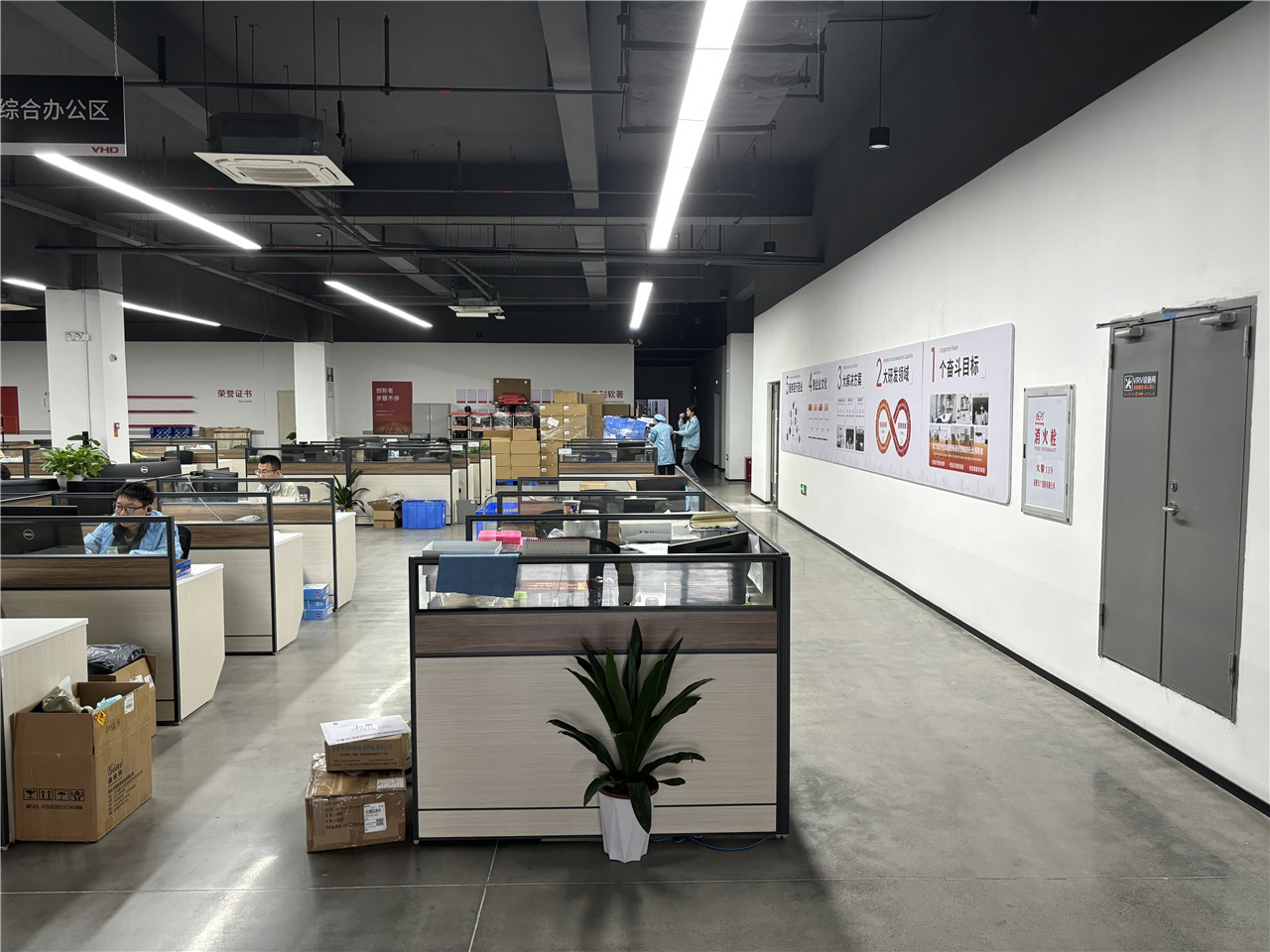
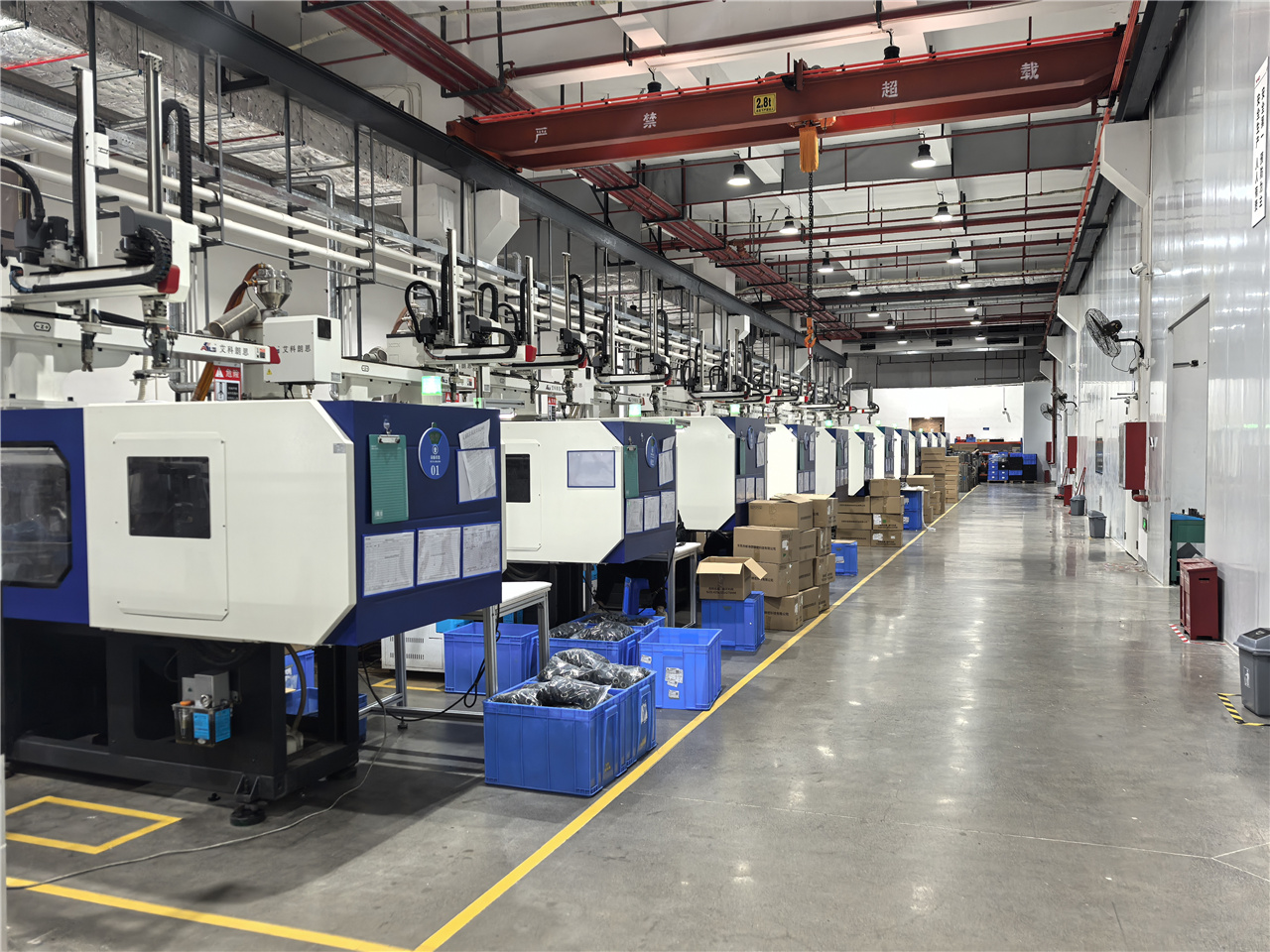
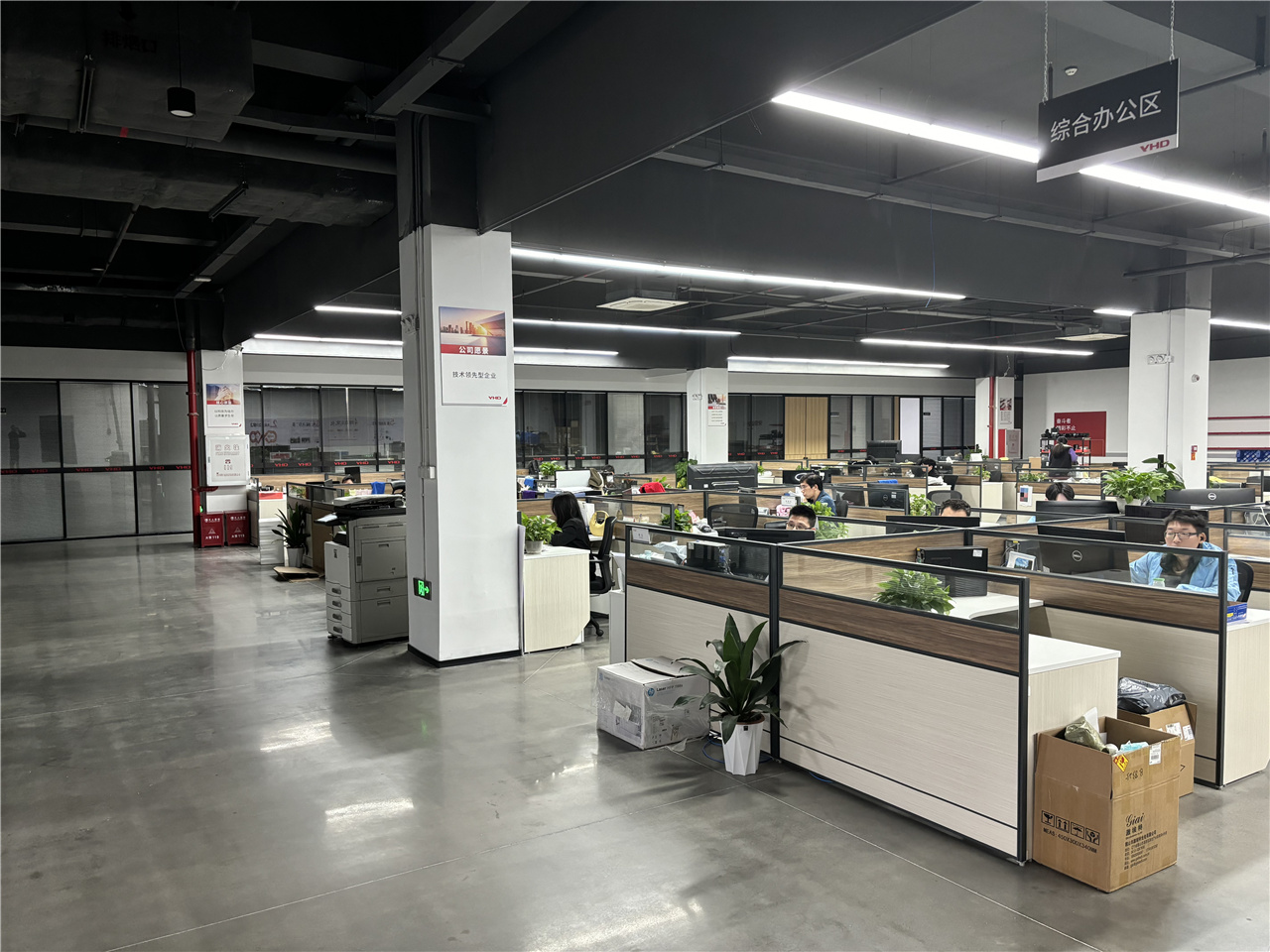
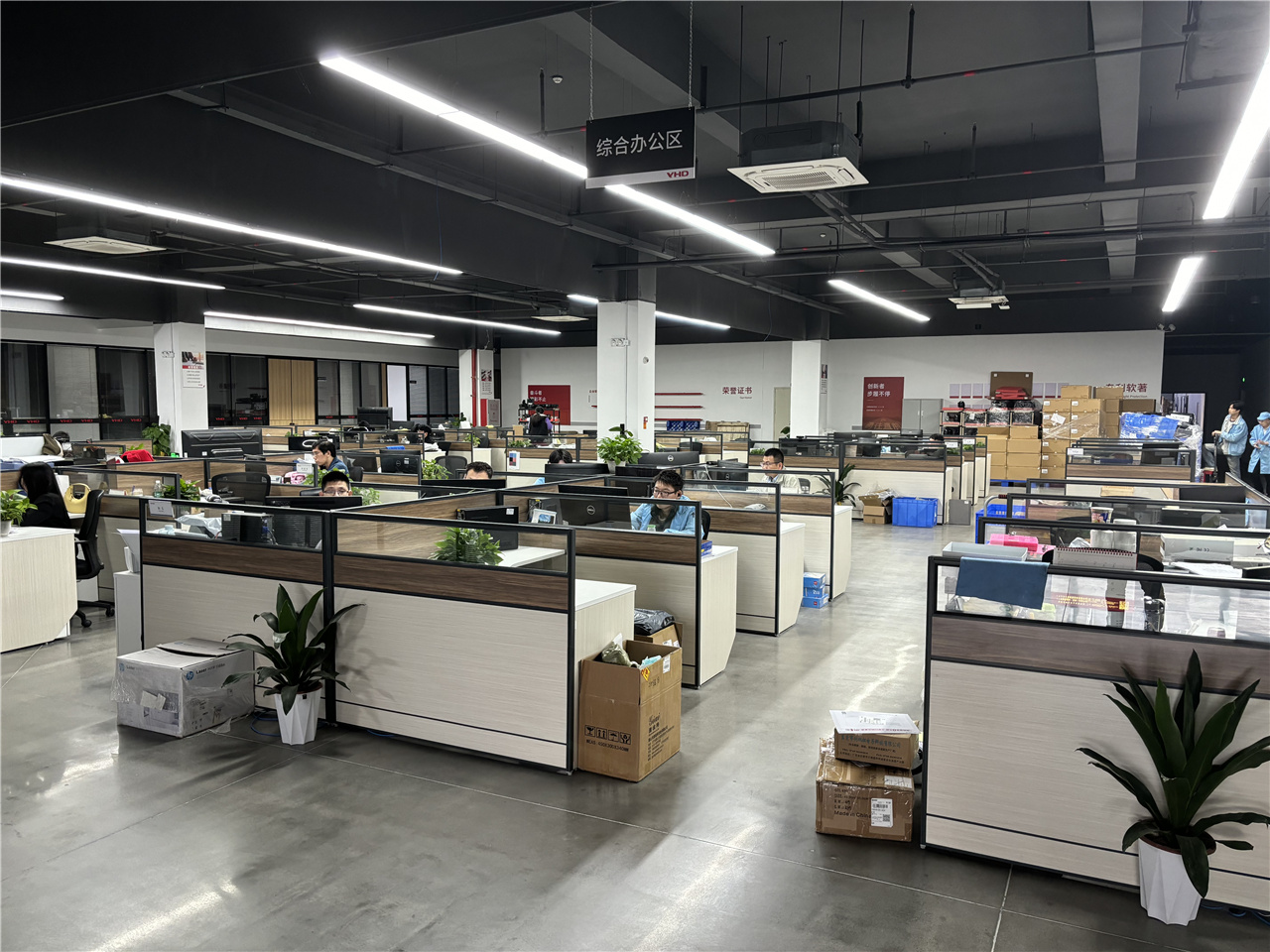
Our dedicated engineering team applies Design for Manufacturing (DFM), Design for Testability (DFT), thermal simulation, and Electromagnetic Compatibility (EMC) pre-compliance analysis to optimize performance and accelerate development. We support global enterprise clients across the full OEM/ODM product lifecycle, providing customized enclosure molds, customized optical Germanium lens assemblies, custom PCBA layout engineering, and targeted SDK/API firmware development for Android, iOS, Windows, and Linux operating systems.
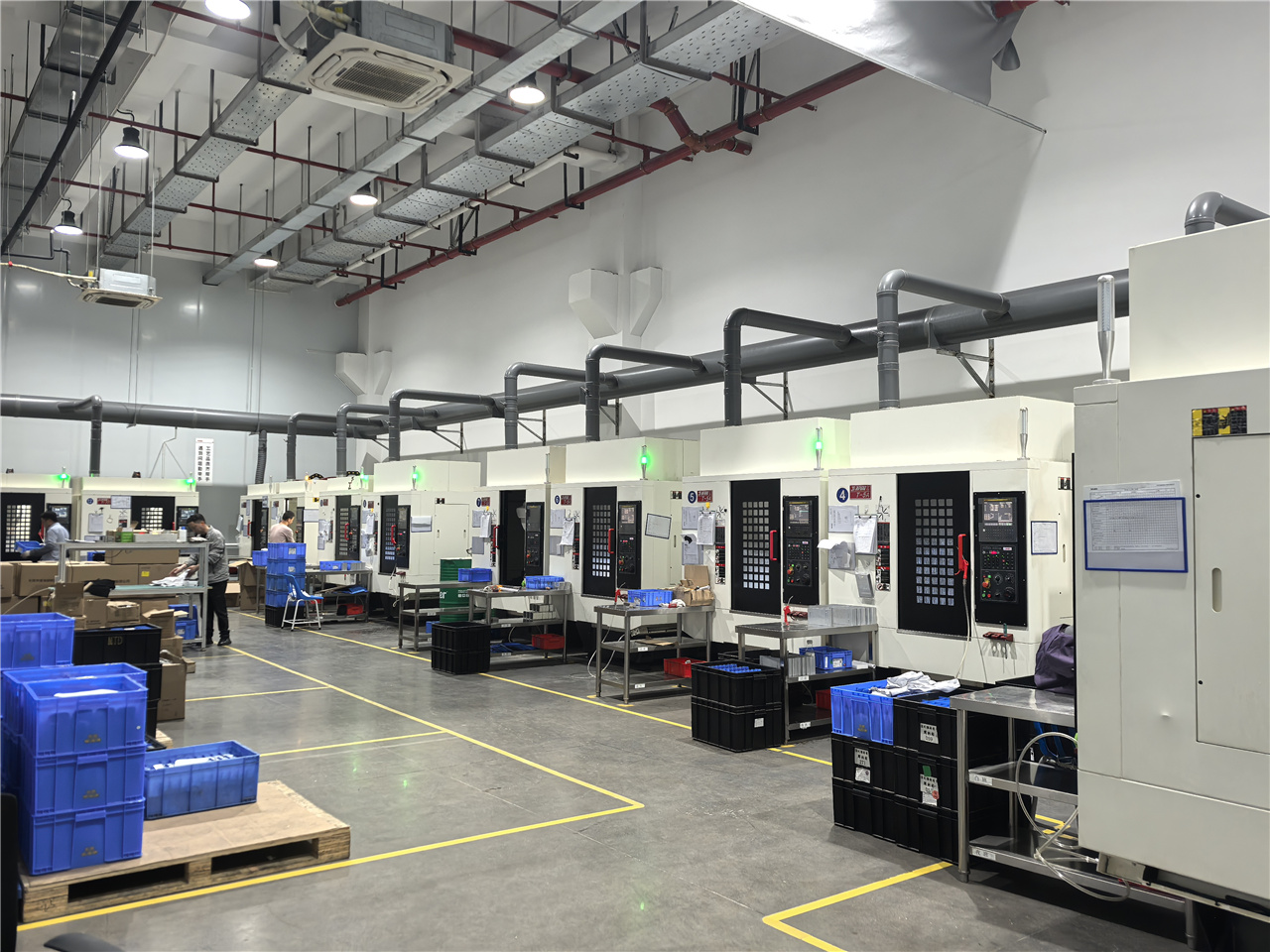
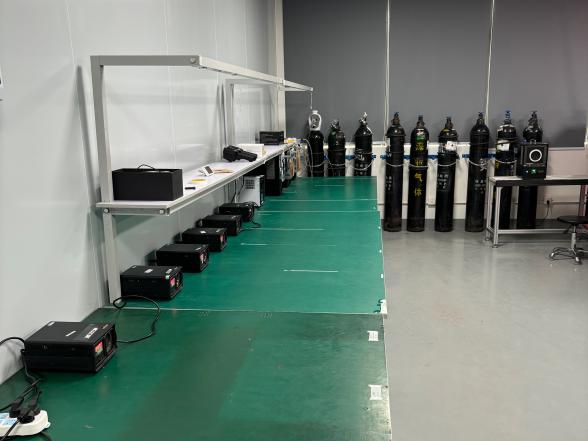
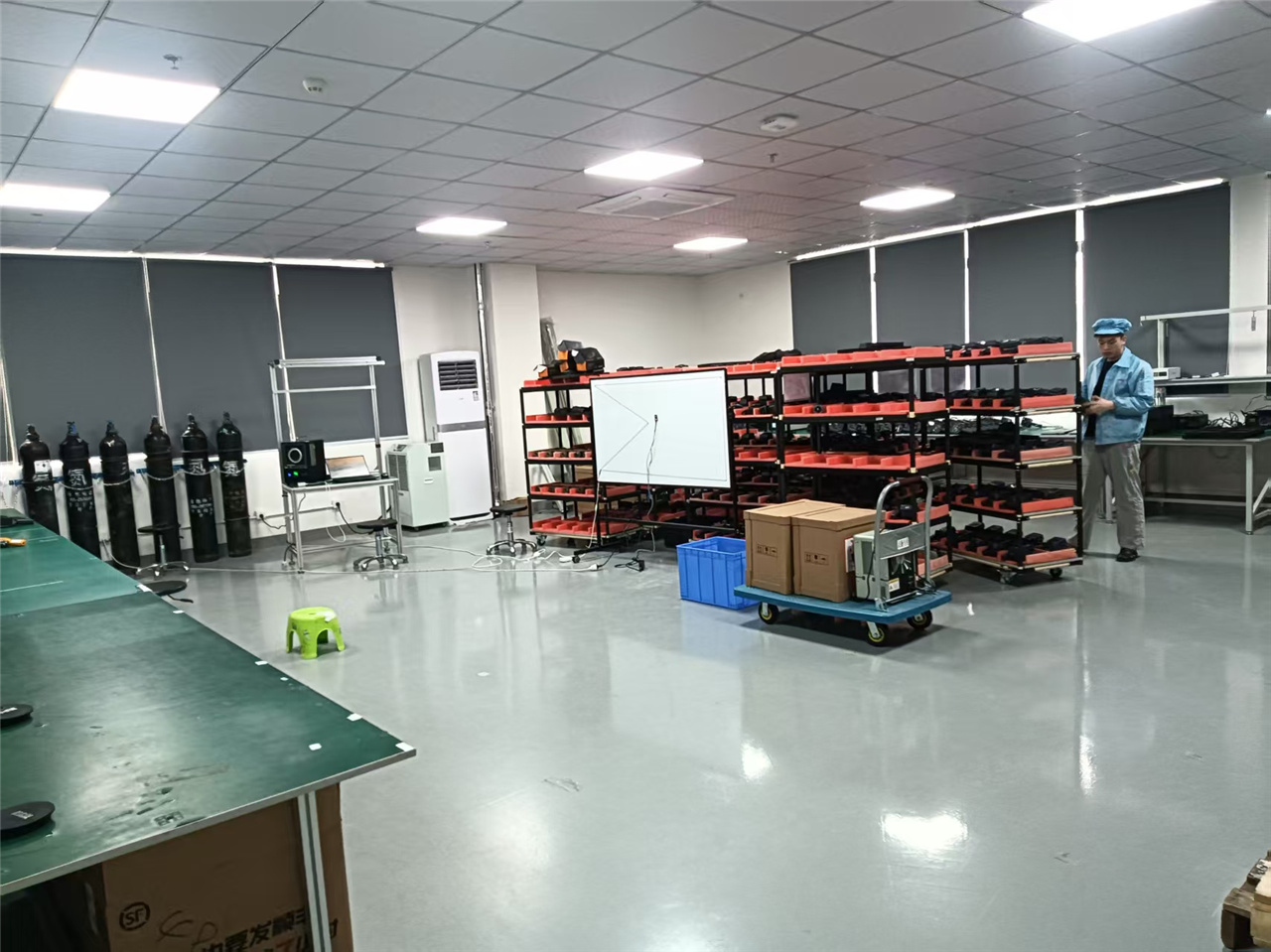
Our state-of-the-art production base leverages cleanroom assembly environments, automated SMT surface mount machinery, and blackbody calibration chambers to guarantee consistent temperature accuracy across every thermal unit shipped.
Navigating international regulatory frameworks is vital for global distributors and brand owners. A custom thermal camera must comply with rigorous electrical safety, electromagnetic interference, and hazardous substance standards. Shenzhen Dianyang Technology provides comprehensive turn-key compliance documentation, aiding enterprise clients in seamless customs clearance and local market certification.
Full conformance with Electromagnetic Compatibility (EMC) Directive 2014/30/EU and Electrical Equipment Safety Regulations for European and British market access.
FCC Part 15 Class B certified for low electronic emissions, alongside strict RoHS 2.0 directive compliance, ensuring lead-free and eco-friendly manufacturing.
Full chemical toxicity documentation under EU REACH regulations, complemented by IECEE CB Scheme certificates for international safety recognition.
Localized market approvals for East Asia, including South Korea's KC mark and Japan's PSE electrical safety certification, ensuring fast regional deployment.
Custom thermal imaging sensors designed by Dianyang serve diverse real-world diagnostic applications worldwide. By delivering tailored software algorithms and custom optical enclosures, our sensors excel across challenging operational environments:
High-voltage transformers, switchgear connections, and distribution panels develop resistive heating prior to catastrophic breakdown. Handheld cameras like the DP-25DR and DP-38D enable utility technicians to inspect energized gear from safe standoff distances, detecting micro-kelvin anomalies before outages occur.
Engineers designing high-density printed circuit boards rely on benchtop thermal analyzers and specialized mobile modules like the H2FB to pinpoint short circuits, trace overcurrent conditions, and evaluate heat-sink thermal dissipation performance during R&D stress testing.
Thermal leaks, missing insulation, moisture ingress behind drywall, and failing HVAC ducting represent major operational expenses for facility managers. Dual-light thermal imagers quickly map building envelopes, capturing visual and infrared imagery for client reporting.
By connecting directly to iOS or Android devices via Type-C connectors, mobile thermal imagers convert standard smartphones into powerful industrial diagnostic platforms. Field technicians gain instant thermal imaging without lugging bulky dedicated equipment.
Technical clarity on custom manufacturing, MOQ, SDK integration, and delivery cycles.
Select from our benchmark thermal camera models for direct factory wholesale and custom ordering.
 Dianyang