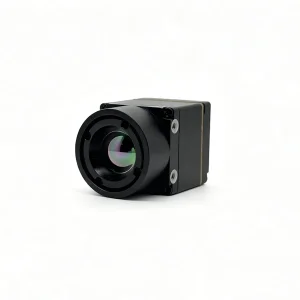
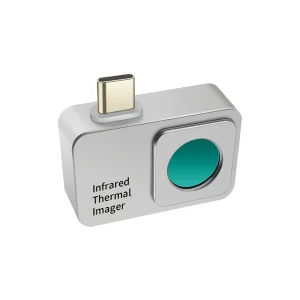
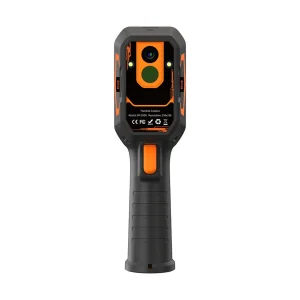
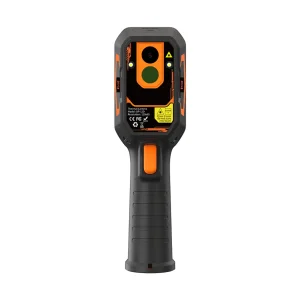
High-precision radiometric hardware fully compatible with specialized reporting and analysis software.
How modern thermography is evolving from simple thermal capture to enterprise-grade automated reporting software integration.
Global industrial sectors are rapidly transitioning from reactive maintenance to Condition-Based Monitoring (CBM) and Predictive Maintenance (PdM). Modern facilities demand robust thermographic software that parses microbolometer raw radiometric telemetry into actionable maintenance schedules, minimizing unscheduled downtime in power utilities and automated manufacturing plants.
Compliance frameworks such as ISO 6781, NFPA 70B, and IEC 60364-6 mandate structured, auditable thermal reporting. Custom software platforms simplify compliance by embedding auto-calculated ∆T (temperature differential) algorithms, emissivity tables, and standardized PDF report generation tailored to regional regulatory authorities.
The hardware-only business model is giving way to unified hardware-software ecosystems. Thermographers require seamless synchronisation between handheld cameras, smartphone modules, and cloud reporting engines to instantly generate field inspection documents and dispatch work orders via REST API integrations.
Deep dive into software engineering requirements for high-performance infrared reporting engines.
Standard thermal images (JPEG) often lack temperature depth. Professional custom reporting software processes raw binary pixel matrices containing absolute temperature telemetry. By reading metadata blocks embedded inside proprietary formats or standard radiometric JPEGs, the software allows technicians to adjust critical parameters after capture:
Leveraging computer vision, enterprise thermal reporting software can automatically segment hot spots, phase unbalances, and structural thermal leaks. Key features include:
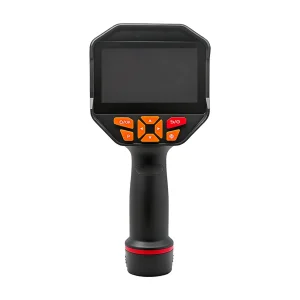
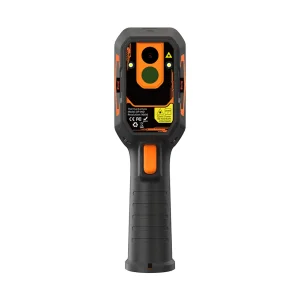
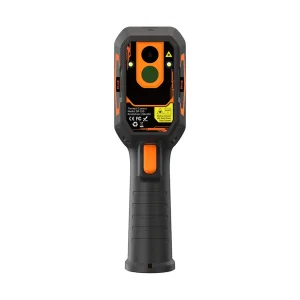
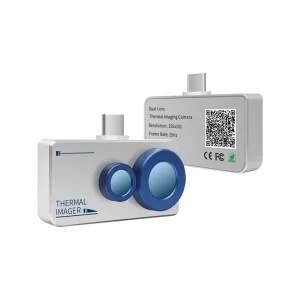
Our thermal imaging reporting software framework supports native C++, Python, C#, and web-based WebAssembly SDKs. Built to seamlessly pair with handheld thermal imagers (DP Series) and mobile modules (H2/H1 Series):
RAW Radiometric Data, Standard Radiometric JPEG, CSV Temperature Matrix, Geo-TIFF (Drone/GIS integration).
Automated PDF (ISO Layout), Editable DOCX, XLSX Batch Exports, JSON Web API Payload for CMMS/ERP integration.
USB Type-C UVC Stream, Wi-Fi 802.11 b/g/n live telemetry streaming, Direct SD Card batch import.
Tailored hardware-software combinations for specialized domain requirements across global markets.
Power transmission lines and distribution switchgears suffer from contact resistance, transformer overload, and phase imbalances. Utilizing handheld thermal imagers like the DP-64D (640x512 resolution) combined with custom batch-reporting software allows utility providers to inspect thousands of electrical assets. The software aggregates thermal profiles, automatically generates work order alerts, and logs comparative historical thermal trends over multi-year cycles.
Thermal bridging, insulation voids, and hidden air leakage account for massive commercial energy losses. Inspectors leverage smartphone-connected thermal sensors (such as the H2FB series) paired with custom client-facing reporting apps. Thermal reports calculate building heat loss indices, verify compliance with green building standards (LEED, BREEAM), and provide clear, visual ROI metrics for retrofit projects.
In electronic engineering labs, identifying component thermal stress on printed circuit boards requires fine thermal resolution and dedicated desktop analysis software. OEM micro-modules like the MD-64CA output raw thermal frame sequences to desktop software, enabling engineers to map heat dissipation plots, measure tiny surface mount device temperatures, and optimize thermal heatsink designs.
Continuous thermal inspection in manufacturing lines prevents conveyor bearing lock-ups, pipe blockages, and refractories breakdown. Fixed-mount modules integrated with enterprise SCADA systems monitor real-time thermal boundaries, trigger early fire warning alarms, and push diagnostic logs automatically into custom cloud reporting servers.
Where thermal imaging software and hardware engineering is headed over the next decade.
Next-generation thermal imagers will process neural network algorithms directly on embedded hardware chips (NPU). Real-time hot spot classification, object tagging, and fault estimation will occur locally on handheld cameras before syncing with reporting software engines.
Integrating high-resolution radiometric thermal sensors with visible light, acoustic leak detection sensors, and millimeter-wave radar payload data into unified diagnostic platforms for hyper-accurate facility assessment.
Shift from standalone PC reporting software to cloud-native thermography suites. Field technicians capture images via smart handheld devices, and reports are compiled, formatted, and emailed to clients automatically using AI report generators.
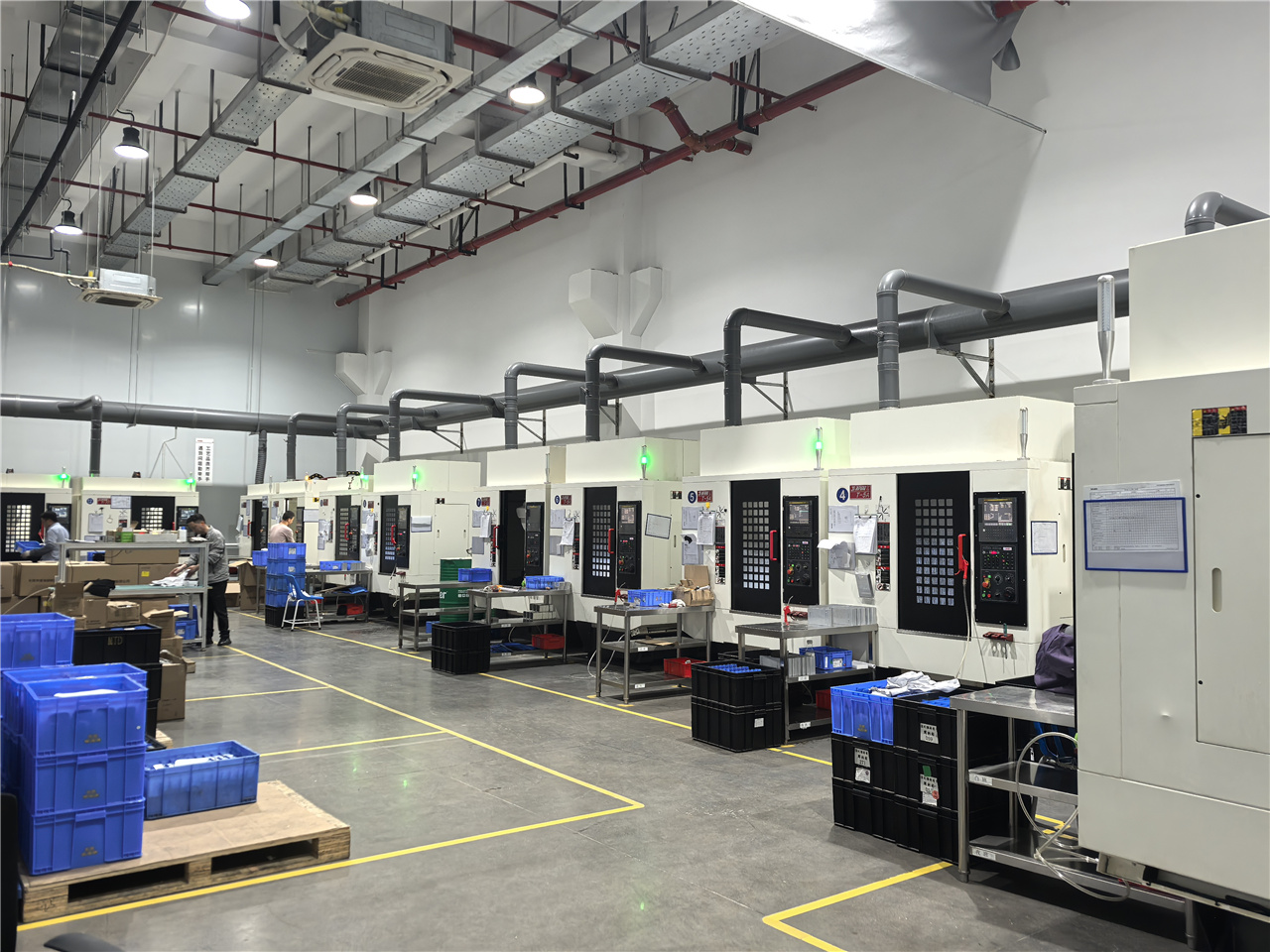
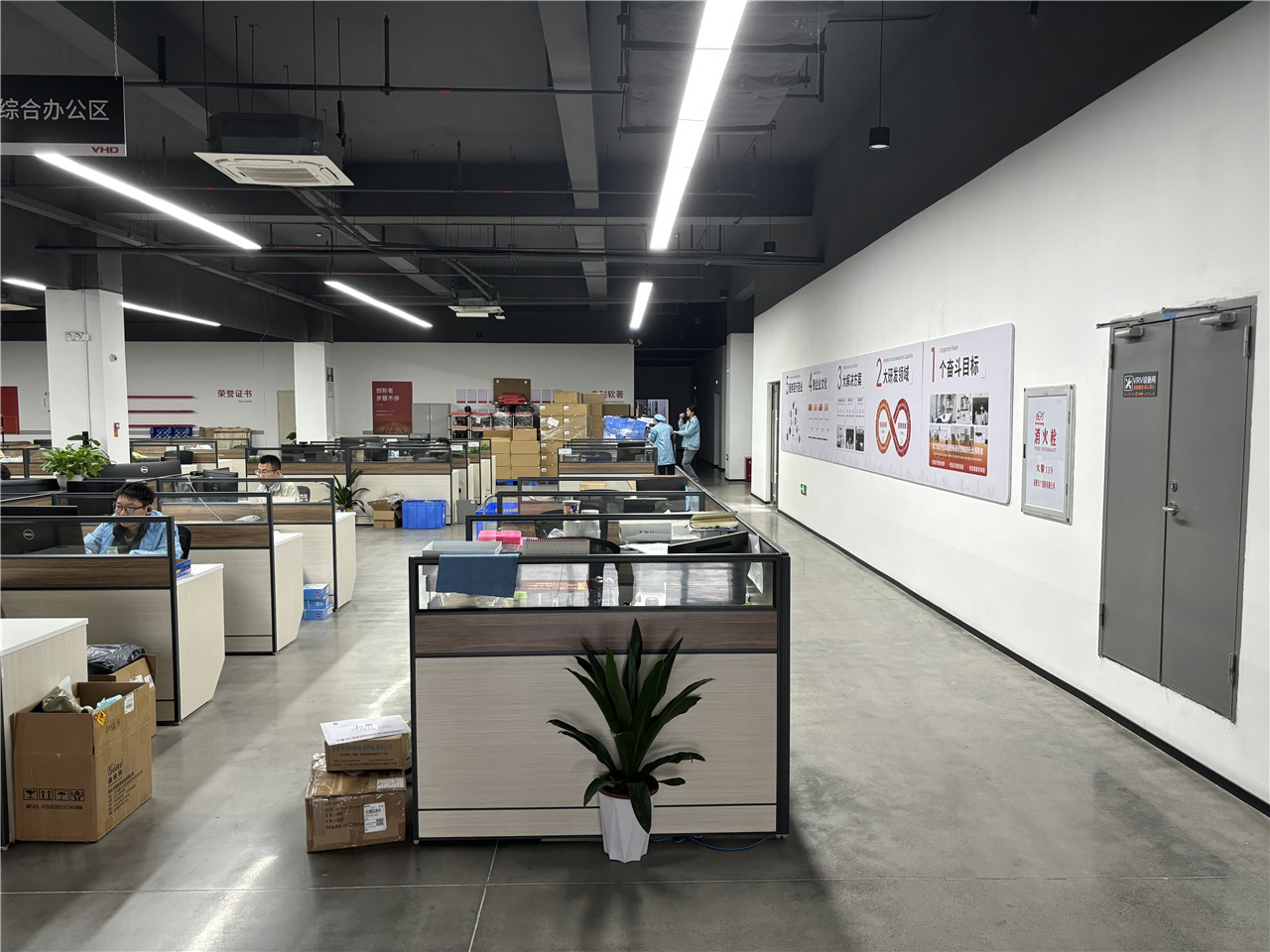
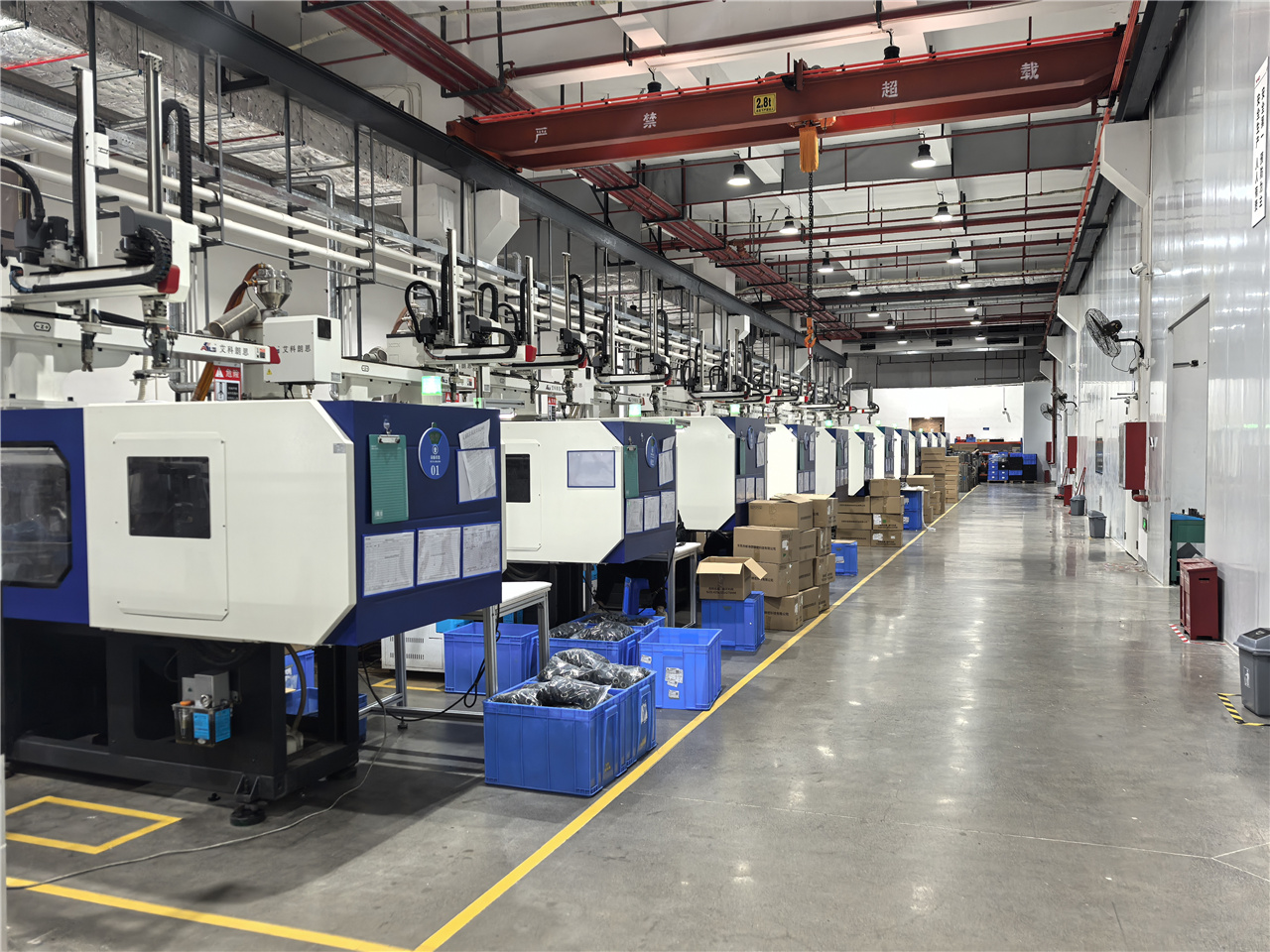
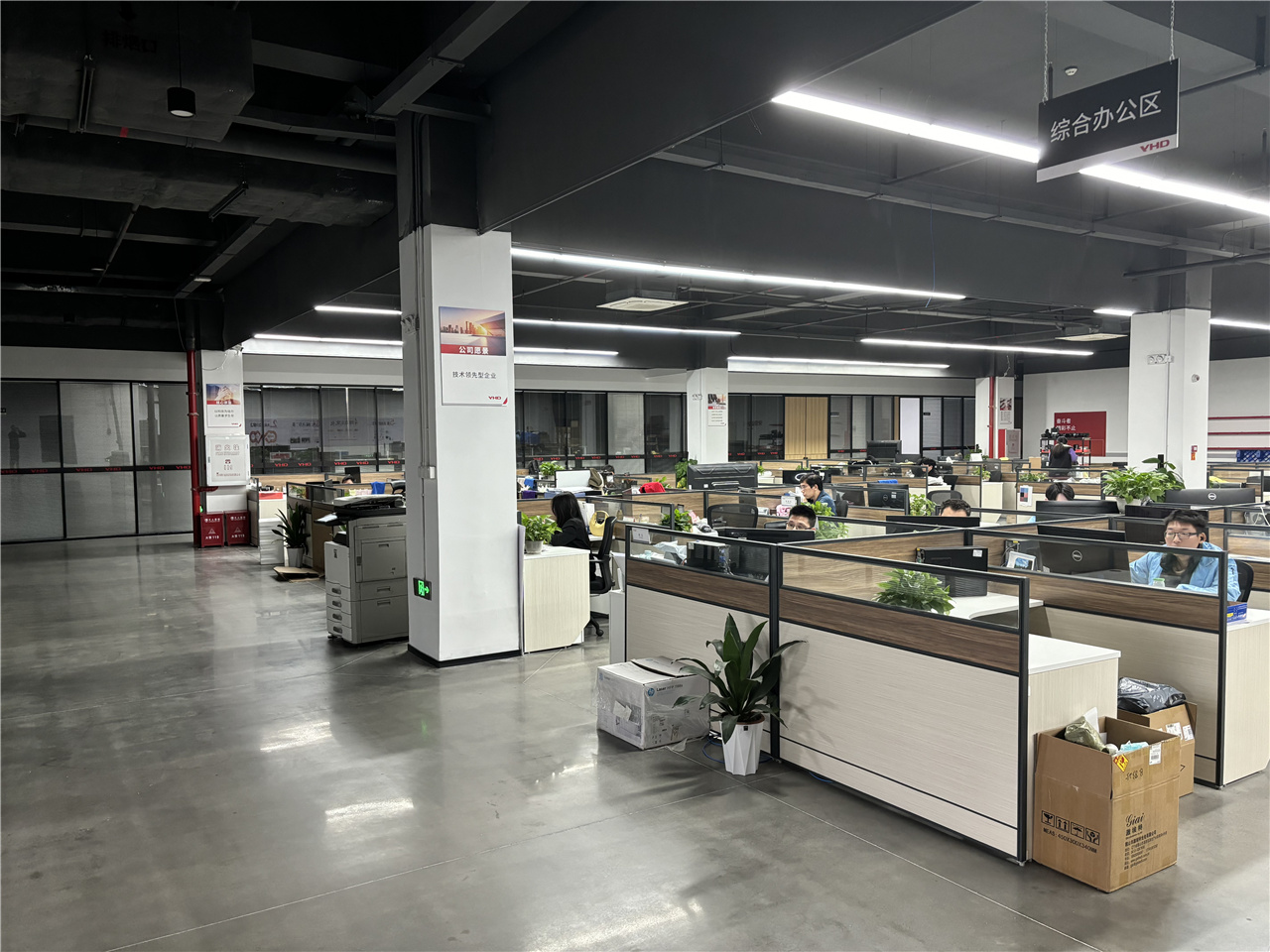
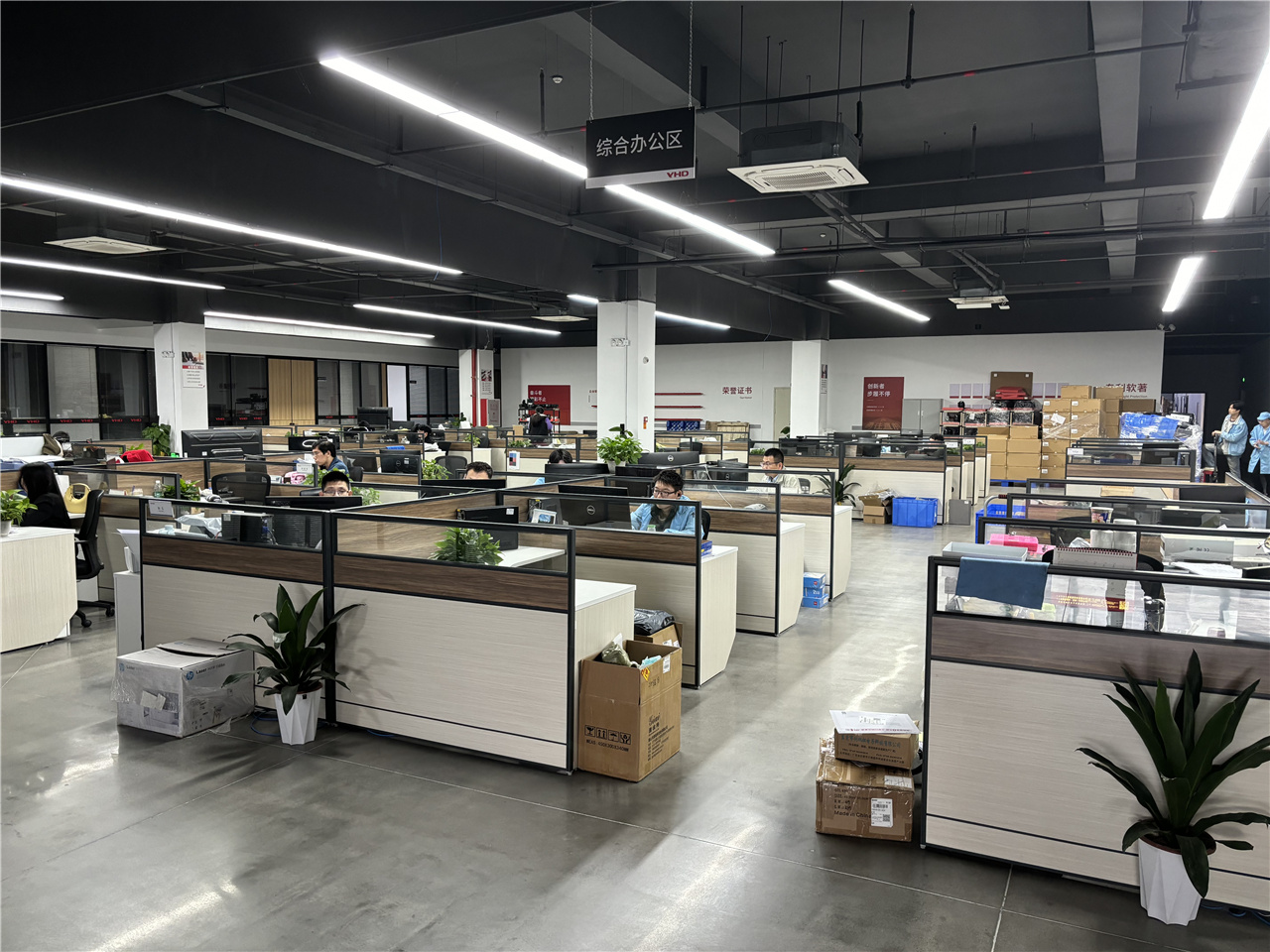
Shenzhen Dianyang Technology Co., Ltd. is a subsidiary of VHD (Shenzhen VHD Technology Co., Ltd.), a publicly listed company on the Shenzhen Stock Exchange. This strategic affiliation gives Dianyang unique access to VHD’s advanced R&D platforms, high-precision manufacturing systems, and rigorous quality management practices—enabling us to deliver thermal imaging products of higher reliability and consistency than typical ODMs.
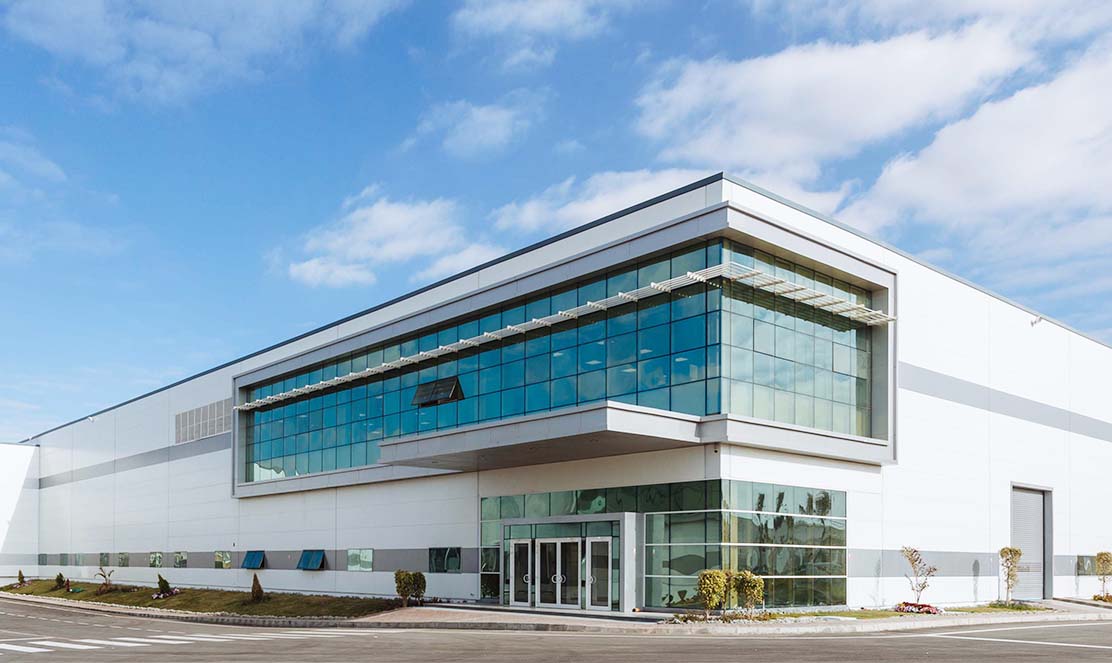
We specialize in ODM/OEM services for infrared thermal imaging solutions, including handheld thermal imagers, smartphone-connected thermal cameras, thermal analyzers, and thermal imaging telescopes. Our products serve global customers in power inspection, building diagnostics, firefighting, industrial maintenance, and outdoor applications.
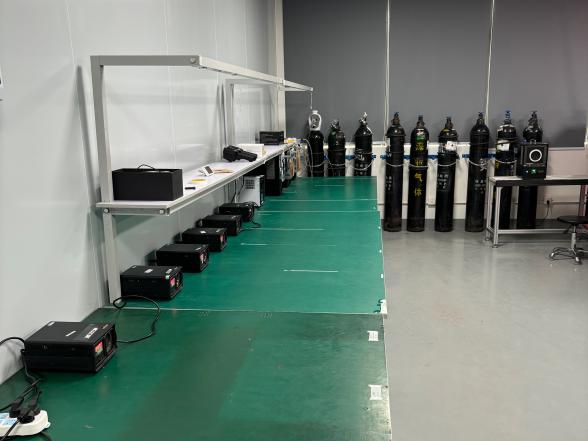
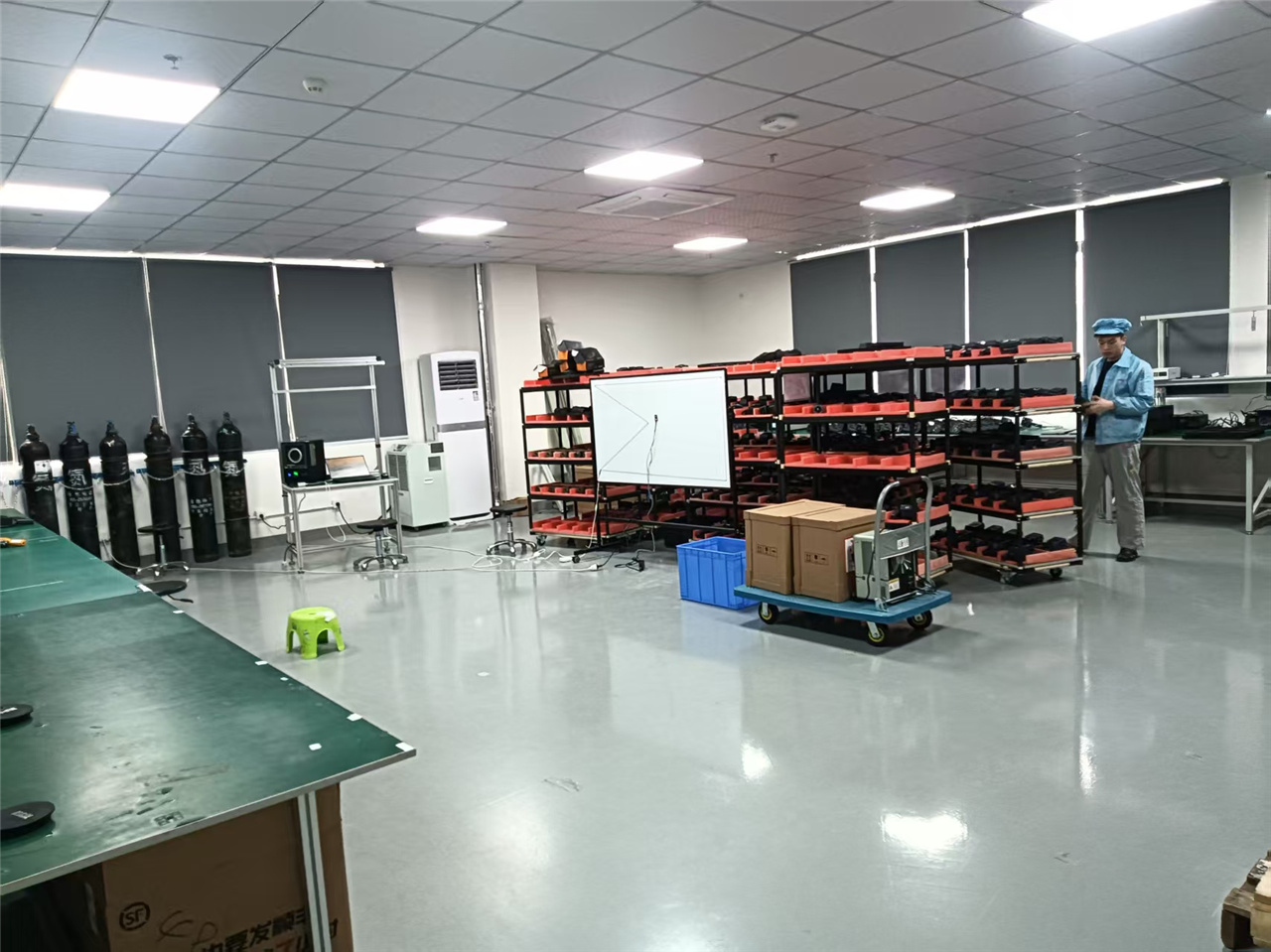
Our dedicated engineering team applies Design for Manufacturing (DFM), Design for Testability (DFT), thermal simulation, and EMC pre-compliance analysis to optimize performance and accelerate development. We also support clients in obtaining key international certifications:
Technical and commercial information regarding custom thermal imaging software customization and OEM hardware supply.
Yes. As a leading OEM/ODM supplier, Shenzhen Dianyang provides complete white-label software customization. This includes custom branding UI, proprietary report layouts, localized multi-language interfaces, specialized emissivity reference tables, and automated company logo header/footer embeds in export reports.
Absolute transparency is maintained across our product lines. We offer comprehensive SDKs (Software Development Kits) and APIs for Windows, Android, iOS, and Linux platforms. Engineers can access raw radiometric thermal data streams from our DP, H2, and MD series hardware to build custom desktop, web, or mobile software applications.
We offer a wide hardware matrix starting from cost-effective 96x96 thermal cores (DP-09D), 160x120, 256x192 (DP-25D, H2FB), up to high-end 640x512 resolution (DP-64D). Our thermal imagers achieve temperature measurement accuracy of ±2°C or ±2% with wide ranges spanning -20°C up to +550°C, ensuring reliable radiometric data input for software analytics.
Backed by our publicly listed parent company VHD (Shenzhen Stock Exchange), Dianyang operates robust supply chain controls, standardized component sourcing, and active long-term product lifecycles. We guarantee software API stability and continuous security updates across all OEM/ODM contracts.
Explore our versatile thermal imager series designed for OEM integration and custom reporting software compatibility.
 Dianyang