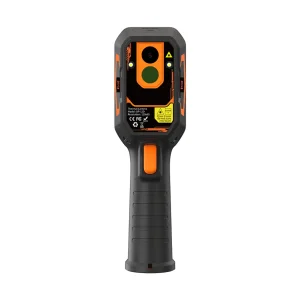
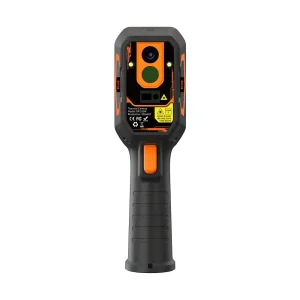
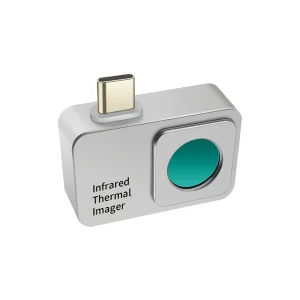
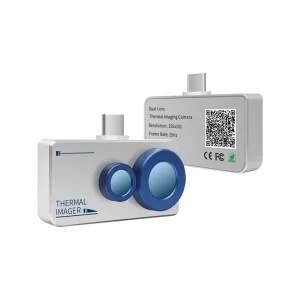
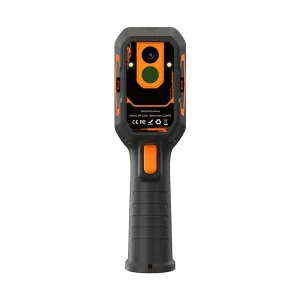
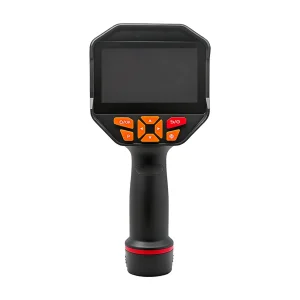
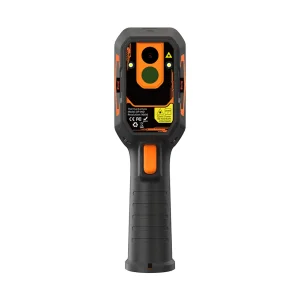
Explore our flagship radiometric infrared imaging products engineered for immediate temperature anomaly detection, critical asset monitoring, and custom industrial integrations.
In critical industrial, municipal, and commercial infrastructures, conventional fire protection systems—such as point optical smoke detectors, aspirating smoke systems, and ultraviolet/infrared flame detectors—exhibit inherent physical limitations. Smoke detectors require airborne particulate matter to physically migrate into the sampling chamber, introducing unacceptable latency in high-ceiling environments (such as warehouses, hangars, and recycling centers) due to thermal stratification and air draft dilution. Flame detectors, conversely, trigger only after visible combustion is underway, far past the window of early mitigation.
Radiometric sensors track microscopic temperature changes (NETD <40mK), identifying hot spots during the initial chemical oxidation phase—hours prior to visible smoke or flame emergence.
Embedded deep-learning edge algorithms analyze thermal signatures, spatial motion, and pixel growth rates to instantly reject non-fire heat sources like engine exhaust, solar reflections, and temporary machinery heating.
A single 384x288 or 640x512 custom radiometric lens system can replace dozens of legacy point detectors, monitoring thousands of continuous square meters with customized region-of-interest (ROI) temperature thresholds.
Custom thermal camera fire detection systems provide vital protection across hazardous environments where conventional fire alarms fail.
Lithium-ion thermal runaway represents one of the most severe hazards in modern renewable grid infrastructure. Customized radiometric cameras continuously track individual module temperatures, issuing automated pre-alarms prior to off-gassing and catastrophic thermal chain reaction.
Spontaneous combustion in deep waste piles and paper recycling facilities creates frequent hazardous fires. Thermal cameras mounted on pan-tilt heads continuously scan waste pits, pinpointing internal exothermic heating points for target suppression before open flame erupts.
High-density automated storage systems (ASRS) obstruct airflow, delaying smoke propagation to ceiling detectors. Dual-spectrum optical and thermal sensors scan rack aisles, identifying friction overheating in conveyor bearings or smoldering packaging materials immediately.
Overloaded transformers, corroded busbars, and deteriorating switchgear exhibit distinct thermal signatures prior to electrical arc faults. Radiometric monitoring prevents catastrophic power grid destruction and expensive facility downtime.
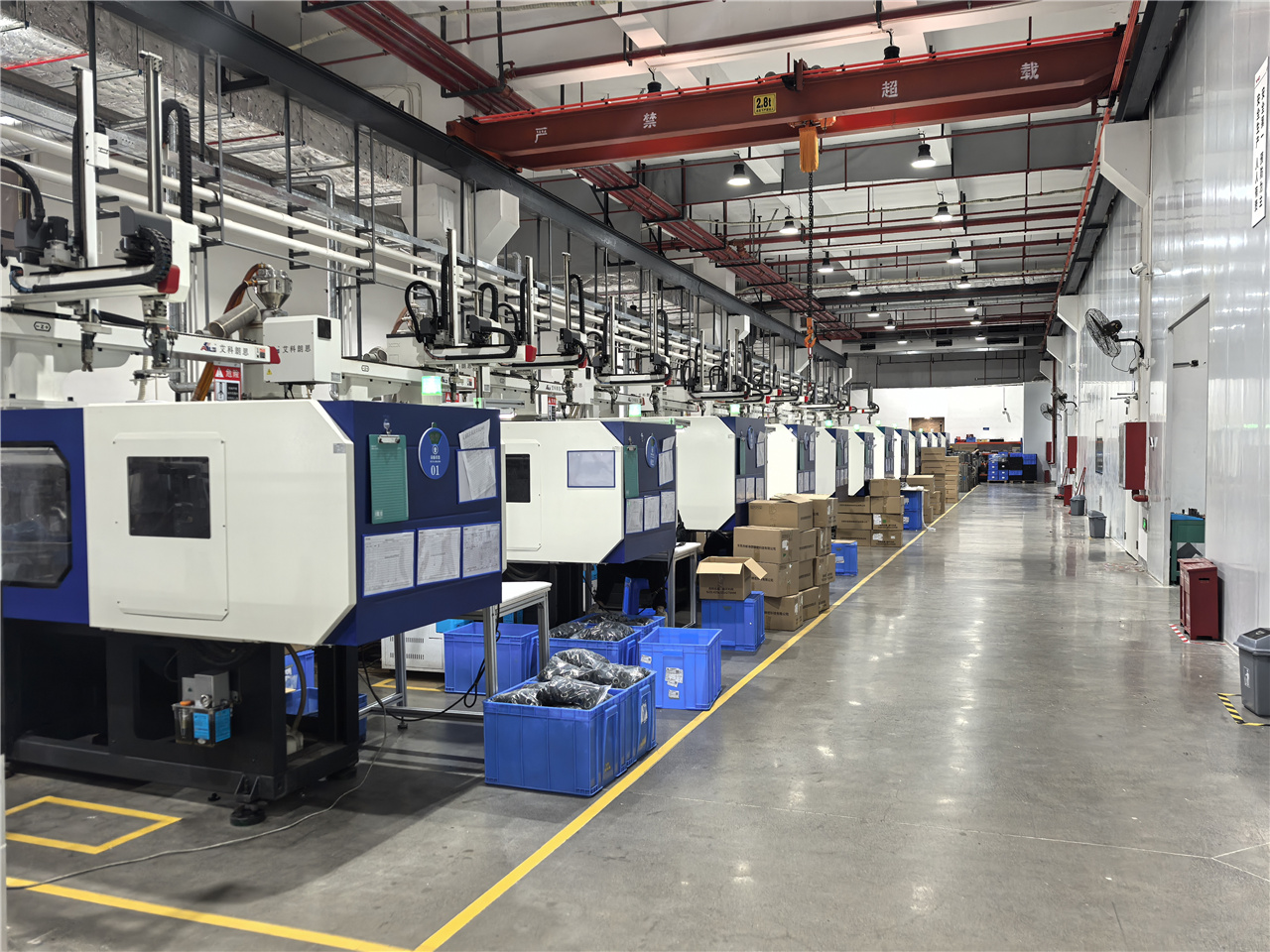
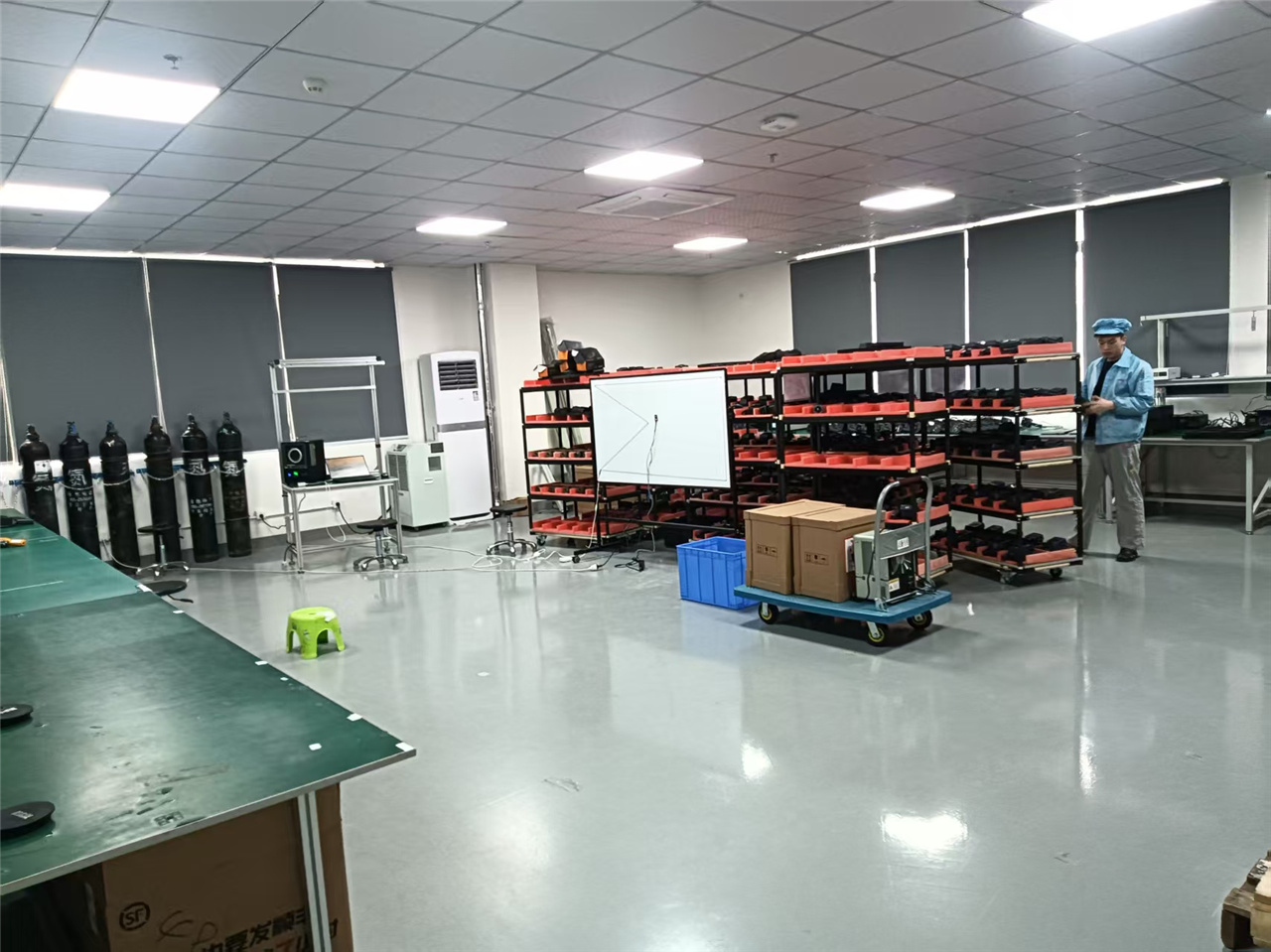
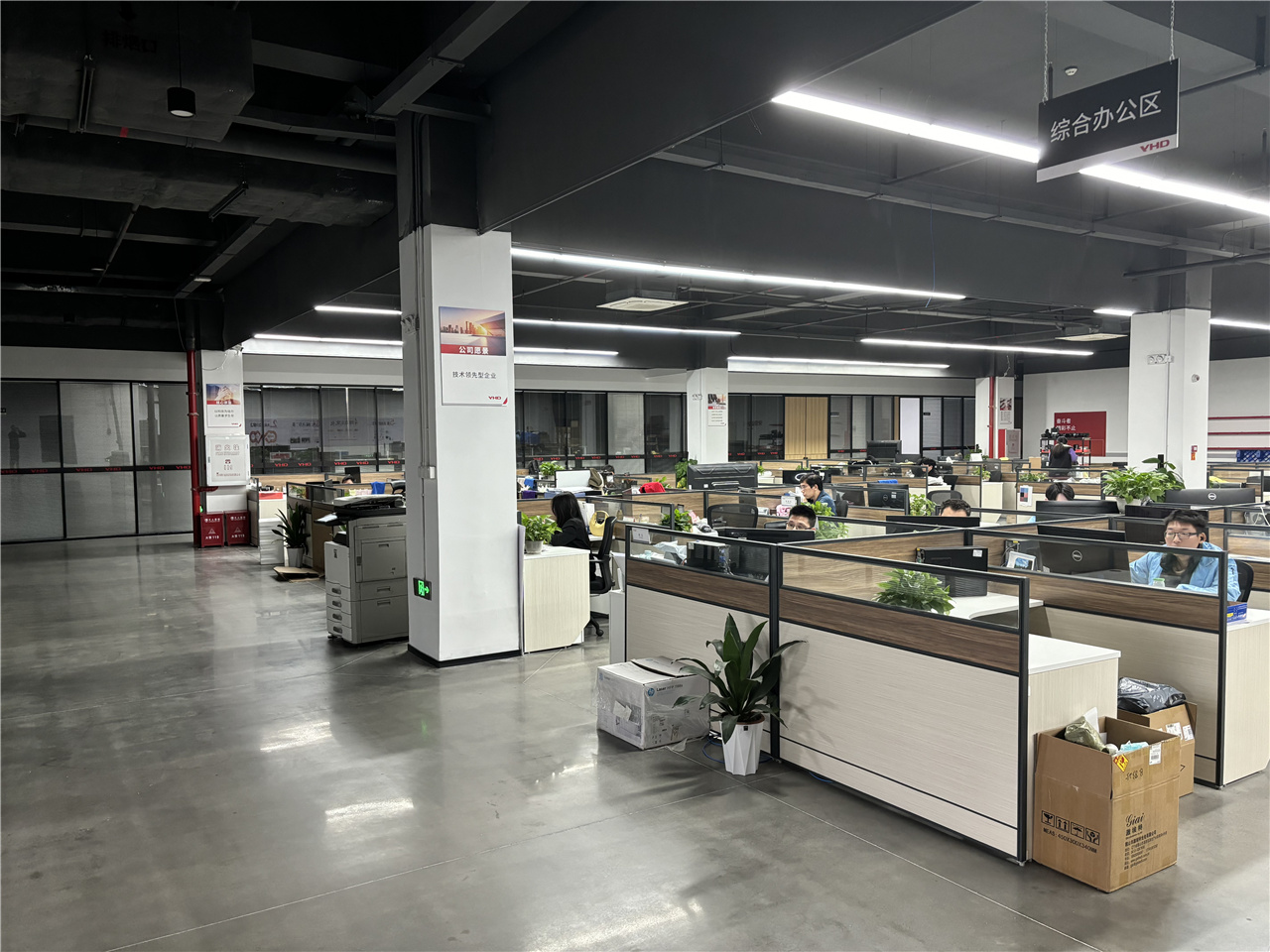
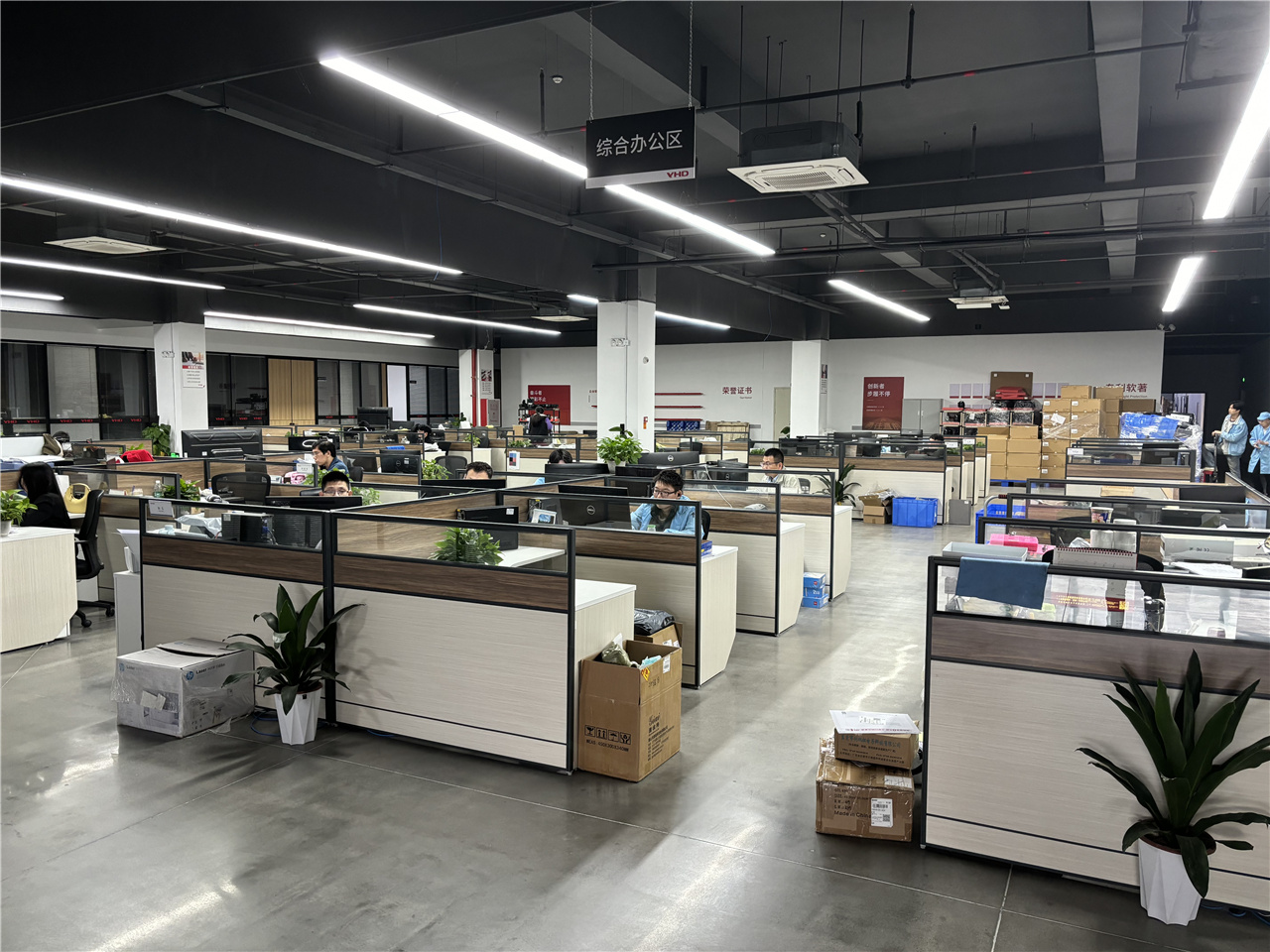
Shenzhen Dianyang Technology Co., Ltd. operates as a key subsidiary of VHD (Shenzhen VHD Technology Co., Ltd.), a publicly listed enterprise on the Shenzhen Stock Exchange. This strategic alliance grants Dianyang privileged access to VHD’s state-of-the-art optical R&D platforms, mega-scale Surface Mount Technology (SMT) automated assembly suites, and world-class reliability testing infrastructure.
Our engineering team integrates DFM methodologies at inception, ensuring that complex microbolometer assemblies, Germanium lens optics, and IP67 weather-sealed housing designs seamlessly transition to high-yield mass production.
Automated optical alignment, high-precision temperature calibration blackbodies, and computerized board-level test routines guarantee uniform measurement accuracy across millions of temperature data points.
Before physical prototyping, advanced finite element analysis (FEA) thermal dissipation modeling and electromagnetic compatibility (EMC) pre-compliance tests ensure rugged performance under harsh industrial noise.
Our modern facilities strictly follow ISO9001 and ISO14001 quality management standardizations.
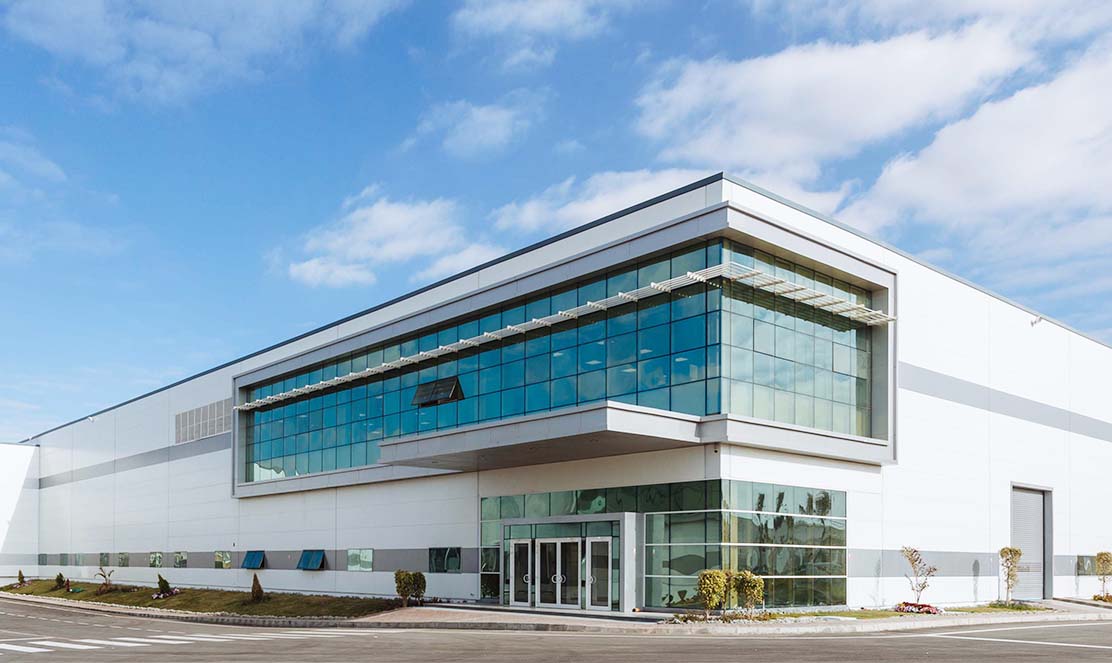
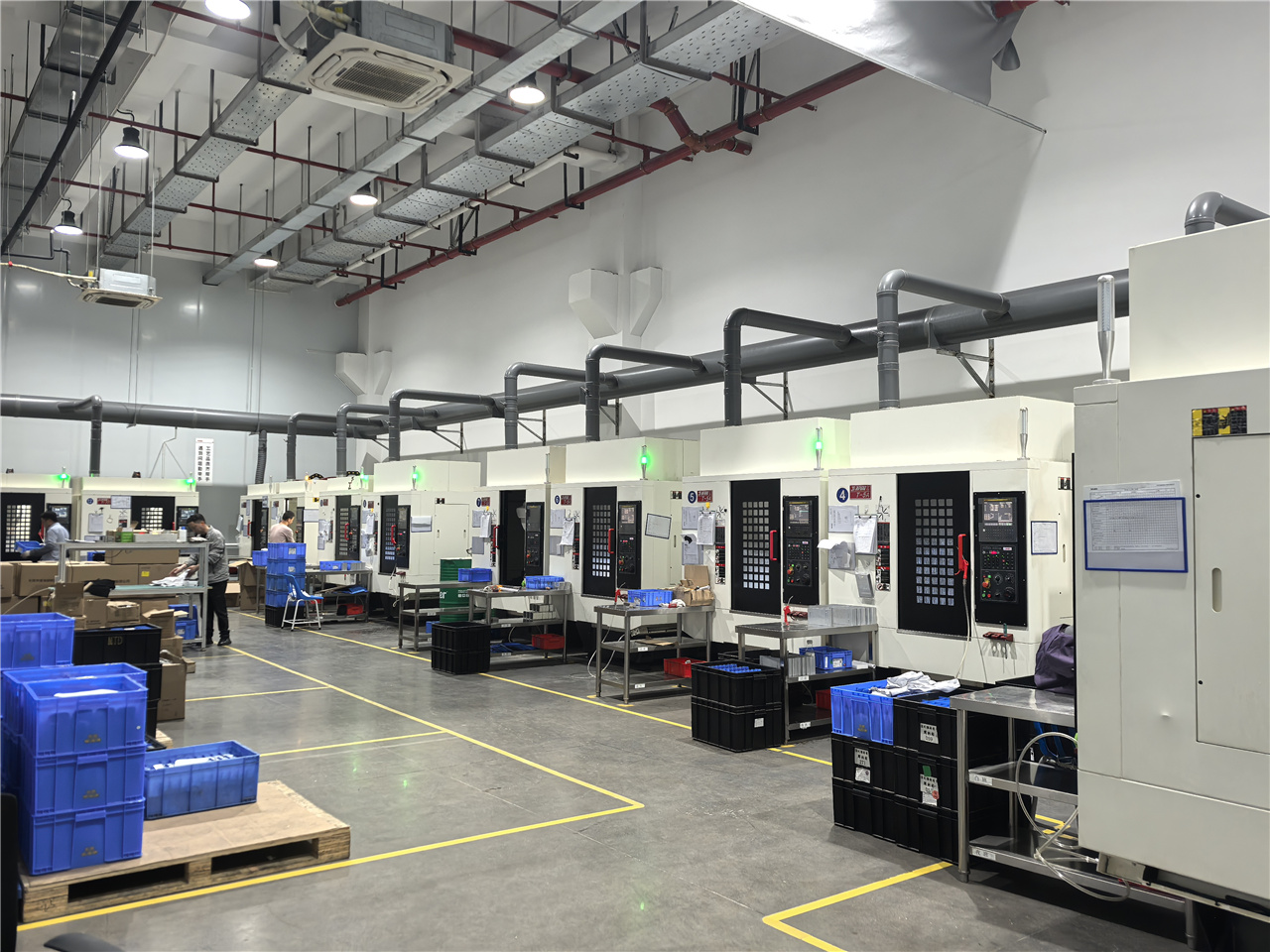
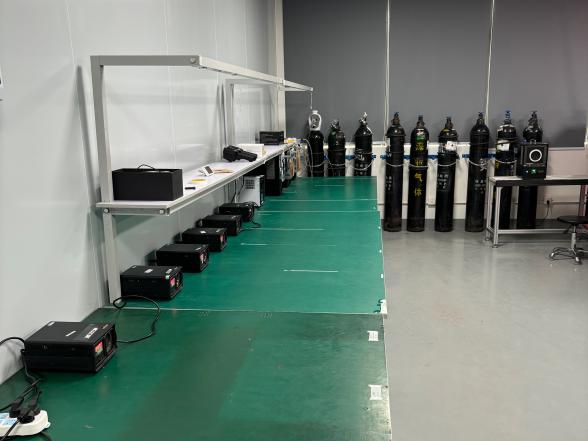
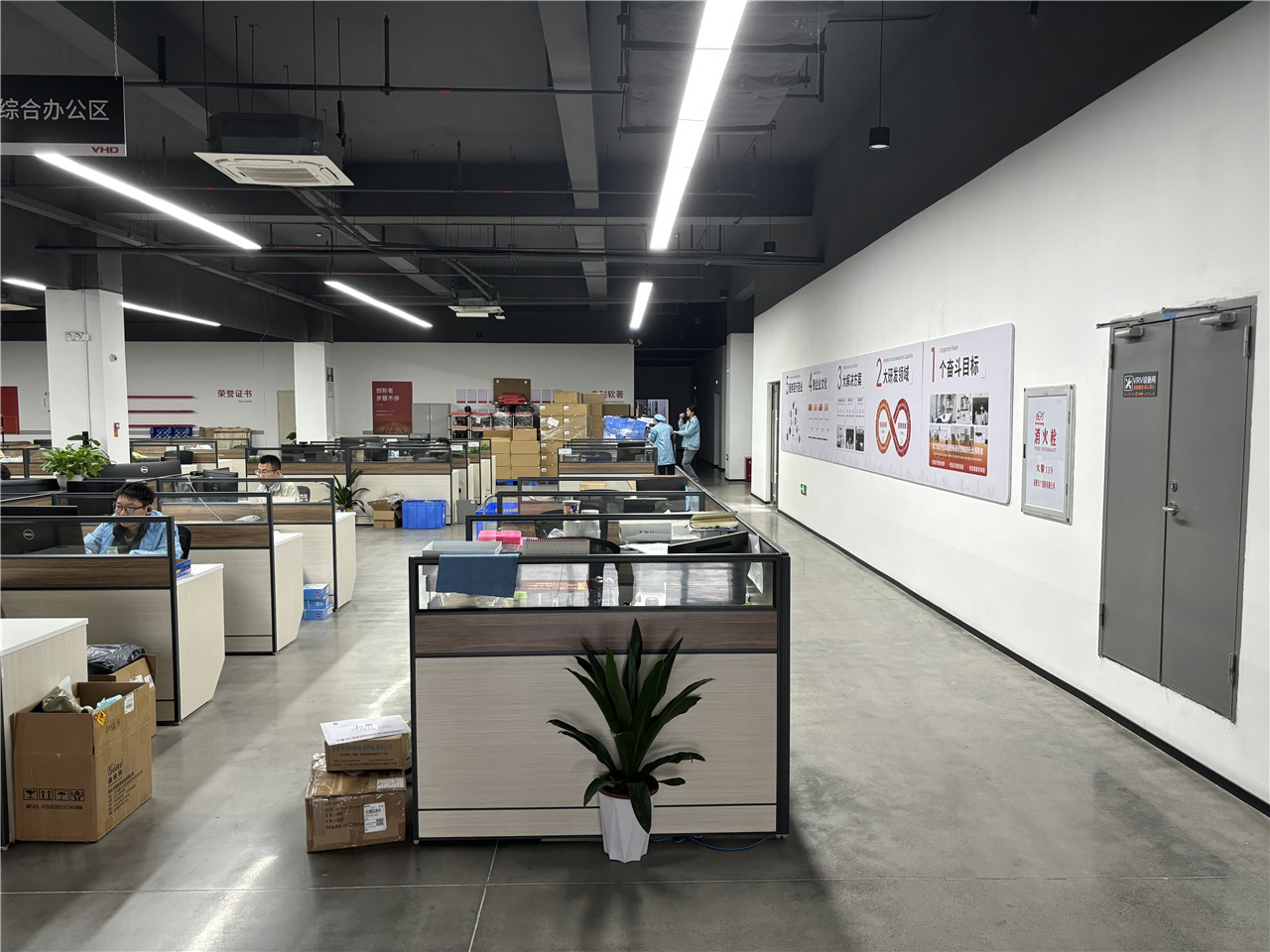
Dianyang Technology continues to advance infrared photonics, edge artificial intelligence, and multi-sensor fusion.
Transitioning from 12μm pixel pitch microbolometers to next-generation 7μm ultra-sensitive arrays, drastically reducing camera module footprint while expanding spatial resolution up to 1280x1024 radiometry.
Embedding Neural Processing Units (NPUs) directly into camera cores to perform real-time pixel-level fusion of visible HD optics, thermal radiometry, and gas dispersion spectrums (Optical Gas Imaging).
Native MQTT, Modbus TCP, and ONVIF Profile S/G/T protocol standardizations for direct cloud streaming, allowing predictive AI models to calculate remaining asset life and fire probability based on historical heat maps.
Browse our extended portfolio of OEM, ODM, and handheld thermal imaging equipment for advanced maintenance, electrical diagnostics, and dual-light surveillance.
To ensure seamless international trade and deployment across North America, Europe, Asia-Pacific, and Latin America, our custom thermal camera systems carry complete global compliance documentation.
Full certification under CE directives (EMC 2014/30/EU and LVD 2014/35/EU), RoHS toxic substance restriction, and REACH compliance for thermal sensor hardware.
FCC Part 15 Class A & B digital device compliance for low electromagnetic emission and non-interference in industrial and residential wireless environments.
Certified for UKCA (United Kingdom), KC (Korea), PSE (Japan), and CB international safety scheme standards, allowing effortless custom OEM re-branding.
 Dianyang