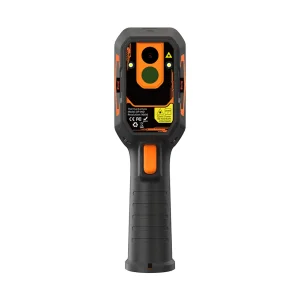
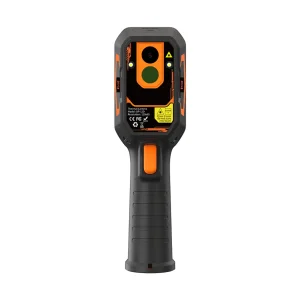
High-precision handheld thermal cameras, mobile smartphone imagers, and dual-light radiometric systems tailored for predictive maintenance, laser-guided inspection, and field diagnostics.
Combining public market capitalization stability with cutting-edge microbolometer innovation to serve enterprise OEMs worldwide.
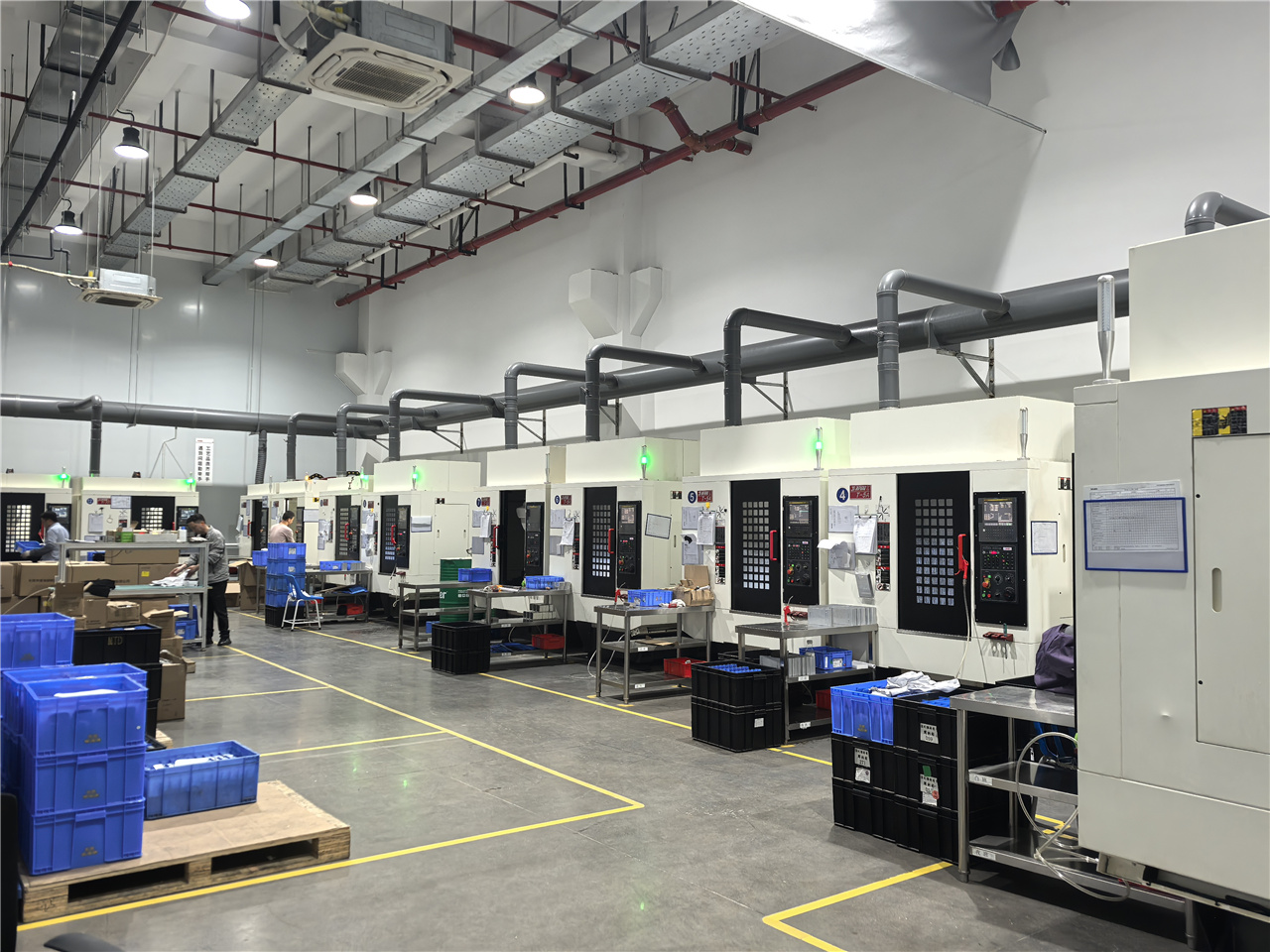
Shenzhen Dianyang Technology Co., Ltd. is a corporate subsidiary of VHD (Shenzhen VHD Technology Co., Ltd.), a publicly listed enterprise on the Shenzhen Stock Exchange. This strategic corporate affiliation grants Dianyang direct, unified access to VHD’s state-of-the-art optical R&D platforms, automated high-precision manufacturing infrastructure, and world-class quality verification standard operating procedures. As a result, Dianyang delivers custom HD thermal imaging products and modules with substantially higher reliability, radiometric consistency, and batch-to-batch structural integrity than traditional unlisted ODM suppliers.
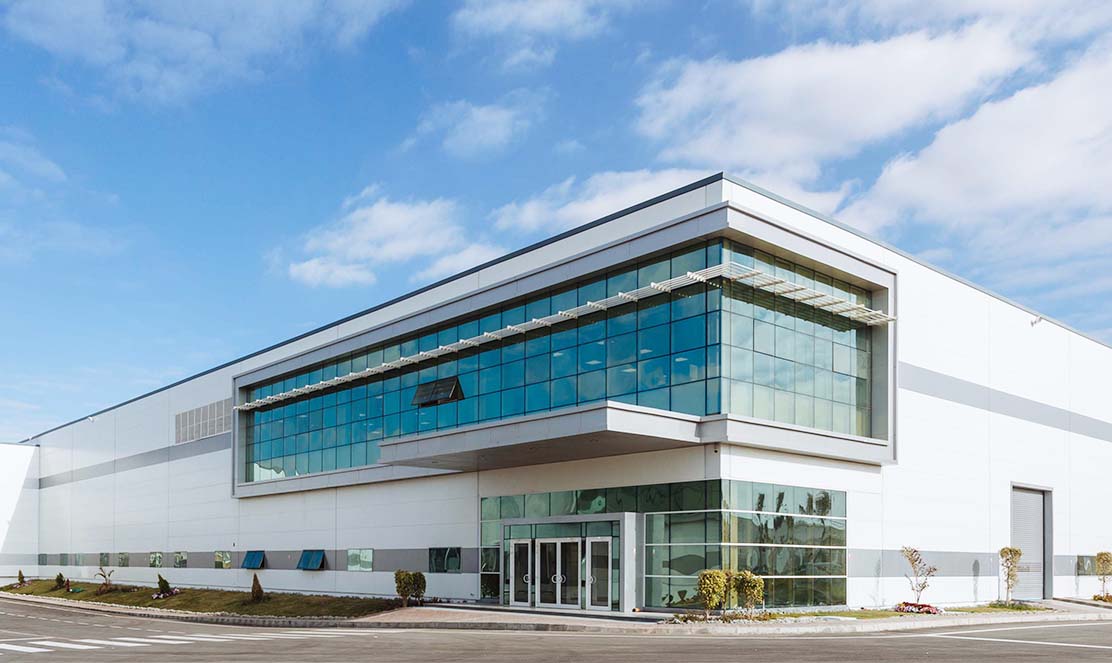
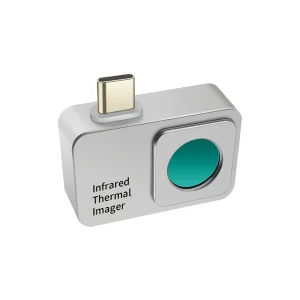
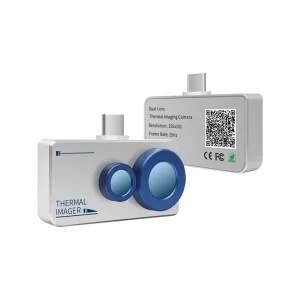
We specialize in end-to-end ODM/OEM turnkey solutions across the complete infrared spectrum. Our core portfolio includes handheld industrial thermal imagers, smartphone-connected thermal sensors (Type-C and Lightning interfaces), online process thermal monitoring analyzers, and high-resolution thermal imaging telescopes. Designed for rugged, real-world operation, our products empower global clients in electrical substation inspection, building energy efficiency auditing, municipal firefighting, PCB thermal distribution diagnostics, and high-altitude outdoor surveillance.
How microbolometer shrinking, AI edge processing, and sensor miniaturization are reshaping commercial thermal vision applications.
The thermal imaging sector is rapidly transitioning from legacy 17µm sensors to high-density 12µm and 10µm Uncooled Focal Plane Arrays (UFPA). By reducing detector pixel pitch, thermal camera manufacturers can achieve significantly higher spatial resolution (such as 256x192 and 384x288) within smaller optical formats. This reduction decreases germanium lens elements costs while providing enterprise users with sharper thermal gradients and extended distance-to-spot ratios (D:S).
Modern HD thermal imagers are no longer static diagnostic tools; they are edge-computing analytical instruments. Today’s market demands onboard AI engines capable of executing real-time object classification, hot-spot tracking, dynamic isotherm filtering, and thermal gradient change predictions. OEM cameras with integrated neural networks allow autonomous systems to issue instant alerts without depending on external cloud computation.
The ultra-compact smartphone thermal camera market (such as the Dianyang H2FB and H2F6B series) is expanding exponentially. By leveraging Type-C high-speed communication standards, mobile imagers convert standard smartphones into professional-grade radiometric inspection stations. This shift enables decentralized field operations where line technicians can instantly share fully radiometric files (.JPG with per-pixel temperature data matrix) via cloud enterprise channels.
| Thermal Sensor Series | IR Resolution | Pixel Pitch | Thermal Sensitivity (NETD) | Measurement Temp Range | Primary Industrial Intent |
|---|---|---|---|---|---|
| DP-09D Entry Handheld | 96 × 96 px | 17 µm | < 60 mK | -20°C to 300°C | HVAC quick checks, basic electrical troubleshooting |
| DP-12D / DP-12DV | 120 × 90 px | 17 µm | < 50 mK | -20°C to 400°C | Power line inspection, laser distance mapping |
| H1FB Mobile Imager | 160 × 120 px | 12 µm | < 45 mK | -15°C to 150°C | Automotive electronics repair, home insulation audits |
| H2FB / H2F6B Mobile | 256 × 192 px | 12 µm | < 40 mK | -20°C to 550°C | Precision mobile engineering, electrical cabinets |
| DP-25D / DP-25DV | 256 × 192 px | 12 µm | < 40 mK | -20°C to 550°C | Dual-light fusion, industrial facility preventative maintenance |
| DP-38D Pro Handheld | 384 × 288 px (HD) | 12 µm | < 35 mK | -20°C to 650°C | Micro-PCB thermal simulation, high-voltage substations |
Understanding what technical buyers, OEM brand managers, and industrial procurement officers prioritize when selecting an OEM factory partner.
Enterprise procurement officers rarely seek standard thermal cameras that merely produce display images; modern requirements dictate full radiometric raw data extraction. Corporate buyers require OEM suppliers to deliver comprehensive software development kits (SDKs for Android, iOS, Windows, and Linux C++/Python) that allow custom algorithm integration.
Dianyang’s camera engineering architecture ensures that every single pixel stores absolute temperature values calibrated against blackbody reference sources. This transparency enables developers to build custom automated software reports, overlay computer vision masks, and perform multi-point historical data trend analysis.
Field industrial equipment operates in extreme conditions—from high-humidity sub-tropical substations to sub-zero arctic pipelines. Procurement intent analysis highlights a heavy emphasis on Thermal Drift Stability (NUC - Non-Uniformity Correction).
Without rigorous thermal simulation during design, uncooled microbolometers suffer from measurement drift as ambient temperature fluctuates. Dianyang implements real-time internal temperature lookup tables (LUT) combined with precision shutterless or shutter-based recalibration algorithms, maintaining target measurement accuracy within ±2°C or ±2% across wide operating ambient ranges.
Tailored thermal hardware and firmware configurations engineered to solve specific operational challenges.
Overheating busbars, loose terminal lugs, and failing transformers pose severe operational risks. Dianyang’s handheld series (DP-25DV, DP-38D) features dual-light fusion (infrared + visible optical camera) and onboard laser distance meters. Field engineers can quickly target high-voltage components from a safe distance, spot abnormal resistance heating, and immediately generate thermal compliance documents.
Thermal bridging, concealed water leaks, air infiltration, and missing insulation lead to substantial energy loss. Utilizing ultra-sensitive thermal sensors (<40mK NETD), our cameras reveal subtle thermal gradients across drywall, roofing systems, and embedded floor heating coils, identifying moisture entry points before physical damage occurs.
Modern high-density surface-mount circuit boards require meticulous thermal management. OEM clients use Dianyang’s high-resolution macro-lens thermal analyzers (DP-38D setup) to detect micro-ampere short circuits, evaluate power IC heat dissipation profiles, and run automated stress test routines during board-level prototyping.
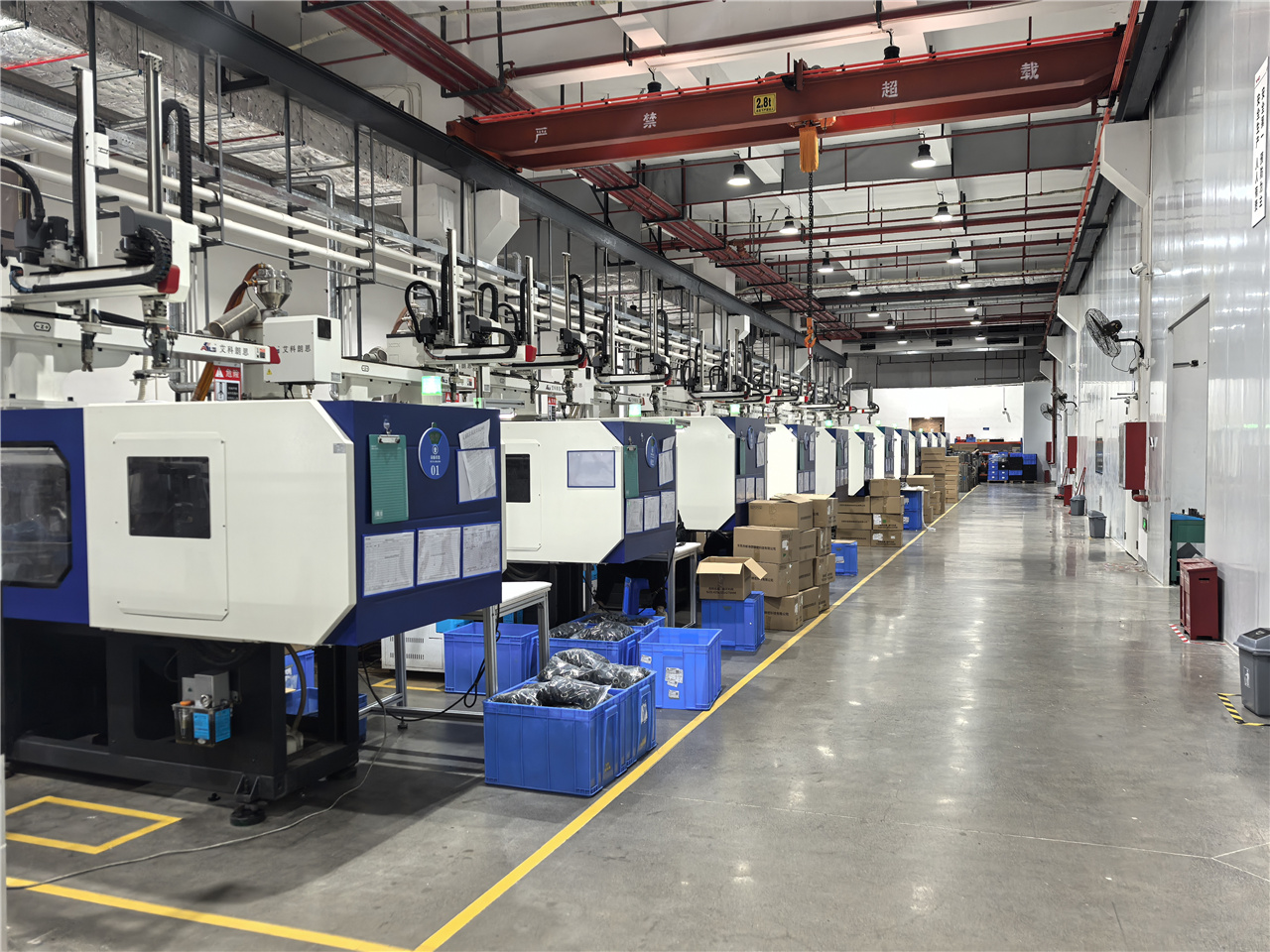
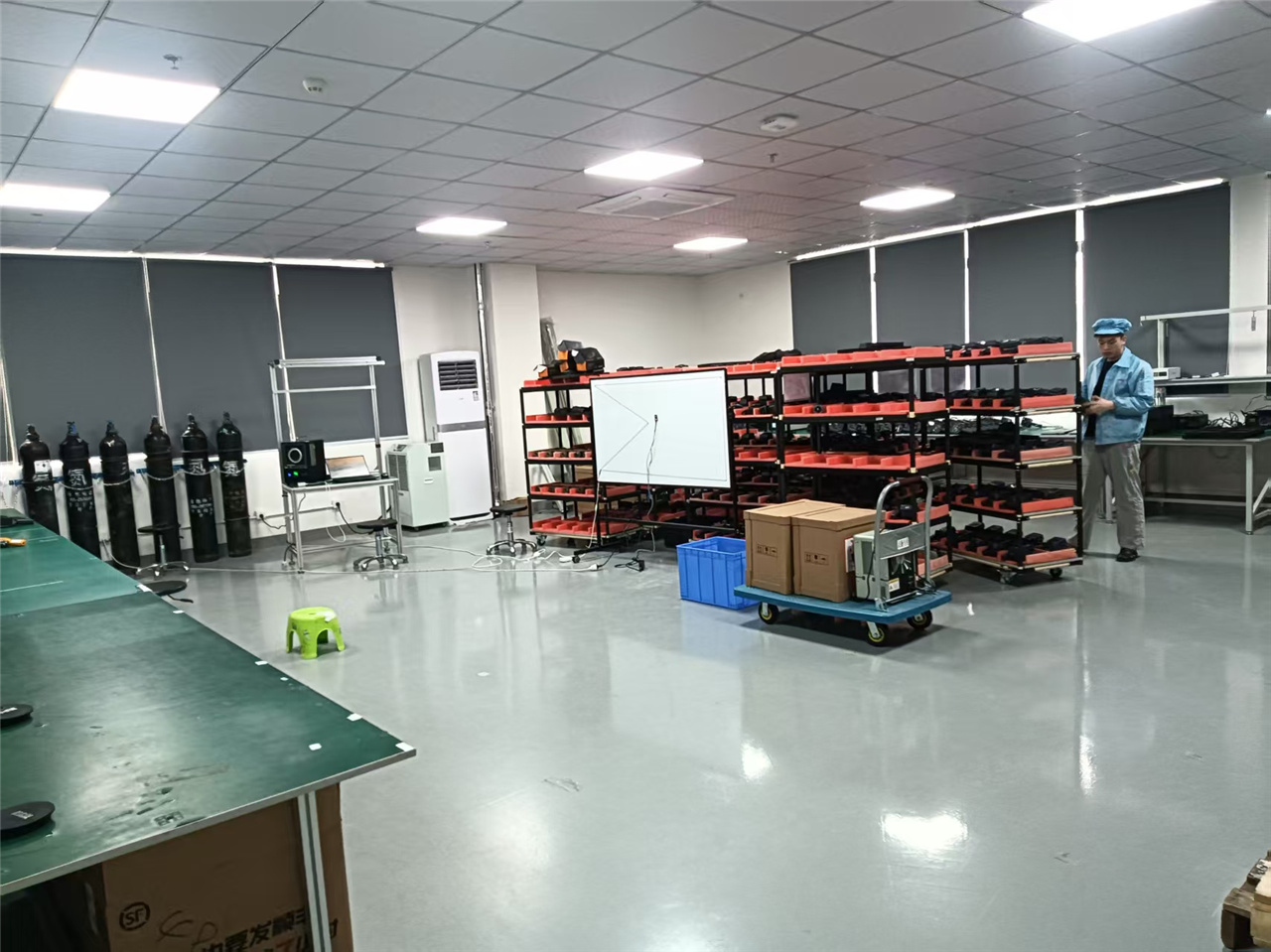
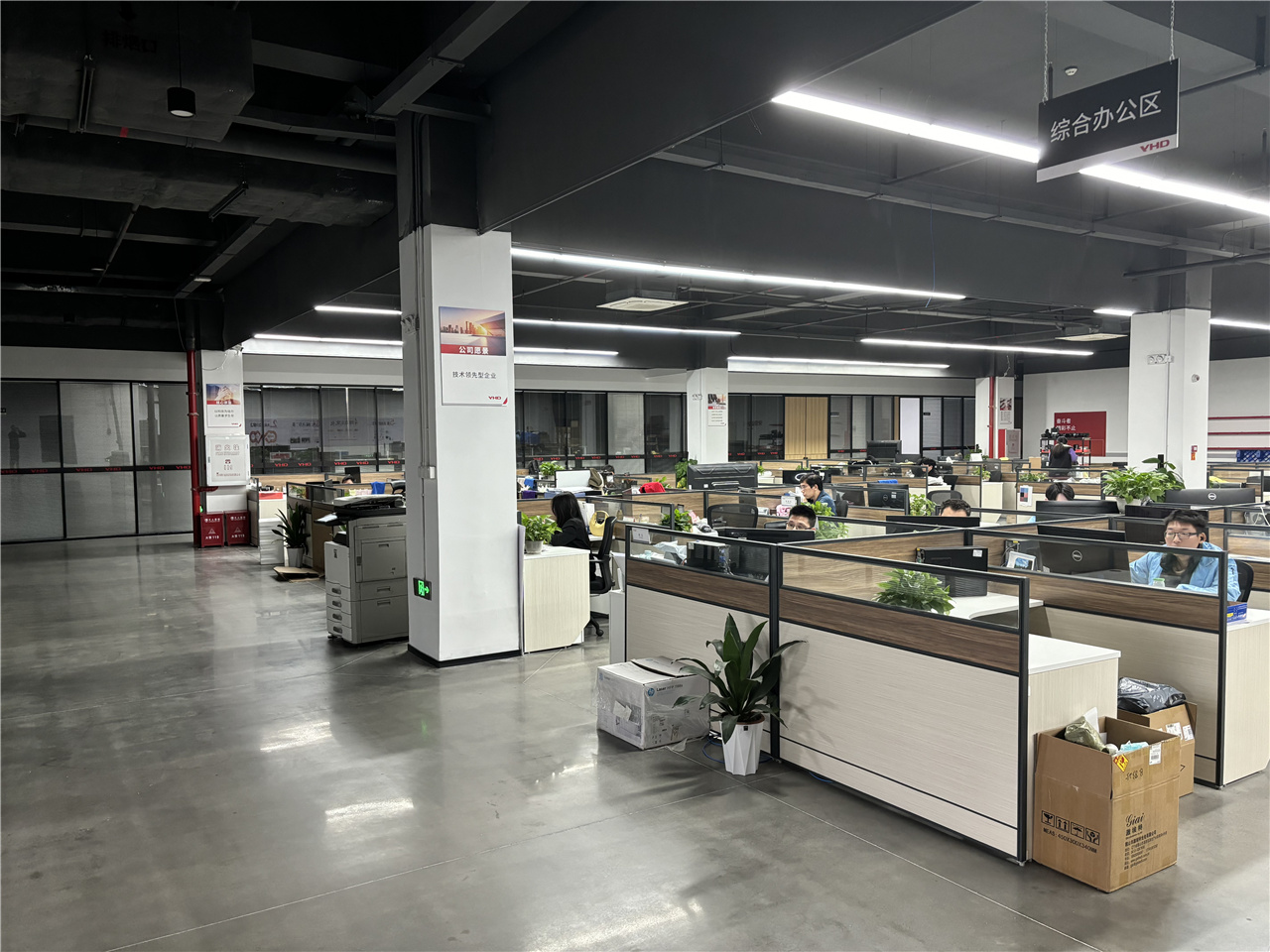
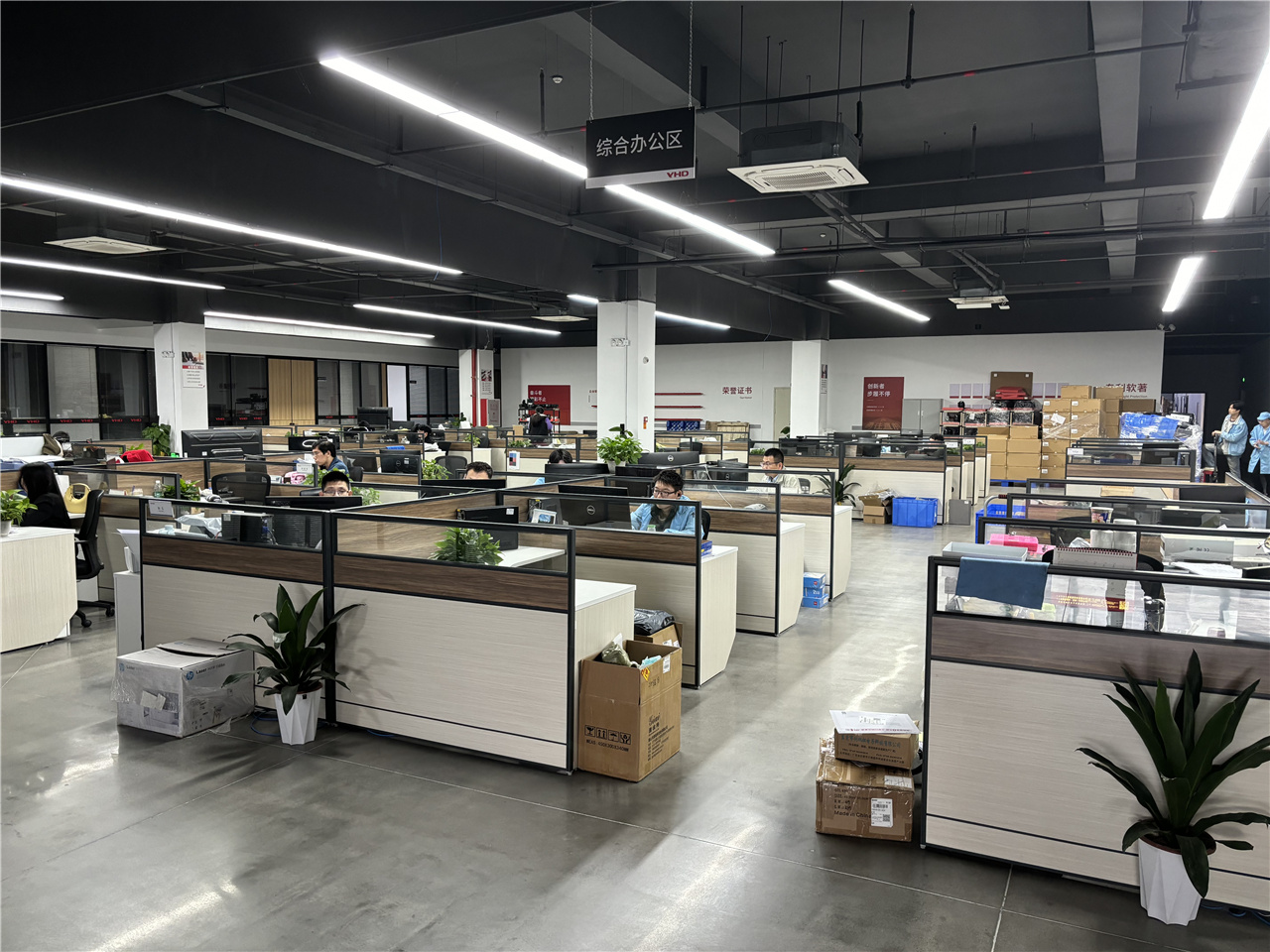
High quality products "Go Out to Sea". How Dianyang applies rigorous hardware engineering standards from initial concept through automated production lines.
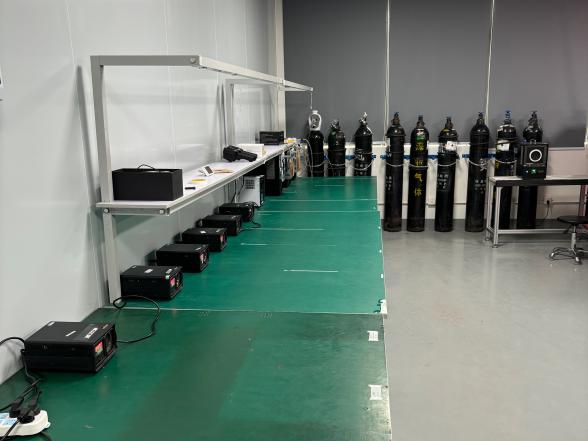
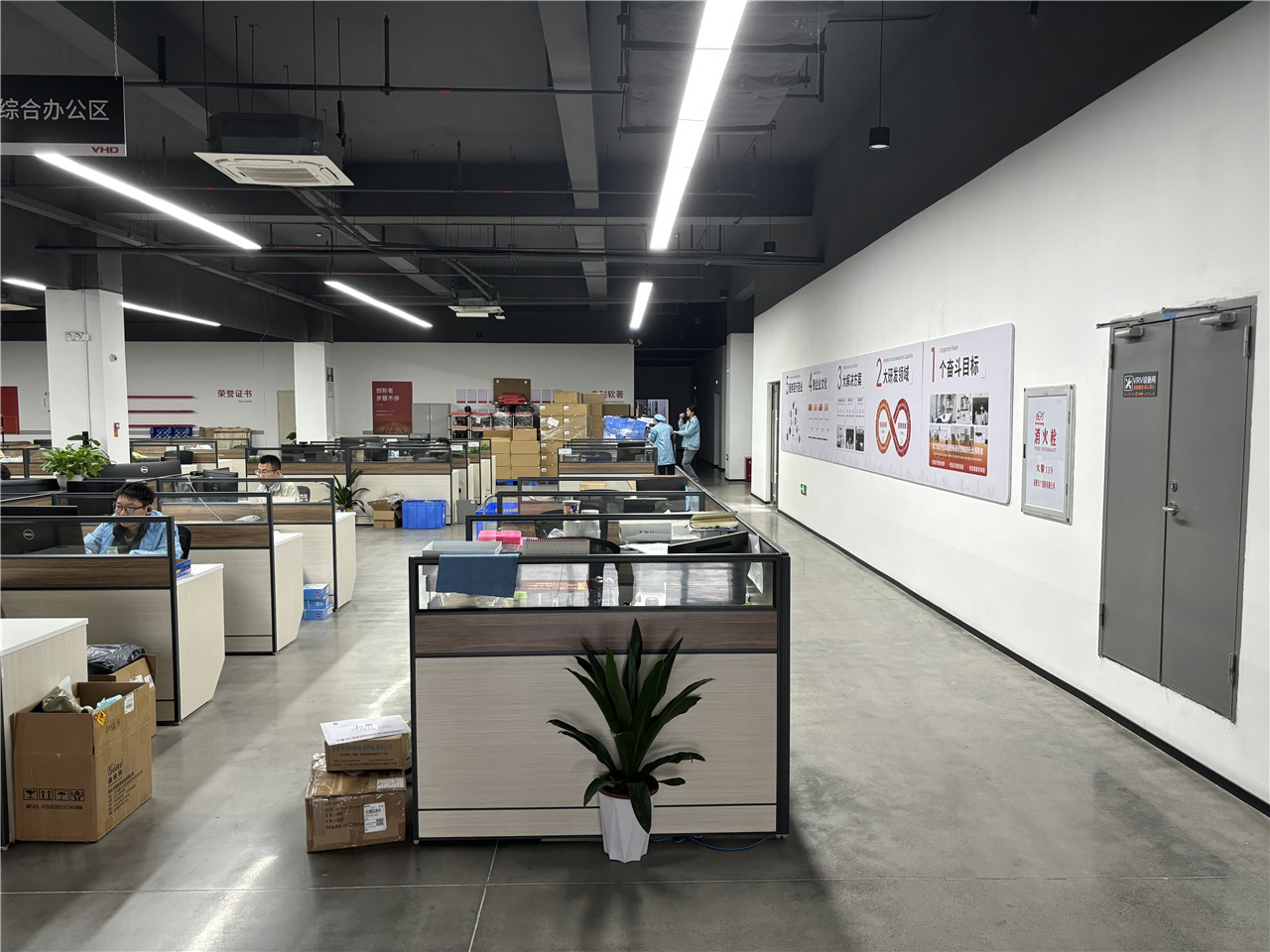
Our dedicated engineering team applies Design for Manufacturing (DFM), Design for Testability (DFT), thermal simulation, and EMC pre-compliance analysis to optimize performance and accelerate development. Every new thermal product model undergoes extensive thermal stress modeling prior to tooling, guaranteeing optimal heat dissipation away from sensitive microbolometer focal planes.
Streamlining international trade barriers with comprehensive testing and localized firmware deployment.
Deploying optical thermal cameras internationally requires strict compliance with regional electromagnetic, safety, and environmental protection standards. We provide full engineering support to assist our global enterprise partners in obtaining key international certifications:
Full compliance for European Economic Area and UK commercial distribution.
Electromagnetic interference and electrical safety compliance across North America & global markets.
Hazardous chemical restriction and full environmental safety reporting.
Specific localized testing protocols for East Asian markets (South Korea & Japan).
In addition to hardware certification compliance, Dianyang provides complete Firmware & Software Localization Services. This includes multi-language UI integration (English, Spanish, German, French, Japanese, Korean, Arabic), custom brand boot logos, tailored SDK packaging, and regional cloud server integration to ensure localized data sovereignty compliance.
Exploring the next decade of optical innovation, sub-20mK sensitivity, and quantum infrared detectors.
The transition toward Wafer-Level Packaging (WLP) optics enables direct integration of thermal camera modules onto small circuit boards without traditional metal cans. This dramatically reduces module footprint and production cost, accelerating the adoption of thermal vision inside consumer smart devices, wearables, and IoT micro-drones.
Next-generation thermal systems will combine Short-Wave Infrared (SWIR) for high-temperature material identification with Long-Wave Infrared (LWIR) for ambient temperature measurement. Dianyang’s ongoing R&D roadmap focuses on multi-spectrum sensor fusion, enabling advanced chemical gas imaging (OGI) alongside traditional radiometric analysis.
Answers to common technical queries regarding custom HD thermal imaging camera manufacturing.
NETD stands for Noise Equivalent Temperature Difference, measured in millikelvins (mK). It represents the smallest temperature change the infrared detector can distinguish. A lower NETD rating (e.g., <30mK or <40mK) indicates superior thermal sensitivity, enabling the camera to resolve finer thermal details in low-contrast environments. This is particularly vital in building diagnostics and early-stage micro-circuit fault detection where temperature variations are minimal.
Dianyang provides comprehensive customization services ranging from industrial enclosure redesign, custom optical lens selection, and tailored PCB layouts to custom firmware development, proprietary app development, and multi-language UI integration. Leveraging our parent company VHD’s R&D infrastructure, we take projects seamlessly from initial DFM design to mass manufacturing.
Mobile phone thermal imagers utilize the high-speed processing power, sharp touch displays, and wireless connectivity of modern smartphones. They eliminate the cost of standalone screens and heavy batteries, offering ultra-compact, portable thermal diagnostic solutions. Technicians can immediately edit, capture full radiometric images, and send technical reports directly from their mobile devices in the field.
Yes. Dianyang thermal cameras store absolute per-pixel radiometric temperature data within standard image formats or dedicated raw binary streams. We provide open SDKs (Android, iOS, Windows) and specialized reporting software, allowing users to analyze individual pixel values, modify emissivity parameters post-capture, and integrate data into third-party enterprise platforms.
Our standard industrial thermal imaging series offers a temperature measurement accuracy of ±2°C or ±2% of the reading (whichever is greater), evaluated across a wide operating temperature envelope from -20°C to +550°C. Each device undergoes blackbody temperature calibration during factory production.
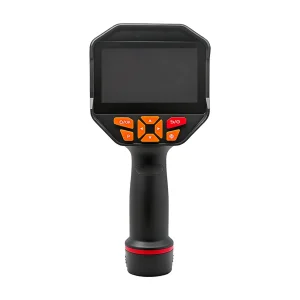
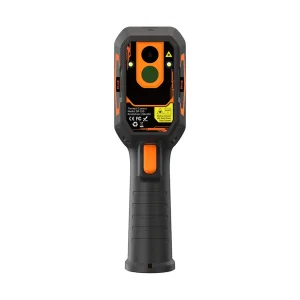
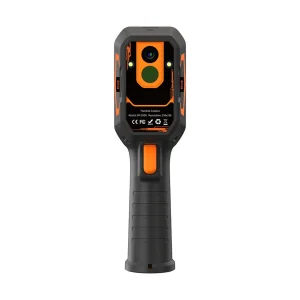
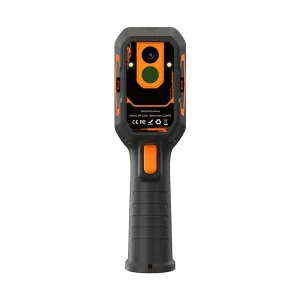
Discover our comprehensive collection of ODM/OEM handheld infrared cameras, high-resolution thermal imagers, and dual-light inspection units.
 Dianyang