Custom Automotive Thermal Imager Pricelist & Products

Next-Generation Long-Wave Infrared (LWIR) OEM/ODM Solutions for Autonomous Driving, ADAS, Dynamic Thermal Diagnostics & Industrial Inspection

Featured Precision Thermal Imaging Systems & Modules

Explore our industrial-grade and automotive OEM handheld, mobile, and modular infrared cameras engineered for ultra-sensitive thermal analysis.
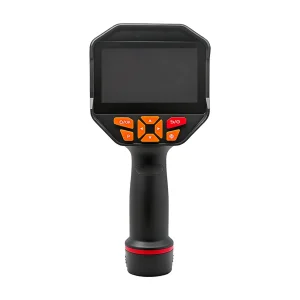
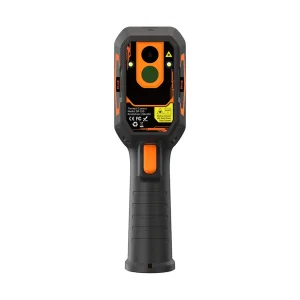
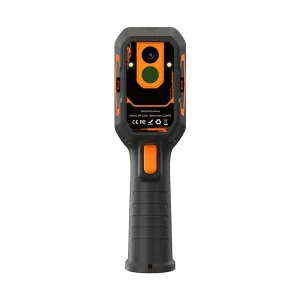
DP-38D Handheld Thermal Imager
China Professional Handheld Thermal Imager DP-38D - 384x288 Resolution, -20℃ to 1200℃
View Product Details
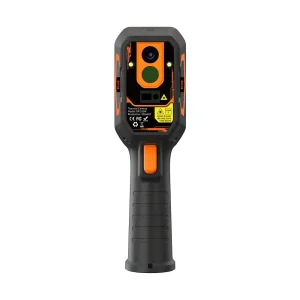
DP-25D Infrared Thermal Camera
Discount DP-25D Infrared Thermal Camera - High-Resolution Imaging for Industrial & Medical Use
View Product Details
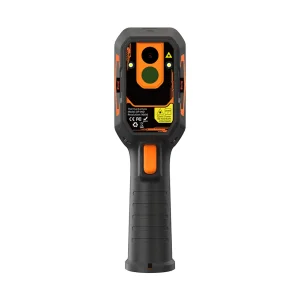
DP-64D Professional Handheld Thermal Imager
China DP-64D Professional Handheld Thermal Imager - 640x512 High-Resolution Matrix
View Product Details
Cheap DP-25D Thermal Camera
Cheap DP-25D Infrared Thermal Camera - 256x192 Resolution Enhanced Temperature Measurement
View Product Details
DP-12DV Dual-Light Thermal Camera
Cheap DP-12DV Infrared Thermal Camera: 120x90 Resolution, Dual-Light Imaging Solutions
View Product Details
DP-25DR High-Resolution Camera
Buy DP-25DR Infrared Thermal Camera - High-Resolution 512x384 Advanced Radiometric Imaging
View Product Details
DP-09D Compact Thermal Camera
China DP-09D Infrared Thermal Camera - 96x96 Resolution Compact Industrial Diagnostics
View Product Details
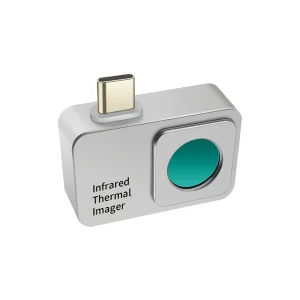
H2FB Mobile Thermal Imager
Best H2FB Mobile Phone Infrared Thermal Imager - 256x192 Resolution, Ultra-Compact Design
View Product Details

1. Global Automotive & Industrial Thermal Imaging Status Quo

An In-Depth Technological Evaluation of Infrared Sensing Integration across Automotive OEMs, Autonomous Platform Engineering, and Electric Vehicle (EV) Powertrain Manufacturing.

The automotive and industrial thermal sensing landscapes are undergoing a fundamental paradigm shift. Historically confined to high-end military applications or specialized non-destructive testing (NDT), long-wave infrared (LWIR) sensing is rapidly emerging as a foundational pillar in Advanced Driver Assistance Systems (ADAS) Level 2+ through Level 5 autonomy, EV battery safety monitoring, and vehicle manufacturing diagnostics. As visible-spectrum optical cameras and LiDAR systems hit physics-based performance walls under severe environmental degradation (such as heavy fog, direct sunlight glare, smoke, and total darkness), uncooled vanadium oxide (VOx) and amorphous silicon (a-Si) microbolometer thermal imagers provide the vital missing modality for true all-weather sensor fusion.
640×512
High-Res Focal Plane Array Standard
<35mK
Ultra-Low Thermal Sensitivity (NETD)
12μm
Advanced Pixel Pitch Architecture
ISO 26262
Automotive Functional Safety Ready
In modern commercial automotive engineering, custom automotive thermal imagers are deployed across two primary domains: In-Vehicle/On-Board ADAS Night Vision Perception and Off-Board Manufacturing/R&D Thermal Profiling. On-board units act as passive thermal sensors operating within the 8–14 μm spectral band, allowing algorithms to detect human bodies, wildlife, and thermal anomalies up to 300 meters away regardless of ambient lighting conditions. Concurrently, off-board systems—ranging from high-resolution handheld units like the DP-38D and DP-64D to inline thermal cores like the MD-64CA—enable engineers to perform micro-level thermal gradient mapping across printed circuit boards (PCBs), dynamic lithium-ion battery cell heat propagation, and vehicle brake disc dissipation.

2. Global Industry Trends & Strategic Market Drivers (2025–2030)

Analyzing the shift toward affordable LWIR microbolometer modules, AI-driven thermal edge compute, and mandatory safety regulations.

AEB Night-Time Compliance Regulations

Global safety assessment programs (such as Euro NCAP and US NHTSA mandates) are tightening requirements for Automatic Emergency Braking (AEB) systems during low-light conditions. Standard visible cameras fail to identify pedestrians in complete darkness when glare from oncoming headlights blinds sensors. Custom thermal cameras solve this by detecting emitted body heat, accelerating adoption across tier-1 automotive suppliers.

Widespread Wafer-Level Packaging (WLP)

The transition from high-cost metal vacuum packages to Wafer-Level Packaging (WLP) and Wafer-Level Optics (WLO) has dramatically compressed manufacturing pricelists. Microbolometer sensors are now produced at scalable volumes, cutting BOM costs by up to 60%. This cost reduction permits mass customization for vehicle bumpers, side mirrors, and mobile diagnostic add-ons.

Embedded AI Edge Computing & Thermal Vision Fusion

Modern thermal imagers are no longer isolated temperature measurement devices. Integration with Neural Processing Units (NPUs) enables real-time edge segmentation, identifying pedestrians, cyclists, and vehicles directly on the thermal stream. Hybrid dual-light fusion—blending 256x192 or 640x512 thermal channels with 4K RGB feeds—provides unmatched operational clarity.

3. Localized Application Scenarios & Engineering Field Use-Cases

How custom thermal imaging platforms solve high-stakes challenges across automotive production lines, repair shops, and field diagnostics.

EV Battery Cell Thermal Runaway Diagnostics

High-voltage battery packs require ultra-precise thermal monitoring during rapid charging and load stress testing. Radiometric handheld units (e.g., DP-25DR 512x384) allow technicians to isolate micro-Kelvin temperature shifts across individual lithium cells, busbar interconnects, and cooling fluid loops to detect abnormal resistance prior to catastrophic thermal runaway events.

Brake System Friction & Powertrain NVH Isolation

During vehicle chassis tuning, uneven thermal dissipation on brake rotors indicates pad misalignment or caliper drag. Dynamic radiometric thermal imaging captures real-time high-speed heat generation across rotor surfaces up to +1200°C using specialized wide-range handheld sensors like the DP-38D (-20°C to 1200°C).

In-Cabin Thermal Comfort & HVAC Optimization

Automotive interior climate control systems utilize custom thermal imaging matrices to evaluate HVAC air-vent dispersion, heated seat uniformity, and solar thermal loading across glass panels, ensuring optimal cabin ergonomics with minimal energy draw from the traction battery.

4. Engineering Technical Roadmap & Sensor Architecture Evolution

Tracing the trajectory of infrared optics, pitch reduction, shutterless processing, and high-speed automotive bus interfaces.

The core architecture of automotive thermal imagers is shifting from standalone temperature indicators to deeply embedded, highly integrated optical nodes. OEM system integrators demand lower noise equivalent temperature difference (NETD), smaller physical footprints, robust automotive-grade connectors (such as FAKRA and HSD), and ultra-fast shutterless non-uniformity correction (NUC) algorithms that eliminate frame freezing during critical driving maneuvers.
Architecture Milestone Legacy Systems (Gen 1-2) Current Market Standard (Gen 3) Next-Gen Automotive (Gen 4 Target)
Pixel Pitch / Technology 25μm / 17μm (a-Si) 12μm Uncooled VOx Microbolometer 8μm - 10μm High-Density VOx Matrix
Array Resolution 160×120 / 256×192 384×288 / 640×512 Radiometric 1280×1024 Megapixel Thermal Cores
Thermal Sensitivity (NETD) <60mK @ f/1.0 <35mK - <40mK @ f/1.0 <20mK Sub-Millikelvin Precision
Interface Protocol Analog CVBS / USB 2.0 UVC / Type-C / Ethernet / CAN-FD GMSL2 / FPD-Link III / PCIe Automotive
NUC Calibration Mode Mechanical Shutter (Periodic Pause) Hybrid Shutter / Intelligent Software NUC Pure Shutterless Continuous AI Real-Time NUC

5. Custom Automotive Thermal Imager Pricelist & OEM Configuration Matrix

Understanding key price drivers, customized optical configurations, hardware modifications, and scale procurement economics.

When evaluating dynamic pricelists for custom automotive thermal imagers, enterprise procurement managers must evaluate several technical dimensions that dictate unit manufacturing costs (BOM). Price scales fluidly based on microbolometer array resolution, Germanium (Ge) lens optical quality, ingress protection (IP67/IP69K ratings), and specialized firmware customization (e.g., custom SDKs, radiometric temp alarms, auto-calibration suites).

Entry-Level / Mobile Plug-In Imagers

Resolution: 96×96 to 256×192
Target Pricelist Tier: Economical / Mass Adoption
Primary Applications: Smartphone diagnostic attachments (e.g., H1FB, H2FB, DP-09D), rapid field maintenance, roadside assistance quick diagnostics, and localized automotive electrical troubleshooting.

Mid-Range Radiometric Diagnostic Cameras

Resolution: 256×192 to 384×288
Target Pricelist Tier: Industrial Grade / Professional Workshop
Primary Applications: Workshop inspection tools (e.g., DP-25D, DP-25DV Dual-Light), power line maintenance, brake assembly testing, and benchtop electronic assembly inspection.

High-Resolution OEM Modules & Handheld Systems

Resolution: 512×384 to 640×512
Target Pricelist Tier: Automotive Grade OEM & Precision R&D
Primary Applications: Integrated vehicular night vision cores (e.g., MD-64CA Module, DP-64D, DP-25DR), long-range ADAS research platforms, high-temperature furnace/powertrain profiling up to 1200°C.

About Shenzhen Dianyang Technology Co., Ltd.

Enterprise Engineering Excellence backed by Stock-Listed R&D Infrastructure.
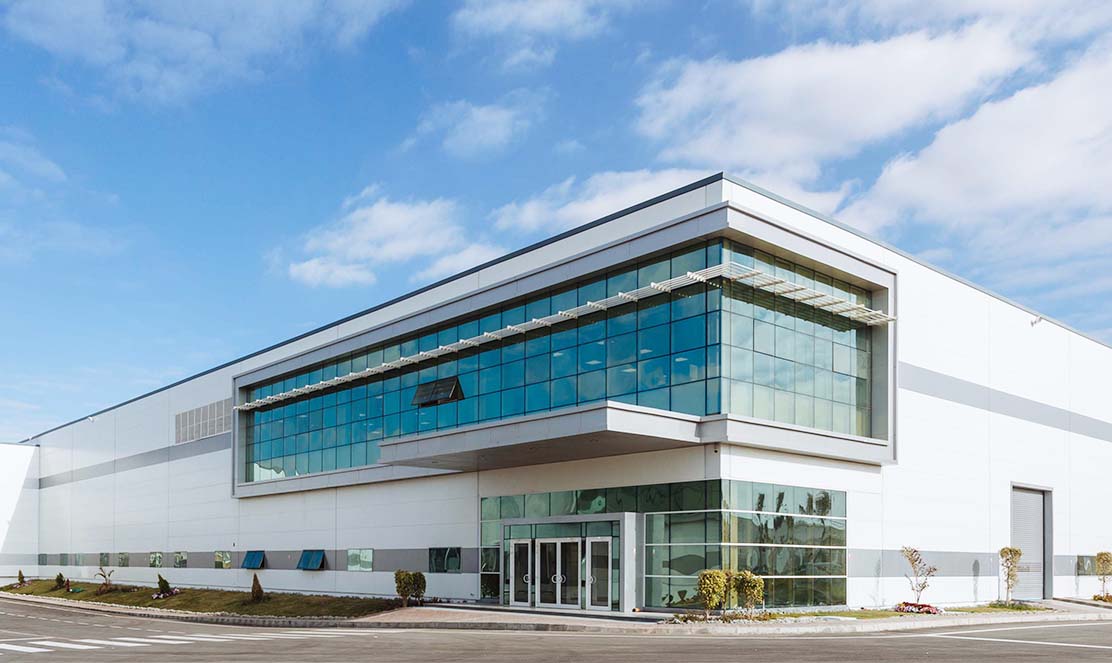
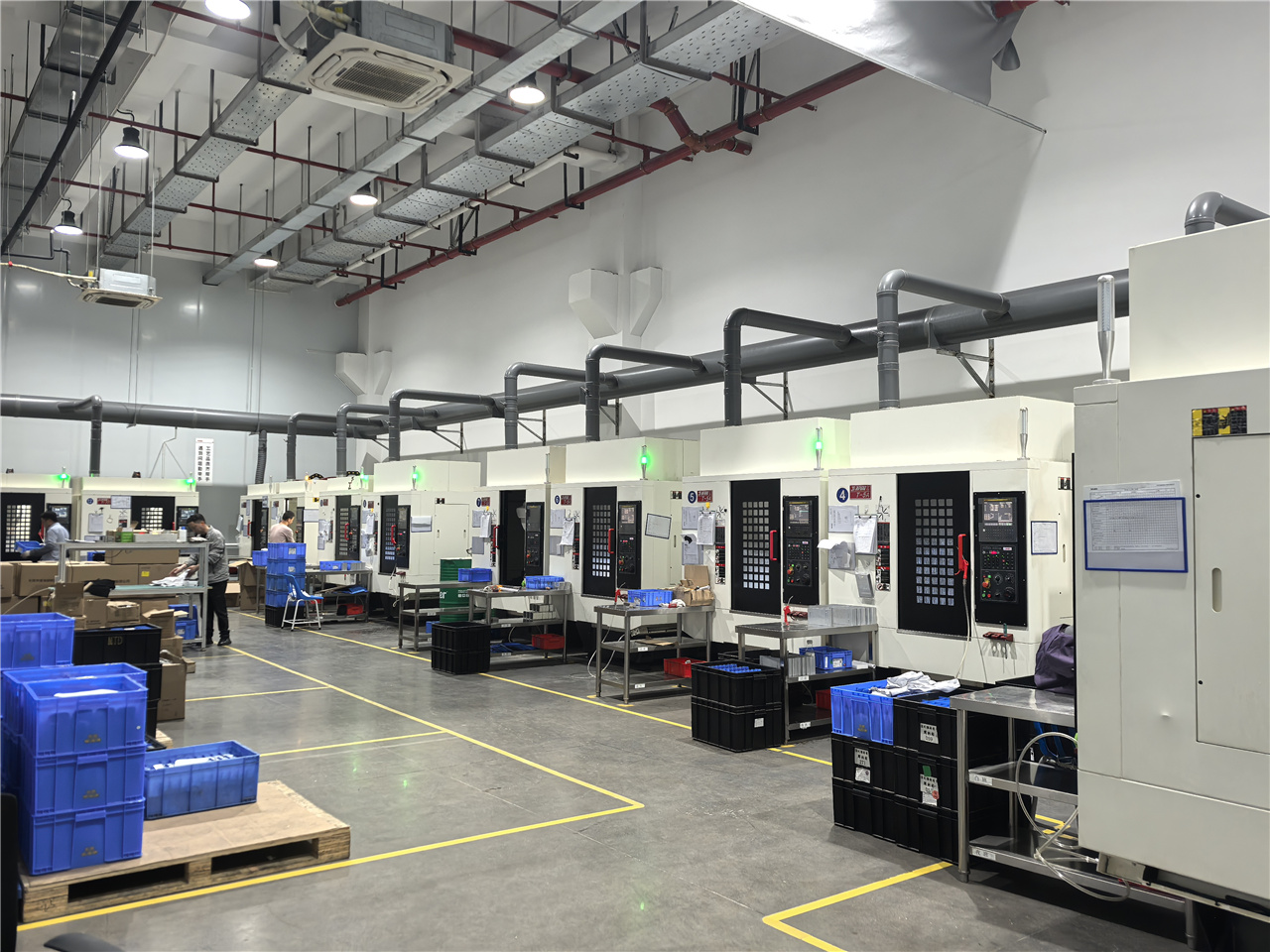
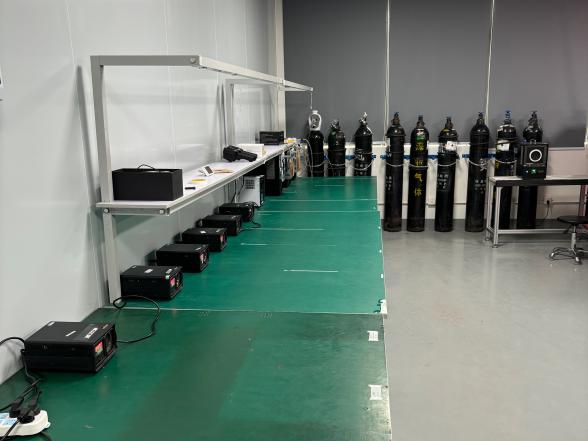
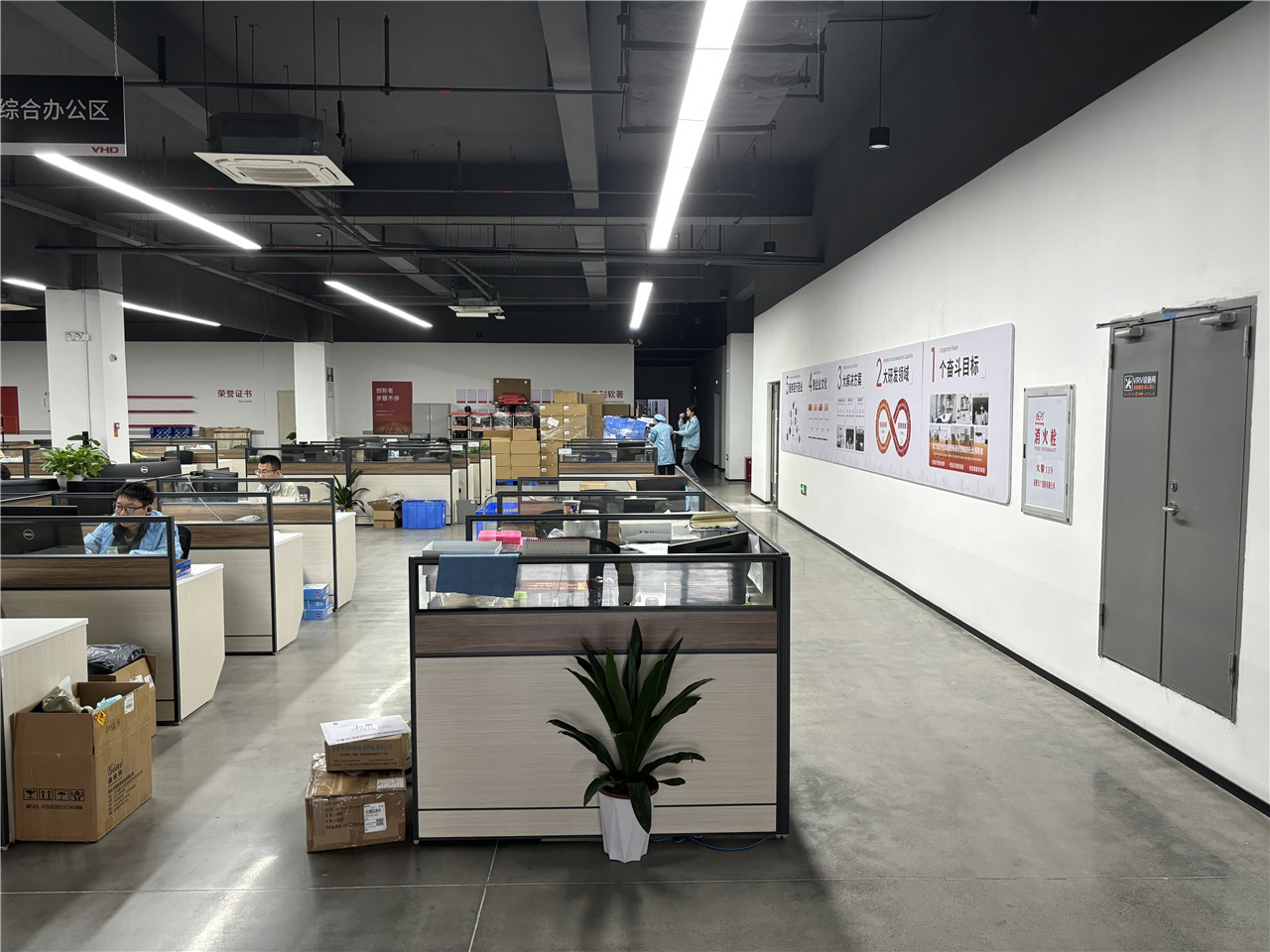
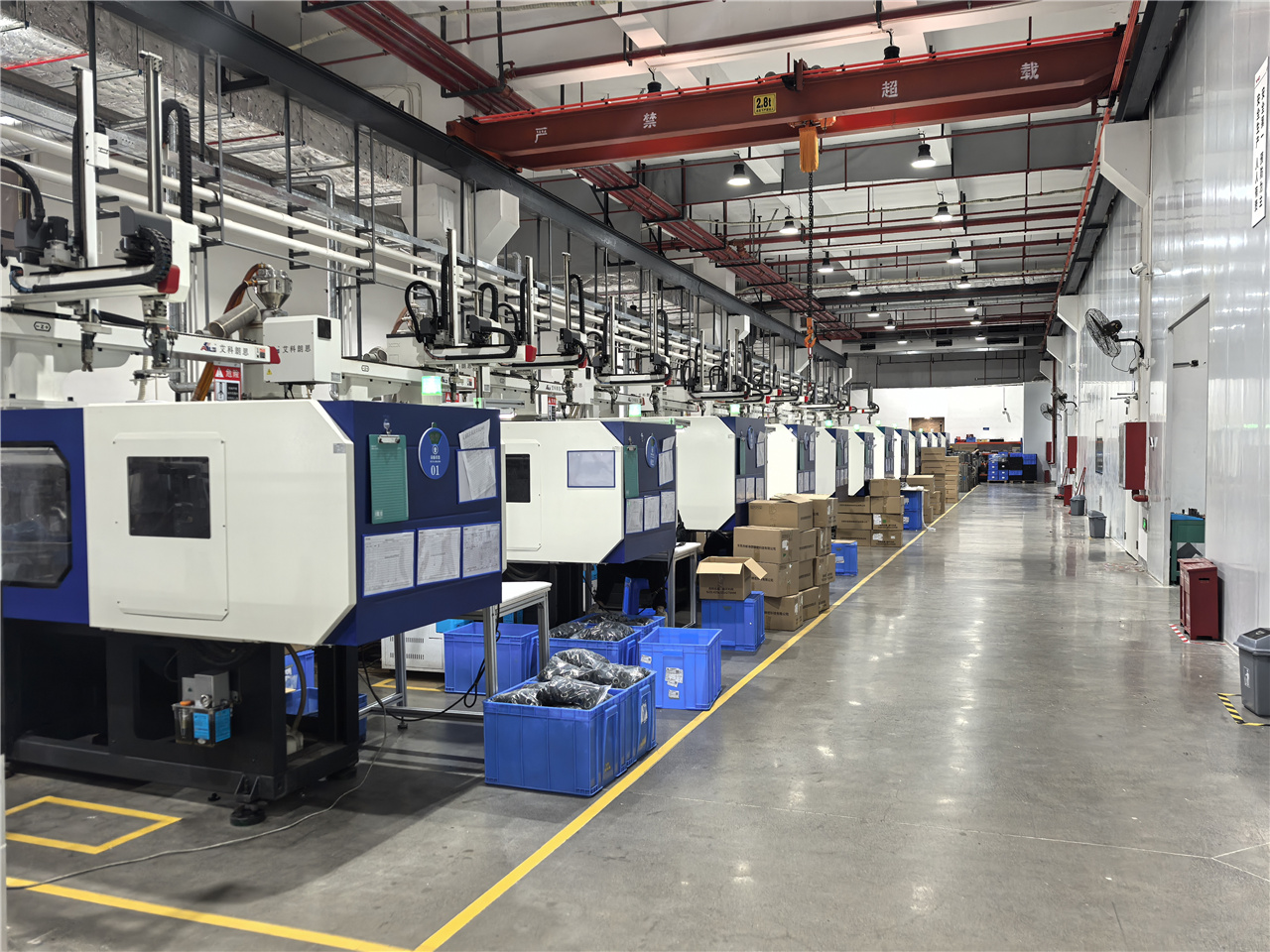
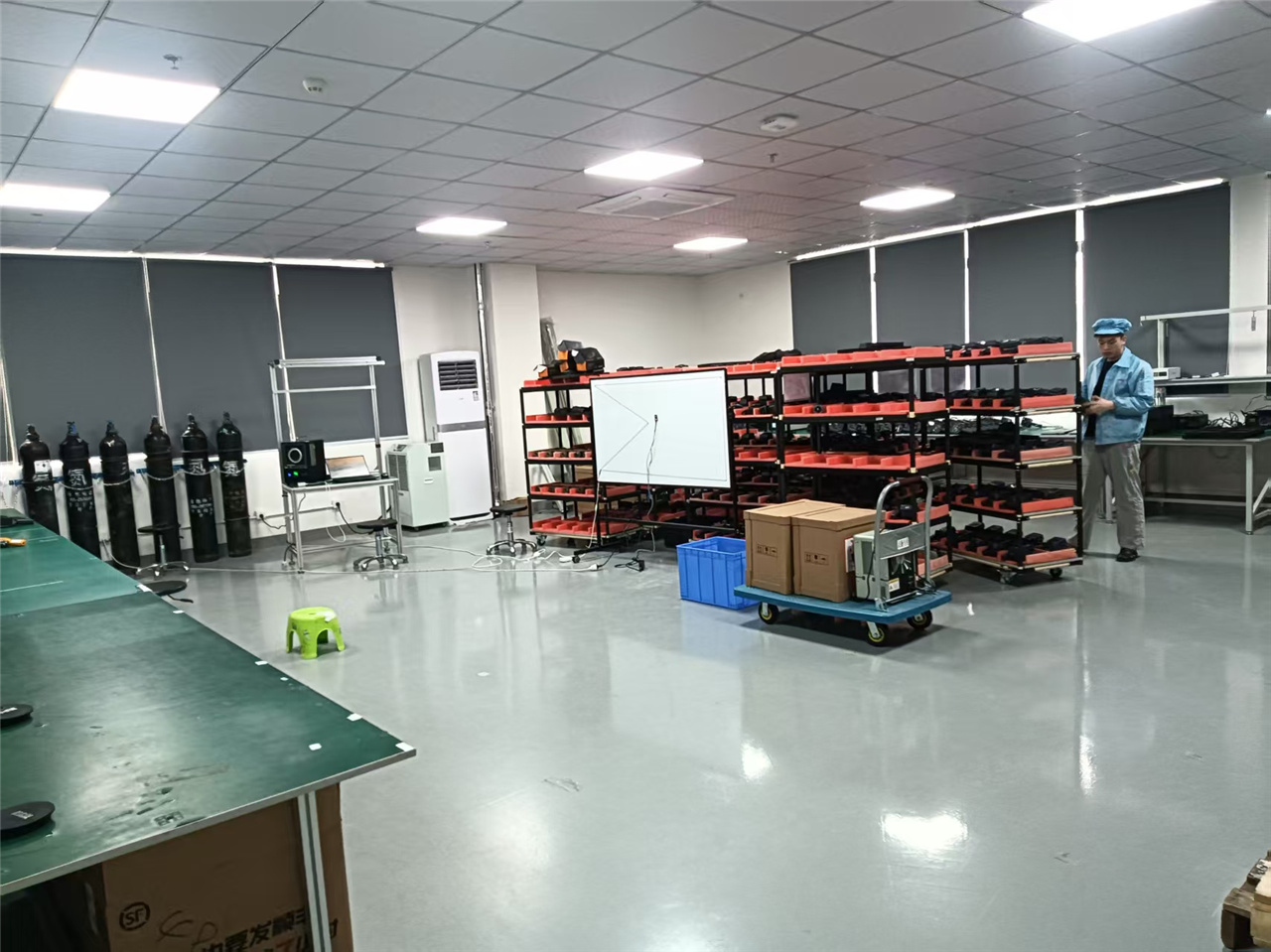
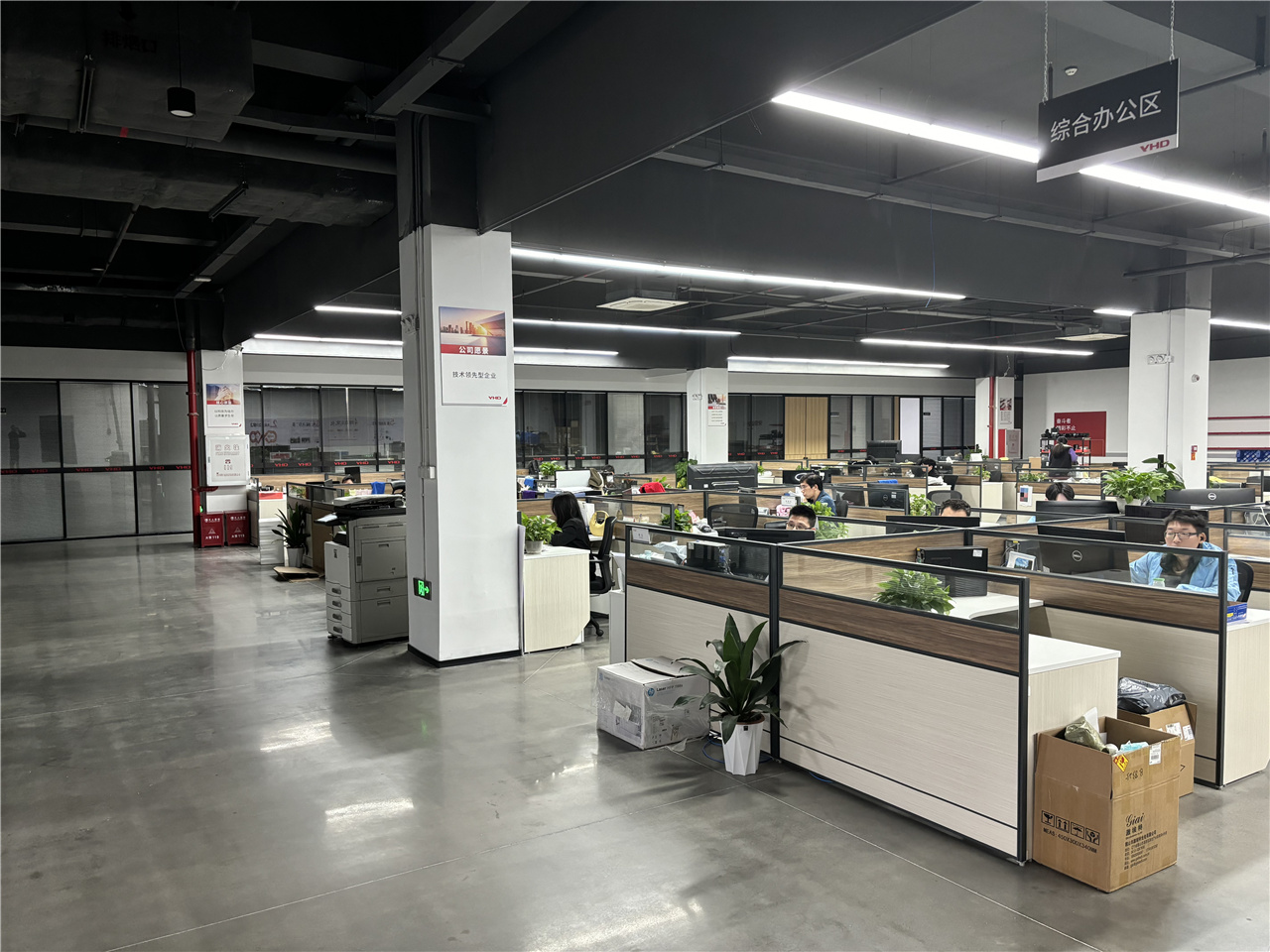
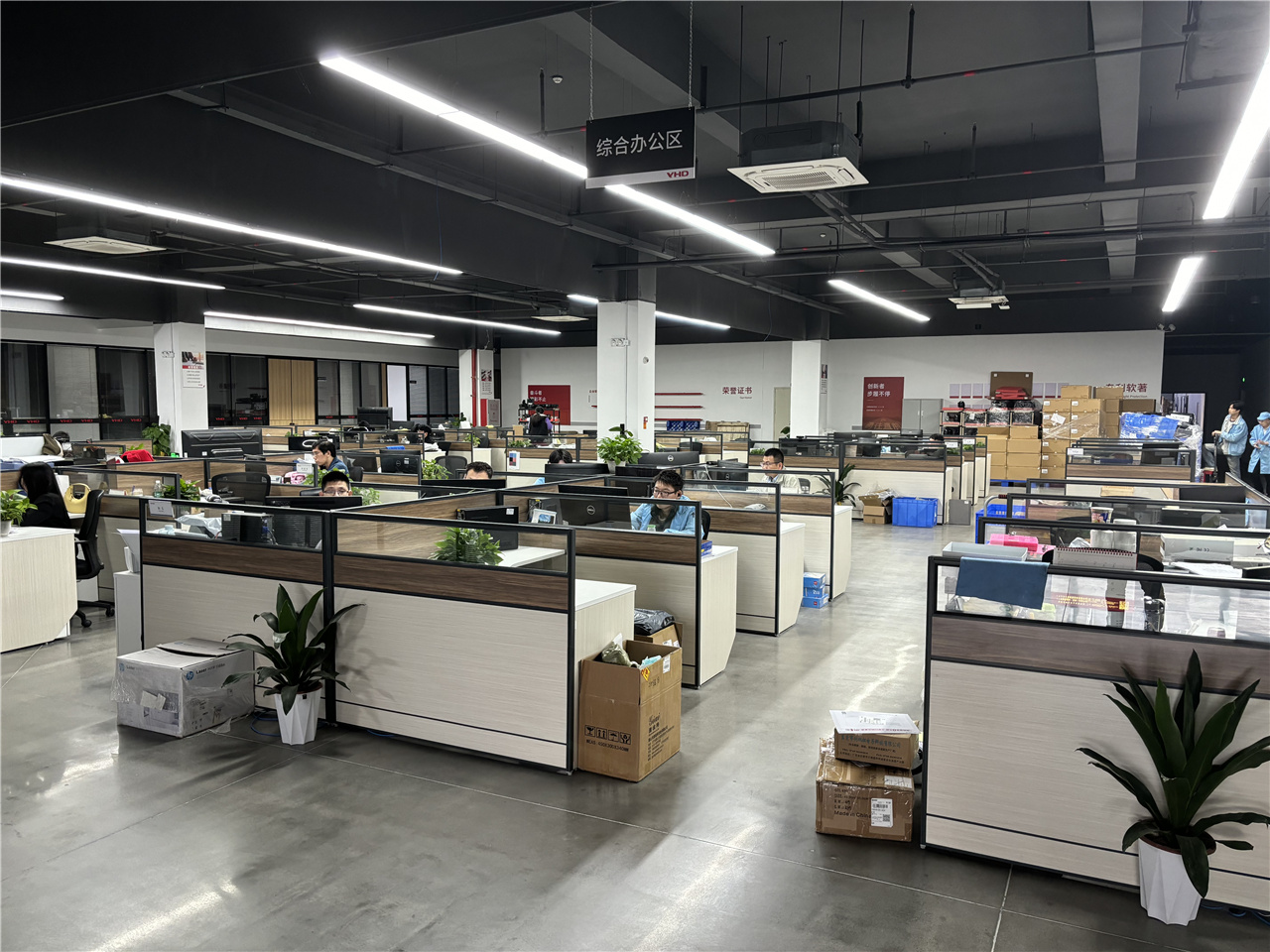
Shenzhen Dianyang Technology Co., Ltd. is a subsidiary of VHD (Shenzhen VHD Technology Co., Ltd.), a publicly listed company on the Shenzhen Stock Exchange. This strategic affiliation gives Dianyang unique access to VHD’s advanced R&D platforms, high-precision manufacturing systems, and rigorous quality management practices—enabling us to deliver thermal imaging products of higher reliability and consistency than typical ODMs.
Shenzhen Dianyang Facility
We specialize in ODM/OEM services for infrared thermal imaging solutions, including handheld thermal imagers, smartphone-connected thermal cameras, thermal analyzers, and thermal imaging telescopes. Our products serve global customers in power inspection, building diagnostics, firefighting, industrial maintenance, and outdoor applications.

High quality products "Go Out to Sea".

Our dedicated engineering team applies Design for Manufacturing (DFM), Design for Testability (DFT), thermal simulation, and EMC pre-compliance analysis to optimize performance and accelerate development. We also support clients in obtaining key certifications such as CE, FCC, RoHS, REACH, CB, UKCA, KC, and PSE.
Manufacturing R&D 1
Manufacturing R&D 2
Manufacturing R&D 3
Manufacturing R&D 4
Manufacturing R&D 5
Manufacturing R&D 6
Manufacturing R&D 7

Custom Modules & OEM Industrial Thermal Camera Catalog

Explore our custom factory-direct thermal cores, specialized mobile adapters, and high-voltage line inspection products.
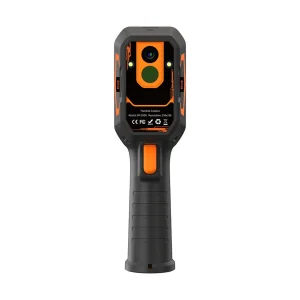
DP-25DV Dual Light Vision Camera
China DP-25DV Infrared Thermal Camera - 256x192 Resolution, Dual-Light Vision System
View Product Details
DP-25DR Power Line Inspection Camera
China DP-25DR Infrared Thermal Camera - 256x192 Resolution for Automotive & Power Line Inspection
View Product Details
H1FB Mobile Thermal Camera
Custom China H1FB Mobile Phone Thermal Imager - 160x120 Resolution Portable Low-Power Sensor
View Product Details
DP-09D Laser Measurement Camera
Wholesale DP-09D Infrared Thermal Camera - 96x96 Resolution with Integrated Laser Measurement
View Product Details
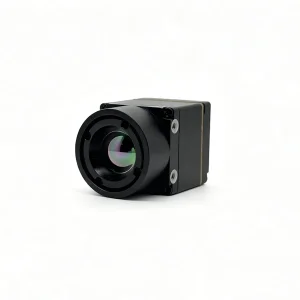
MD-64CA Thermal Module Core
High-Quality MD-64CA Automotive Integration Thermal Imaging Module Core
View Product Details
DP-25D Standard Industrial Thermal Imager
Famous DP-25D Infrared Thermal Camera - 256x192 Resolution, Wide Temp Range -20℃ to 550℃
View Product Details
CE Certified H2FB Thermal Imager
CE Certification China H2FB Smartphone Thermal Imager - 256x192 Resolution Direct Export
View Product Details
DP-09D Wide Temperature Thermal Imager
Custom China DP-09D Infrared Thermal Camera - 96x96 Resolution, Temp Range -20℃ to 550℃
View Product Details

Frequently Asked Technical & Sourcing Questions (FAQ)

Addressing essential procurement, engineering integration, and calibration queries for enterprise clients.

What parameters dictate the OEM pricelist for custom automotive thermal imagers?
Unit pricelists are determined primarily by detector resolution (e.g., entry 96×96 vs. mid-range 256×192 vs. high-end 640×512 VOx arrays), Germanium optical lens diameter/aperture, temperature measurement range (up to +550°C or +1200°C), ingress protection rating (IP67 or IP69K anti-corrosion housing), and compliance testing requirements (EMC pre-compliance, ISO 26262 functional safety, CE/FCC/RoHS certification).
Why is LWIR thermal imaging superior to LiDAR and visible cameras for ADAS night vision?
Unlike visible cameras that rely on ambient light or active LiDAR signals that can be degraded by backscatter from dense fog, rain, snow, or blinding headlight glare, LWIR sensors detect thermal radiation naturally emitted by objects. This passive capability enables long-range pedestrian detection up to 300 meters in total darkness without active illumination.
How does Shenzhen Dianyang ensure thermal consistency across high-volume production?
Leveraging the advanced engineering infrastructure of our stock-listed parent organization, VHD (Shenzhen Stock Exchange), Dianyang implements strict Design for Manufacturing (DFM) and Design for Testability (DFT) protocols. Every thermal camera and module undergoes automated multi-point blackbody calibration over extended ambient temperature ranges to guarantee sub-35mK NETD accuracy.
Can Dianyang supply customizable SDKs and raw radiometric video output?
Yes. We provide complete OEM/ODM software development packages (SDKs) supporting Linux, Android, Windows, and ROS (Robot Operating System). System integrators can pull 16-bit raw radiometric temperature arrays or dynamic thermal streams directly via UVC, Type-C, Ethernet, or custom serial bus connections.