Industrial-Grade Thermal Radiometry, Precision Microbolometers, and OEM/ODM Engineering Solutions for Global Enterprise Perimeter Safeguards & Predictive Diagnostics
Explore our core catalog of portable, smartphone-integrated, and high-resolution handheld infrared imagers designed for security monitoring, industrial troubleshooting, and predictive electrical inspection.
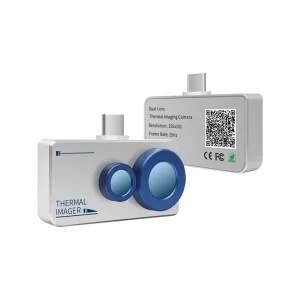
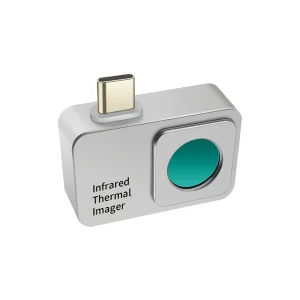
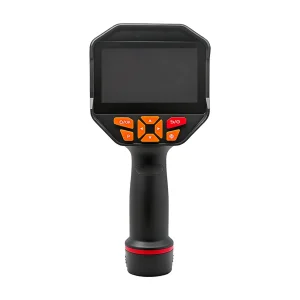
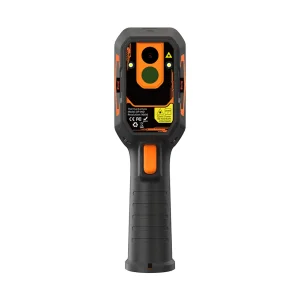
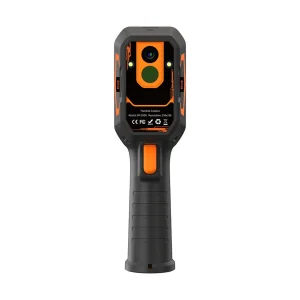
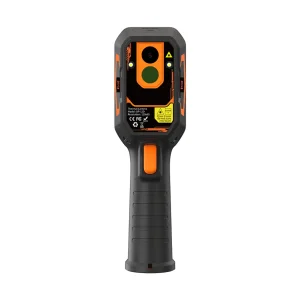
In an era defined by modern security challenges, severe weather anomalies, and high-value asset risks, traditional optical surveillance systems suffer from key physical limitations. Standard CCTV relies on ambient light or visible illumination, rendering it susceptible to dense fog, zero-lux darkness, camouflage, solar glare, and heavy smoke. Modern enterprise risk management demands a paradigm shift from reactive visual video monitoring to predictive radiometric thermal thermography.
China's thermal imaging security manufacturing sector has undergone a massive technological transformation. Driven by advanced semiconductor fabrication, uncooled Vanadium Oxide (VOx) and Amorphous Silicon (a-Si) microbolometer innovation, and AI edge computing integration, Chinese manufacturers stand at the forefront of the global thermal security market. Today, thermal imaging security services encompass far more than basic night vision: they provide continuous, continuous calibrated temperature measurement, autonomous fire risk detection, perimeter intrusion analytics, and non-destructive industrial diagnostics.
Modern security infrastructure demands the simultaneous deployment of Long-Wave Infrared (LWIR) sensors and high-definition visible optical cameras. Sensor fusion algorithms overlay thermal heat profiles onto visual spectrum video, allowing security teams to instantly identify human targets in complex foliage while verifying structural details in real time.
By embedding Convolutional Neural Networks (CNNs) directly onto the thermal imager's processing board, security hardware can differentiate between humans, wildlife, vehicles, and false triggers like swaying trees. This dramatic reduction in false alarm rates (FAR) optimizes network bandwidth and speeds up security center response times.
The miniaturization of thermal core engines has enabled ultra-compact form factors, including smartphone-attached thermal imagers (such as Dianyang's H2F6B and H1FB series). Maintenance engineers and field technicians can now convert standard iOS/Android devices into high-precision radiometric diagnostic tools.
B2B buyers, systemic integrators, and security directors evaluating suppliers of thermal imaging devices from China examine crucial technical parameters to ensure long-term ROI, field durability, and seamless system integration. Below is the key technical selection framework utilized by institutional buyers:
Noise Equivalent Temperature Difference measured in millikelvins (mK). Lower values (<40mK) indicate superior thermal contrast, allowing sensors to detect subtle temperature variations even under adverse atmospheric conditions.
Ranging from entry-level 96x96 (DP-09D) up to professional-grade 640x512 (DP-64D). Higher spatial resolution yields sharper thermal images, allowing long-distance object detection and fine thermal detail identification.
Industrial temperature measurement ranges (e.g., -20°C to +550°C) with low error margins (±2°C or ±2%). Crucial for electrical sub-station monitoring, HVAC leakage checks, and predictive factory maintenance.
Enterprise systems require robust Linux/Windows SDKs, ONVIF compliance, and RTSP video streaming support for effortless incorporation into existing Video Management Systems (VMS) and IoT telemetry networks.
Dianyang Technology’s thermal imaging hardware and software solutions cater to diverse critical infrastructure and commercial industrial sectors worldwide.
High-voltage transformers, power switches, and distribution panels develop resistive heating prior to physical failure. Handheld imagers such as the DP-38D (384x288) and DP-64D (640x512) allow utilities engineers to perform non-contact spot diagnostics, detecting phase imbalances, loose busbar connections, and overloaded circuit breakers before catastrophic blackouts occur.
Substations, solar farms, airports, and military perimeters face persistent unauthorized intrusion risks. Continuous radiometric thermal monitoring operates seamlessly in complete darkness, heavy smog, or blinding downpours. Coupled with automated target tracking, thermal security cameras detect trespassers several kilometers away, triggering targeted alarms instantly.
Thermal loss through inadequate insulation, hidden moisture intrusion behind drywall, and defective HVAC ducting account for massive commercial energy waste. Using mobile smartphone thermal cameras like the H2F6B and H1FB, building assessors conduct rapid, non-destructive thermographic audits, uncovering air leaks and thermal bridges in seconds.
Lithium-ion battery storage facilities, recycling centers, and chemical processing plants carry high risk of spontaneous combustion. Industrial thermal cameras continuously monitor surface temperature spikes, dispatching real-time automated warnings long before smoke or visible flames emerge.
Manufacturing processes involving glass, plastic molding, automotive welding, and electronics assembly require precise thermal regulation. Radiometric thermal cameras inspect automated assembly lines in real time, rejecting out-of-spec parts instantly.
In pitch-black maritime environments or rugged wilderness terrain, thermal imaging equipment identifies human body heat signals across vast distances, facilitating life-saving operations where conventional night vision equipment fails.
Shenzhen Dianyang Technology Co., Ltd. is a subsidiary of VHD (Shenzhen VHD Technology Co., Ltd.), a publicly listed company on the Shenzhen Stock Exchange. This strategic affiliation gives Dianyang unique access to VHD’s advanced R&D platforms, high-precision manufacturing systems, and rigorous quality management practices—enabling us to deliver thermal imaging products of higher reliability and consistency than typical ODMs.
We specialize in ODM/OEM services for infrared thermal imaging solutions, including handheld thermal imagers, smartphone-connected thermal cameras, thermal analyzers, and thermal imaging telescopes. Our products serve global customers in power inspection, building diagnostics, firefighting, industrial maintenance, and outdoor applications.
Our dedicated engineering team applies Design for Manufacturing (DFM), Design for Testability (DFT), thermal simulation, and EMC pre-compliance analysis to optimize performance and accelerate development. We also support clients in obtaining key international certifications such as CE, FCC, RoHS, REACH, CB, UKCA, KC, and PSE.
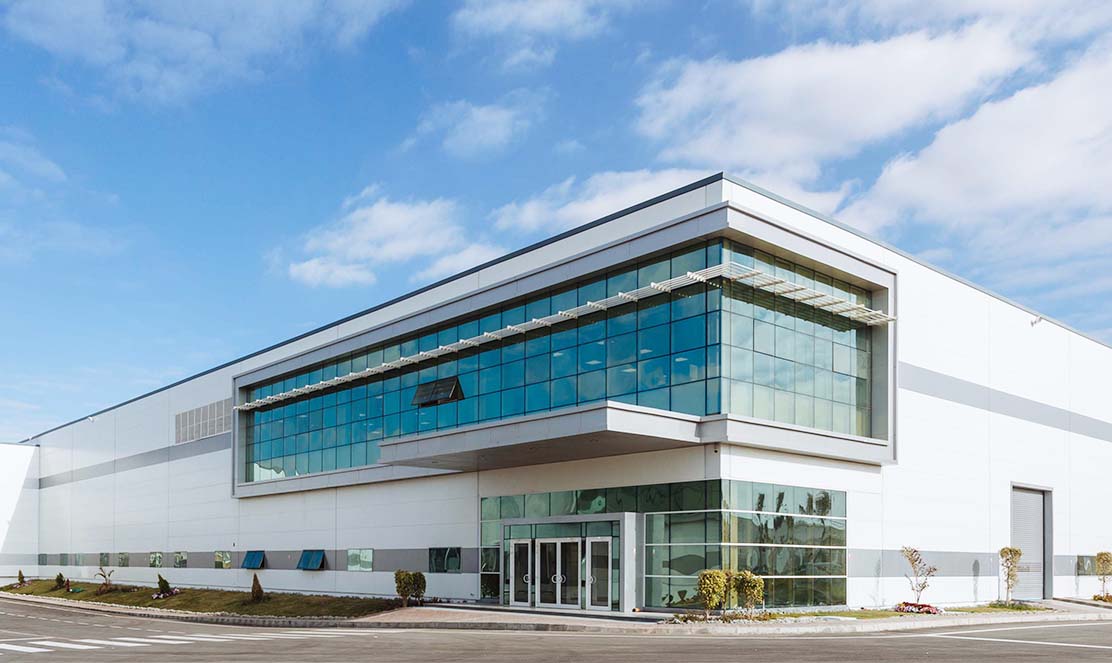
Our production lines are equipped with optical calibration chambers, environmental test units, and automated surface-mount technology (SMT) systems.
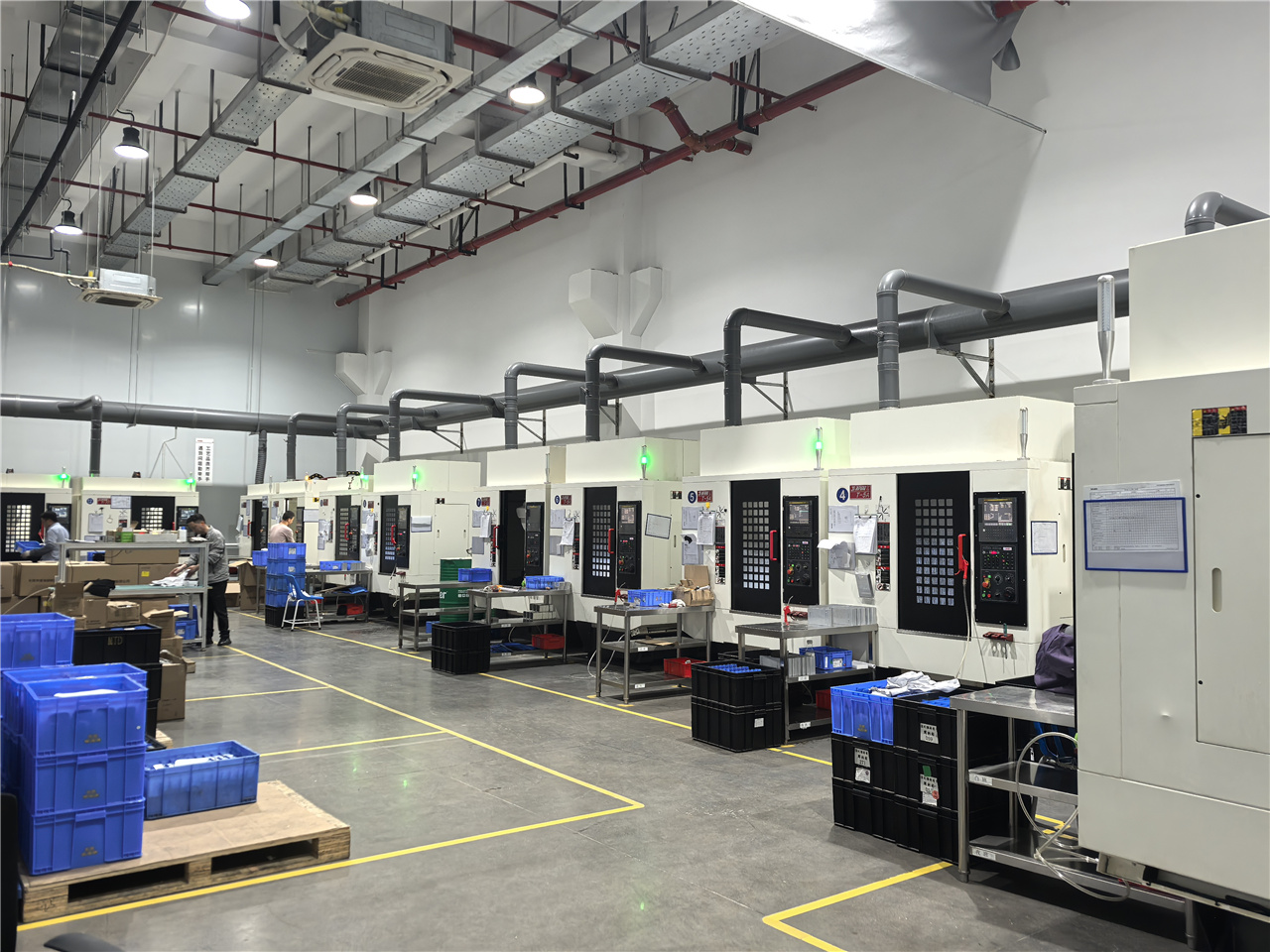
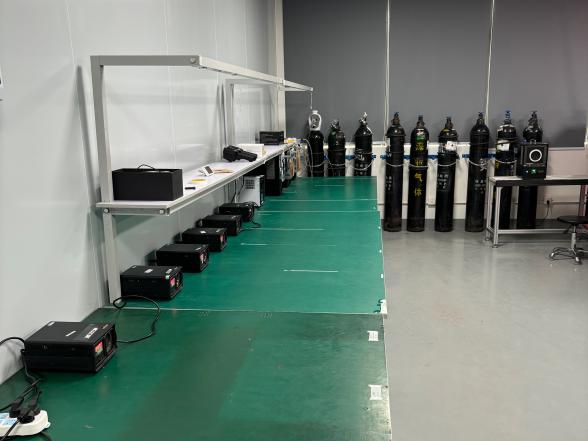
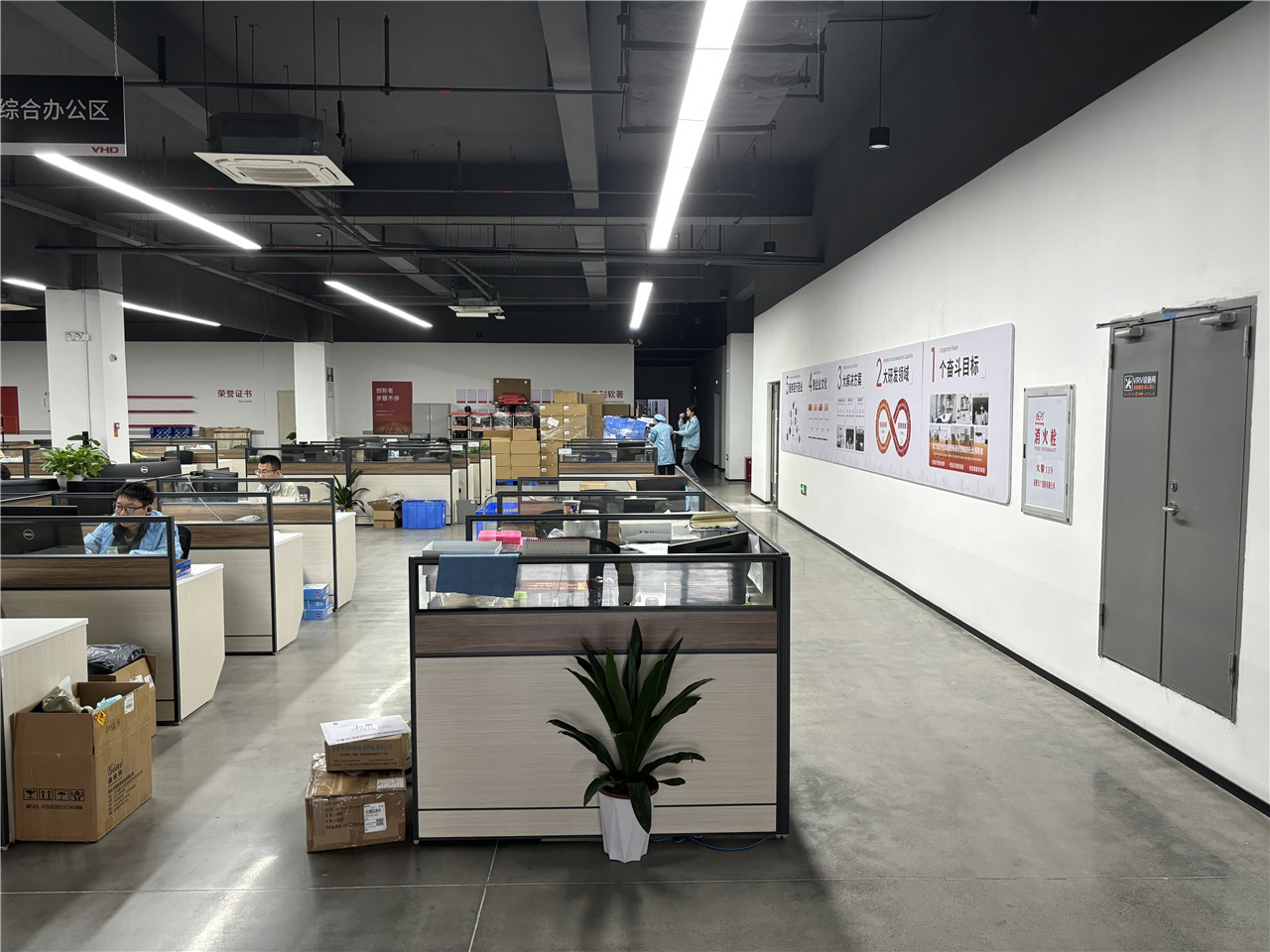
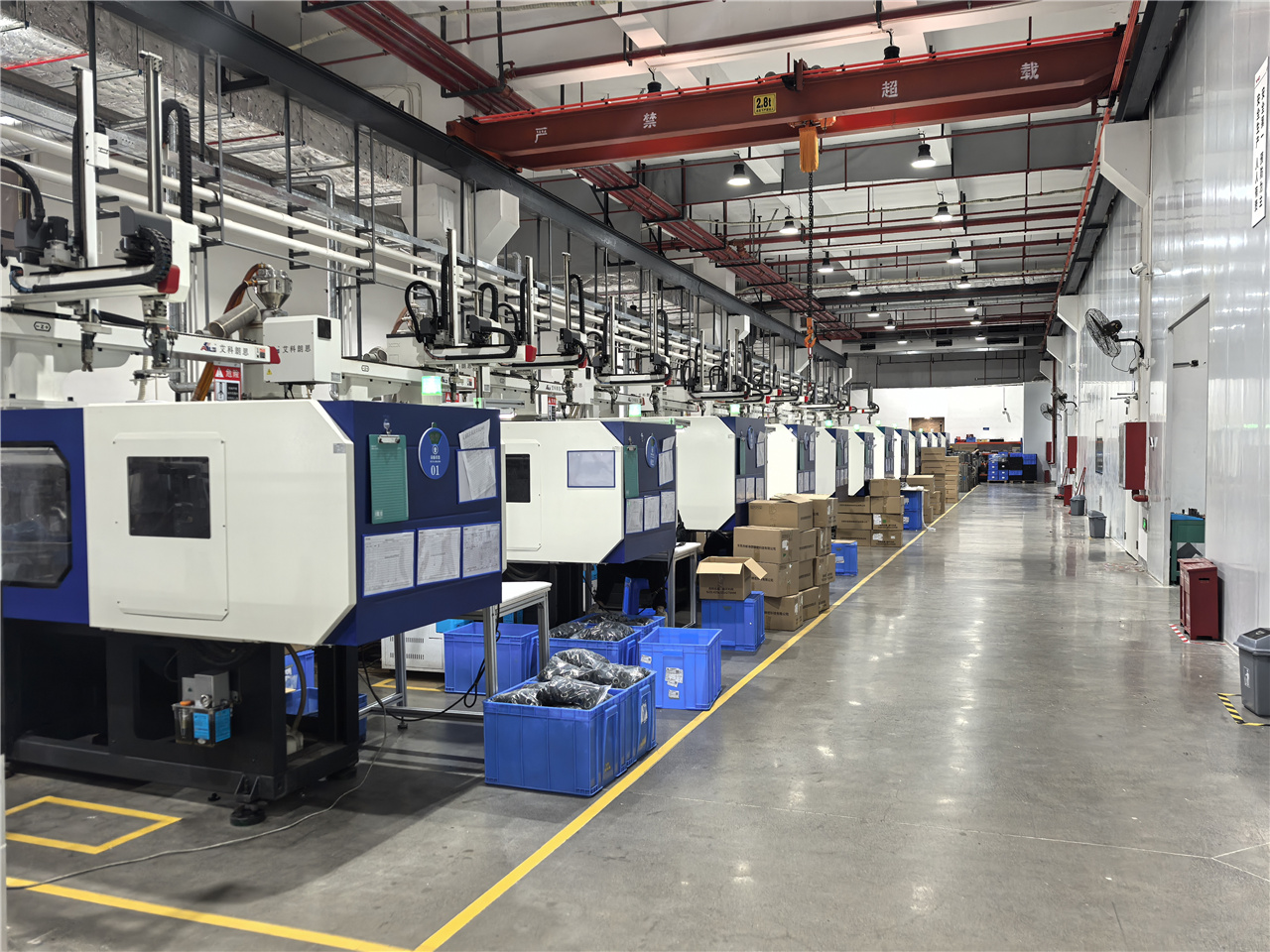
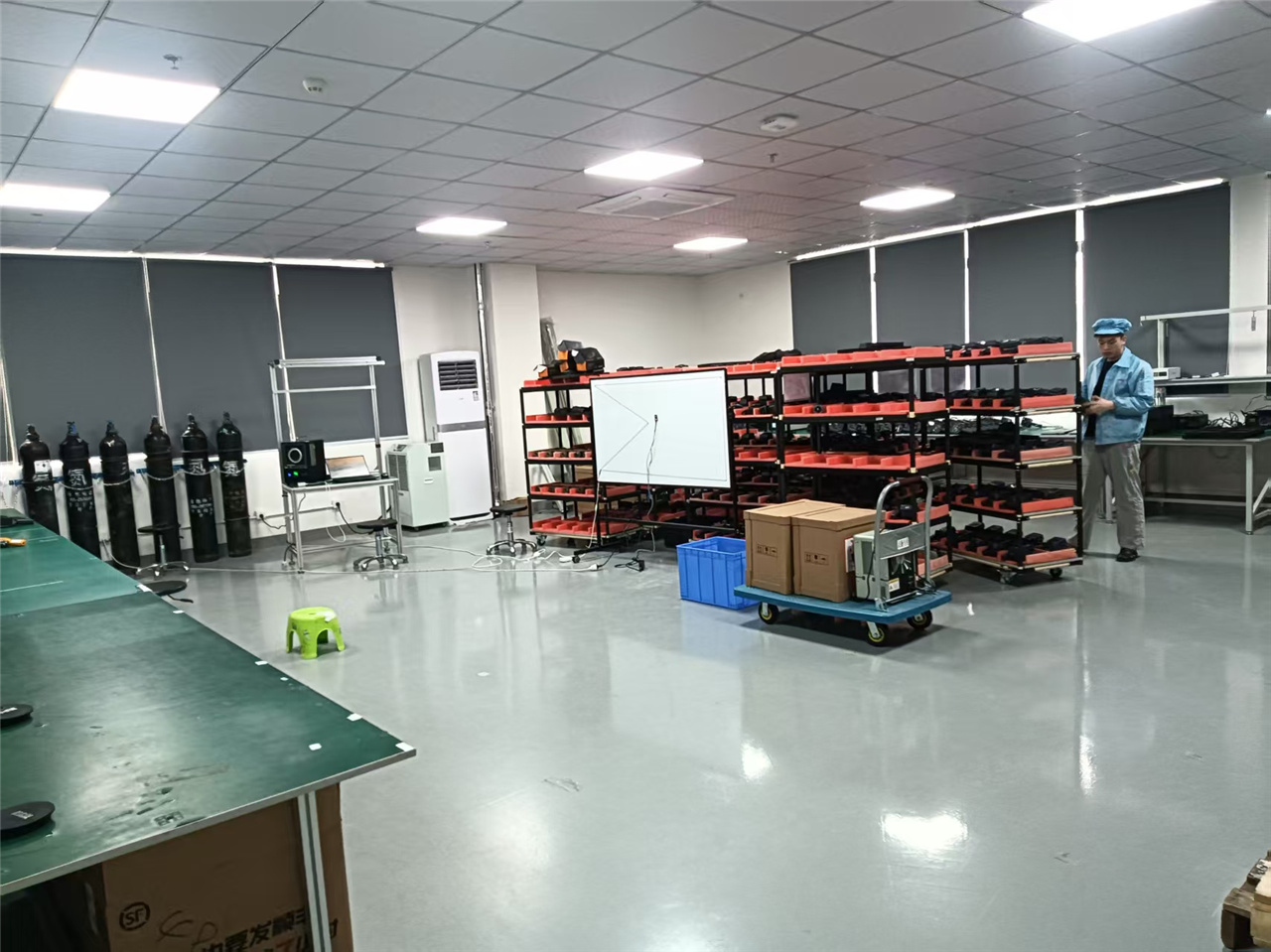
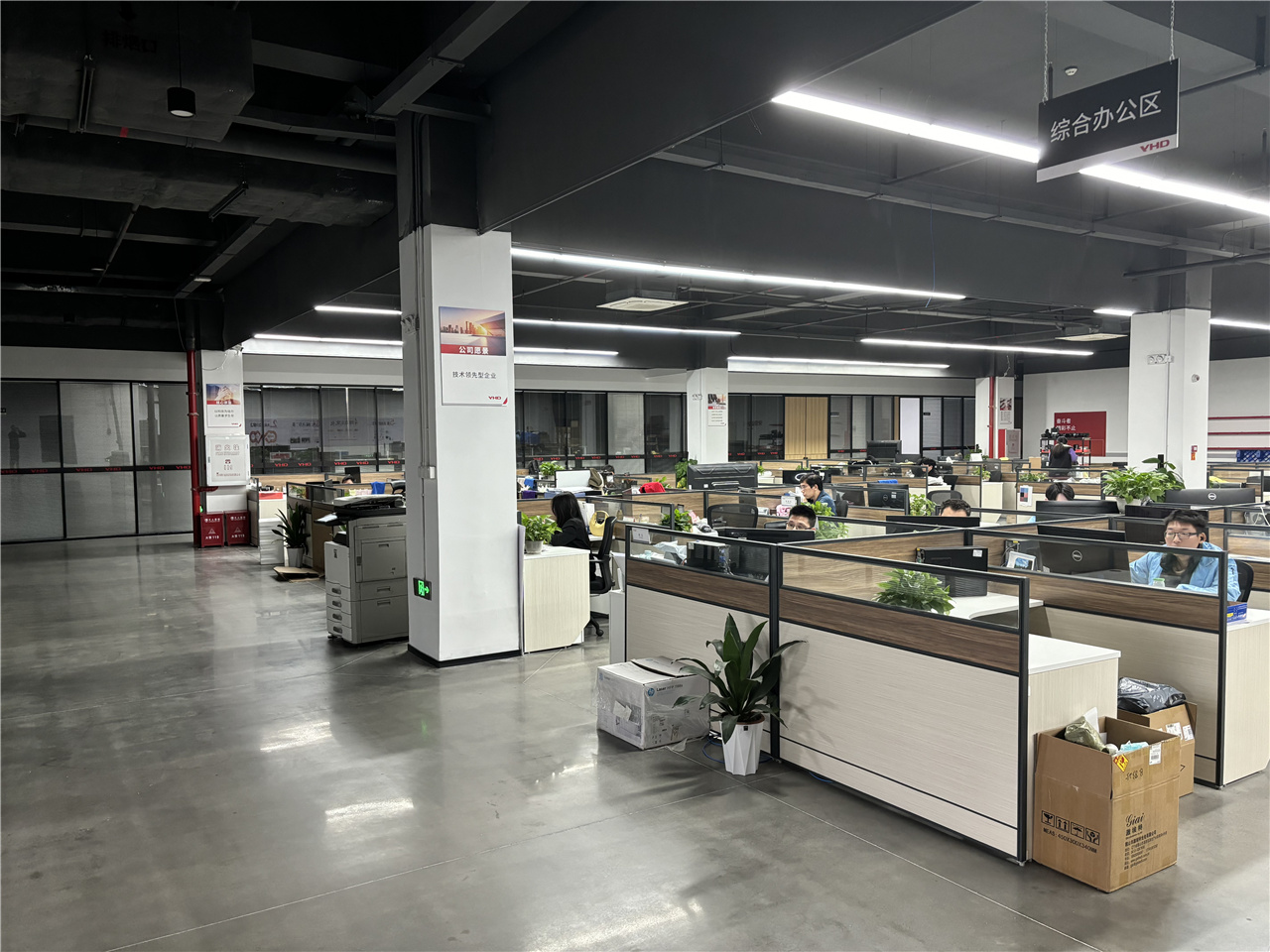
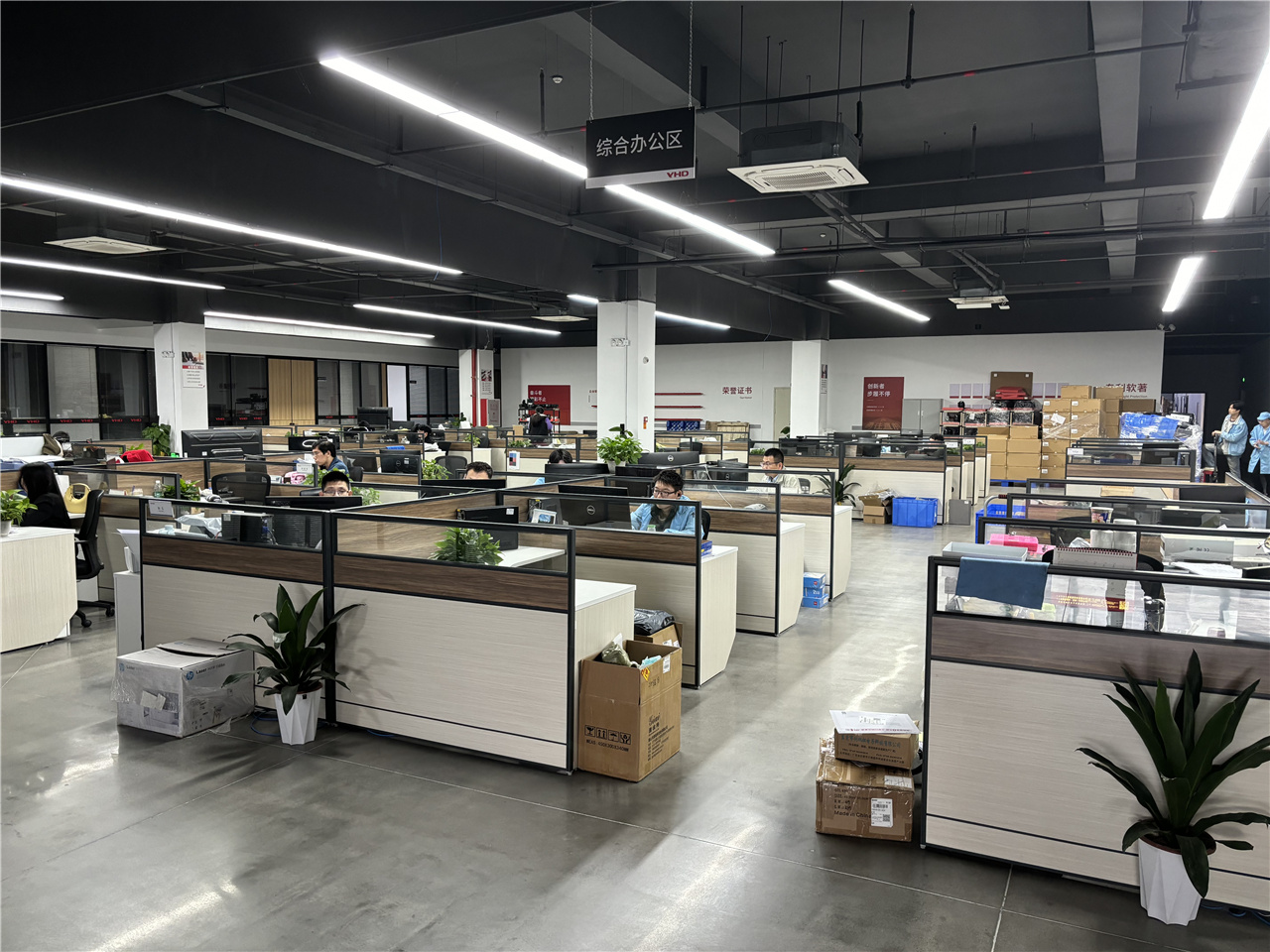
Dianyang Technology’s R&D department continues to push the boundaries of uncooled infrared sensor integration, thermal radiometry software algorithms, and embedded AI edge architecture.
Transitioning core sensor lines to 12μm pixel pitch microbolometers enables smaller optical lens systems, lighter housing form factors, and reduced power consumption without sacrificing image fidelity or thermal sensitivity.
Embedding low-power NPU (Neural Processing Units) into thermal cameras allows direct execution of machine learning models for object classification, flame dynamics recognition, and early component degradation analysis at the edge.
Building cloud-native thermal surveillance architectures that automatically stream continuous radiometric data to centralized IoT dashboards, giving enterprise facilities managers real-time thermal health visibility across multi-site global operations.
In an evolving international trade environment, procurement security and compliance reliability are paramount for enterprise buyers. Dianyang Technology offers robust supply chain assurance and full regulatory alignment across key international markets.
All thermal products undergo comprehensive laboratory testing to secure CE, FCC, RoHS, REACH, CB, UKCA, KC, and PSE approvals, ensuring smooth customs clearance and regulatory compliance worldwide.
By applying Design for Manufacturing (DFM) and Design for Testability (DFT) practices during early design phases, we eliminate assembly bottlenecks, improve yields, and deliver exceptionally low failure rates in the field.
In-house electromagnetic compatibility (EMC) testing ensures our thermal devices operate flawlessly in high-interference environments, such as high-voltage electrical substations and dense industrial automation plants.
We offer extensive customization—from optical lens modifications, custom enclosure branding, and specialized firmware palettes to dedicated SDK development for iOS, Android, Linux, and Windows platforms.
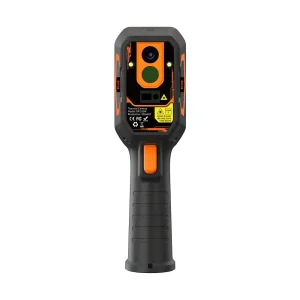
Explore our specialized dual-light infrared cameras, high-resolution handheld diagnostic units, and versatile compact thermal sensors for industrial and enterprise deployment.
Find authoritative answers to common engineering, customization, and export compliance questions regarding our thermal imaging security products and OEM/ODM services.
Dianyang Technology is a direct subsidiary of VHD (Shenzhen VHD Technology Co., Ltd.), a publicly listed company on the Shenzhen Stock Exchange. This backing provides Dianyang with advanced R&D platforms, precision automated manufacturing facilities, strict quality control procedures, and long-term financial stability. Unlike standard ODMs, we offer rigorous Design for Manufacturing (DFM) and Design for Testability (DFT) practices, ensuring unmatched hardware consistency and long-term product availability.
We provide a scalable range of thermal resolutions tailored to diverse application requirements and budget parameters. Options include entry-level 96x96 (DP-09D series) for basic HVAC and industrial spot checks, 120x90 (DP-12D series), mid-tier 160x120 (H1FB mobile series) and 256x192 (DP-25DV / H2F6B series) for detailed maintenance, professional 384x288 (DP-38D series), and high-resolution 640x512 (DP-64D series) for long-range surveillance and high-precision electrical inspections.
To facilitate frictionless global distribution for our OEM/ODM partners, our products support compliance and certification under major international standards, including CE, FCC, RoHS, REACH, CB, UKCA, KC, and PSE. We perform extensive EMC pre-compliance analysis in-house to guarantee trouble-free certification for specialized market requirements.
Our smartphone thermal cameras feature Type-C or Lightning connectors and communicate via proprietary low-latency protocols. We supply full SDKs for Android and iOS development, allowing B2B clients and system integrators to embed raw radiometric temperature readings, custom color palettes, auto-reporting engines, and alarm threshold triggers directly into their custom enterprise applications.
Standard catalog products ship within 1 to 2 weeks for evaluation units. For customized OEM branding (housing modification, software customization, custom packaging), typical lead time ranges between 3 and 5 weeks. Full ground-up ODM hardware development cycles (custom thermal optics, PCB redesign, specialized SDK integration) typically take 8 to 12 weeks, managed via milestone-driven project timelines.
Our uncooled Vanadium Oxide (VOx) microbolometer cores achieve Noise Equivalent Temperature Differences (NETD) of <40mK (and down to <35mK on select professional models). This ultra-low noise floor enables clear imaging of minimal temperature gradients, delivering crisp thermal contrast even during rainfall, fog, or low-thermal-contrast environments.
 Dianyang