Direct Factory Pricelist & High-Precision Infrared Sensor Hardware for B2B Sourcing
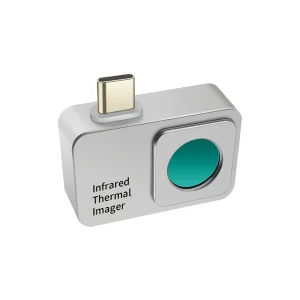
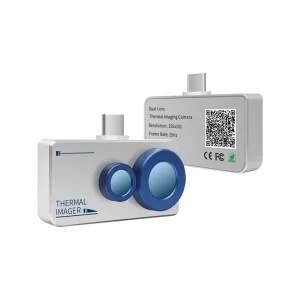
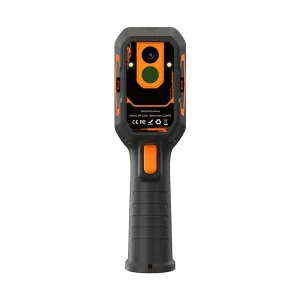
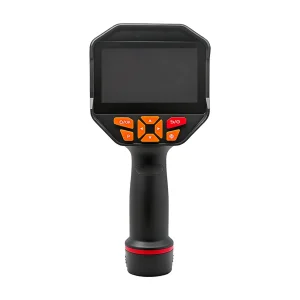
The global demand for cheap thermal imaging camera phones, plug-and-play smartphone thermal attachments, and accessible infrared inspection tools has surged exponentially over the past three years. Driven by breakthroughs in uncooled focal plane array (FPA) microbolometer manufacturing and micro-packaging technologies, high-resolution thermal imaging—once reserved for aerospace, military, and heavy industrial research—has been democratized into a compact, affordable, mobile-first accessory.
Enterprise procurement managers, B2B hardware distributors, industrial maintenance teams, and contractors searching for reliable thermal camera phone pricelists face a complex ecosystem. Evaluating suppliers requires balancing technical specs such as spatial resolution (e.g., 120x90 vs. 256x192 vs. 640x512 pixels), thermal sensitivity (NETD ≤ 40mK), spectral band response (8~14μm LWIR), frame refresh rate (9Hz vs. 25Hz/50Hz), and SDK software integration against unit costs.
This whitepaper acts as a comprehensive buying and technical evaluation framework. It highlights how leading Chinese factories—anchored by mature optic-electronic supply chains, proprietary algorithms, and public-company R&D backing—are redefining the cost-to-performance ratio for smartphone-based infrared thermal imagers globally.
Traditional handheld thermal imagers required dedicated processors, bulky enclosures, high-capacity internal batteries, and expensive proprietary displays. Thermal camera phone attachments leverage the mobile device's existing high-definition display, high-speed SoC processing, and battery power.
Modern mobile thermal modules utilize Vanadium Oxide (VOx) uncooled microbolometers with pixel pitches as fine as 12μm. This enables high-density 256x192 pixel arrays within a module measuring less than 30mm x 25mm, matching the radiometric accuracy of industrial benchtop tools.
The concentration of precision optoelectronics manufacturing in China—specifically within the Shenzhen electronic technology ecosystem—gives OEM/ODM buyers unprecedented cost and technical advantages. Sourcing thermal imaging camera phone devices direct from tier-1 Chinese manufacturers yields substantial operational benefits:
By adopting advanced Wafer-Level Packaging (WLP) for infrared detectors, Chinese foundries have drastically reduced encapsulation costs while improving thermal sensor yield rates. This industrial scale makes true sub-$100 256x192 resolution mobile modules commercially viable for global wholesale.
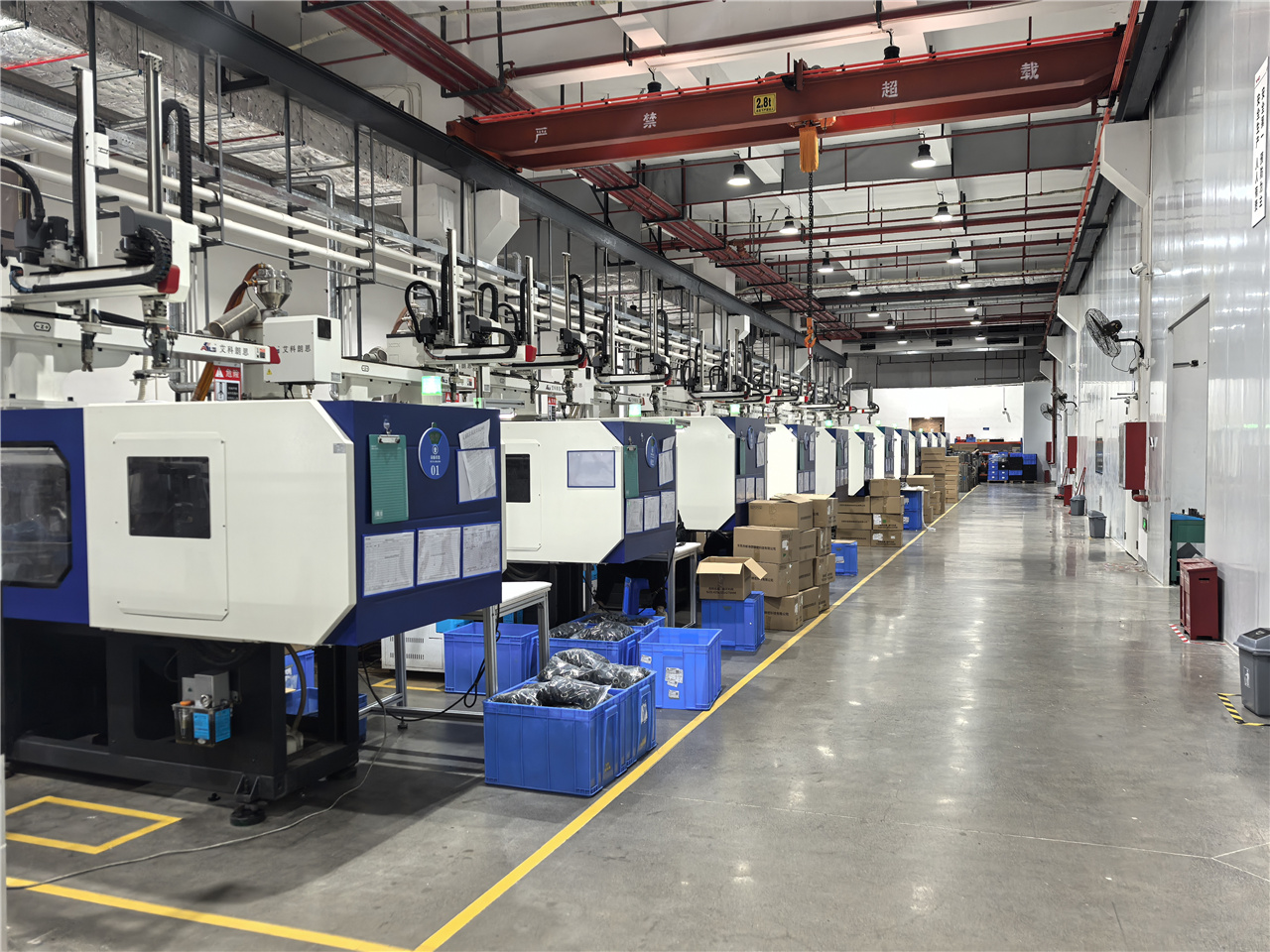
From Chalcogenide glass optic lens fabrication to SMT board placement, thermal calibration blackbodies, and injection molding, every tier of the production process is executed locally. This reduces turnaround time for custom OEM requests from months to weeks.
Leading manufacturers apply Design for Manufacturing (DFM) and Design for Testability (DFT) protocols. Full-spectrum thermal simulation, automated optical calibration, and EMC pre-compliance validation ensure low defect rates (DPPM < 500) on volume deliveries.
Top suppliers provide robust iOS and Android SDKs, supporting custom GUI design, temperature measurement algorithm customization, multi-language localization, and API integration into corporate maintenance software platforms.
When requesting quotes for thermal imaging camera phone products, international buyers should align pricing tiers with target market applications. Below is an authoritative technical classification breakdown based on factory direct wholesale price brackets:
| Product Class | Thermal Resolution | NETD Sensitivity | Temp Range | Est. Wholesale Price (USD) | Primary Target Application |
|---|---|---|---|---|---|
| Entry / Consumer Module | 96x96 to 120x90 | ≤ 60mK | -20°C to 150°C | $45 - $85 | DIY Home Inspection, Basic HVAC Leak Checks, Hobbyist Outdoor Use |
| Standard Professional Mobile | 256x192 (e.g. H2FB Series) | ≤ 40mK | -20°C to 550°C | $95 - $160 | Commercial Electrical Audits, Building Envelope Analysis, Auto Repair |
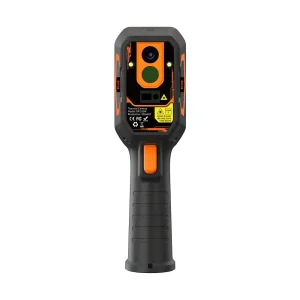
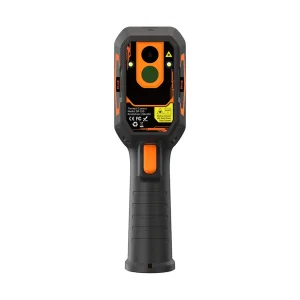
| Dual-Light Fusion Handheld | 256x192 + Visible Cam | ≤ 40mK | -20°C to 550°C | $140 - $240 | Industrial Maintenance, Substation Audits, NDT Contracting |
| High-Res Industrial Grade | 384x288 to 640x512 | ≤ 35mK | -20°C to 650°C+ | $350 - $850+ | Power Grid Patrol, Firefighting Search & Rescue, Precision R&D |
*Note: Actual factory pricelists depend on order volume (MOQ), custom software requirements, packaging branding, and region-specific regulatory certification needs.
Compact thermal camera phone accessories and hybrid thermal handhelds serve crucial functions across key commercial and industrial verticals worldwide:
Detect loose connections, phase imbalances, overloaded circuit breakers, and transformer thermal hotspots before critical failure occurs. High resolution (256x192+) ensures safe distance monitoring of high-voltage lines.
Identify missing insulation, air infiltration, roof moisture retention, underfloor heating pipe blockages, and window seal degradation. Saves up to 30% in commercial energy audit costs.
Essential for Electric Vehicle (EV) battery pack thermal inspection, brake system heat distribution analysis, exhaust blockage detection, and shorted interior electronics troubleshooting.
Mobile phone thermal attachments transform standard smartphones into night vision devices for search and rescue operations, wildlife monitoring, perimeter surveillance, and outdoor survival.
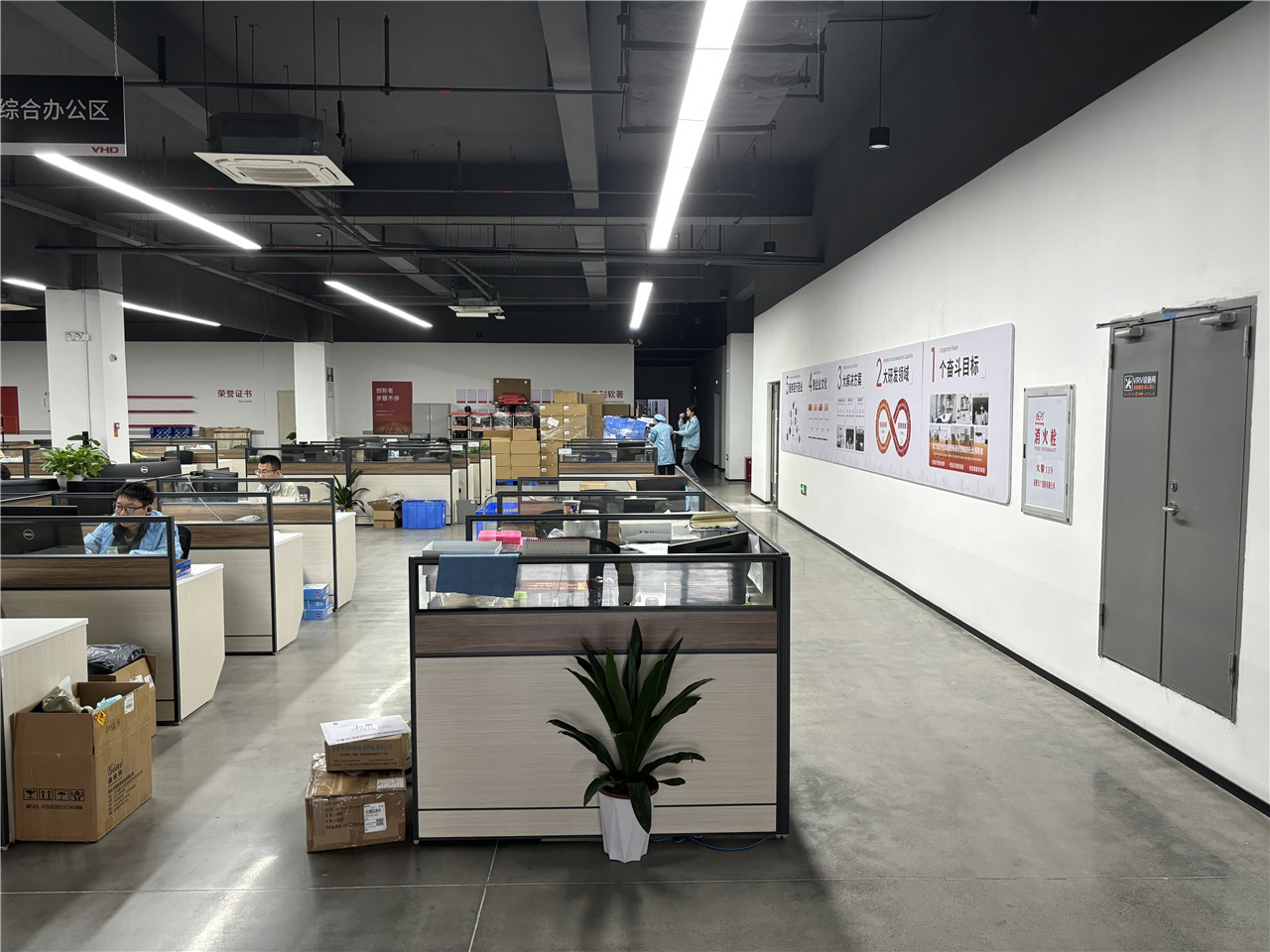
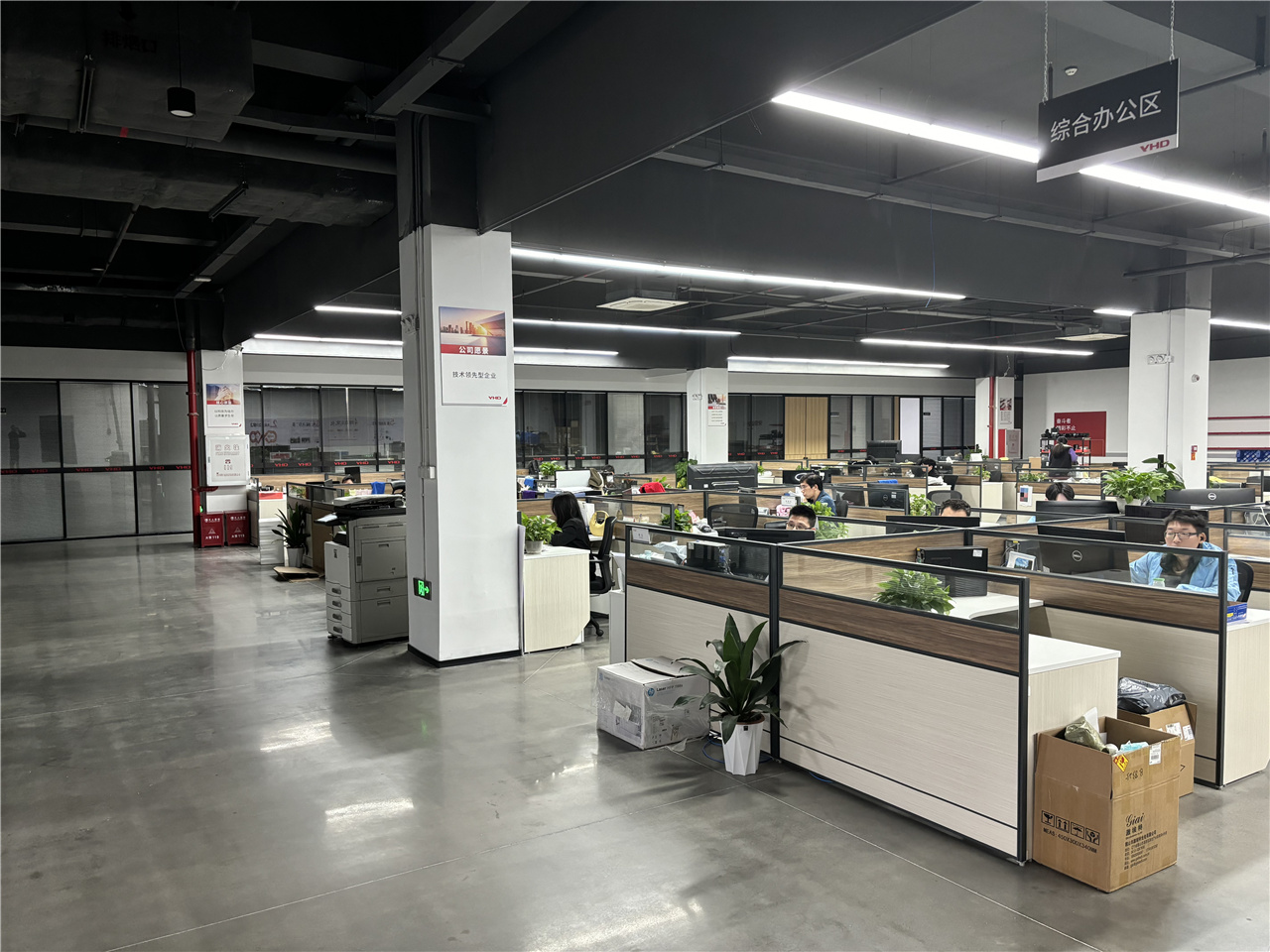
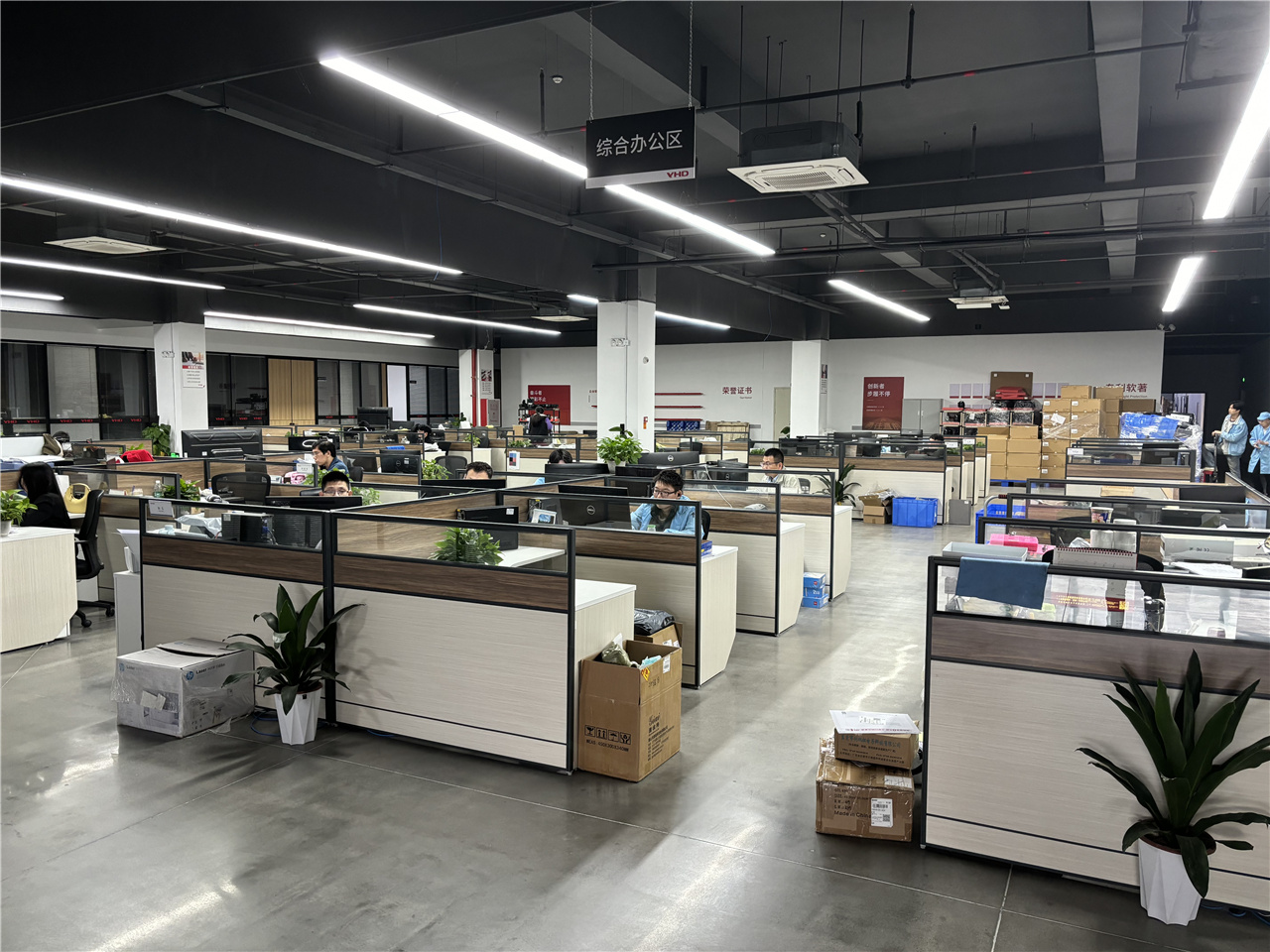
Shenzhen Dianyang Technology Co., Ltd. is a subsidiary of VHD (Shenzhen VHD Technology Co., Ltd.), a publicly listed company on the Shenzhen Stock Exchange. This strategic affiliation gives Dianyang unique access to VHD’s advanced R&D platforms, high-precision manufacturing systems, and rigorous quality management practices—enabling us to deliver thermal imaging products of higher reliability and consistency than typical ODMs.
We specialize in ODM/OEM services for infrared thermal imaging solutions, including handheld thermal imagers, smartphone-connected thermal cameras, thermal analyzers, and thermal imaging telescopes. Our products serve global customers in power inspection, building diagnostics, firefighting, industrial maintenance, and outdoor applications.
Our dedicated engineering team applies Design for Manufacturing (DFM), Design for Testability (DFT), thermal simulation, and EMC pre-compliance analysis to optimize performance and accelerate development. We also support clients in obtaining key certifications such as CE, FCC, RoHS, REACH, CB, UKCA, KC, and PSE.
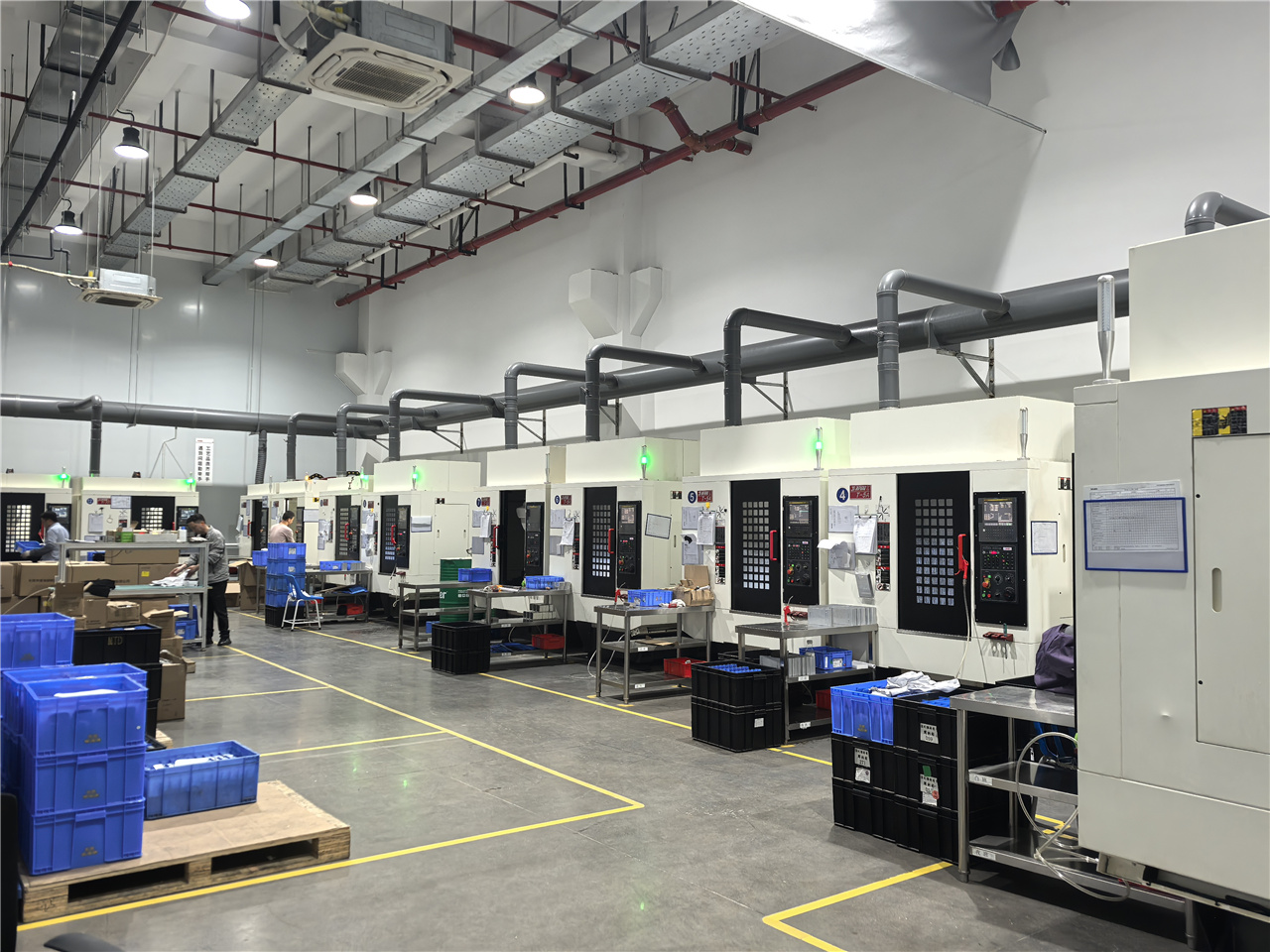
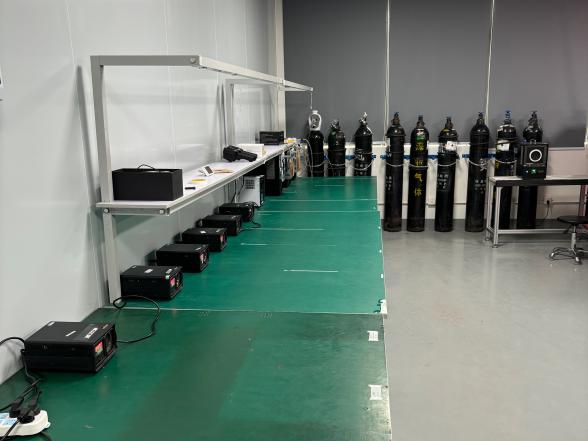
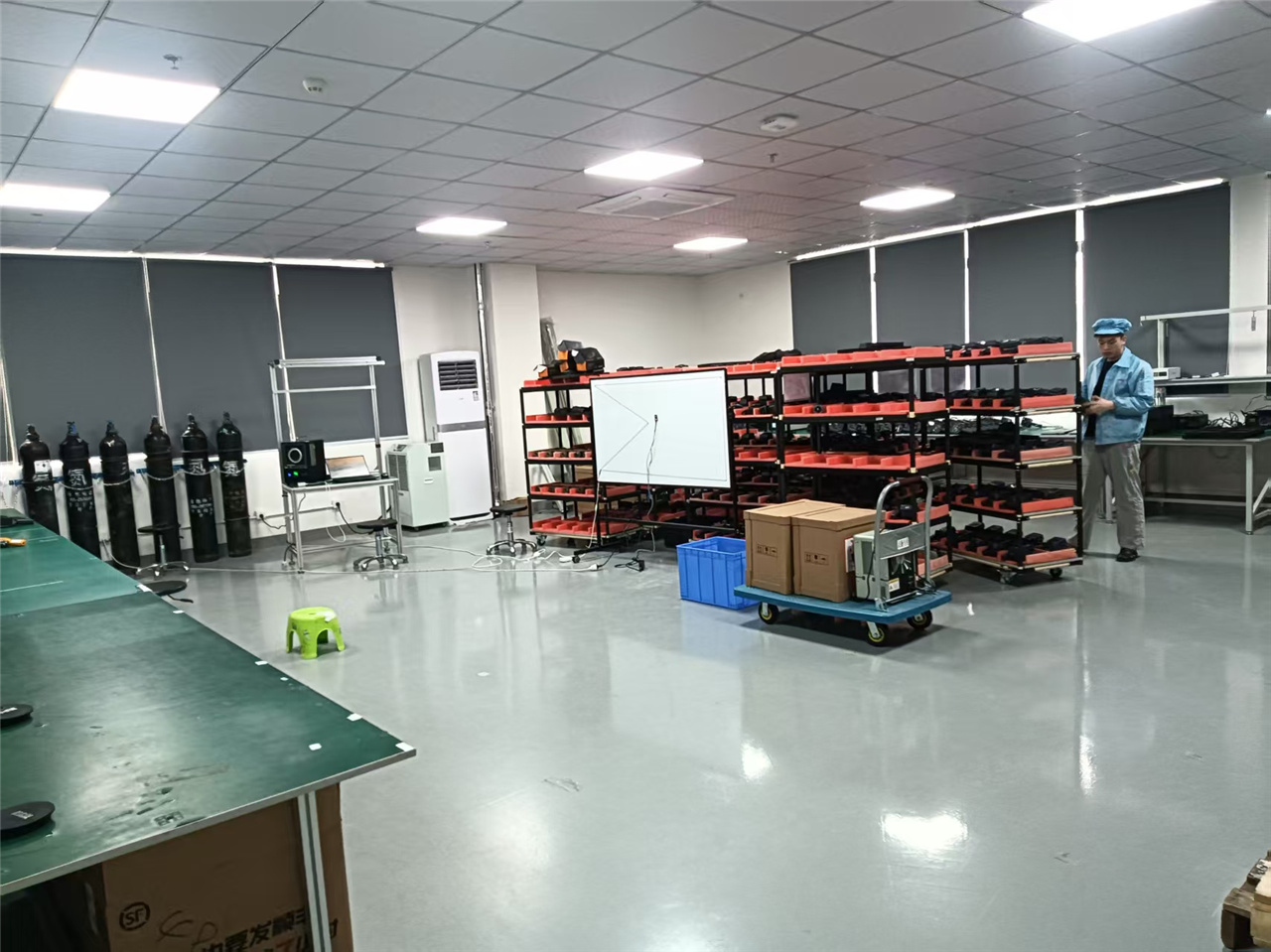
Dianyang Technology's state-of-the-art production base operates ISO9001-certified cleanrooms, automated micro-assembly lines, optical collimation rigs, and high-precision temperature calibration blackbody chambers. Our global export footprint spans over 50 countries, serving brand partners across North America, Europe, East Asia, and Australia.
The smartphone-connected thermal camera industry is undergoing rapid technological evolution. Procurement officers and product line managers must consider four key technological trajectories when planning multi-year device roadmaps:
Technical & Commercial Insights for Enterprise Buyers and Wholesale Distributors
A 256x192 resolution sensor provides 49,152 distinct temperature measurement points per frame—over four times the spatial data of a 120x90 array (10,800 points). This extra resolution allows technicians to inspect smaller components or safely scan targets from longer distances.
By offloading display graphics, battery storage, and UI compute to the smartphone, hardware component costs drop substantially. Furthermore, Chinese foundries utilize Wafer-Level Packaging (WLP) for uncooled VOx microbolometers, drastically cutting chip manufacturing expenses while preserving high thermal accuracy (±2°C or ±2%).
Yes. As a leading OEM/ODM manufacturer backed by listed parent company VHD, Dianyang supplies comprehensive Android (Java/Kotlin), iOS (Swift/Objective-C), and Windows C++ SDKs with API documentation for real-time radiometric raw data stream extraction and color palette rendering.
Our products undergo rigorous testing and hold major global certifications including CE, FCC, RoHS, REACH, CB, UKCA, KC (Korea), and PSE (Japan), ensuring compliance for frictionless international trade and customs clearance.
NETD (Noise Equivalent Temperature Difference) measures thermal sensitivity. A lower NETD score (e.g., ≤40mK compared to 70mK) means the thermal sensor can distinguish tiny temperature differences. This sensitivity is critical for identifying subtle moisture leaks, HVAC draft issues, and faint insulation gaps.
Standard white-label products have flexible MOQs starting at 50-100 units. For full OEM customized hardware mold alterations or custom SDK firmware builds, lead times typically range between 3 to 6 weeks depending on project specifications.
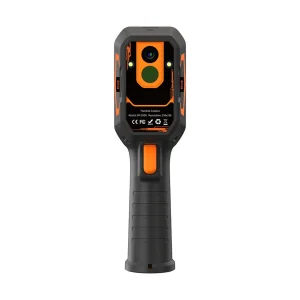
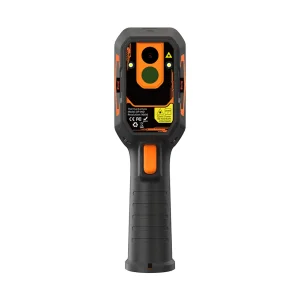
Explore Direct Factory Models, Portable Smartphone Thermal Imagers & Handheld Cameras
 Dianyang