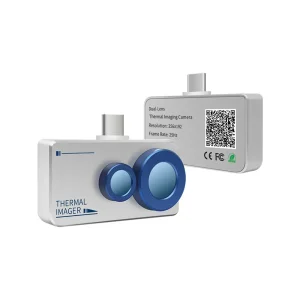
High-precision uncooled microbolometer sensor solutions, mobile thermal imaging adapters, and industrial handheld thermography units directly from listed factory R&D platforms.
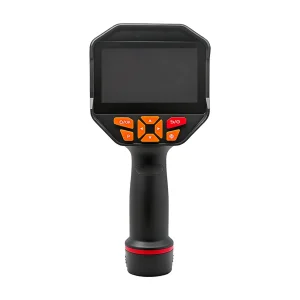
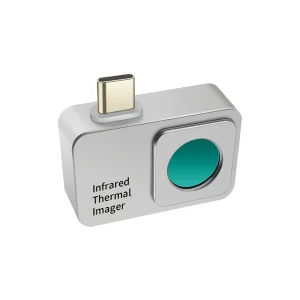
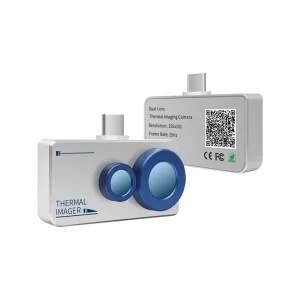
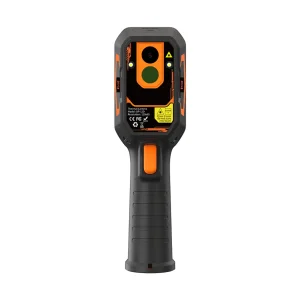
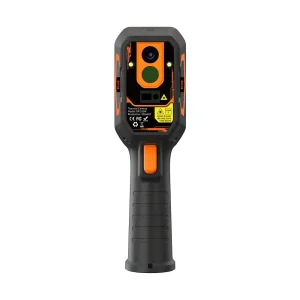
Strategic shift from high-cost military thermal sensors to cost-optimized commercial microbolometer architectures.
Advances in Vanadium Oxide (VOx) and Amorphous Silicon (a-Si) focal plane arrays (FPA) have lowered wafer-level packaging (WLP) costs by over 40% in recent years. This allows enterprise buyers to procure high-resolution thermal security matrices at entry-level budget tiers without compromising Noise Equivalent Temperature Difference (NETD) performance.
Modern security infrastructure requires real-time automated threat identification. Integrating dual-light fusion (visible light + thermal IR) alongside edge-computing AI neural networks enables automated intrusion detection, vehicle classification, and fire hot-spot alarms with near-zero false positive rates under complete darkness or severe weather.
The emergence of smartphone-connected thermal modules (such as the H2FB and H2F6B series) has decentralized industrial thermal diagnostics. Maintenance engineers can transform standard iOS/Android devices into calibrated thermographic inspection tools, cutting equipment fleet acquisition budgets significantly.
Information Gain Insight: While traditional thermal security implementations exceeded $5,000 per node, modern 12μm pixel pitch microbolometers coupled with scalable OEM/ODM manufacturing pipelines have brought industrial-grade 256x192 and 384x288 resolution units into affordable commercial reach, drastically lowering Total Cost of Ownership (TCO).
Shenzhen Dianyang Technology Co., Ltd. delivers industrial-grade thermal imaging hardware backed by public listed R&D infrastructure.
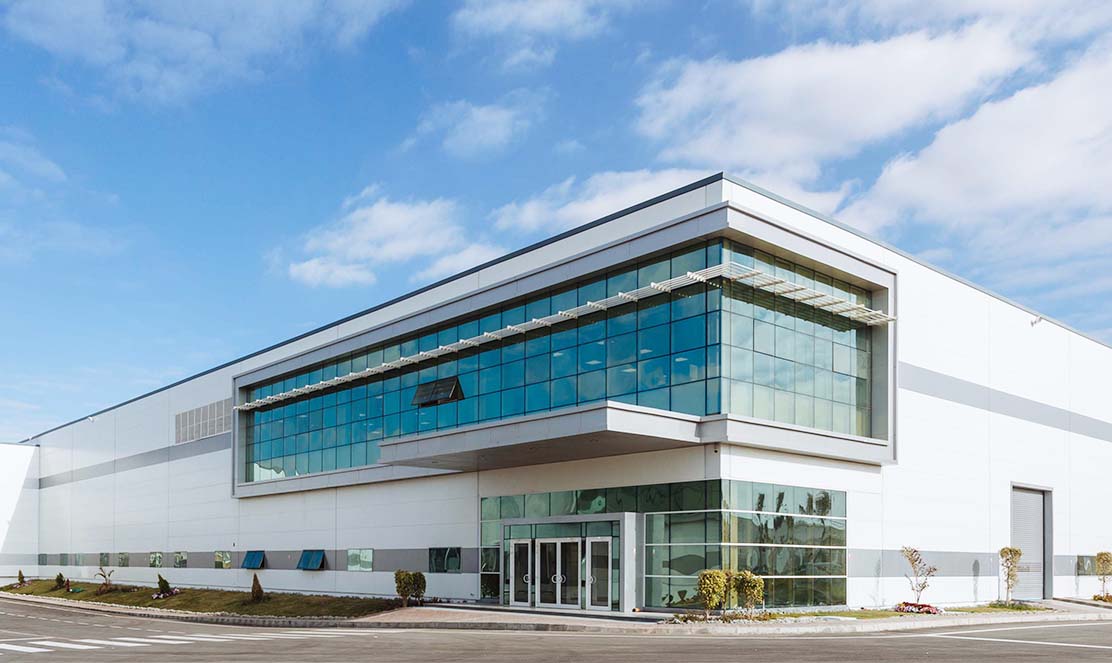
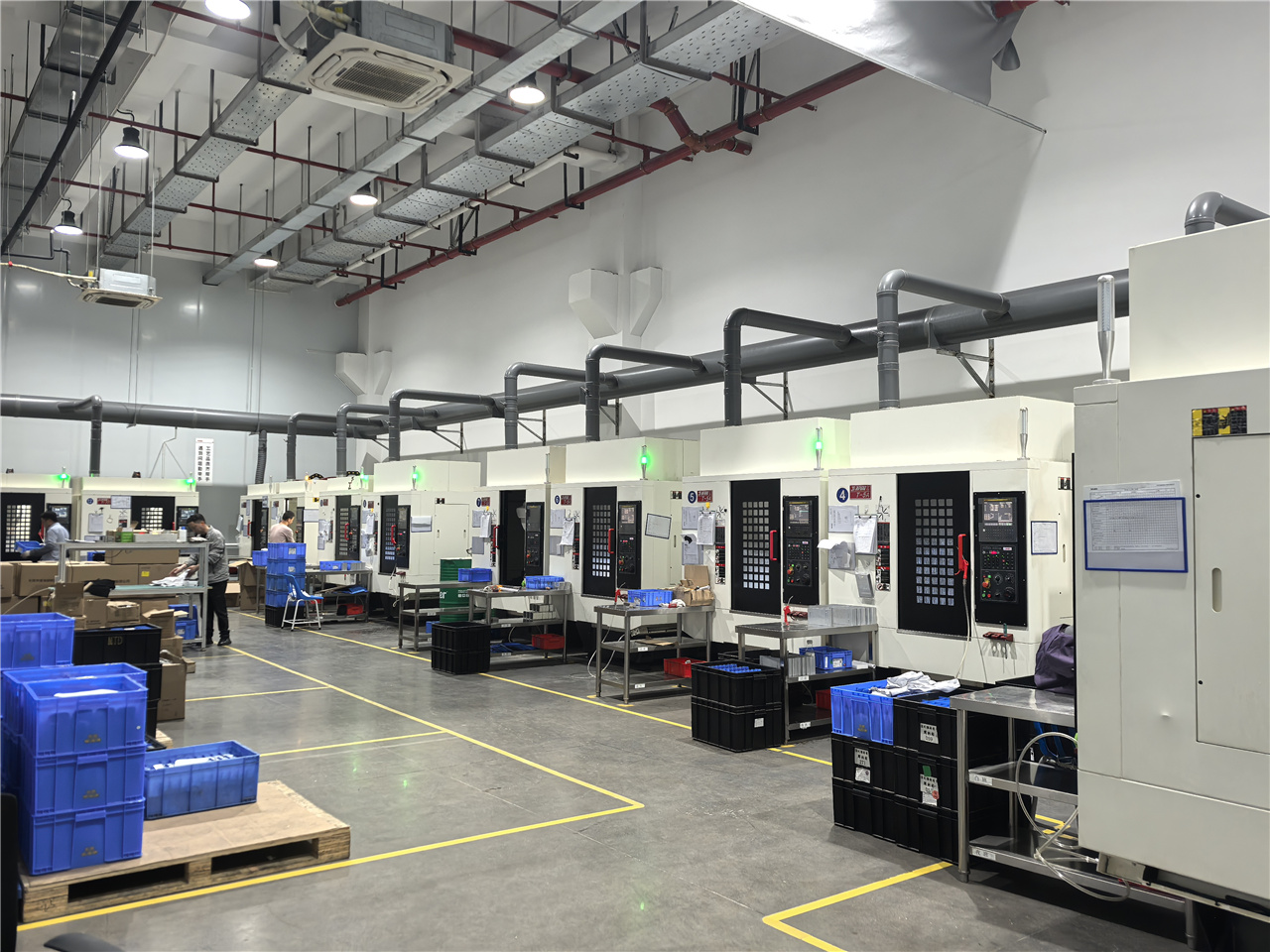
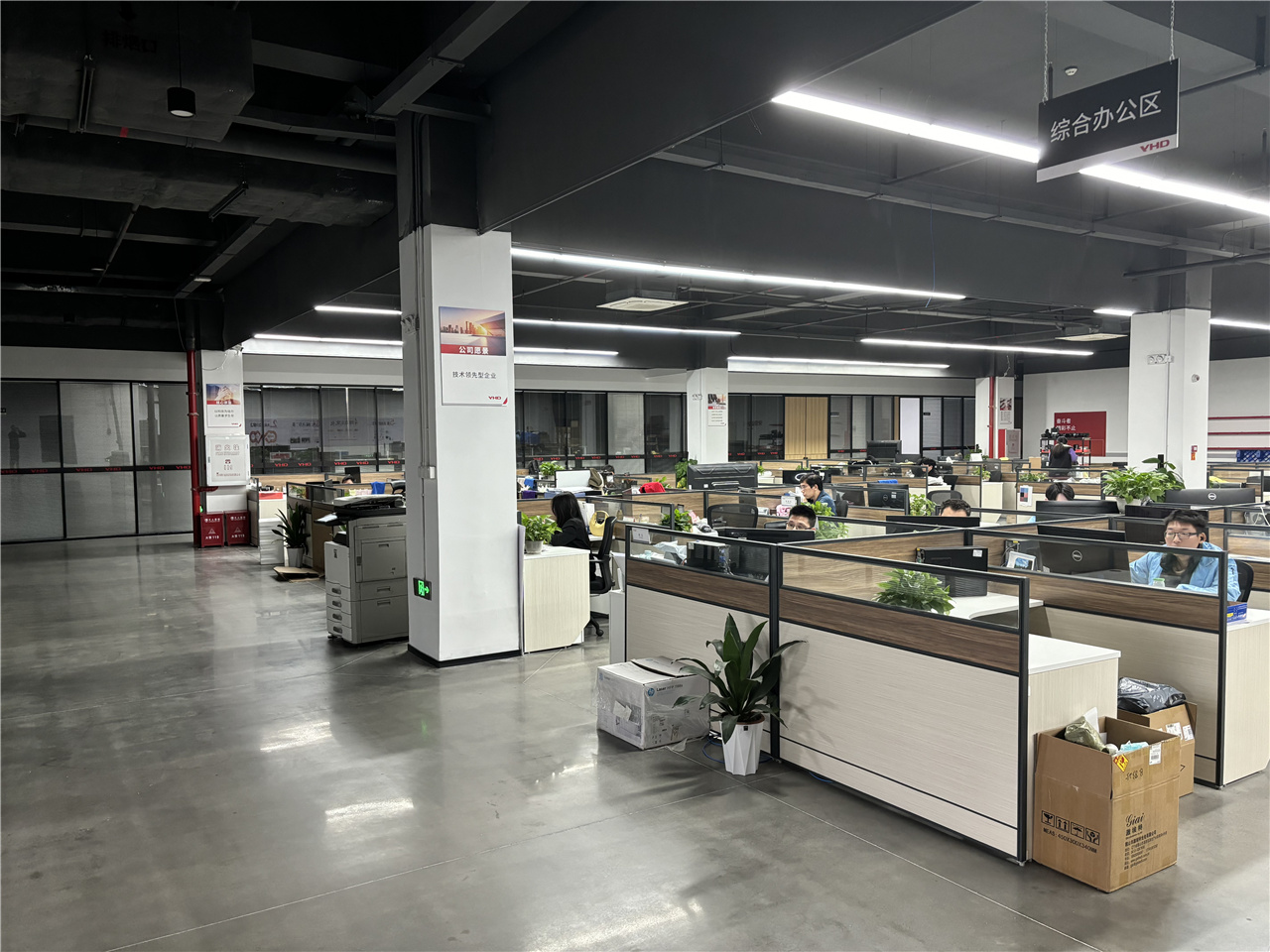
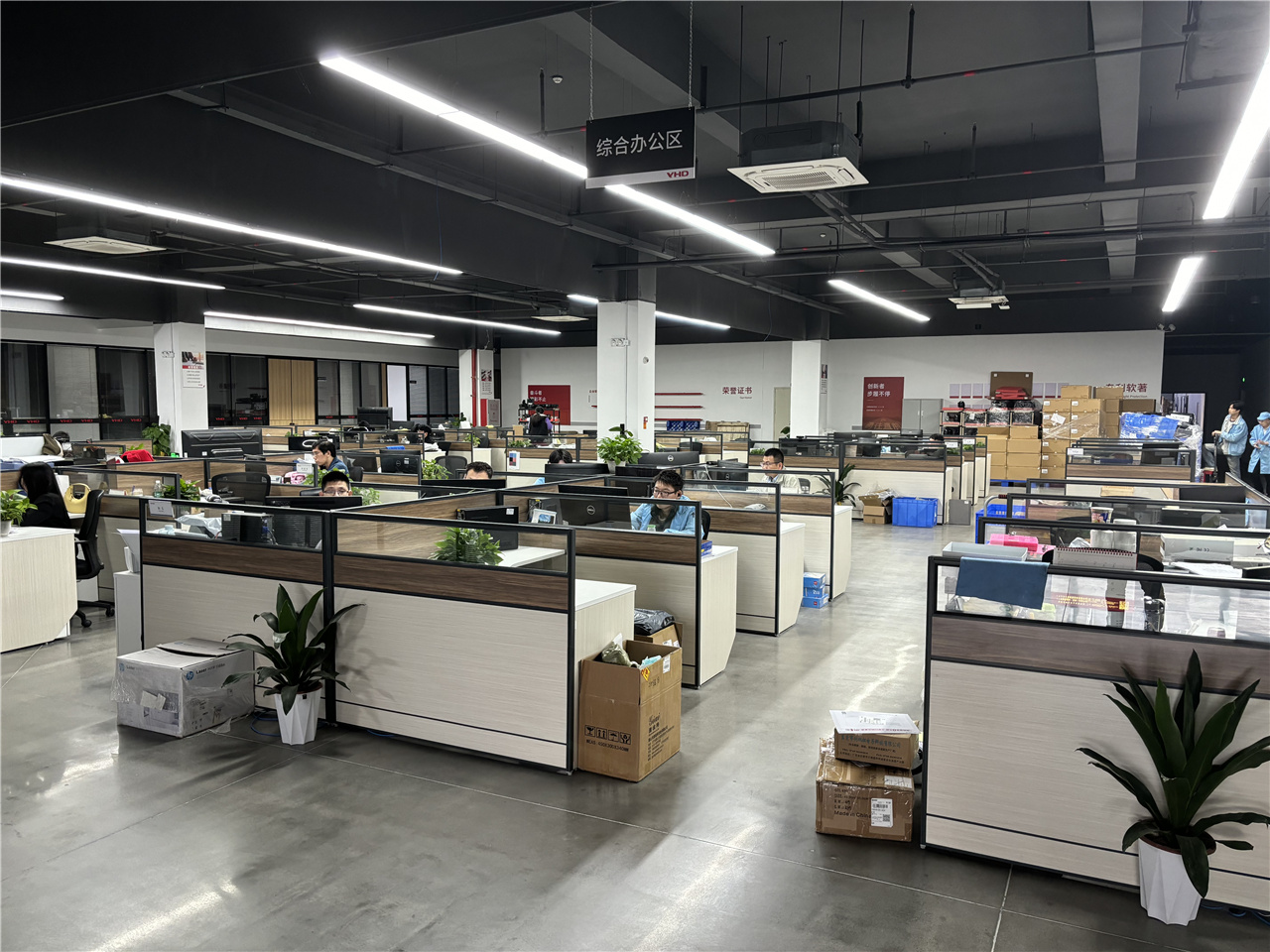
Shenzhen Dianyang Technology Co., Ltd. is a subsidiary of VHD (Shenzhen VHD Technology Co., Ltd.), a publicly listed enterprise on the Shenzhen Stock Exchange. This strategic affiliation gives Dianyang unique access to VHD’s advanced R&D platforms, high-precision automated assembly suites, optical testing cleanrooms, and rigorous quality management practices—enabling us to deliver thermal imaging products of higher reliability and consistency than typical ODMs.
We specialize in complete ODM/OEM services for infrared thermal imaging solutions, including handheld thermal imagers, smartphone-connected thermal cameras, online thermal monitoring cameras, thermal analyzers, and high-magnification thermal imaging telescopes. Our solutions empower enterprise clients globally across power inspection, structural building diagnostics, municipal firefighting, industrial preventative maintenance, and outdoor safety.
Our dedicated engineering team applies Design for Manufacturing (DFM), Design for Testability (DFT), finite-element thermal simulation, and electromagnetic compatibility (EMC) pre-compliance analysis to optimize hardware performance and accelerate product development cycles. Whether clients require specialized infrared optical lenses, targeted SDK API integrations, or rugged IP67 enclosures, Dianyang provides end-to-end turnkey customization.
Global Compliance Ready: We support international OEM/ODM clients in obtaining key regulatory certifications including CE, FCC, RoHS, REACH, CB, UKCA, KC, and PSE.
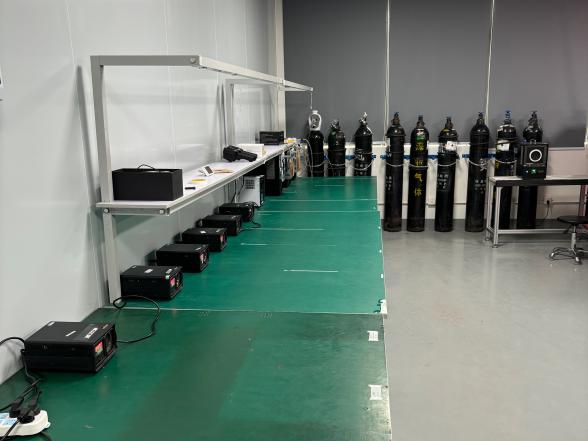
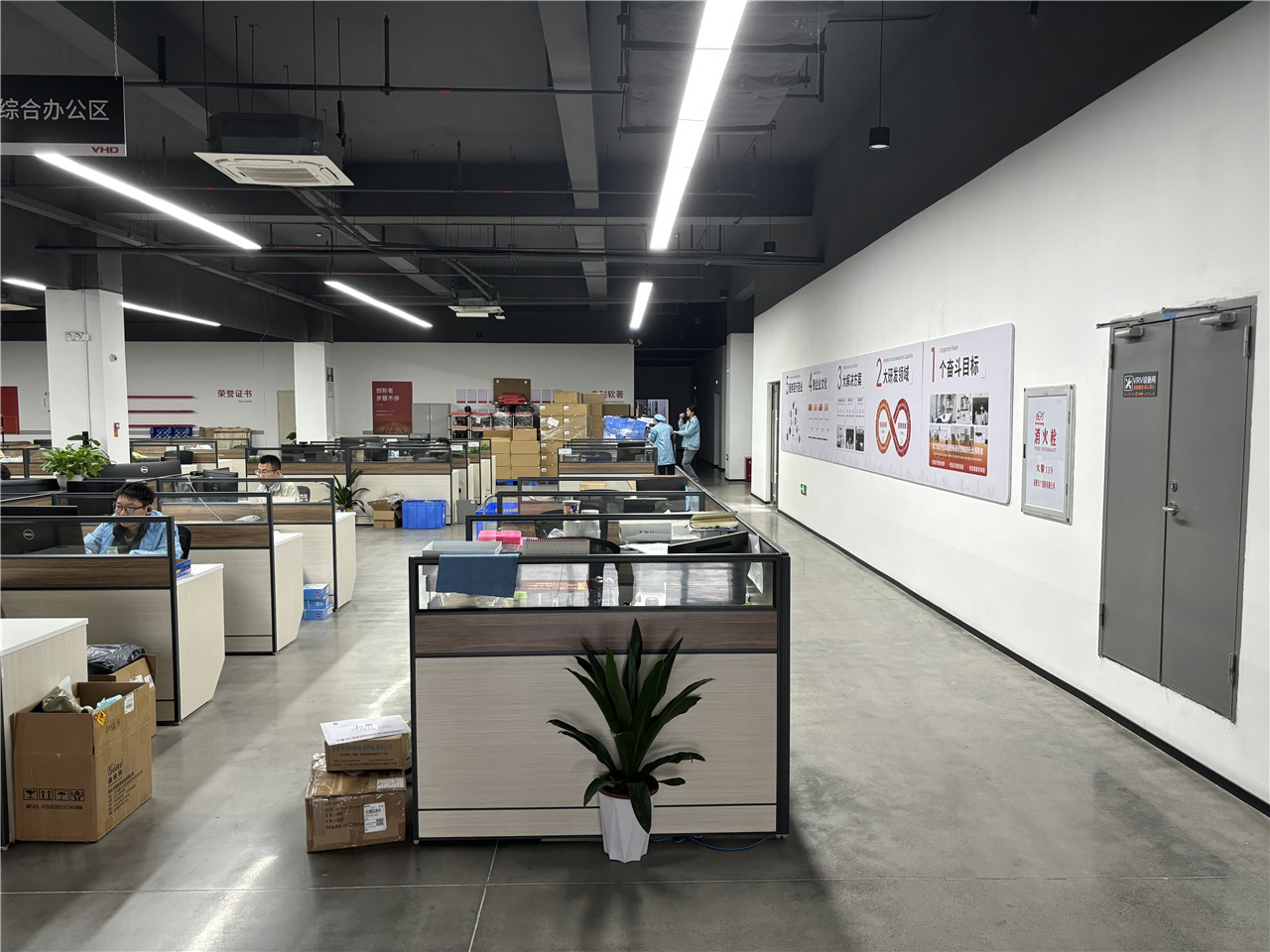
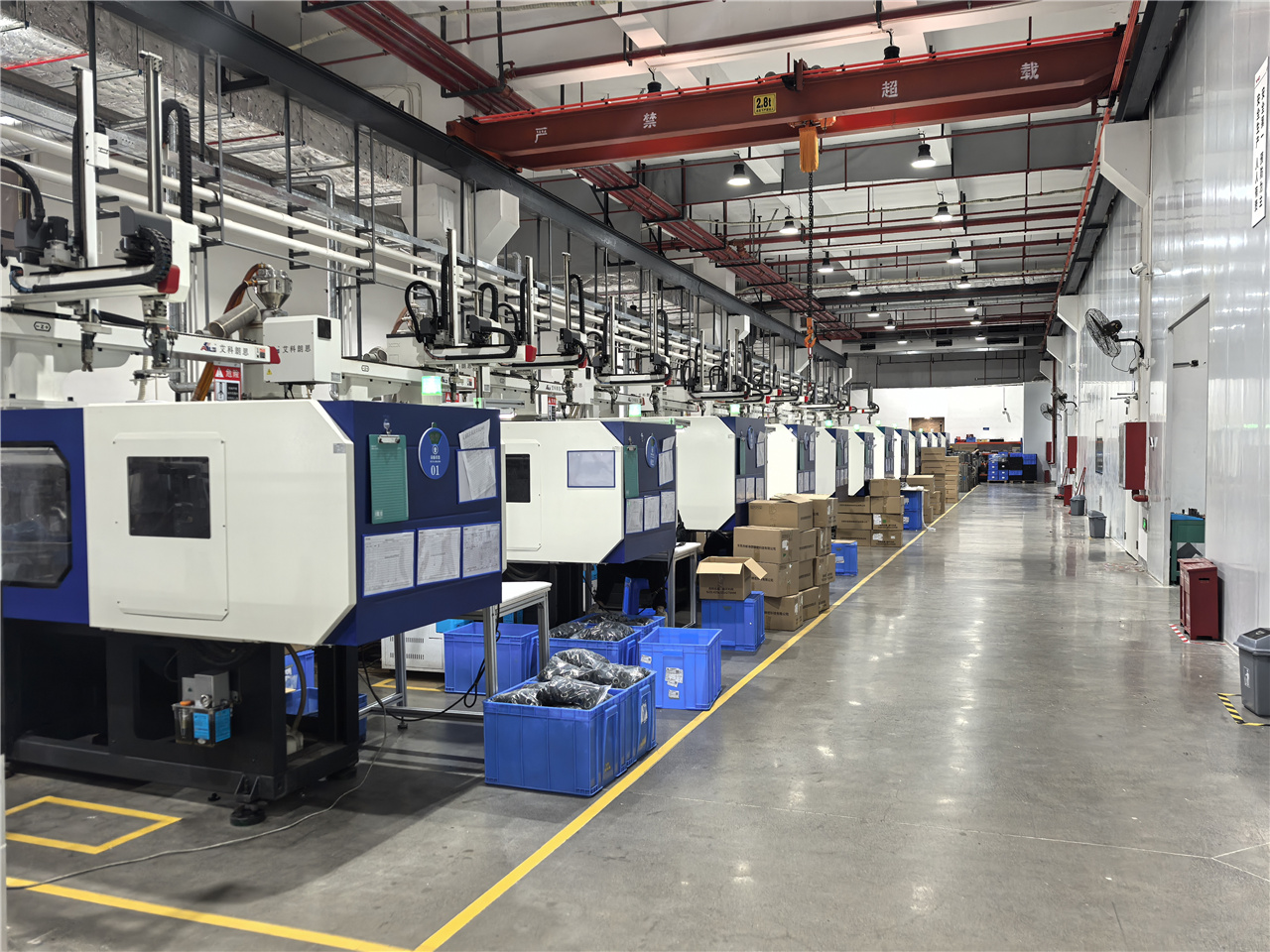
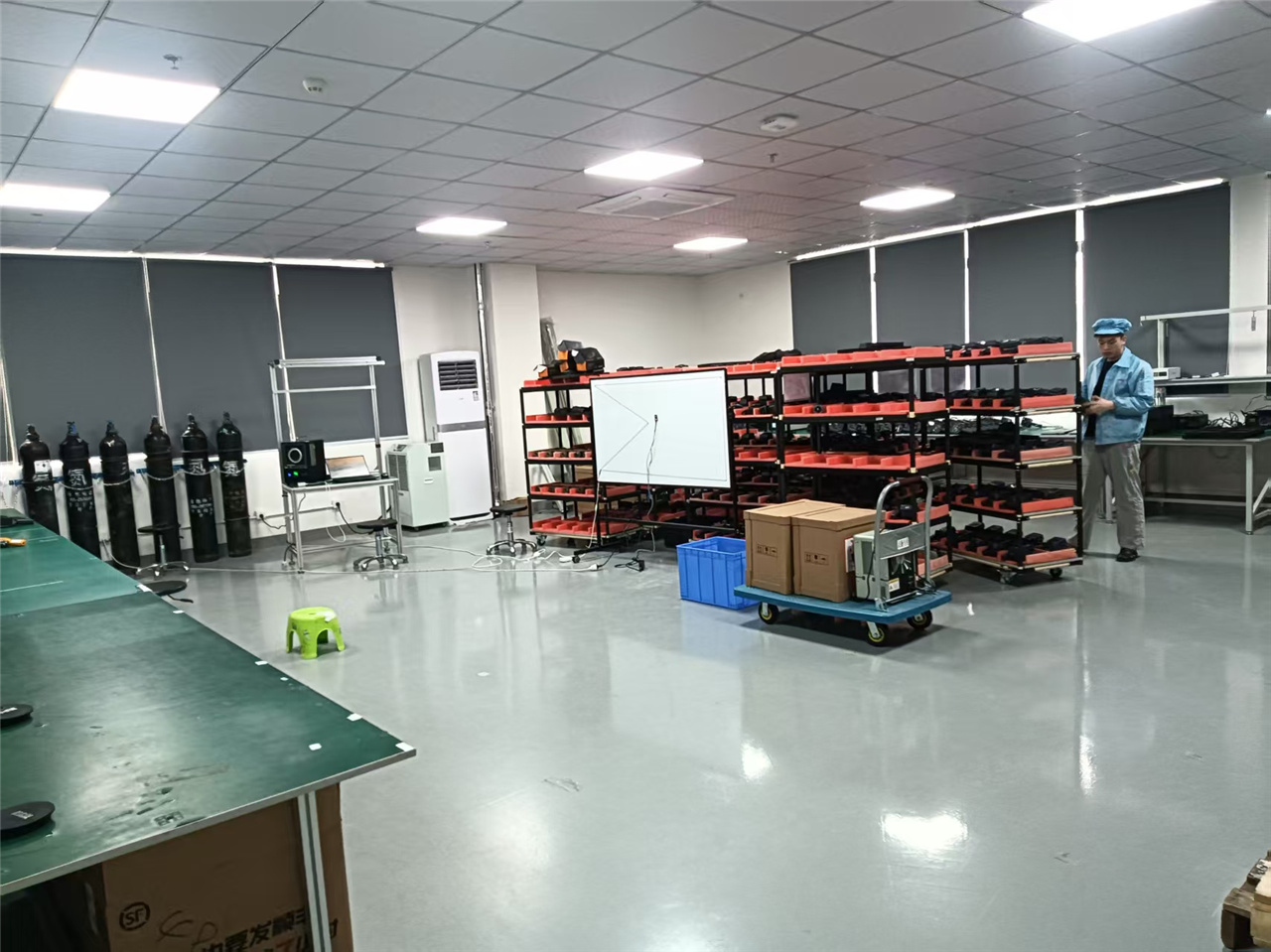
Understanding cost drivers in thermal imaging procurement: Resolution, NETD sensitivity, frame rates, optical lenses, and radiometric capabilities.
When sourcing low-cost thermal security hardware, enterprise procurement departments must balance unit costs against technical capabilities. "Cheap" in professional thermal security should not denote inferior quality, but rather optimal cost-to-performance efficiency driven by modern microbolometer wafer yields and standardized manufacturing practices.
| Model Series | Resolution Matrix | Target Application | Temperature Range | Key Technical Advantage | Procurement Value Tier |
|---|---|---|---|---|---|
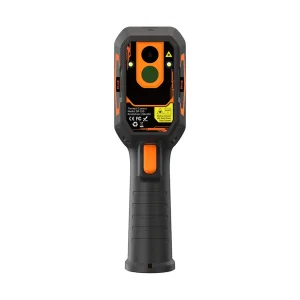
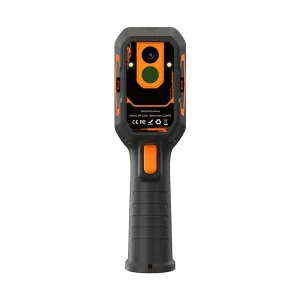
| DP-12D / DP-12DV | 120 × 90 Pixels | Entry-Level Diagnostics & Security | -20°C to 400°C | Laser distance targeting, Dual-light visual overlay | Ultra-Low Cost Baseline |
| H1FB Mobile | 160 × 120 Pixels | Mobile Inspection & Smartphone Thermaling | -15°C to 150°C | Compact Plug-and-Play USB-C/Lightning connectivity | High-Portability Budget |
| H2FB / H2F6B Series | 256 × 192 Pixels | Industrial Maintenance & Mobile Security | -20°C to 550°C | 25Hz smooth frame rate, CE/FCC certified high accuracy | Optimal Price/Performance Ratio |
| DP-25D / DP-25DR | 256 × 192 Pixels | Fixed Security & Dual-Light Monitoring | -20°C to 550°C | Radiometric thermal video output, Dual-spectrum fusion | Mid-Tier Commercial Standard |
| DP-38D Series | 384 × 288 Pixels | Substation Inspection & Perimeter Defense | -20°C to 1200°C | High-resolution sensor, ultra-wide temperature ceiling | Advanced Heavy Industrial |
| DP-64D Series | 640 × 512 Pixels | Long-Range Surveillance & High-Precision R&D | -20°C to 1200°C | VGA-class resolution, precise hotspot identification | Premium Enterprise Solution |
Tailored thermal imaging application frameworks across critical infrastructure, manufacturing, building management, and public safety.
Overheated transformer bushings, loose busbar connections, and failing switchgear exhibit thermal anomalies long before physical failure. Deploying continuous DP-38D or DP-64D radiometric thermal cameras provides 24/7 autonomous temperature logging (-20°C to 1200°C), triggering automated alerts prior to catastrophic grid outages.
Traditional optical CCTV fails in complete darkness, heavy smoke, or dense fog. Dianyang dual-light thermal surveillance units leverage mid-wave and long-wave infrared detection to spot human body heat signatures up to several kilometers away, creating impenetrable virtual perimeters around sensitive facilities.
Thermal bridges, air leakages, moisture ingress behind drywall, and insulation gaps can cause massive energy inefficiency. Utilizing mobile thermal attachments like the H2FB allows building inspectors to perform non-destructive testing, visualizing moisture signatures and thermal loss pathways rapidly.
In lithium battery recycling plants, timber storage sites, and waste management yards, spontaneous combustion begins internally. Thermal cameras detect subtle surface temperature spikes hours before visible smoke or flames manifest, triggering automated deluge systems to prevent widespread fires.
Printed Circuit Board (PCB) designers and industrial automation lines utilize Dianyang thermal analyzers to audit thermal dissipation across microcontrollers, power MOSFETs, and power supplies, mitigating thermal throttle bottlenecks during product prototyping.
Thermal monoculars and handheld imagers assist search and rescue teams in tracking lost individuals in wilderness environments, locating survivors through thick forest canopies or maritime rescue scenarios where optical visibility is severely compromised.
Ensuring seamless international import compliance, hardware safety certifications, and localized technical integration.
Full compliance with European Directives and UK regulations, satisfying electromagnetic compatibility (EMC) and low voltage requirements for European distribution.
Rigorous testing under Class A and Class B digital device limits, guaranteeing minimal radio frequency interference across North American commercial deployments.
Environmental compliance ensuring complete restriction of hazardous substances, heavy metals, and restricted chemicals in optical lenses and solder joints.
Comprehensive battery and electronic safety certifications enabling smooth market access across Korea, Japan, and international CB member nations.
Pioneering advancements in micro-pitch detectors, wafer-level optics, and neural network thermal processing.
Next-generation microbolometer development is transitioning toward 8μm and 10μm pixel pitches. This reduction allows significantly smaller optical Germanium lenses while maintaining high spatial resolution, promising another 30% reduction in total thermal payload dimensions and overall BOM cost.
Future Dianyang hardware iterations incorporate dedicated NPU (Neural Processing Unit) silicon directly within the camera housing. This enables real-time, on-device anomaly classification, fire risk prediction models, and dynamic gesture tracking without relying on cloud server bandwidth.
Answers to critical B2B technical questions regarding thermal imaging acquisition, customization, and deployment.
Select from our benchmarked thermal imaging models below to request detailed factory datasheets, OEM pricing schedules, and custom SDK integration manuals.
 Dianyang