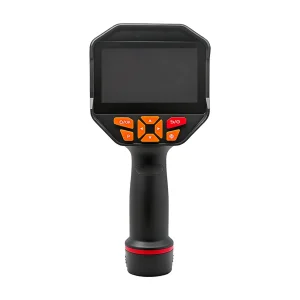
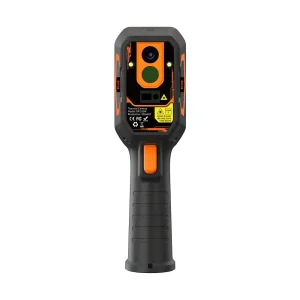
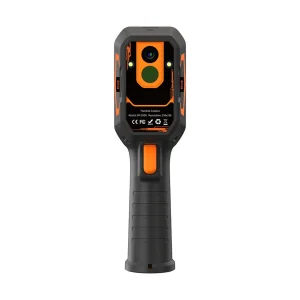
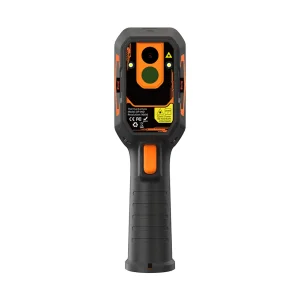
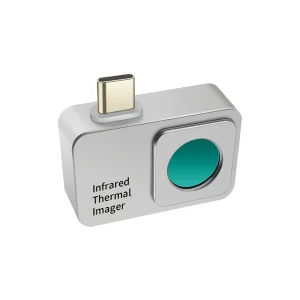
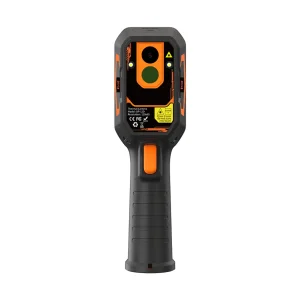
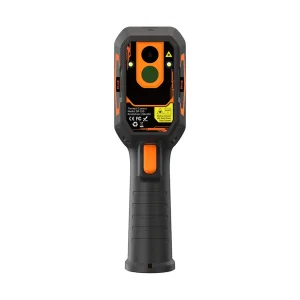
Explore our premium range of CE, FCC, and RoHS compliant infrared thermal imaging devices designed for industrial maintenance, building envelope diagnostics, power distribution safety, and research applications.
In the modern industrial automation, electrical safety inspection, and predictive maintenance infrastructure, non-contact infrared thermal imaging equipment serves as a primary diagnostic defense line. To market, import, or distribute thermal imaging cameras, handheld optical pyrometers, mobile thermographic dongles, or stationary infrared sensors within the European Economic Area (EEA), equipment manufacturers and OEMs must strictly comply with the CE Certification (Conformité Européenne) frameworks.
CE Certification is not merely a quality mark; it is a mandatory legal requirement certifying that an electronic device complies with European Union health, safety, electromagnetic compatibility, and environmental protection legislation. For complex electro-optical systems such as uncooled Focal Plane Array (FPA) microbolometers, laser-guided temperature meters, and multi-spectral infrared systems, fulfilling CE directives demands rigorous design-stage compliance engineering, continuous laboratory pre-testing, and complete technical documentation (Technical Construction File - TCF).
To successfully obtain CE Certification for an industrial-grade infrared camera, manufacturers must demonstrate full alignment with four primary European Directives:
Achieving regulatory compliance for high-resolution thermal imagers (ranging from 120x90 entry-level cores up to 640x512 microbolometer arrays) requires specialized hardware design. Below is the detailed breakdown of harmonized European standards (EN Standards) required for thermal imaging compliance:
| Directive | Harmonized Standard | Technical Scope & Parameter Tested | Engineering Challenge / Mitigation Strategy |
|---|---|---|---|
| EMC Directive 2014/30/EU | EN 61326-1 / EN 55032 | Radiated & Conducted Radiated Emissions (Class A / Class B). High-frequency switching noise from microbolometer readout ICs (ROIC). | Multi-layer PCB ground plane optimization, metallic shielding over signal processing boards, ferrite beads on internal ribbon cables. |
| EMC Immunity | EN 61000-4-2 / EN 61000-4-3 | ESD Immunity (±8kV Contact, ±15kV Air discharge) and Radiated RF Field Immunity (80 MHz to 6 GHz at 10V/m). | TVS diode protection arrays at external USB-C / HDMI connection ports; ESD-conductive silicone sealing rings. |
| Product Safety (LVD) | EN 61010-1 / EN 62368-1 | Safety requirements for electrical measurement and laboratory equipment. Insulation resistance, dielectrics, thermal breakdown. | Internal optical barrier design, creepage and clearance distances (>3mm on DC-DC converter stages), thermal cut-off switches. |
| Laser Safety (If equipped) | EN 60825-1:2014 | Radiation safety of laser products (Class 2 / Class 3R laser pointers used for thermal spot alignment). | Automated hardware laser power limiting circuitry (<1mW output peak), warning label placement, alignment micro-shutters. |
| Ingress Protection & Environmental | EN 60529 (IP Ratings) / IEC 60068-2 | IP65 / IP67 dust and moisture ingress, mechanical drop shock (2-meter concrete drop resistance), sinusoidal vibration. | Over-molded TPU shock-absorbing armors, hydrophobic gas-permeable acoustic vents, precision O-ring seals across Germanium lens housings. |
| Environmental (RoHS/REACH) | EN IEC 63000:2018 | Technical documentation for the assessment of electrical and electronic products with respect to hazardous substance restriction. | Full supply-chain XRF material scanning, lead-free SMT solder paste (SAC305), substitution of Chalcogenide or Germanium optical coatings. |
Thermal imagers incorporate sensitive analogue sensor signals operating alongside high-speed digital processors (FPGA, SoC, DSP). Signal degradation or electromagnetic cross-talk will manifest directly as thermal noise, thermal drift, visual noise (fixed pattern noise - FPN), or inaccurate temperature readouts. Factories designing for CE certification must ensure clean power rails using low-noise LDO regulators and robust signal isolation techniques between the focal plane array and wireless transmission circuits.
The global market for commercial and industrial thermal imaging systems is experiencing unprecedented growth, driven by stringent energy efficiency mandates, predictive maintenance strategies, and automated infrastructure monitoring. According to industry analysis, the global thermal imaging market size is expanding at a CAGR exceeding 7.5%, transitioning from niche military hardware into broad commercial deployment across Western Europe, North America, and the Asia-Pacific region.
Substations, high-voltage transformers, switchgears, and power lines require non-destructive, live-load temperature inspection. CE-certified devices such as the DP-64D Handheld Imager (640x512 resolution) allow engineers to detect micro-ohm resistance increases and hot-spots from safe standoff distances up to 1200°C.
Under the European Green Deal and Energy Performance of Buildings Directive (EPBD), commercial properties must minimize thermal bridging, insulation voids, and structural moisture intrusion. Ultra-portable thermal dongles like the H2FB Mobile Series empower energy auditors to deliver fast thermal imaging diagnostics directly via smartphone interfaces.
Printed Circuit Board (PCB) design teams rely on short-focus, micro-resolution thermal cameras (such as the DP-25DV and DP-25DR series) to analyze thermal dissipation across SMD components, power FETs, and microcontrollers, verifying heat sink efficiency before mass manufacturing.
Chemical processing plants, petro-refineries, and automated manufacturing lines utilize fixed continuous infrared monitoring to prevent catastrophic thermal runaway, friction-induced bearing failure, and hot gas emissions.
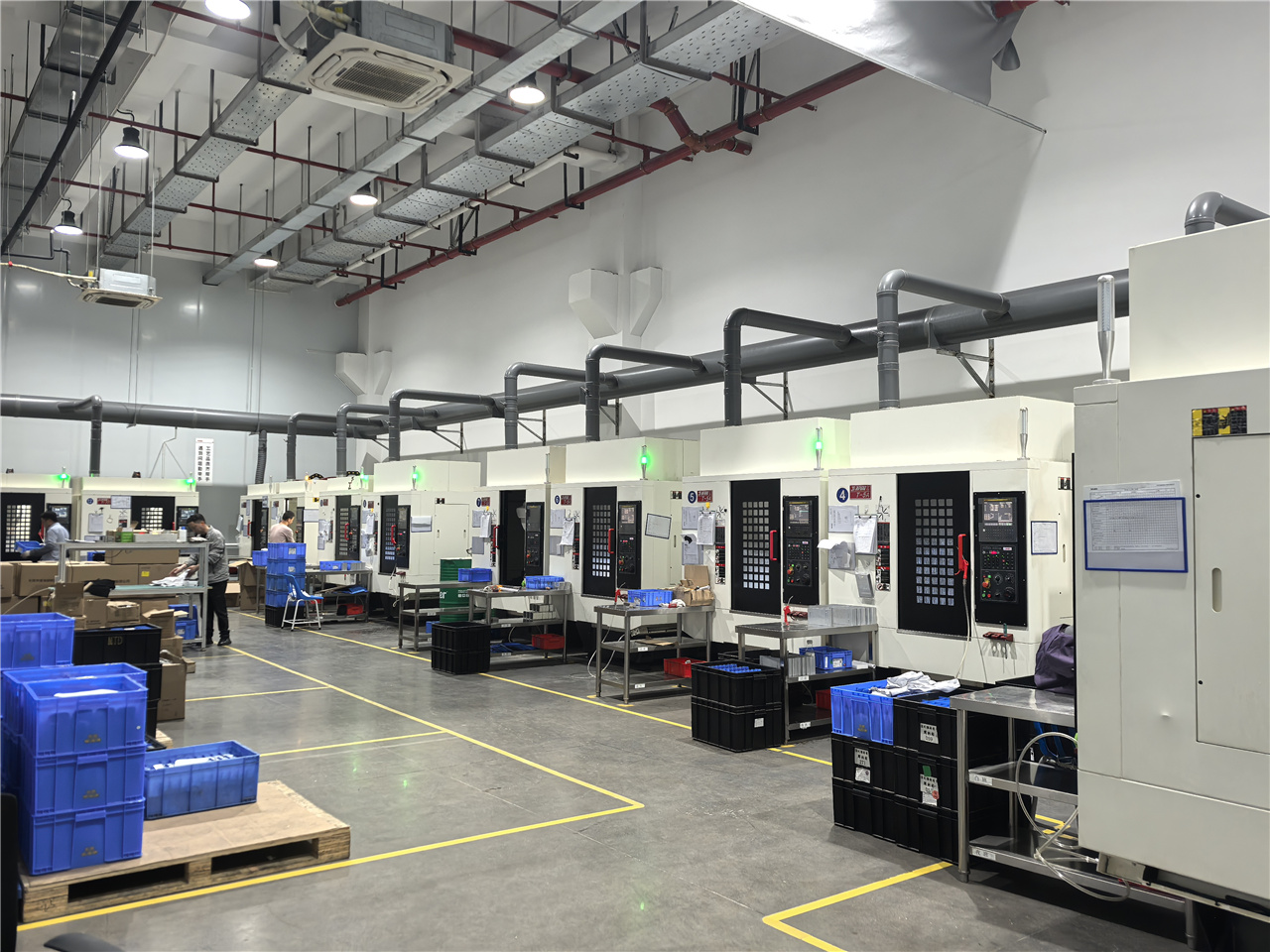
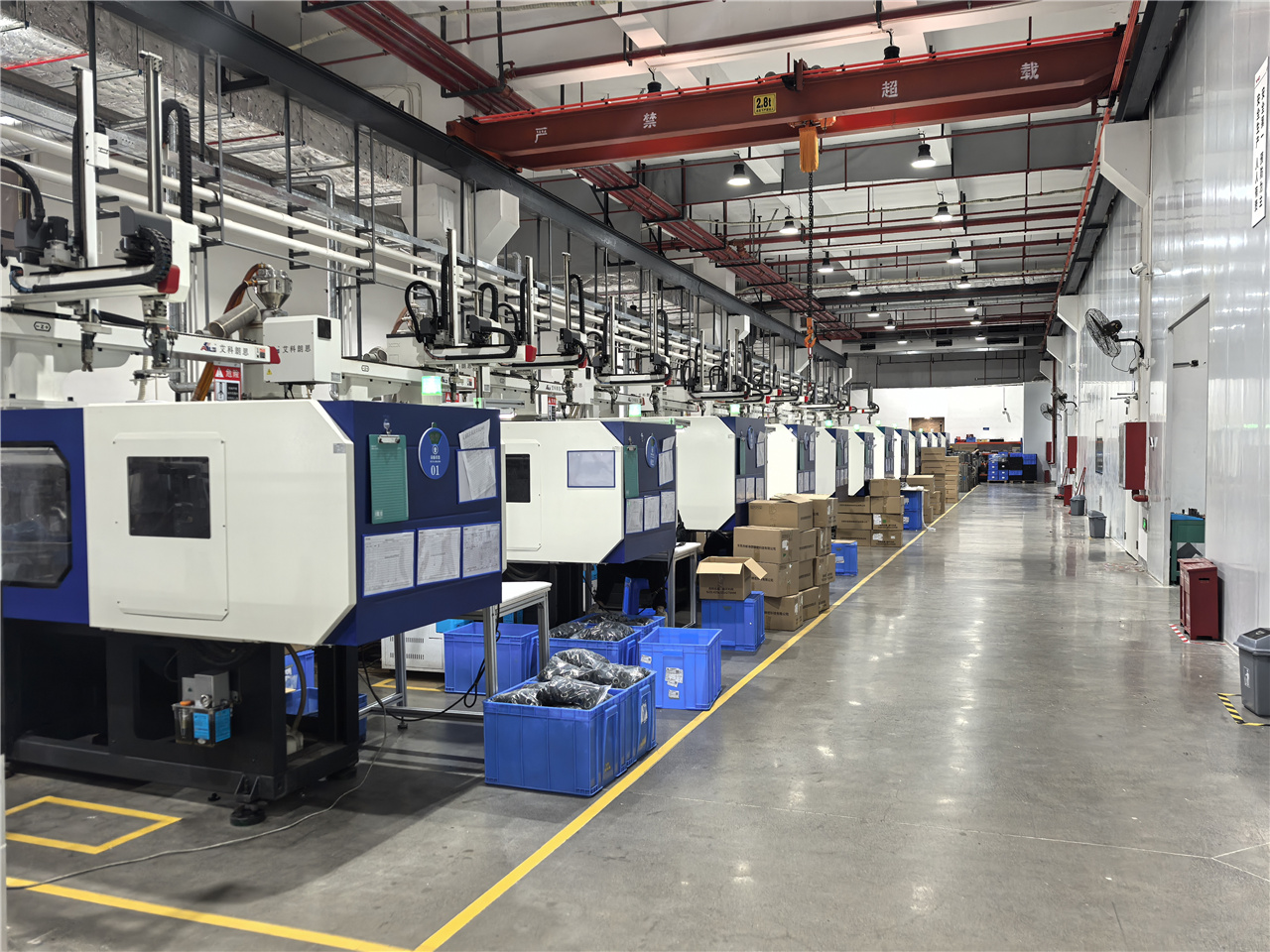
As global demand accelerates for cost-effective yet premium-performing thermal cameras, Chinese high-tech manufacturing centers—specifically Shenzhen's electro-optical hardware ecosystem—have established undisputed global leadership. Achieving top-tier quality combined with cost efficiency requires deep integration of the supply chain, advanced optical fabrication capabilities, and mature production validation methodologies.
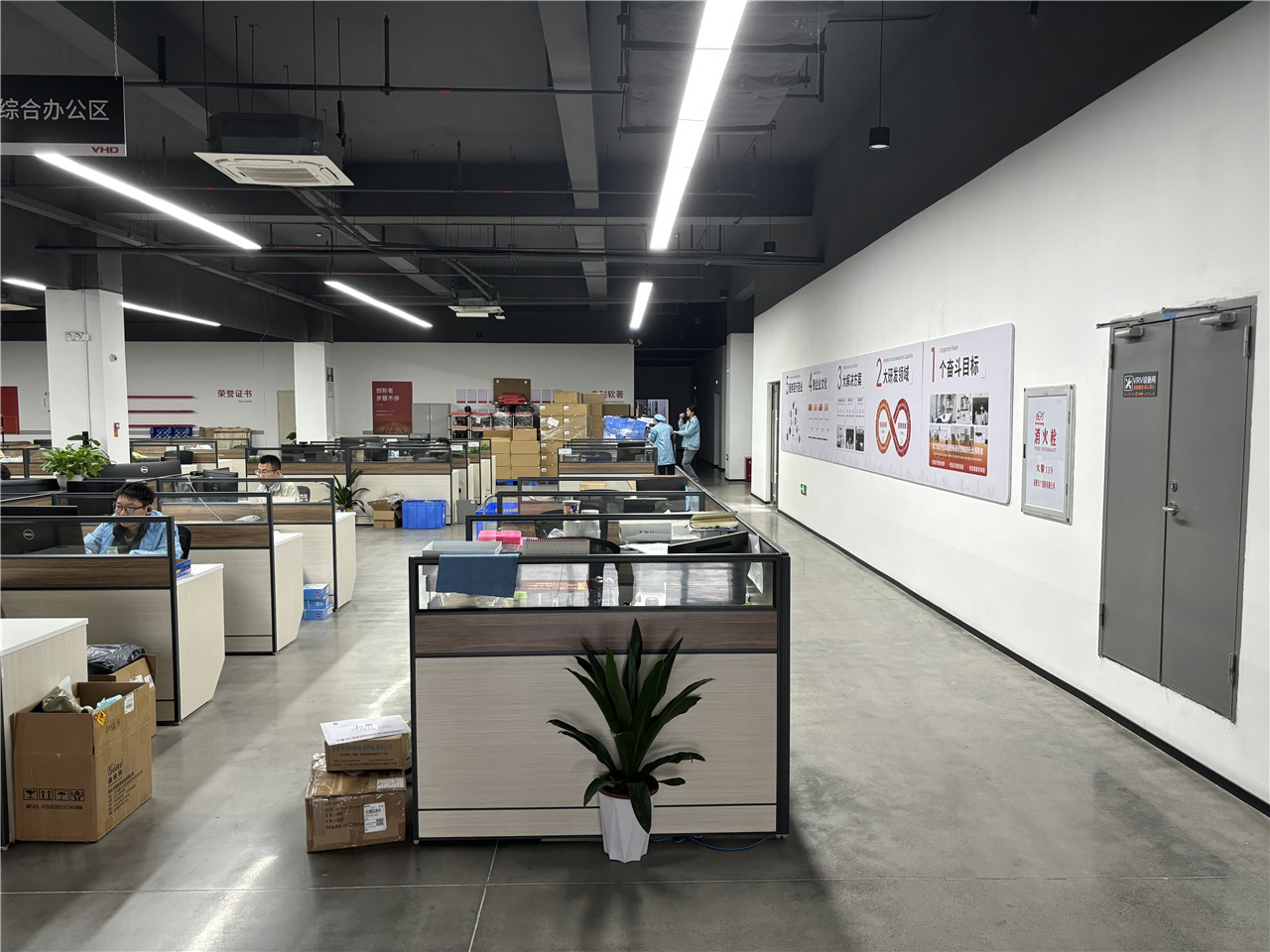
Shenzhen Dianyang Technology Co., Ltd. operates as a strategic subsidiary of VHD (Shenzhen VHD Technology Co., Ltd.), a publicly listed enterprise on the Shenzhen Stock Exchange. This corporate backing provides unmatched structural advantages for global procurement partners:
Different industrial environments impose vastly different physical and regulatory demands. Selecting the appropriate thermal imager involves balancing pixel pitch, thermal sensitivity (NETD), frame rate (Hz), optical FOV (Field of View), and CE compliance level.
Primary Requirements: High thermal resolution (640×512), narrow FOV telephoto lenses, long measurement distance, dynamic range up to 1200°C.
Compliance Focus: High EMC Immunity (EN 61000-4-3) to resist intense electromagnetic fields generated by high-voltage transformers and transmission lines.
Primary Requirements: Balanced resolution (256×192), dual-light fusion (infrared + visible camera overlay), ergonomics, long battery life.
Compliance Focus: LVD EN 61010-1 electrical shock protection and robust mechanical shock resistance (IEC 60068 2-meter drop performance).
Primary Requirements: Ultra-compact form factor, direct USB-C smartphone interface, low power draw, instant report export via Android/iOS apps.
Compliance Focus: CE RED Directive compliance for wireless data synchronization and strict ESD (EN 61000-4-2) protection on hot-swappable mobile connectors.
The industrial thermal imaging landscape is undergoing a massive transformation driven by software-hardware integration. Modern CE-compliant thermal cameras are no longer standalone measurement devices; they are intelligent edge nodes in smart industrial networks.
Neural networks integrated into embedded DSPs automatically identify insulation breakdown, loose terminal block heating, and bearing anomalies, filtering out false positives in real time.
Next-generation uncooled Vanadium Oxide (VOx) and Silicon Microbolometers are reaching NETD levels below 30mK at 12μm/10μm pixel pitches, permitting sub-degree temperature variance detection.
Merging LWIR (Long-Wave Infrared) spectral data with spatial edge detection from HD visible light sensors provides real-time visible-thermal hybrid imagery, eliminating diagnostic ambiguity.
Automated CE RED-compliant wireless telemetry pushes radiometric thermal images directly to enterprise cloud dashboards, auto-generating compliance reports for ISO 50001 energy management audits.
For international buyers, distributors, and system integrators sourcing thermal cameras from China, verifying regulatory compliance and factory capability is paramount to mitigating compliance risk, customs delays, or product recalls. Use the following procurement checklist during factory evaluations:
| Evaluation Phase | Verification Criteria | Dianyang Technology Quality Assurance Standard |
|---|---|---|
| 1. CE Certification Validation | Request Notified Body (NB) test reports for EMC (EN 61326-1) and LVD (EN 62368-1). Confirm certificate authenticity on EU registry. | Full CE, FCC, RoHS, REACH, CB, UKCA, KC, and PSE documentation available for all standard production models. |
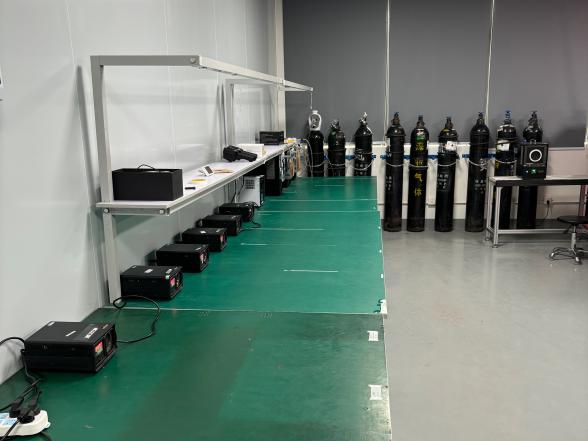
| 2. Radiometric Accuracy Audit | Verify blackbody calibration procedures, temperature drift compensation across environmental range (-10°C to +50°C ambient). | Multi-point automated blackbody temperature calibration across full measurement ranges (-20°C to 1200°C). |
| 3. Manufacturing & Corporate Backing | Inspect parent company background, financial stability, capital investment in optical engineering and cleanroom facilities. | Direct subsidiary of publicly listed VHD (Shenzhen Stock Exchange), guaranteeing long-term platform support and supply chain stability. |
| 4. OEM/ODM Customization Capabilities | Ability to perform custom enclosure branding, specialized SDK integration (Windows, Android, Linux, iOS), custom FOV optical tuning. | Dedicated in-house software, firmware, optical, and mechanical engineering teams specializing in bespoke ODM client solutions. |
Shenzhen Dianyang Technology Co., Ltd. is a subsidiary of VHD (Shenzhen VHD Technology Co., Ltd.), a publicly listed company on the Shenzhen Stock Exchange. This strategic affiliation gives Dianyang unique access to VHD’s advanced R&D platforms, high-precision manufacturing systems, and rigorous quality management practices—enabling us to deliver thermal imaging products of higher reliability and consistency than typical ODMs.
We specialize in ODM/OEM services for infrared thermal imaging solutions, including handheld thermal imagers, smartphone-connected thermal cameras, thermal analyzers, and thermal imaging telescopes. Our products serve global customers in power inspection, building diagnostics, firefighting, industrial maintenance, and outdoor applications.
Our dedicated engineering team applies Design for Manufacturing (DFM), Design for Testability (DFT), thermal simulation, and EMC pre-compliance analysis to optimize performance and accelerate development. We also support clients in obtaining key certifications such as CE, FCC, RoHS, REACH, CB, UKCA, KC, and PSE.
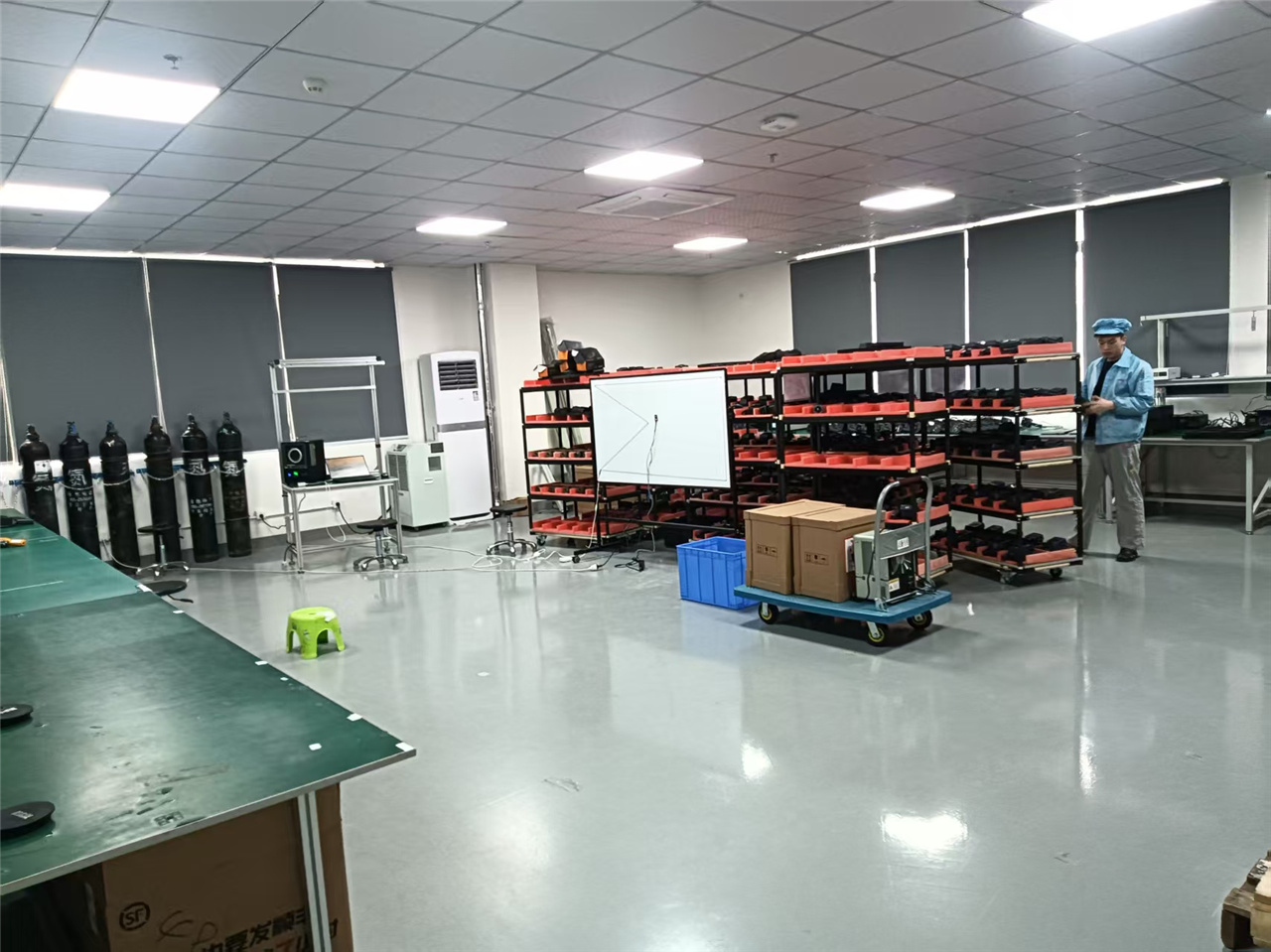


Below are expert responses to common compliance, engineering, and procurement queries regarding CE certification and thermal imaging manufacturing.
Review our extended technical catalog of portable thermal dongles, handheld diagnostic devices, and professional radiometric systems available for OEM custom branding and worldwide distribution.
 Dianyang