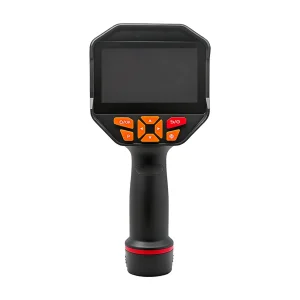
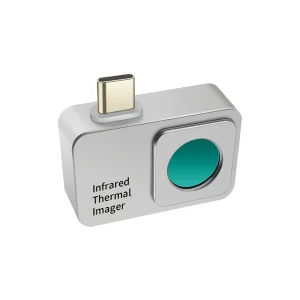
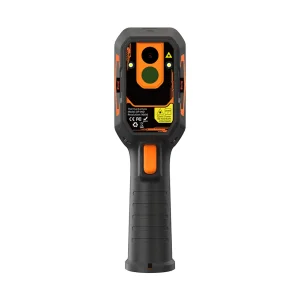
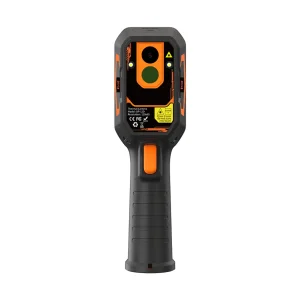
Explore our CE-certified handheld and inline infrared thermal cameras engineered for utility inspection, electronic diagnostic monitoring, building science, and industrial maintenance.
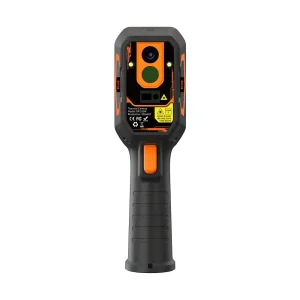
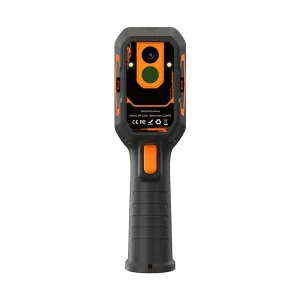
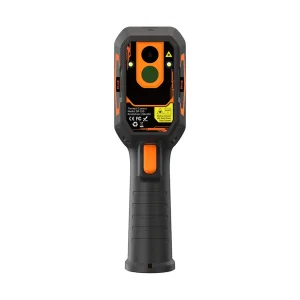
In modern industrial operations, thermal detection cameras have transitioned from secondary predictive tools to primary, non-negotiable inspection infrastructure. Driven by stringent global regulatory directives, energy efficiency mandates, and Industry 4.0 automation, the global marketplace demands non-contact temperature measurement hardware that provides verified radiometric precision, absolute electromagnetic compliance, and high mechanical resilience.
As a premier global CE Certification Thermal Detection Camera Exporter & Manufacturer, Shenzhen Dianyang Technology Co., Ltd. bridges the critical gap between cutting-edge optoelectronic physics and high-volume, compliant mass production. Infrared thermography relies on capturing Long-Wave Infrared (LWIR) radiation within the 8 μm to 14 μm spectral band. Translating subtle thermal anomalies into actionable quantitative data requires microbolometer arrays calibrated to exceptionally tight tolerances (NETD < 40mK), robust digital signal processing, and strict adherence to international safety standardizations.
Achieving true European Conformity (CE Marking) for radiometric thermal detection hardware goes far beyond pasting a stamp on a housing. Industrial thermal imagers integrate sensitive high-frequency microprocessors, laser distance indicators, thermal sensors, and frequently wireless transmission modules (Wi-Fi/Bluetooth). To legally enter and navigate the European Economic Area (EEA) and global markets accepting CE frameworks, thermal devices must satisfy severe test regimes:
Ensures the thermal camera maintains immunity to heavy industrial electromagnetic interference (ESD, fast transients, radiated RF) without producing spurious emissions that disrupt adjacent sub-station instrumentation.
Verifies electrical safety, battery circuit protection, insulation resistance, and thermal safety under standard operating parameters and accidental short-circuit fault conditions.
Controls radio frequency usage for app-connected smart thermal sensors while certifying hazardous substance restrictions (RoHS 3 / REACH) for global environmental stewardship.
| Standard Directive | Test Standard | Technical Scope / Description | Impact on Thermal Camera Performance |
|---|---|---|---|
| EN 61326-1:2013 | EMC Immunity & Emission | Electrical equipment for measurement, control, and laboratory use. | Prevents thermal image tearing or false pixel temperature spikes in high-voltage transformer environments. |
| EN 61010-1:2010 | Electrical Safety Compliance | Safety requirements for electrical equipment for measurement and laboratory testing. | Guarantees handheld ergonomic safety, battery insulation stability, and drop-impact housing integrity. |
| EN 300 328 | Radio Spectrum Standard | Wideband transmission systems operating in the 2.4 GHz ISM band (for Wi-Fi models). | Ensures high-speed wireless image streaming to smartphones without interference in crowded industrial IoT networks. |
| IEC 60529 | Ingress Protection (IP Status) | Enclosure sealing protection against solid dust particles and liquid splashing (IP54). | Protects uncooled focal plane array optics from ambient humidity degradation and airborne particulate contamination. |
Shenzhen Dianyang Technology Co., Ltd. is a subsidiary of VHD (Shenzhen VHD Technology Co., Ltd.), a publicly listed company on the Shenzhen Stock Exchange. This strategic affiliation gives Dianyang unique access to VHD’s advanced R&D platforms, high-precision manufacturing systems, and rigorous quality management practices—enabling us to deliver thermal imaging products of higher reliability and consistency than typical ODMs.
High quality products “Go Out to Sea”.
Our dedicated engineering team applies Design for Manufacturing (DFM), Design for Testability (DFT), thermal simulation, and EMC pre-compliance analysis to optimize performance and accelerate development. We also support clients in obtaining key certifications such as CE, FCC, RoHS, REACH, CB, UKCA, KC, and PSE.
We specialize in ODM/OEM services for infrared thermal imaging solutions, including handheld thermal imagers, smartphone-connected thermal cameras, thermal analyzers, and thermal imaging telescopes. Our products serve global customers in power inspection, building diagnostics, firefighting, industrial maintenance, and outdoor applications.
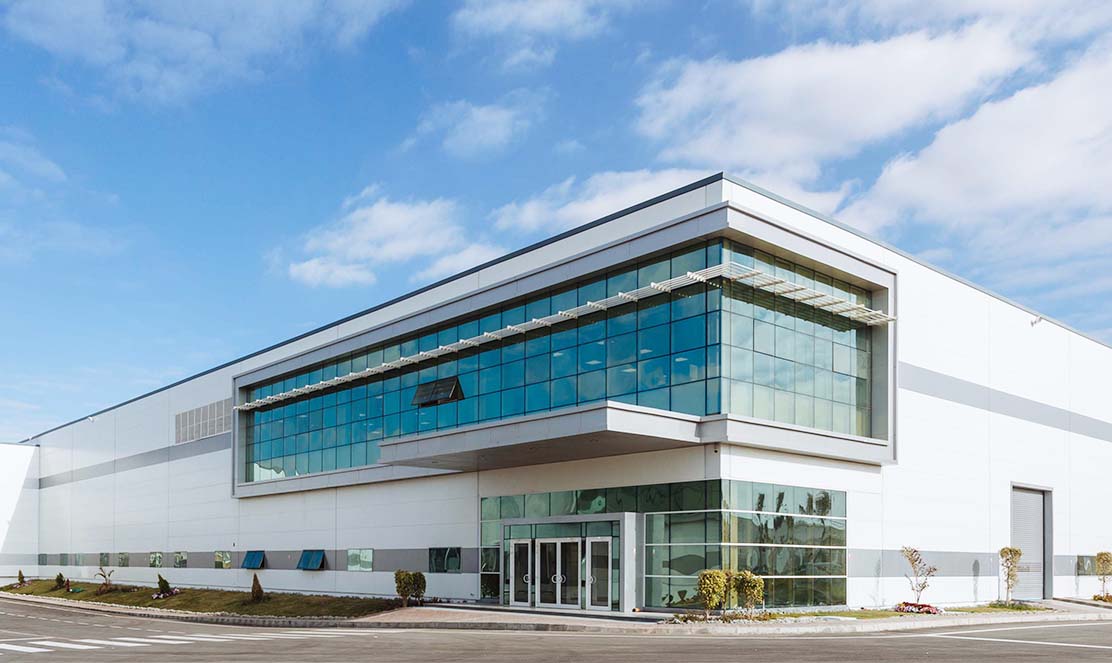
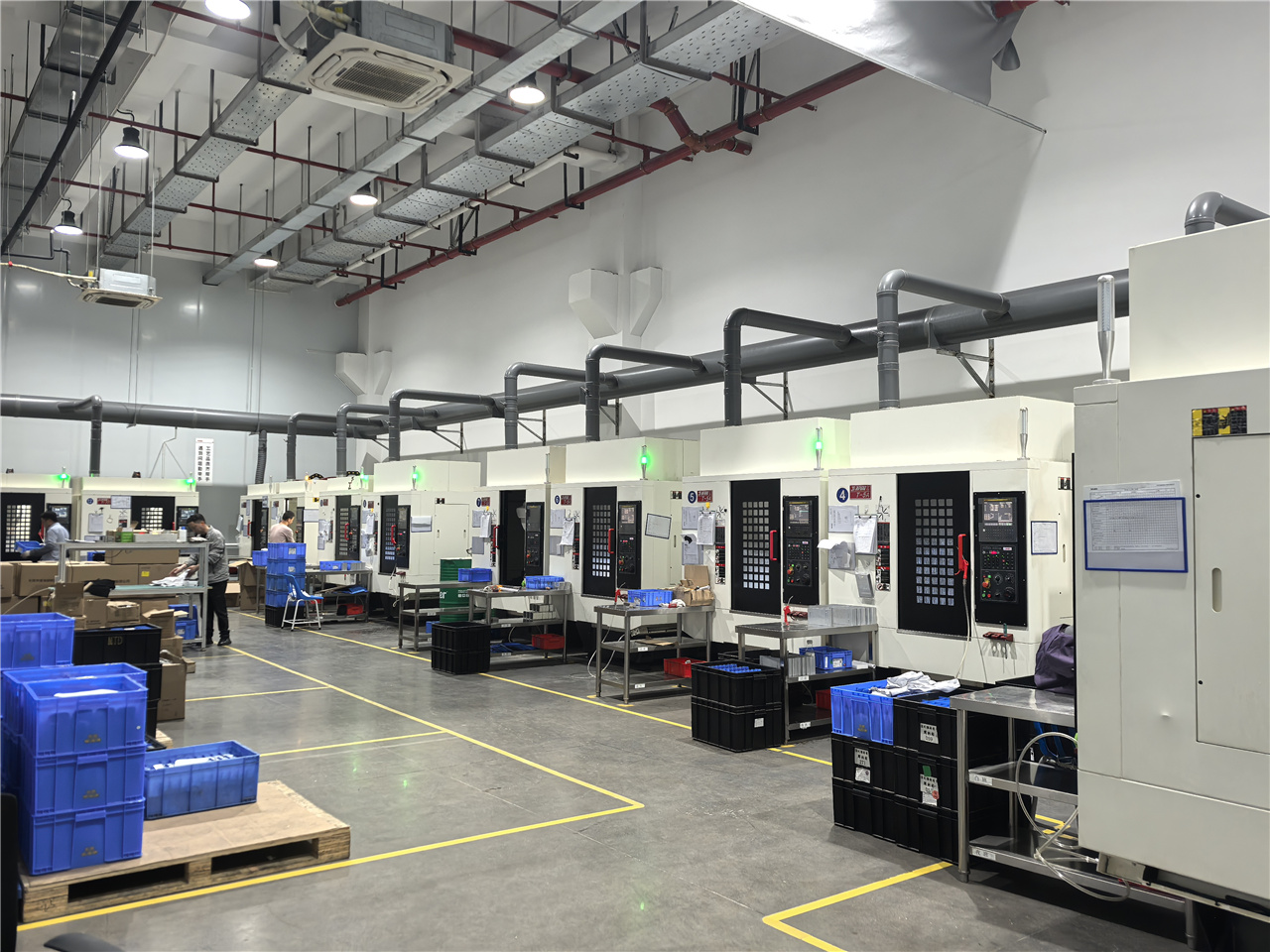
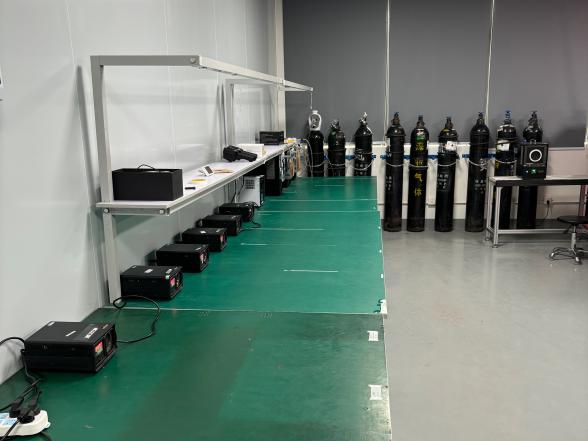
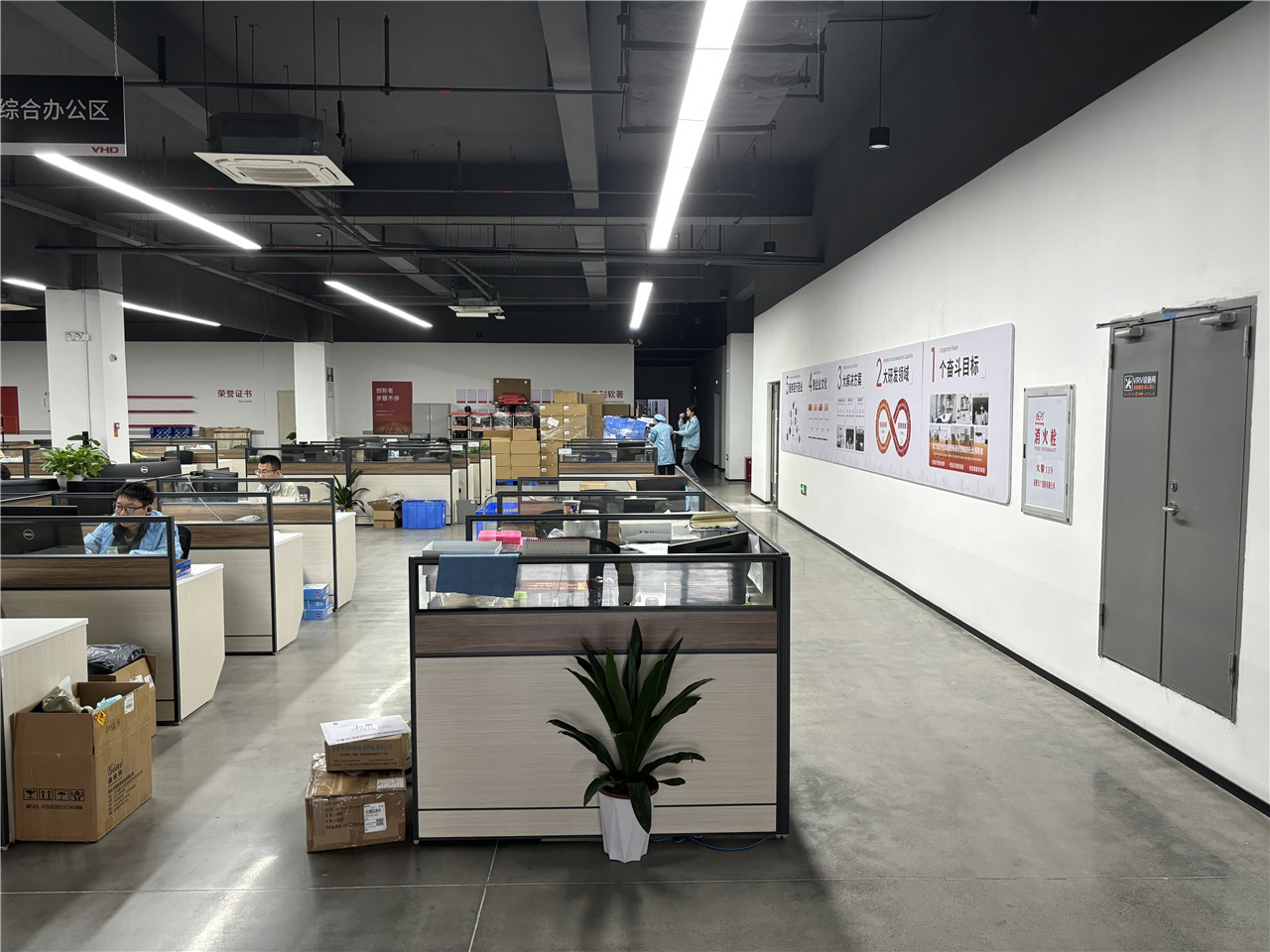
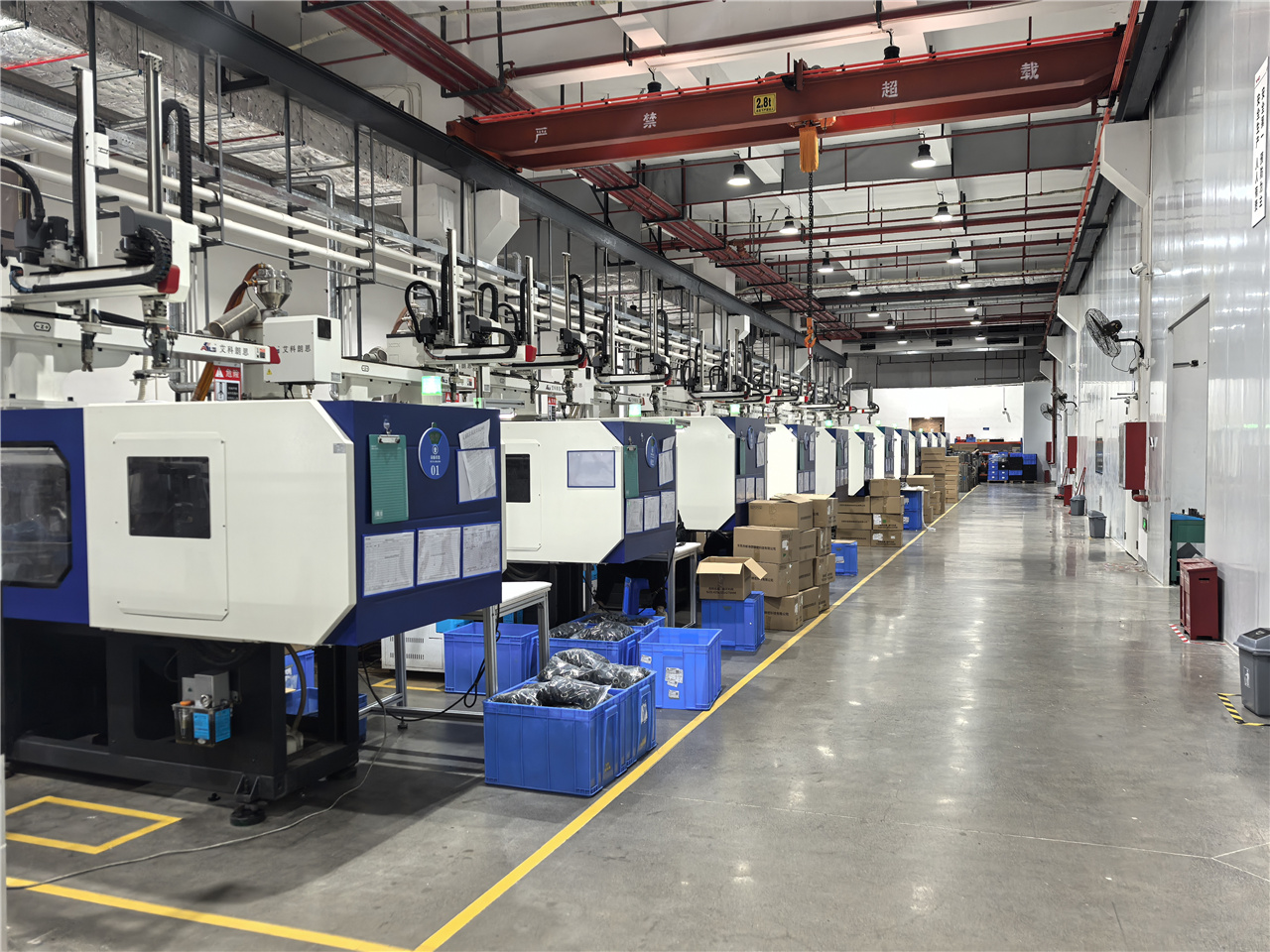
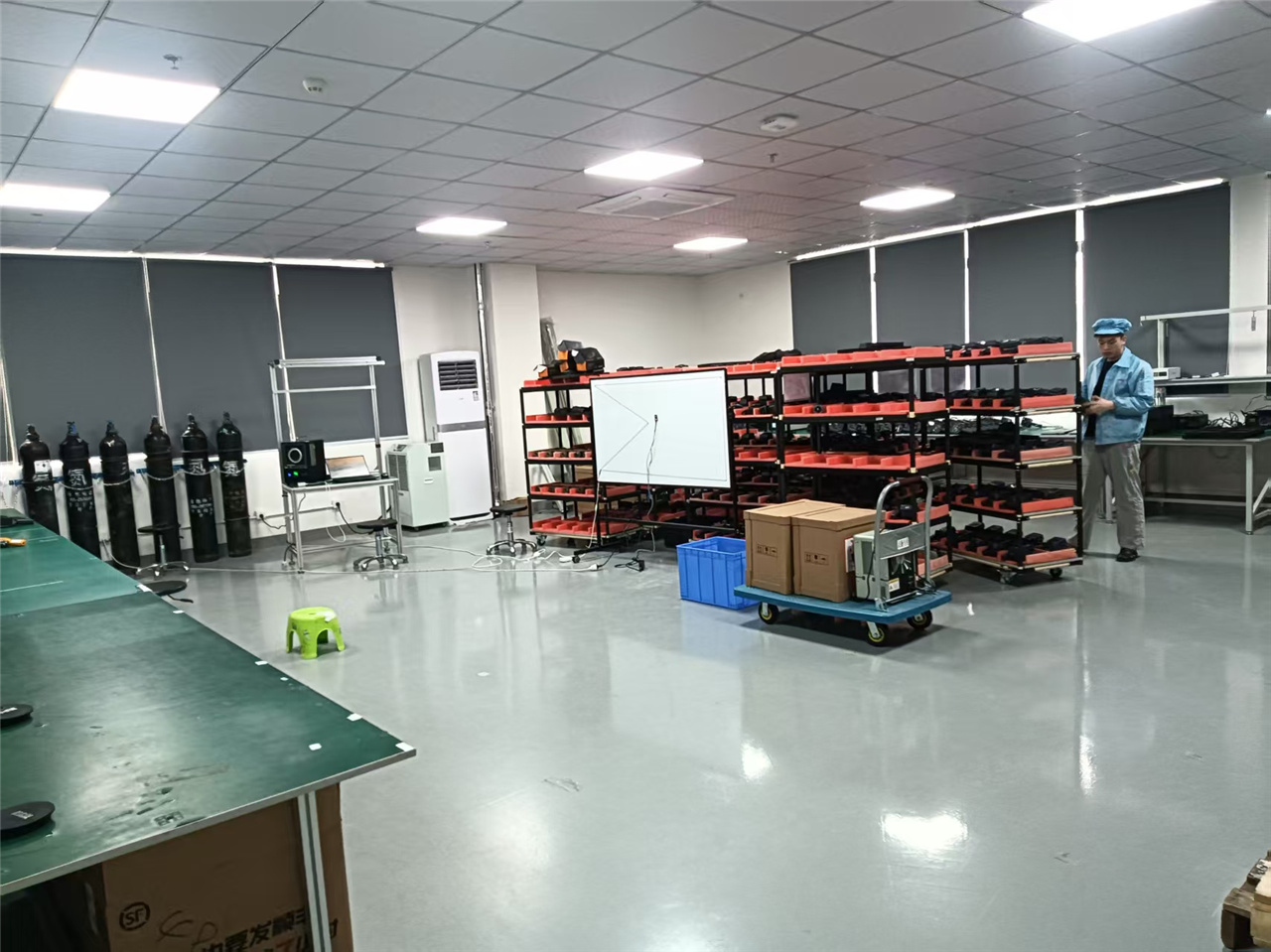

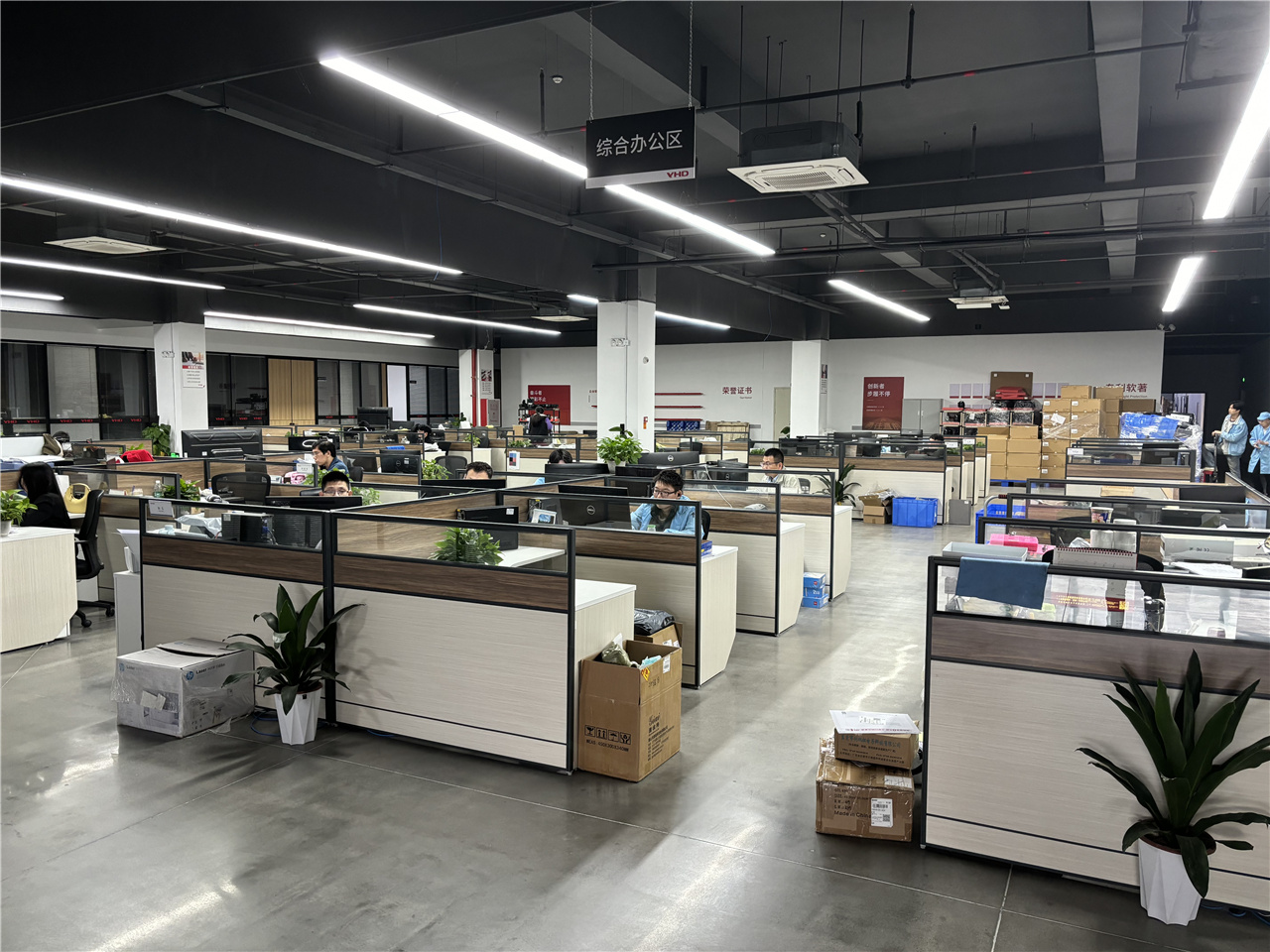
The international market for thermal imaging devices has undergone a fundamental transformation. Legacy Western thermography brands often suffer from bloated supply chains, lengthy ODM revision cycles, and inflated unit pricing. Leveraging Shenzhen's world-leading electronics cluster and industrial infrastructure, Shenzhen Dianyang delivers an unassailable value proposition.
By controlling sensor packaging, germanium lens fabrication, processing PCB design, and enclosure molding in-house, Dianyang eliminates supply chain bottlenecks and dramatically reduces Bill of Materials (BOM) overhead.
Precision thermography demands pixel-by-pixel non-uniformity correction (NUC). Our automated temperature-controlled chambers calibrate sensors across wide ambient spans (-20°C to +550°C) with minimal human error.
With proprietary DFM (Design for Manufacturing) and DFT protocols, client customization concepts proceed from CAD prototypes and firmware adaptation to fully CE-certified mass production within 45 to 60 days.
Thermography is no longer restricted to specialized military or laboratory research; it is deployed globally across critical infrastructure. Dianyang’s CE-certified handheld and mobile-connected devices cater to specialized operational scenarios:
High-voltage electrical switchgear, transformers, and distribution lines present severe arc-flash risks. Operators utilize our handheld models like the DP-25DR and DP-12DV to detect localized contact resistance heating, loose mechanical lug connections, and insulation breakdown prior to catastrophic failure.
Energy conservation standards require non-destructive testing for heat loss, air leakage, moisture intrusion behind drywall, and underfloor heating blockages. Dual-light spectrum fusion allows inspectors to overlay thermal signatures directly over optical images for clear client reporting.
R&D electronics engineers use specialized thermal imagers to evaluate micro-component heat dissipation, locate short circuits on multi-layer PCBs, and run stress tests on power MOSFETs, preventing thermal runaway in consumer and industrial electronics design.
Electric vehicle (EV) manufacturing and fleet maintenance demand rigorous thermal monitoring of lithium-ion battery modules, motor bearings, and braking systems to ensure maximum battery longevity and operational safety.
Selecting the appropriate thermal detection camera line for enterprise distribution or industrial procurement requires a thorough understanding of core sensor parameters. Below is a strategic decision matrix used by engineering procurement managers:
Entry-level maintenance tools utilize 96x96 or 120x90 pixel microbolometers for localized spot checks. Advanced diagnostic models utilize 256x192 resolution matrices to resolve micro-structural thermal gradients at greater standoff distances.
Noise Equivalent Temperature Difference determines the smallest temperature differential the camera can distinguish. A lower mK rating (< 40mK) yields cleaner images with significantly lower background spatial noise in low-contrast environments.
Combining a visual RGB camera module with an LWIR thermal sensor allows software algorithms to superimpose edge outlines onto thermal maps, dramatically accelerating target identification for field inspectors.
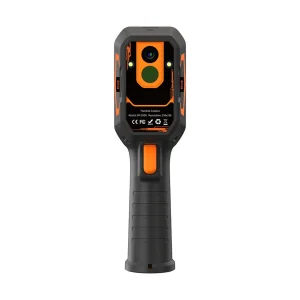
Discover our portable smartphone-connected modules, compact laser-guided units, and advanced handheld thermal analyzers certified for export markets.
Here are authoritative answers to fundamental technical and commercial questions regarding CE certification, OEM design, and infrared camera performance.
 Dianyang