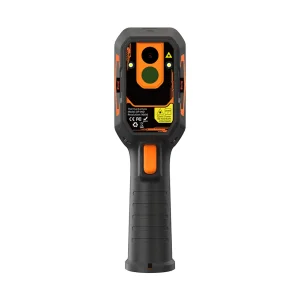
Precision radiometry devices engineered for global OEM/ODM deployment and regulatory compliance.
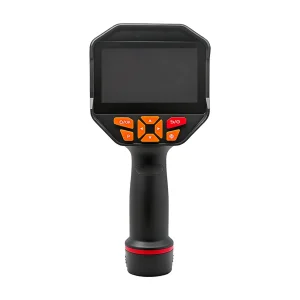
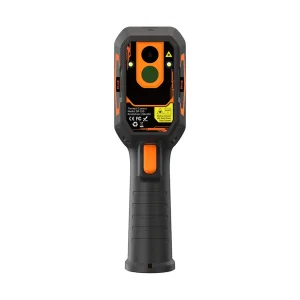
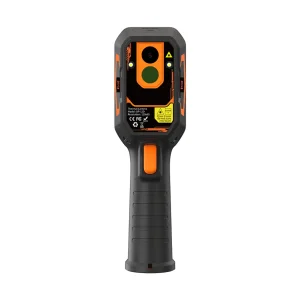
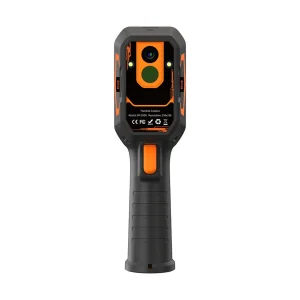
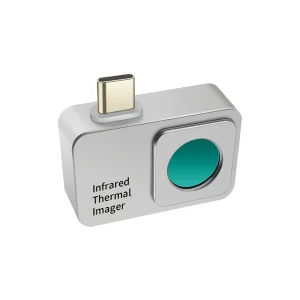
High-resolution LWIR uncooled focal plane arrays engineered for quantitative radiometry.
The global market for Infrared Imaging Cameras is experiencing an unprecedented structural shift driven by Industry 4.0 automation, predictive maintenance standards, and stringent international energy efficiency mandates. Modern long-wave infrared (LWIR) sensing, operating primarily within the 8–14 μm spectral band, has transitioned from military-grade hardware into standard industrial diagnostic workflows.
As corporate entities, utility providers, and manufacturing conglomerates prioritize asset uptime and structural integrity, the demand for high-reliability, certified thermal instrumentation has surged. CE Certification serves as the crucial baseline for entry into the European Economic Area (EEA) and acts as a global benchmark for electromagnetic compatibility (EMC), low voltage safety, and environmental standard compliance.
Modern thermal imaging relies heavily on uncooled Vanadium Oxide (VOx) and Silicon Microbolometer focal plane arrays (FPAs). Transitioning from 17 μm down to 12 μm pitch size allows higher spatial resolution (e.g., 640×512, 256×192) within compact optical enclosures, delivering superior target differentiation.
For B2B procurement, procuring products carrying rigorous compliance badges (CE, FCC, RoHS, REACH) guarantees that devices withstand harsh electromagnetic fields present in electrical substations while providing accurate radiometric data without spectral distortion.
Radiometric imagery goes beyond visual hot-spot detection. True information gain is achieved through quantitative temperature measurements, calibrated emissivity matrix correction, multi-point tracking algorithms, and thermal-visual image fusion (dual-spectrum layering).
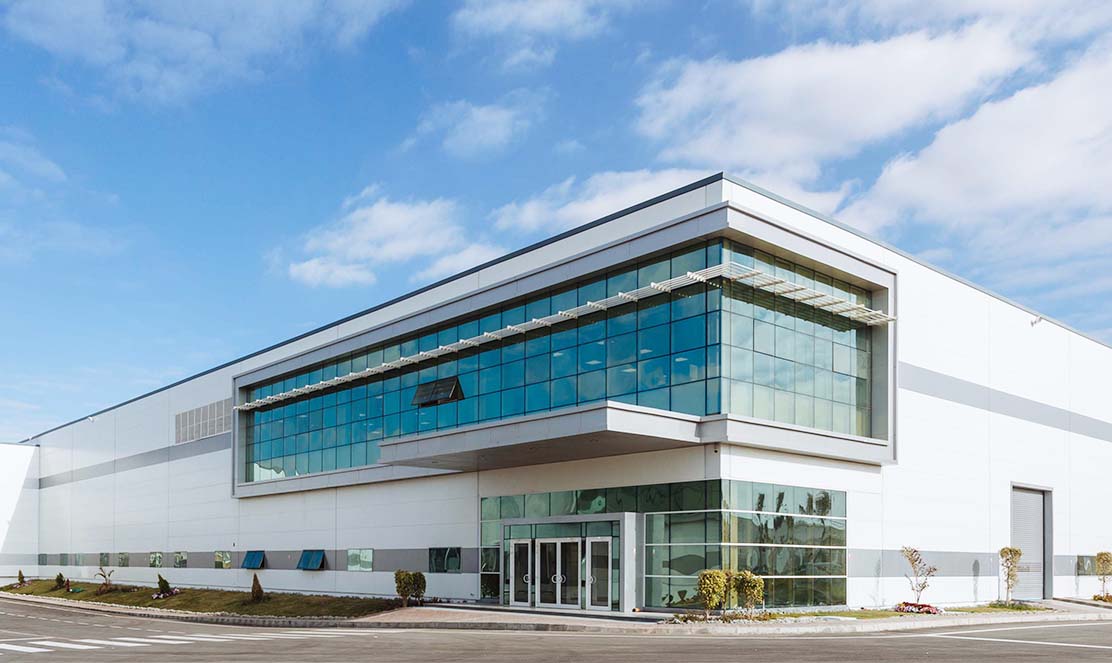
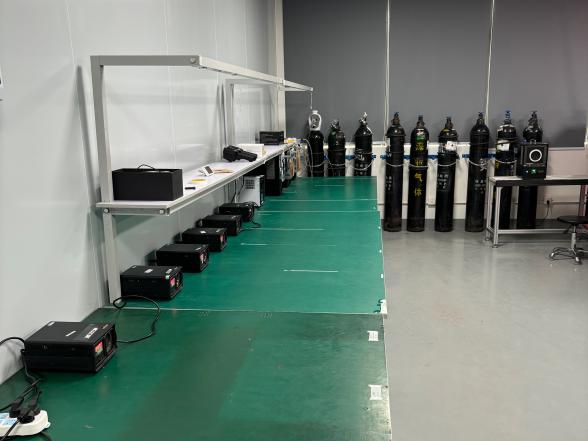
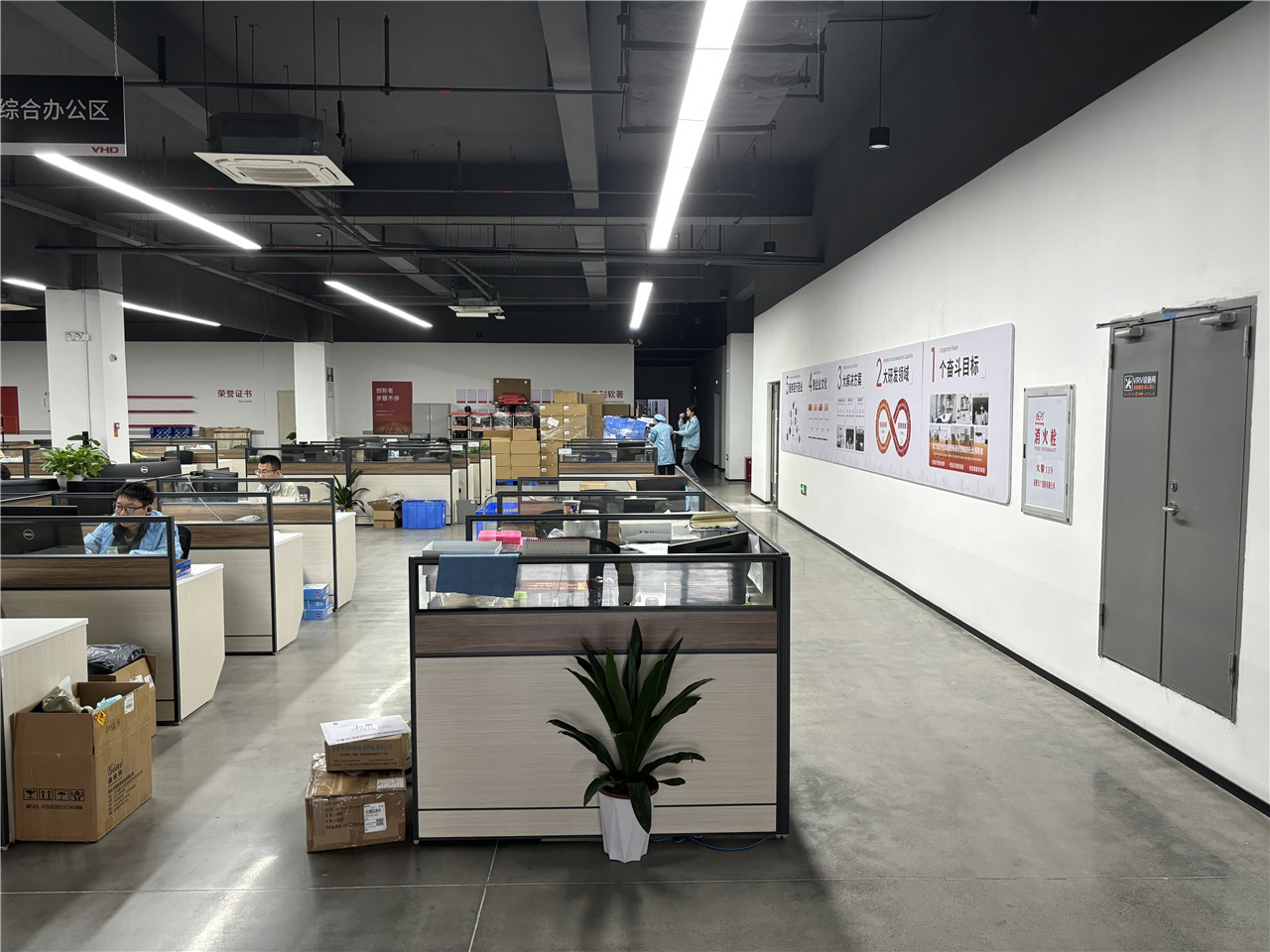
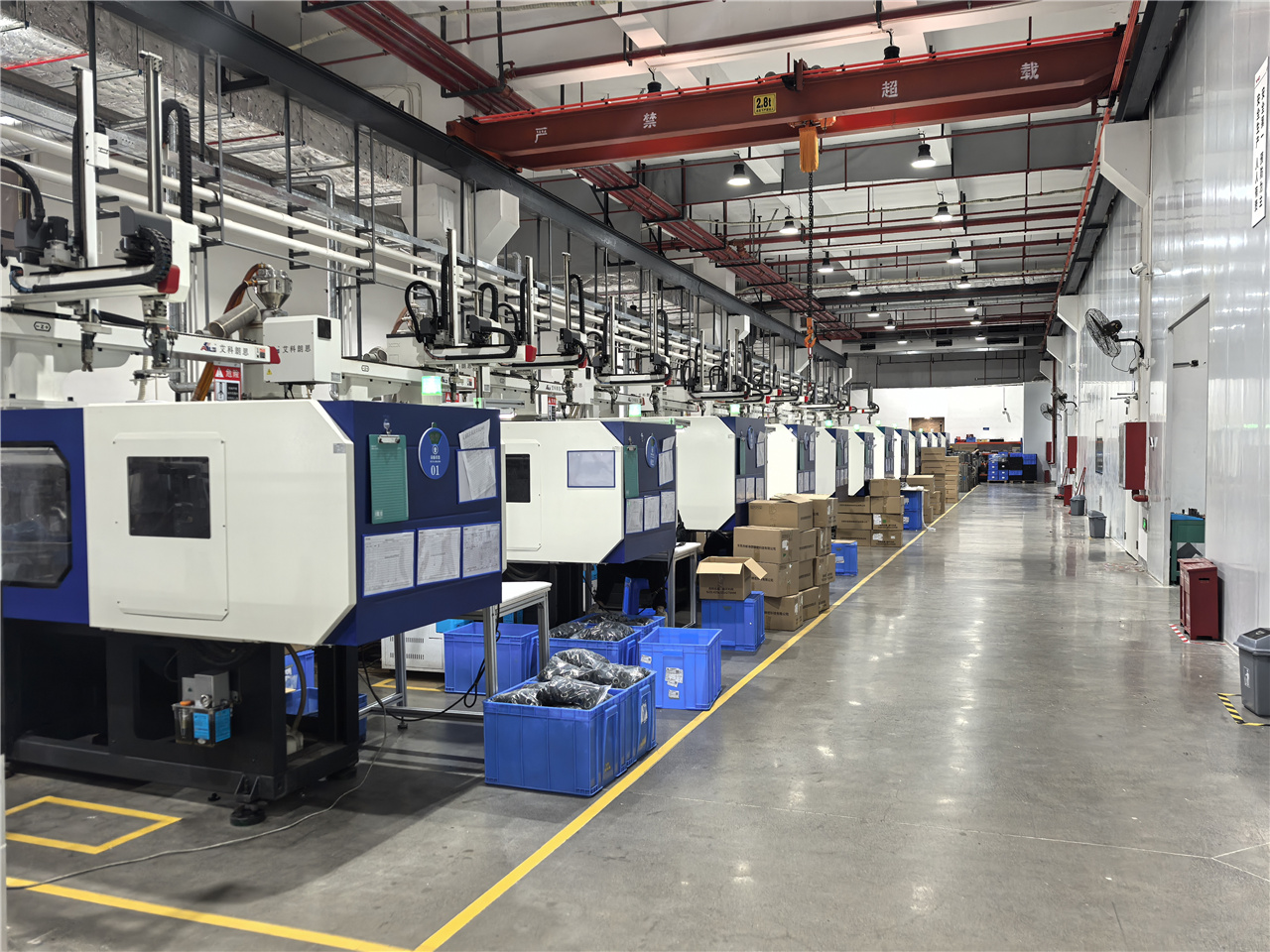
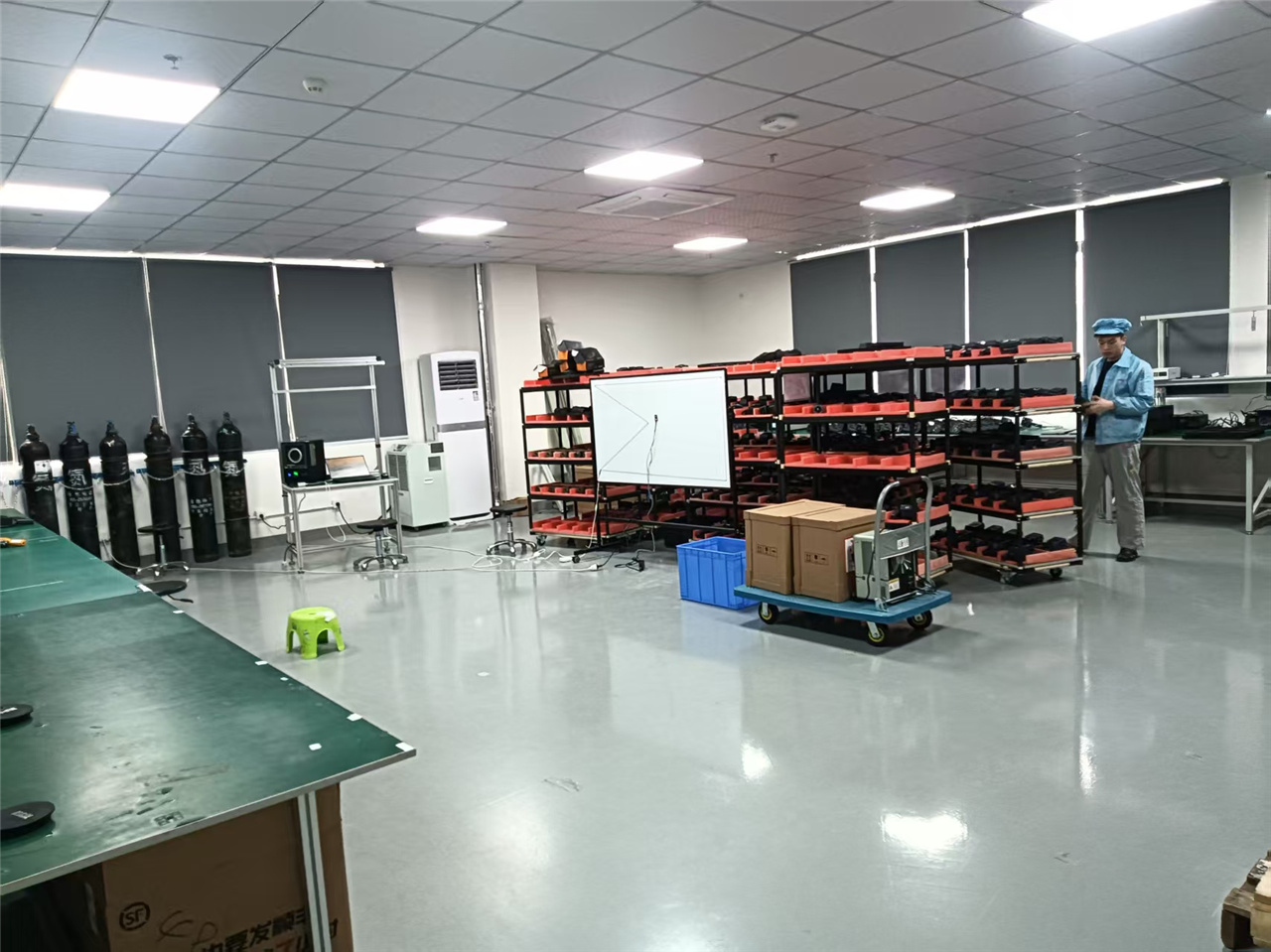
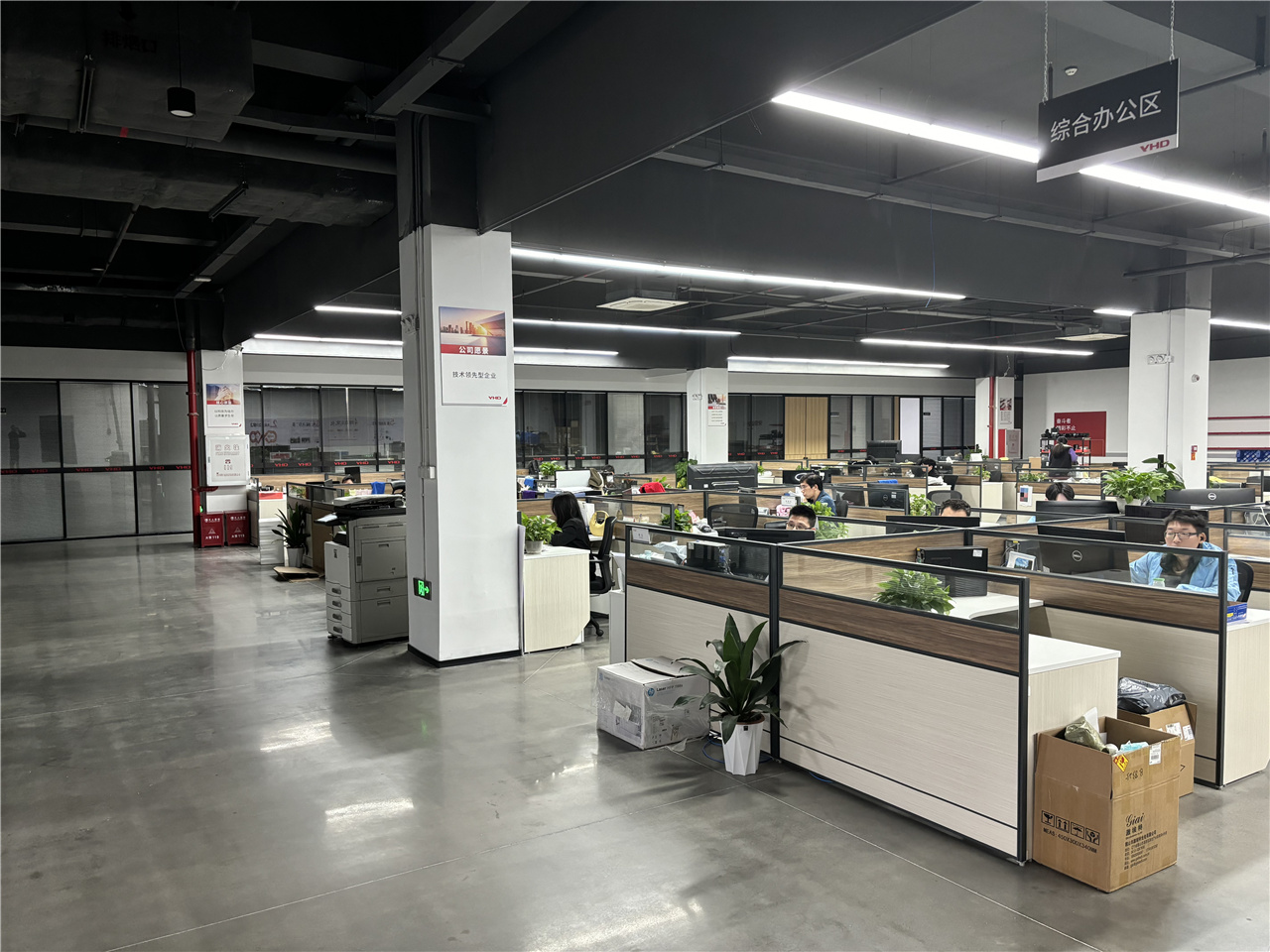
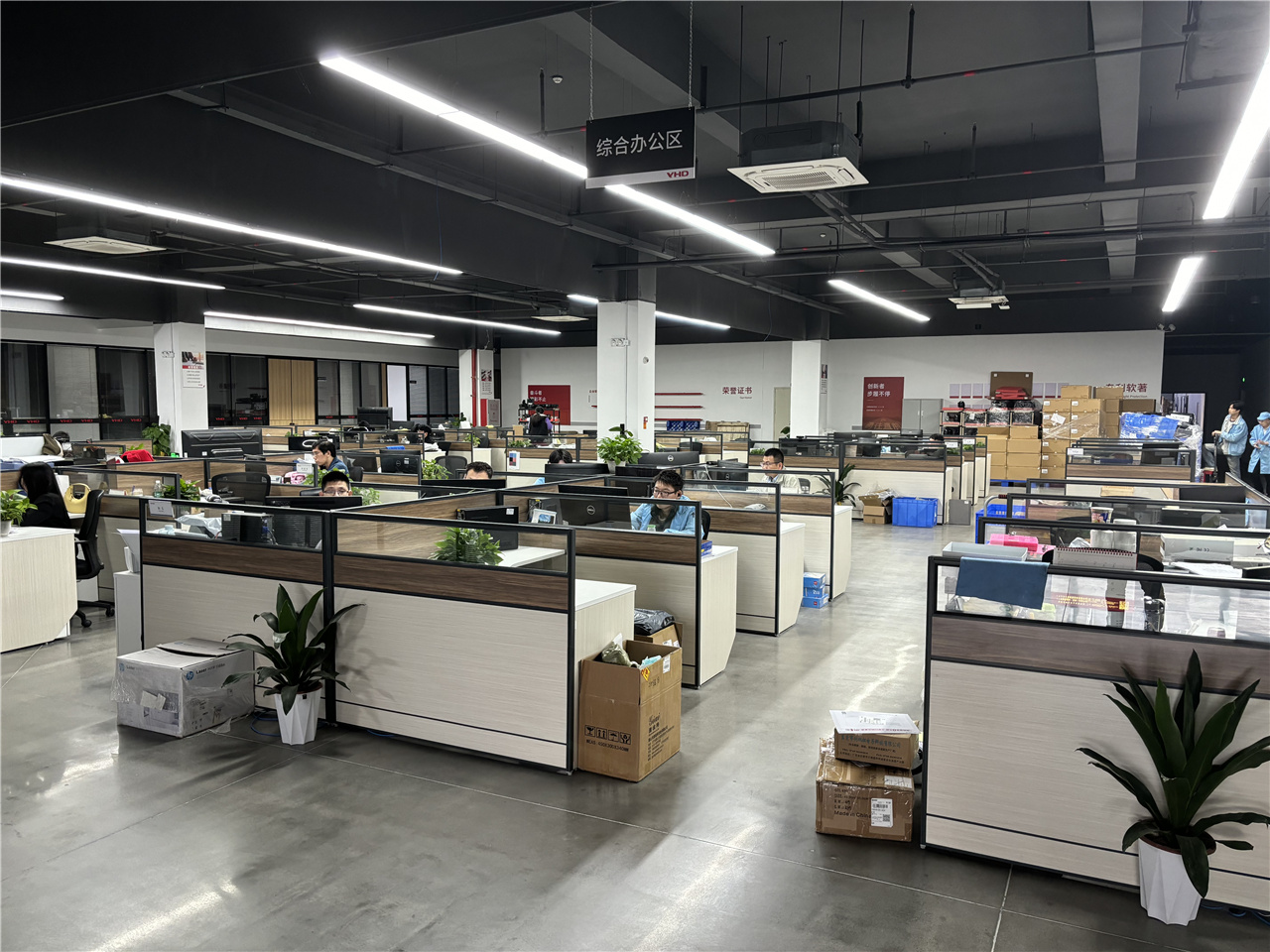
Shenzhen Dianyang Technology Co., Ltd. is a subsidiary of VHD (Shenzhen VHD Technology Co., Ltd.), a publicly listed company on the Shenzhen Stock Exchange. This strategic affiliation gives Dianyang unique access to VHD’s advanced R&D platforms, high-precision manufacturing systems, and rigorous quality management practices—enabling us to deliver thermal imaging products of higher reliability and consistency than typical ODMs.
We specialize in ODM/OEM services for infrared thermal imaging solutions, including handheld thermal imagers, smartphone-connected thermal cameras, thermal analyzers, and thermal imaging telescopes. Our products serve global customers in power inspection, building diagnostics, firefighting, industrial maintenance, and outdoor applications.
CE Certification is not merely a label; it represents an exhaustive technical file proving that an electronic measurement device complies with European Health, Safety, and Environmental protection directives. For high-precision radiometric tools such as the DP-64D, DP-25D, and DP-12D series, certification mandates adherence to several strict standard frameworks:
| Directive / Standard | Scope & Testing Parameters | Engineering Impact |
|---|---|---|
| EN 61326-1 (EMC Directive) | Electrical equipment for measurement, control, and laboratory use. Immunity to electrostatic discharge (ESD) and radiated RF fields. | Prevents sensor image noise, thermal drift, or processor resets when operating inside high-voltage electrical substations. |
| EN 61010-1 (Safety Directive) | Safety requirements for electrical equipment for measurement, control, and laboratory use. Insulation resistance and dielectrics. | Protects field operators against electrical shock while inspecting live switchgear and high-voltage transformers. |
| RED 2014/53/EU (Radio Equipment) | Applies to units with integrated Wi-Fi or Bluetooth modules for wireless image stream output. | Ensures interference-free wireless transmission to companion mobile apps (e.g., H1FB / H2FB integration). |
| RoHS & REACH Directives | Restriction of Hazardous Substances (Lead, Mercury, Cadmium) and Chemical SVHC compliance. | Guarantees eco-friendly manufacturing and safe cross-border supply chain operations into the EU market. |
To deliver actionable information gain, an infrared thermal camera must balance detector physical architecture, optical transmission, and post-processing algorithms:
How certified radiometric thermal cameras solve critical engineering challenges globally.
Overheated loose connections, phase imbalances, and transformer overload conditions emit distinct thermal signatures long before catastrophic failure occurs. Using handheld units like the DP-64D (640x512), power utility crews perform rapid thermographic scans of high-voltage transmission lines, sub-stations, and distribution panels without taking assets offline.
Under strict net-zero building regulations, thermography is mandatory for identifying thermal bridges, missing insulation, moisture ingress behind drywall, and air leakage around fenestrations. Devices such as the DP-25D enable building inspectors to map heat losses accurately and issue certified energy performance certificates.
Miniaturized electronics require fine thermal resolution. Mobile thermal accessories (H1FB, H2FB) coupled with high-magnification macro lenses allow PCB designers and field service technicians to analyze micro-component heat dissipation, detect short circuits, and verify thermal sinking performance during prototype validation.
Friction in motor bearings, gearbox failure, conveyer belt misalignment, and boiler refractory lining deterioration manifest as elevated thermal zones. Continuous or routine thermal monitoring with tools like the DP-38D prevents costly production downtime and enhances workplace fire safety.
As microbolometer fabrication technology evolves, the infrared imaging sector is undergoing rapid multi-disciplinary technological convergence. Key trajectories shaping the next decade include:
Integration of Neural Processing Units (NPUs) directly into handheld thermal cameras enables automatic target recognition, anomaly classification, and automated report generation in real-time, eliminating manual post-processing steps.
Advances in WLP allow microbolometer sensors to shrink significantly in cost and physical volume. This enables seamless plug-and-play thermal dongles for smartphones (H1FB / H2FB) while maintaining professional radiometric precision.
Future thermal systems combine LWIR sensors with acoustic leak detection, millimeter-wave radar, and visual AI stream sync. Integrated IoT connectivity automatically syncs radiometric telemetry directly to enterprise cloud dashboards for predictive maintenance modeling.
Expert technical answers addressing common procurement, compliance, and engineering queries.
CE marking confirms that the thermal camera meets European directives concerning electromagnetic compatibility (EN 61326-1), electrical safety (EN 61010-1), and environmental protection (RoHS/REACH). Importing non-certified equipment into the EU can result in customs seizures, heavy fines, and operational liability in industrial environments.
Resolution determines the total number of individual temperature measurement points (pixels) per frame. A 640x512 camera (327,680 pixels) offers 4.4 times more detail than a 256x192 (49,152 pixels) model and 30 times more detail than 120x90 (10,800 pixels). Higher resolution allows technicians to measure small targets safely from longer distances with greater optical clarity.
Smartphone thermal imagers leverage the high-performance processor, vibrant screen, and storage capacity of modern mobile devices, offering an extremely portable and cost-effective inspection tool. Standalone handheld imagers (like the DP-64D or DP-25D) feature ruggedized industrial housings (IP54/IP67 drop-tested), ergonomic pistol grips, extended battery life, and direct physical hot-key navigation tailored for heavy field use.
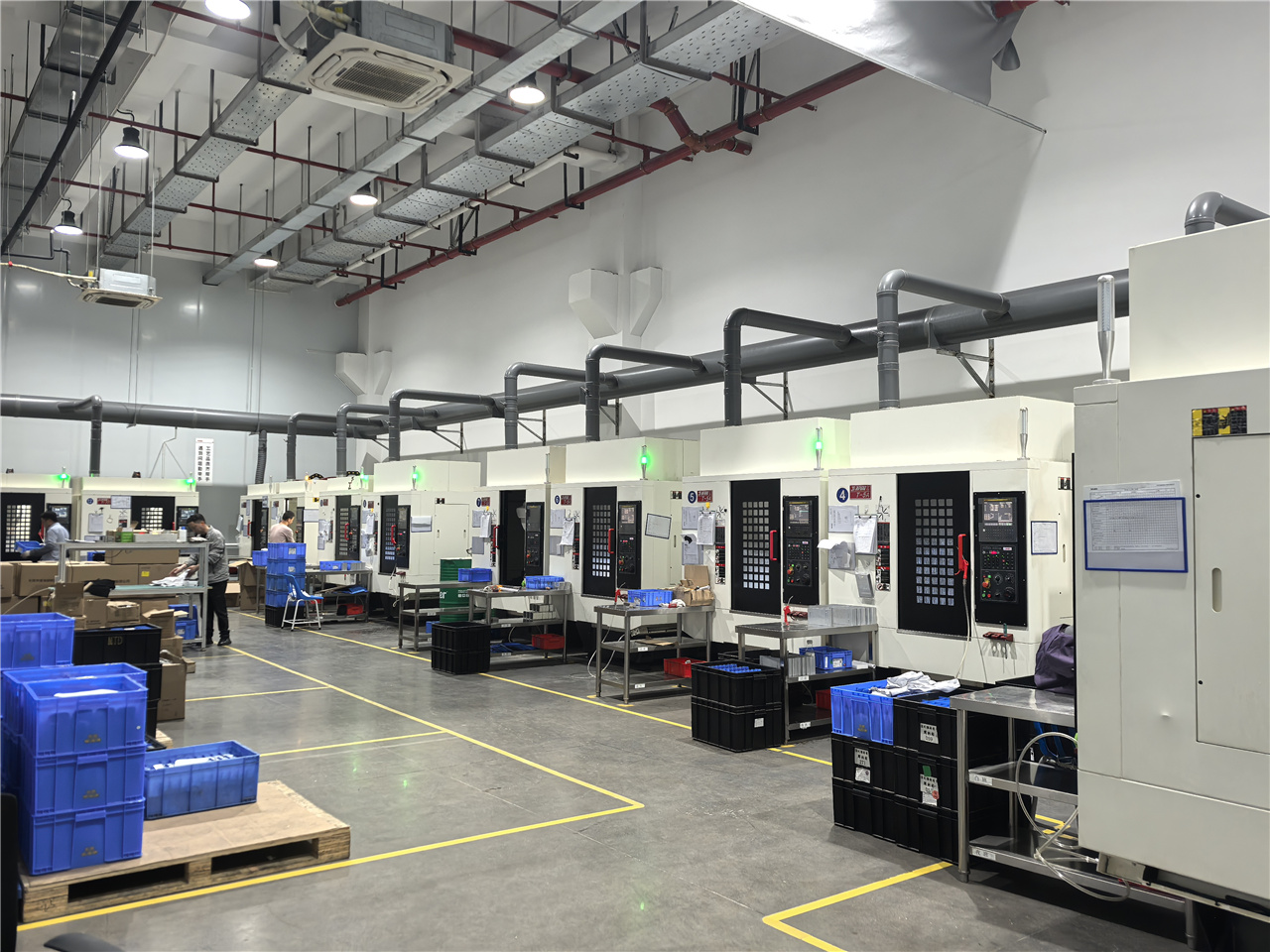
As a subsidiary of public company VHD, Dianyang utilizes automated SMT placement lines, high-precision thermal blackbody calibration chambers, strict DFM/DFT protocols, and 100% aging tests. Our production processes adhere to ISO9001 standards to ensure minimal defect rates and continuous batch-to-batch stability.
For standard electrical and building diagnostics, a temperature range of -20°C to 150°C is usually sufficient. However, for industrial maintenance, furnace inspection, automotive braking systems, and foundry monitoring, high-range configurations extending up to 550°C (as featured on the DP-25DV) are required to prevent sensor saturation.
Direct factory supply from Shenzhen Dianyang Technology Co., Ltd.
 Dianyang