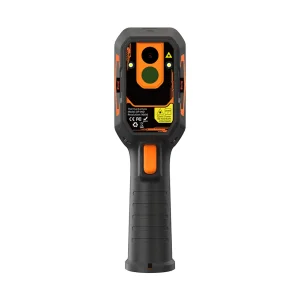
Precision-engineered uncooled microbolometer devices designed for electrical inspection, building diagnostics, and mission-critical surveillance.
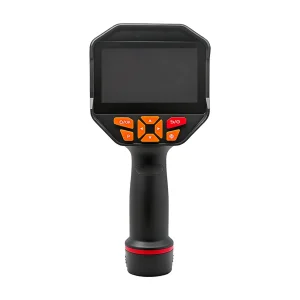
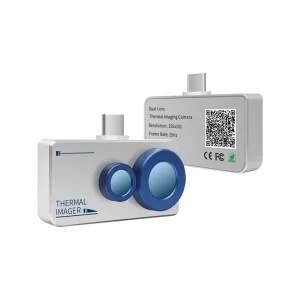
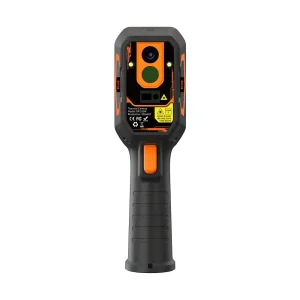
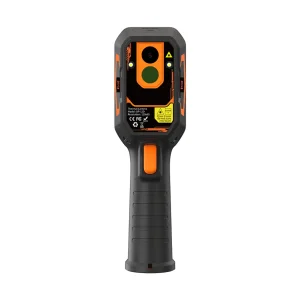
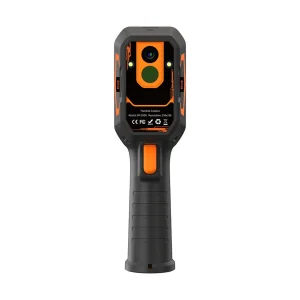
An engineering analysis of how long-wave infrared (LWIR) sensing, edge-AI analytics, and miniaturized focal plane arrays (FPA) are transforming modern security and maintenance.
The modern market for thermal surveillance exporters is dominated by uncooled Vanadium Oxide (VOx) and Amorphous Silicon (a-Si) microbolometers. Operating within the 8 to 14 micrometer (μm) atmospheric window, these sensors convert thermal radiation directly into digital signals without requiring expensive, high-maintenance cryogenic cooling units. Pixel pitch reduction from 25μm to 12μm (and emerging 8μm nodes) has drastically enhanced spatial resolution (IFOV) while lowering raw material costs for bulk procurement.
When evaluating companies offering thermal imaging systems, Noise Equivalent Temperature Difference (NETD) remains the paramount benchmark for signal-to-noise quality. Premium exporter offerings achieve thermal sensitivities of less than 40mK (0.04°C) at f/1.0, enabling operators to detect micro-kelvin thermal gradient variations across electrical gear, building envelopes, and solar photovoltaic farms long before catastrophic hardware failures occur.
Standalone thermal video often lacks context. Enterprise thermal camera exporters now standardize on dual-sensor payloads incorporating high-definition visible-light optical channels paired with long-wave infrared sensors. Algorithmic image fusion—such as detail enhancement (MSX / dual-spectrum blending)—overlays sharp optical edges directly onto thermal radiometric frames, providing field engineers and security forces with unambiguous visual identification.
A rigorous evaluation matrix designed for global procurement officers, system integrators, and OEM distributors looking to source uncooled thermal imaging units.
When searching for "Buy Thermal Surveillance Exporters & Companies", enterprise clients must choose between pre-configured OEM handheld units and full-custom ODM engineering contracts:
| Product Category | Typical Detector Resolution | Thermal Sensitivity (NETD) | Target Applications | Primary Buyer Persona |
|---|---|---|---|---|
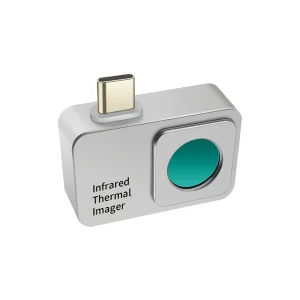
| Mobile Smartphone Modules | 160x120 to 256x192 | < 50mK | HVAC Diagnostics, DIY Inspection, Electrical Troubleshooting | Field Technicians, Small Contractors, Mobile App Developers |
| Professional Handheld Imagers | 256x192 to 384x288 | < 40mK | Power Line Audits, Substation Maintenance, Industrial R&D | Utility Companies, Certified Thermographers, Plant Managers |
| Fixed Thermal Surveillance | 384x288 to 640x512 | < 35mK | Perimeter Security, Border Surveillance, Fire Prevention | System Integrators, Government Agencies, Security Directors |
How turnkey thermal camera exporters enable predictive maintenance and high-level surveillance across mission-critical infrastructure.
High-resistance connections, transformer thermal overload, and insulator breakdown exhibit localized heating prior to physical failure. Handheld imagers like the DP-38D (384x288) allow grid engineers to conduct thermographic inspections safely from ground level.
Thermal imaging reveals hidden insulation voids, moisture ingress under flat roofs, and air infiltration around curtain walls. Compact mobile phone sensors (H2F6B Series) provide architectural inspectors with fast, portable diagnostics.
Miniaturized circuit boards require micro-radiometric thermal analysis. High-resolution thermal cameras help hardware engineers pinpoint short circuits, thermal dissipation bottlenecks, and overloaded IC components during rapid R&D cycles.
Unlike optical visual cameras, thermal surveillance pierces total darkness, dense fog, heavy smoke, and light foliage. Firefighters and search-and-rescue personnel rely on rugged thermal imagers to identify human thermal signatures rapidly.
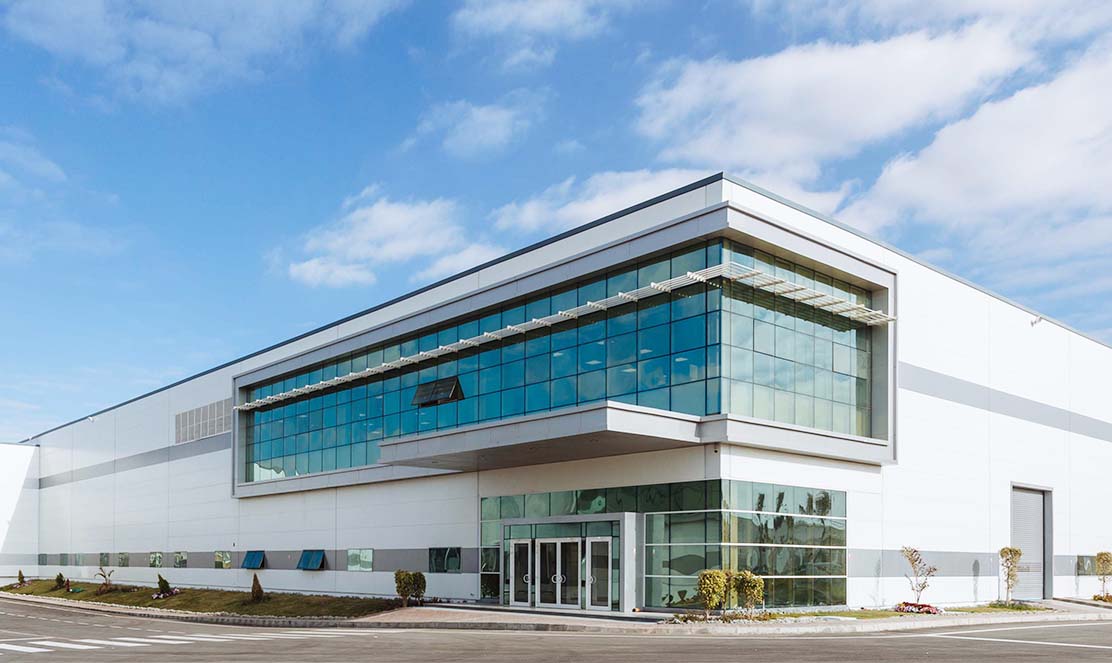
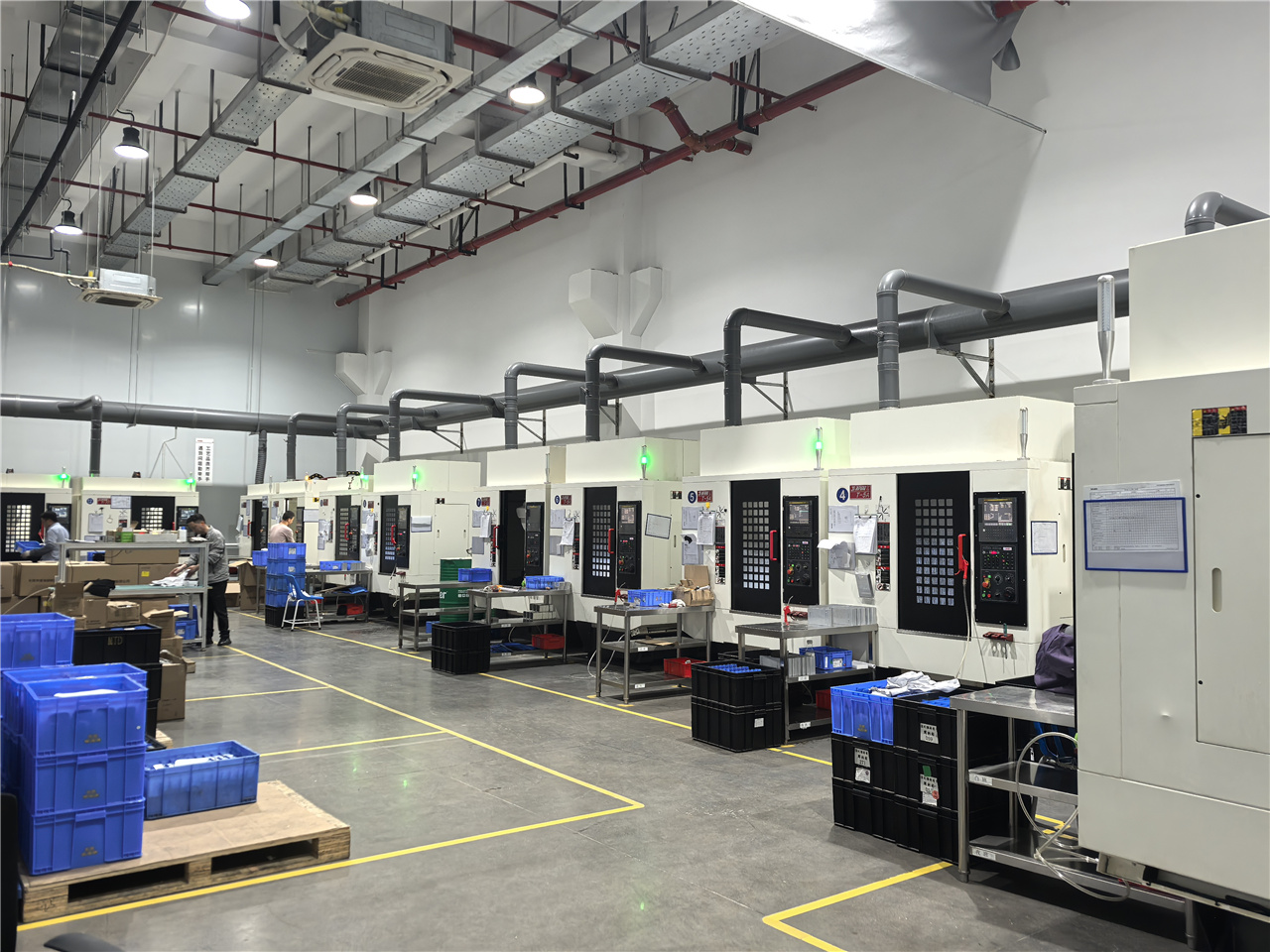
Shenzhen Dianyang Technology Co., Ltd. is a subsidiary of VHD (Shenzhen VHD Technology Co., Ltd.), a publicly listed company on the Shenzhen Stock Exchange. This strategic affiliation gives Dianyang unique access to VHD’s advanced R&D platforms, high-precision manufacturing systems, and rigorous quality management practices—enabling us to deliver thermal imaging products of higher reliability and consistency than typical ODMs.
We specialize in ODM/OEM services for infrared thermal imaging solutions, including handheld thermal imagers, smartphone-connected thermal cameras, thermal analyzers, and thermal imaging telescopes. Our products serve global customers in power inspection, building diagnostics, firefighting, industrial maintenance, and outdoor applications.
Our dedicated engineering team applies Design for Manufacturing (DFM), Design for Testability (DFT), thermal simulation, and EMC pre-compliance analysis to optimize performance and accelerate development. We also support clients in obtaining key international certifications such as CE, FCC, RoHS, REACH, CB, UKCA, KC, and PSE.
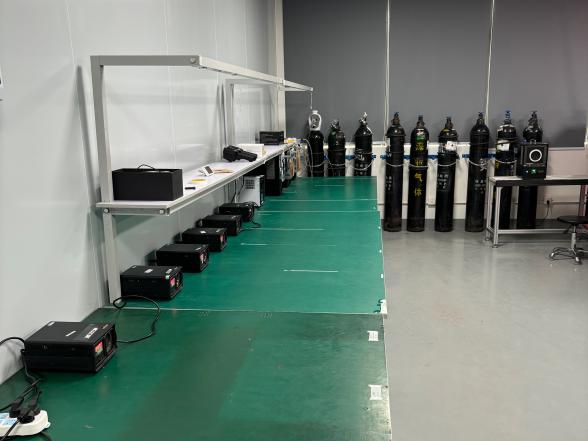
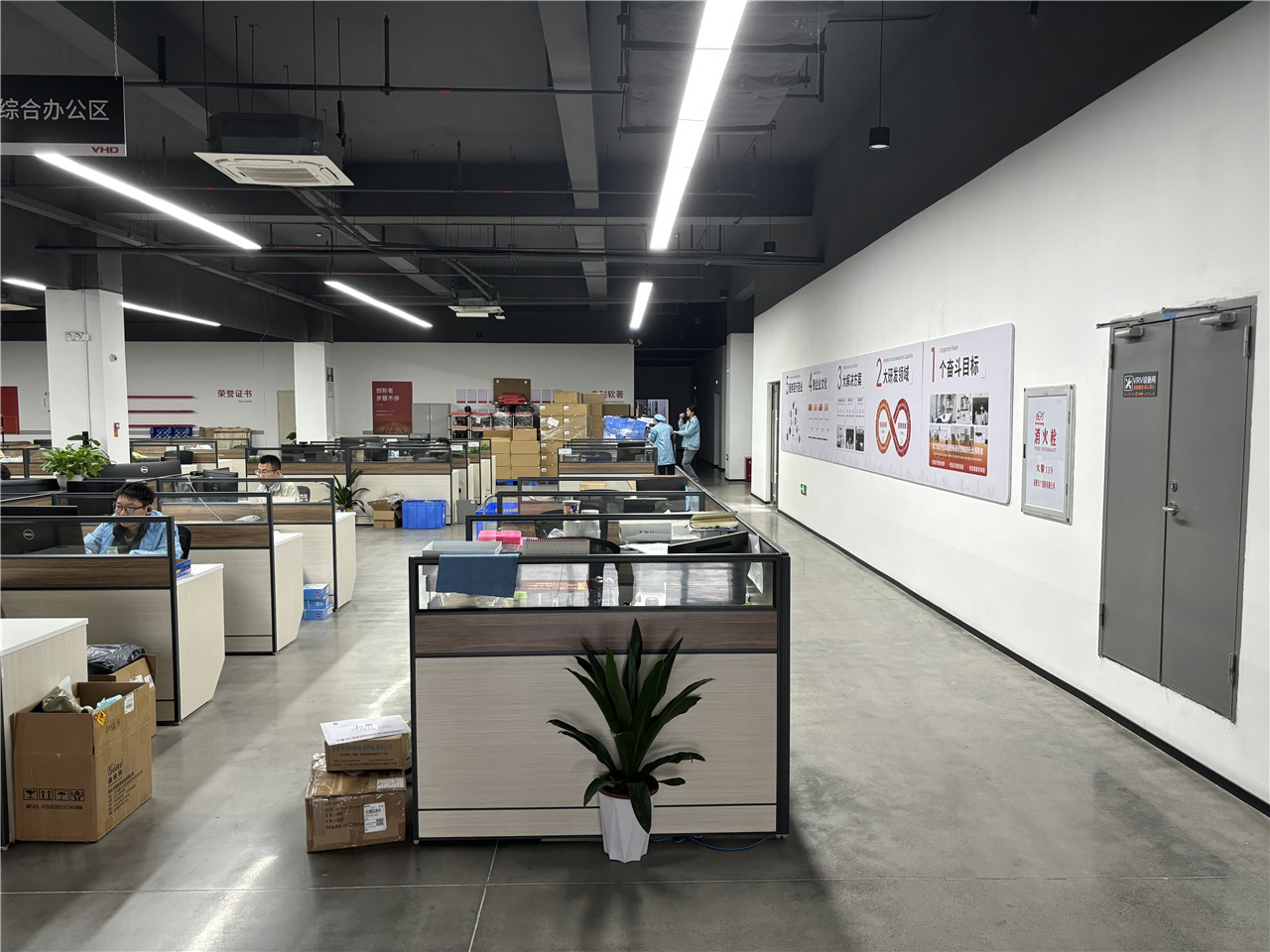
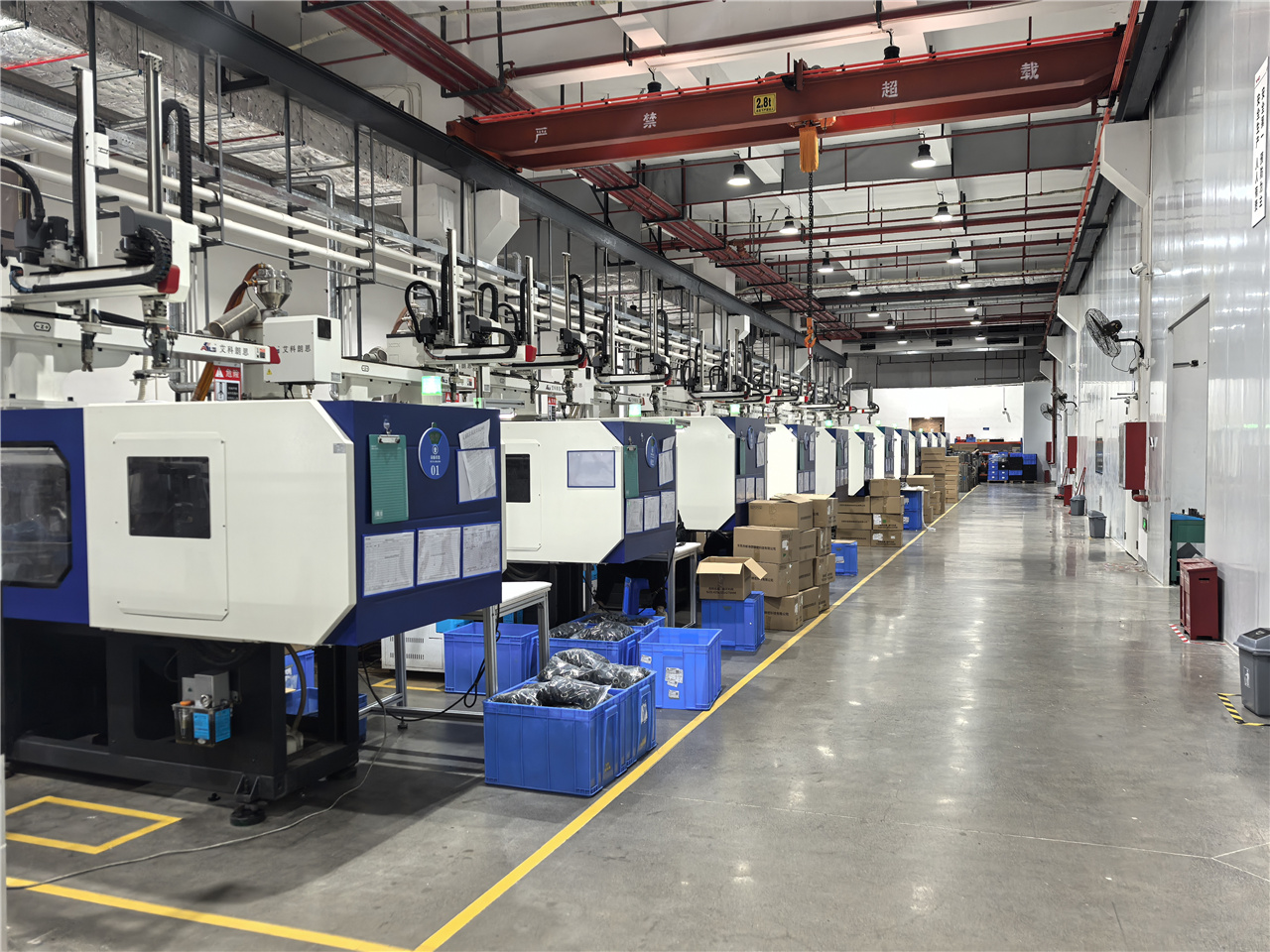
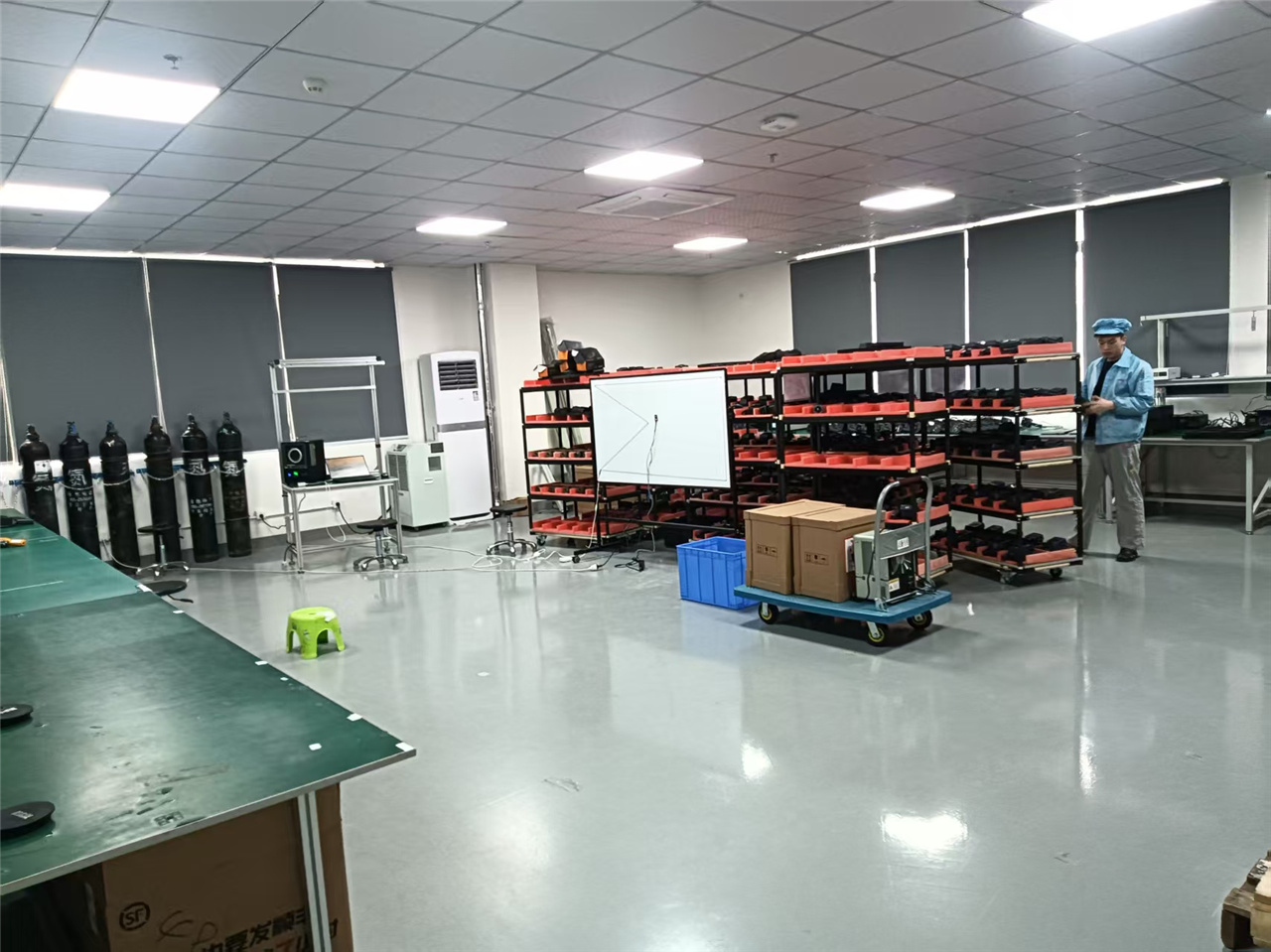


Ensuring seamless international import/export compliance across European, North American, and Asia-Pacific jurisdictions.
Full adherence to CE Mark directives, including Electromagnetic Compatibility (EMC Directive 2014/30/EU), Low Voltage Directive (LVD), and environmental hazardous substance mandates under RoHS 2.0 and REACH regulations.
Compliance with FCC Part 15 Subpart B digital device radiation limits. Products meet export control classification standards (EAR99 / Dual-use non-military LWIR frame rate configurations: 9Hz vs. 25Hz/30Hz/60Hz export variants).
Comprehensive localized certification support including UKCA (United Kingdom), KC (Korea Certification), PSE (Japan Electrical Safety), and CB Scheme international safety test reports.
Pioneering innovations in uncooled LWIR sensor fabrication, edge artificial intelligence, and hyperspectral thermal diagnostics.
Transitioning from traditional metal-can or ceramic vacuum packaging to advanced Wafer-Level Packaging (WLP) and Wafer-Level Optics (WLO). This shift lowers sensor unit cost by over 40% while dramatically shrinking physical dimensions, paving the way for ubiquitous thermal integration into smartphones and IoT smart sensors.
Future thermal surveillance platforms will incorporate dedicated AI NPU hardware directly onto the sensor processing unit. Real-time object recognition (detecting humans, animals, vehicles, arc flashes, and gas leaks) runs at the edge without requiring high-bandwidth cloud transmission.
R&D is advancing past 12μm toward 8μm microbolometer pixel pitch architectures. Smaller pixel sizes reduce optics clear-aperture requirements, enabling long-range infrared surveillance in smaller, lighter optical assemblies for drone payloads and micro-handheld instruments.
Explore our full line of compact mobile camera modules and handheld industrial thermal units available for global enterprise export.
Technical and logistical insights for enterprise purchasers sourcing thermal surveillance equipment from international manufacturers.
 Dianyang