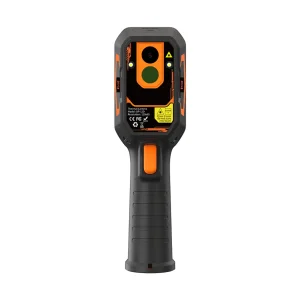
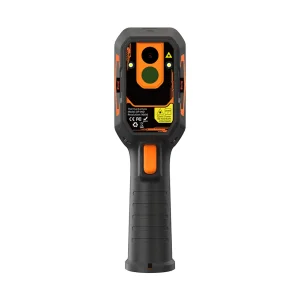
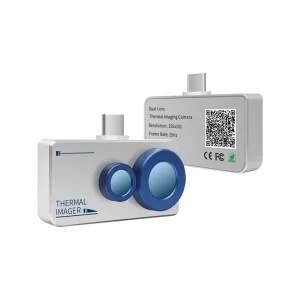
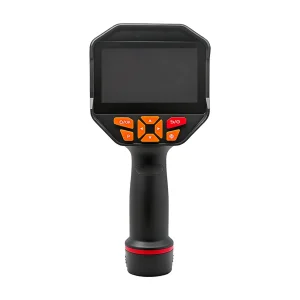
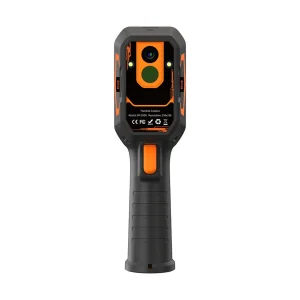
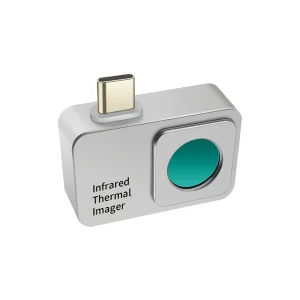
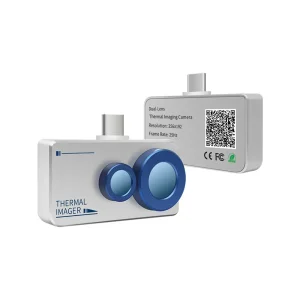
Explore our primary OEM/ODM portfolio of handheld thermal imagers and core optical sensor modules engineered for integration with smart thermal wearable glasses.
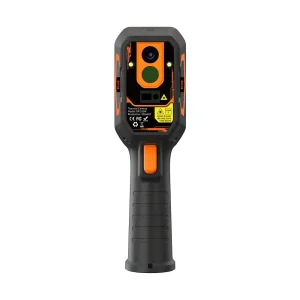
An engineering analysis of how thermal vision optics, microbolometer arrays, and augmented reality micro-displays converge into lightweight smart glasses.
Modern thermal imaging glasses rely on uncooled Long-Wave Infrared (LWIR) Vox (Vanadium Oxide) microbolometers. Operating within the 8μm to 14μm spectral bandwidth, these sensors detect micro-Kelvin thermal differentials without requiring mechanical cryo-coolers. Pixel pitch miniaturization down to 12μm allows compact optical assemblies to fit seamlessly within wearable eyeglass frames.
Pure thermal imagery can lack spatial context. Thermal glasses integrate dual-spectrum sensor fusion (MSX / MIF technology), layering high-contrast visual detail onto raw radiometric heatmaps. This enables field engineers, inspectors, and firefighters to read labels, outline structural edges, and identify components instantly while retaining total ambient situational awareness.
By utilizing high-transmittance Micro-OLED HUD display optics coupled with diffractive optical waveguides, thermal smart glasses overlay critical temperature telemetry directly into the user's field of view. Hands-free operational freedom empowers technicians to perform complex diagnostics while keeping hands clear of high-voltage or hazardous environments.
How enterprise teams leverage thermal imaging glasses and high-precision handheld thermal cameras for predictive maintenance, safety, and operational efficiency.
High-voltage substations, transformer banks, and distribution cabinets require continuous thermal monitoring. Field engineers equipped with thermal vision optics can scan hundreds of connections per hour, spotting localized resistance points, loose busbars, and unbalanced phase loads before catastrophic hardware failure occurs.
Thermal imaging glasses allow facility managers to inspect building envelopes instantly. Detect thermal bridging, missing insulation, moisture intrusion behind drywall, and air leakage around fenestrations. Real-time radiometric data maps temperature anomalies with precision up to ±2°C.
In smoke-filled environments where optical visibility drops to zero, LWIR thermal glasses reveal hot spots, structural hazards, and human thermal signatures. Hands-free wearability ensures firefighters maintain control over rescue tools while navigating complex interior structures.
Evaluate rotating machinery, mechanical bearings, brake assemblies, and EV battery packs under load. Instant thermal identification of friction buildup or failing components prevents unplanned production line downtime and extends machinery operational lifespans.
Pioneering advancements in edge-AI processing, quantum-well infrared photodetectors (QWIP), and micro-waveguide optics.
Future thermal glasses will incorporate embedded Neural Processing Units (NPUs) directly inside the camera sensor PCB. This enables real-time automatic anomaly detection, auto-segmentation of component thermal profiles, and predictive temperature trajectory algorithms without requiring secondary cloud processing.
Ongoing research in vanadium oxide microbolometer fabrication is pushing pixel pitch standards down to 8μm and below. This resolution scaling yields four times higher spatial pixel density on small germanium lenses, producing ultra-sharp thermal images while reducing sensor power consumption by up to 40%.
Next-gen wearable thermal imagers will feature integrated 5G sub-6GHz connectivity and spatial mesh mapping. Thermal telemetry collected by field operators will broadcast instantly to centralized digital-twin control centers for real-time collaborative remote diagnostics.
Why leading global brands choose Shenzhen Dianyang Technology Co., Ltd. for custom thermal camera & thermal glasses OEM/ODM solutions.
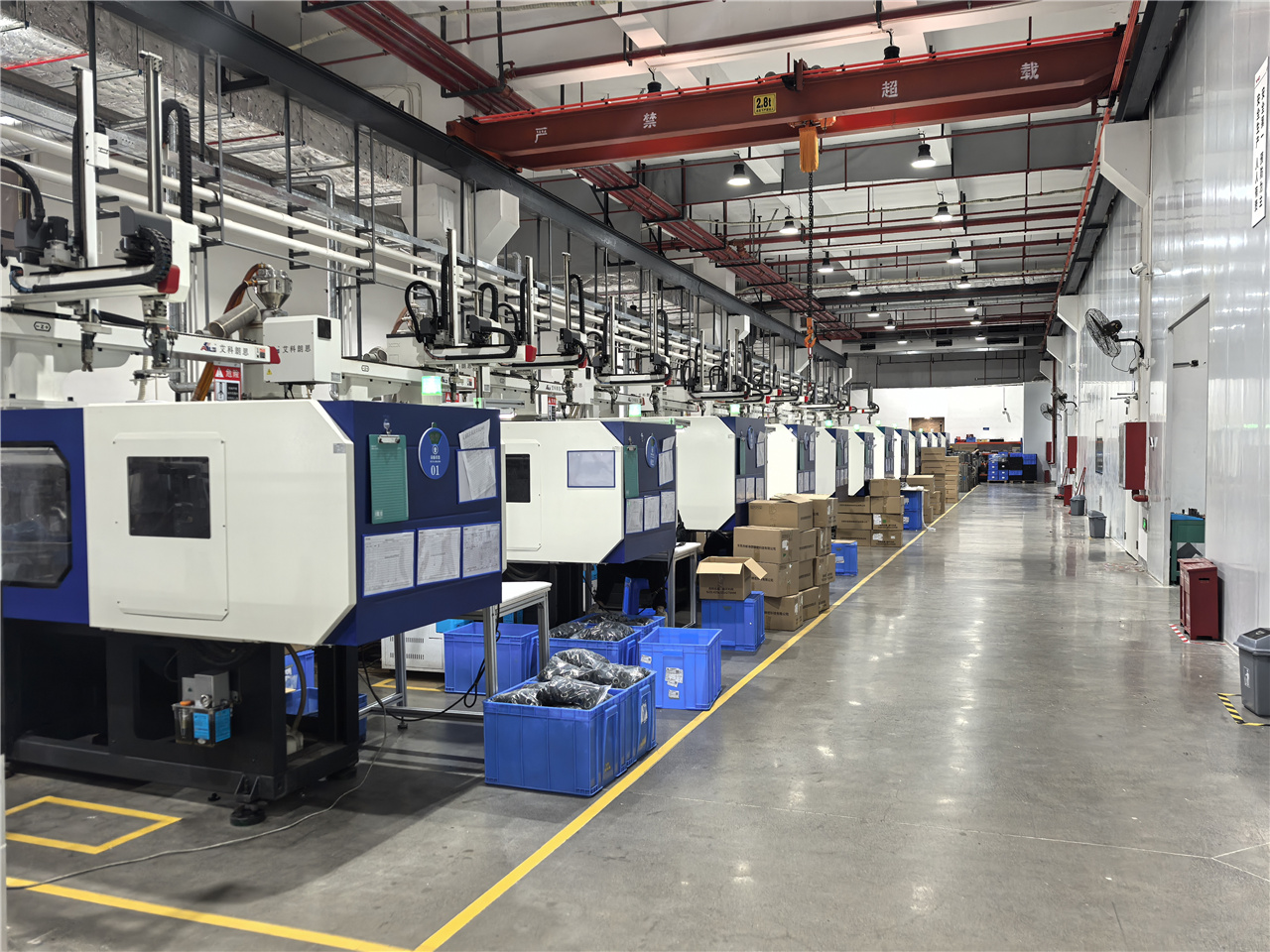
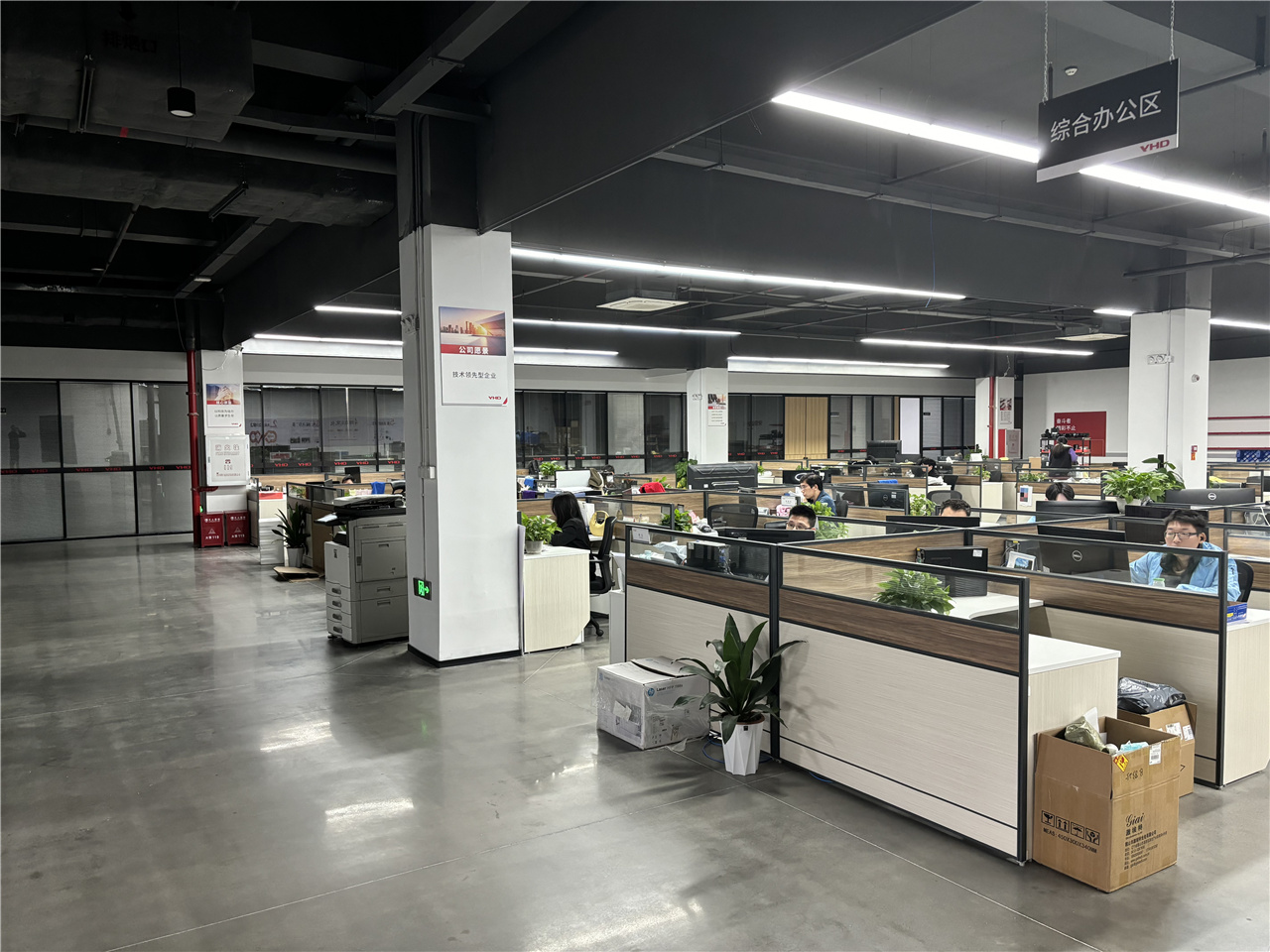
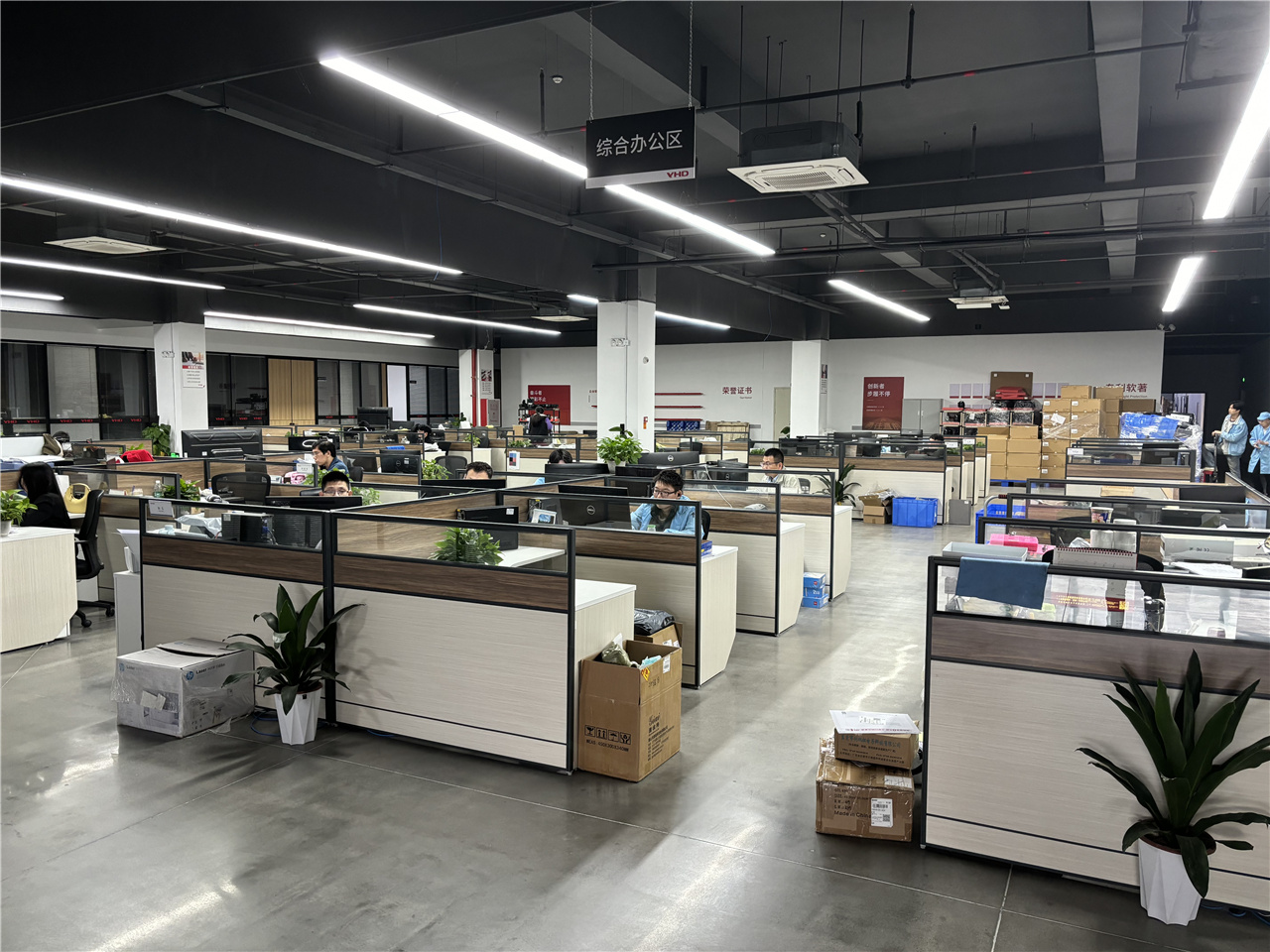
As a specialized subsidiary of VHD (Shenzhen VHD Technology Co., Ltd. - publicly listed on the Shenzhen Stock Exchange), Dianyang leverages enterprise-grade capital strength, advanced R&D platforms, and shared optic labs that standard white-label ODMs cannot match.
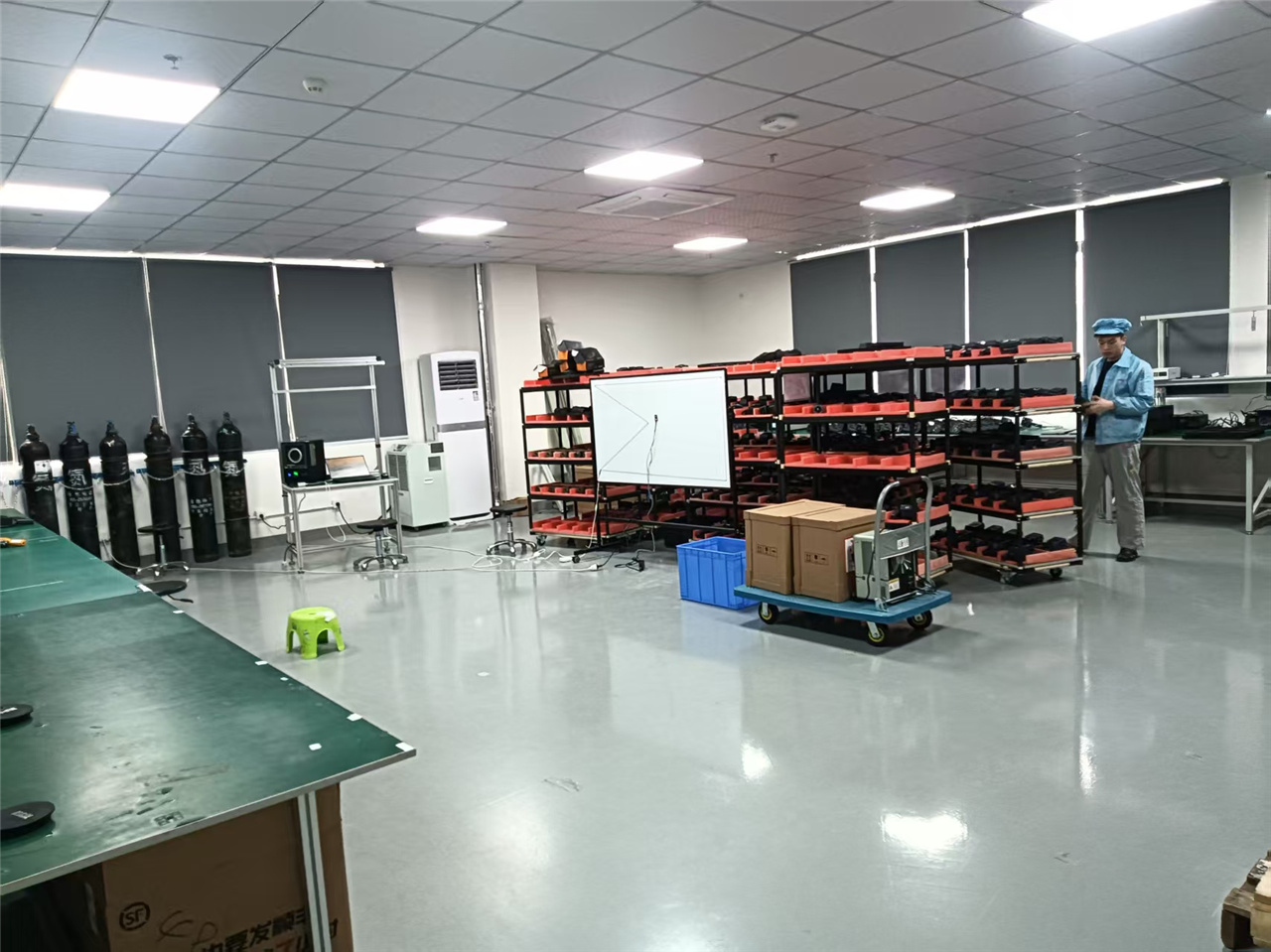
Our engineering team applies strict Design for Manufacturing (DFM) and Design for Testability (DFT) protocols. Every thermal circuit board undergoes finite element thermal simulation, automated optical inspection (AOI), and pre-compliance EMC testing prior to mass tooling.
Located in the hardware capital of Shenzhen, Dianyang benefits from an integrated component ecosystem. We execute rapid PCB prototyping, optical lens alignment, housing tooling, and mass production scaling within accelerated turnaround timeframes.
Shenzhen Dianyang Technology Co., Ltd. is a subsidiary of VHD (Shenzhen VHD Technology Co., Ltd.), a publicly listed company on the Shenzhen Stock Exchange. This strategic affiliation gives Dianyang unique access to VHD’s advanced R&D platforms, high-precision manufacturing systems, and rigorous quality management practices—enabling us to deliver thermal imaging products of higher reliability and consistency than typical ODMs.
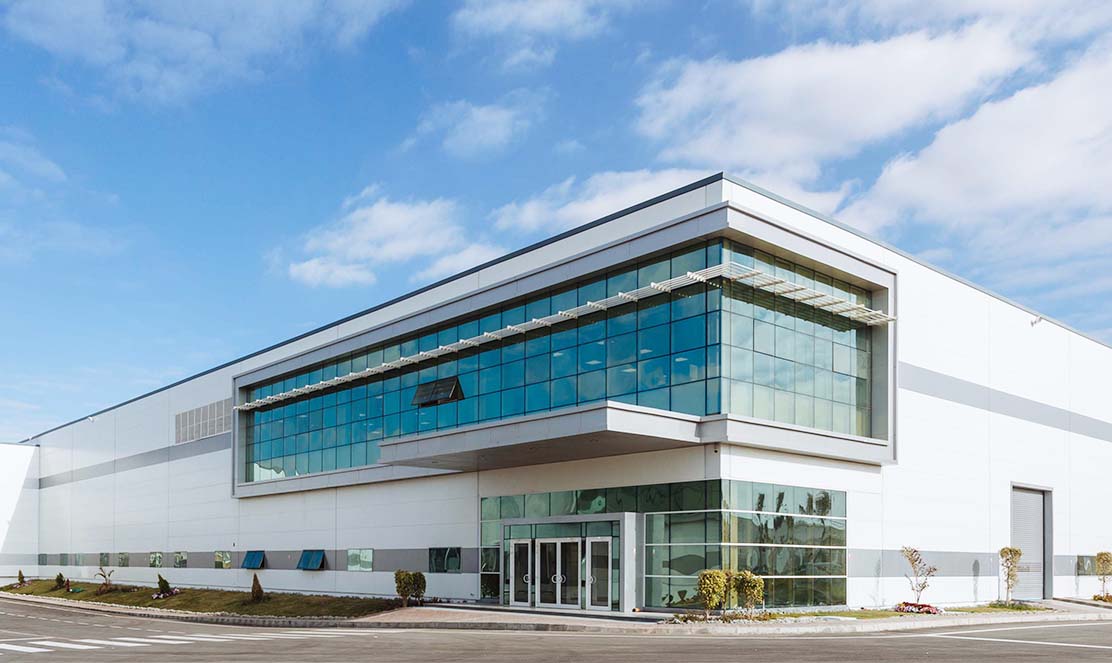
We specialize in ODM/OEM services for infrared thermal imaging solutions, including handheld thermal imagers, smartphone-connected thermal cameras, thermal analyzers, and thermal imaging telescopes. Our products serve global customers in power inspection, building diagnostics, firefighting, industrial maintenance, and outdoor applications.
Our dedicated engineering team applies Design for Manufacturing (DFM), Design for Testability (DFT), thermal simulation, and EMC pre-compliance analysis to optimize performance and accelerate development. We also support clients in obtaining key certifications such as CE, FCC, RoHS, REACH, CB, UKCA, KC, and PSE.
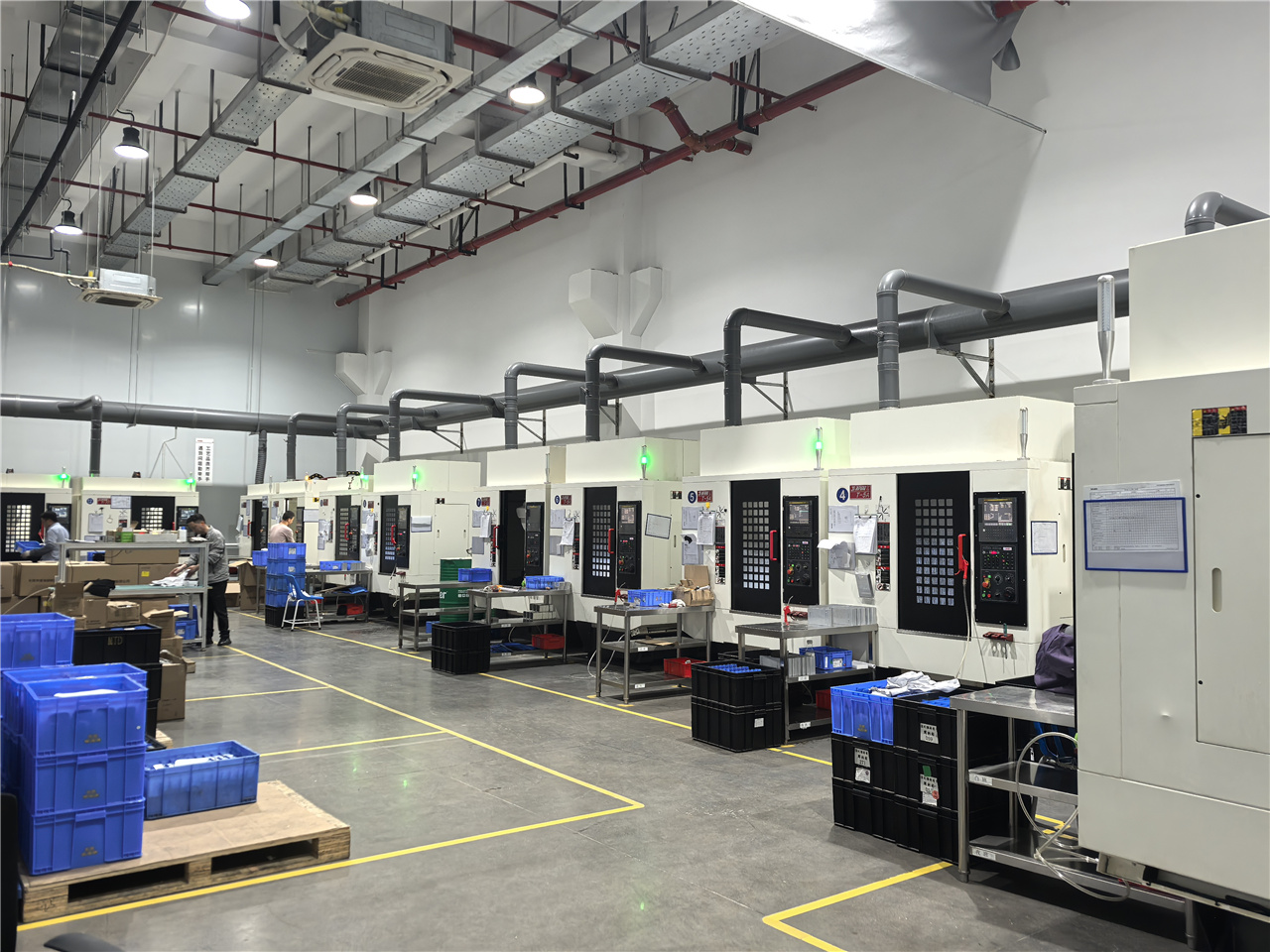
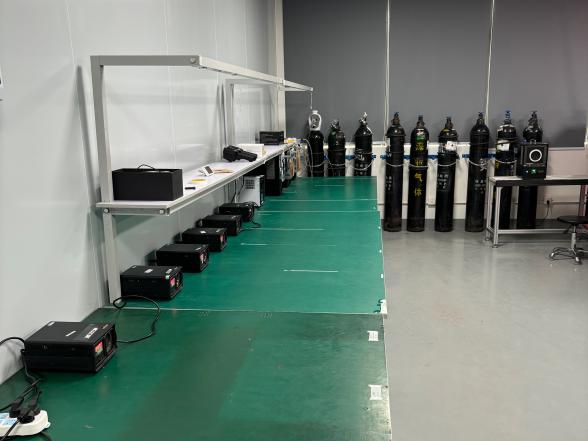
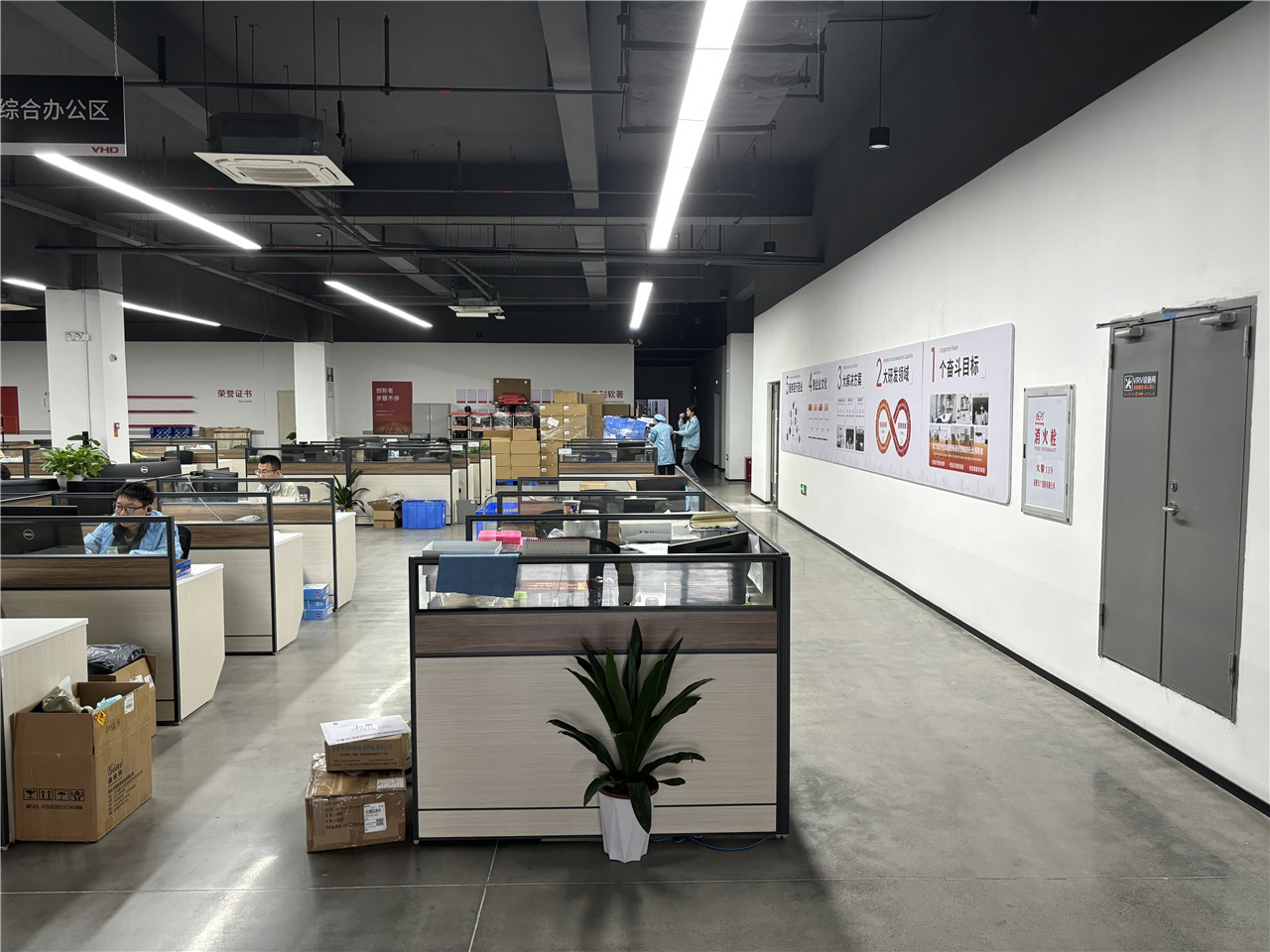
Evaluating Total Cost of Ownership (TCO) and ROI metrics for enterprise buyers looking to buy thermal imaging products & engage factory suppliers.
Procuring thermal imaging equipment directly from audited Chinese manufacturers lowers initial capital expenditure (CapEx) by 35% to 55% compared to regional distribution markups. Direct factory partnership enables custom firmware branded to your company's GUI, private labeling, and direct SDK integration for enterprise software.
Every camera unit undergoes multi-stage temperature calibration in automated blackbody chambers across its operational spectrum (-20°C to 550°C or up to 1200°C). Vibration testing, drop protection (up to 2 meters), and IP65 dust/water ingress verification guarantee zero DOA (Dead On Arrival) ratios.
Dianyang offers complete software development kits (SDKs) for Android, iOS, Windows, and Linux platform integration. Tailor thermal palettes, set custom radiometric alerts, build automated PDF report generation tools, and embed proprietary image optimization algorithms.
Ensuring frictionless international trade with robust certification frameworks across target export markets.
Fully compliant with EU Directive EMC 2014/30/EU, RoHS 2.0 (2011/65/EU), and REACH substance standards. Guaranteed safe deployment across all 27 European Union member states with verified declaration of conformity documentation.
Engineered to meet Federal Communications Commission (FCC) Part 15 Subpart B limits for Class B digital devices, ensuring low electromagnetic emissions and high immunity against commercial power grid interference.
Supporting regional requirements including UKCA for the United Kingdom, KC certification for South Korea, and PSE safety compliance for Japan. Complete testing reports available for regulatory clearing.
Explore our mobile phone connected modules, high-precision thermal cameras, and custom factory direct hardware options.
Comprehensive technical insights for buyers looking to buy thermal imaging glasses, handheld imagers, and customized supplier solutions.
While both systems utilize microbolometer infrared sensors to detect long-wave infrared thermal radiation, thermal imaging glasses incorporate a heads-up micro-OLED waveguide display. This provides hands-free operation and overlays real-time radiometric imagery directly within the operator's line of sight, allowing simultaneous manual work and situational scanning.
Thermal resolution defines the spatial pixel density of the microbolometer sensor array. A 96x96 or 120x90 resolution imager (like the DP-09D and DP-12D) is optimal for quick spot temperature measurements and HVAC diagnostics. Higher resolutions like 256x192 (DP-25DV) or 640x512 (DP-64D) provide four to sixteen times more measurement points, enabling detailed thermal profiling from safer standoff distances on high-voltage power lines or complex industrial machinery.
As a factory supplier backed by VHD, Shenzhen Dianyang Technology provides flexible MOQ thresholds for commercial buyers. Standard OEM customization (logo branding, packaging, software splash screen) starts at low volumes with typical lead times of 2–3 weeks. Full ODM developments involving custom PCB layout, germanium optics, housing molds, and SDK integration follow structured milestone schedules of 6–12 weeks.
Yes, models such as the H2F6B and H1FB are specifically engineered for mobile plug-and-play connectivity via USB Type-C or Lightning connectors. Our software suite includes dedicated mobile apps for iOS and Android, allowing real-time thermal video streaming, point-and-area radiometric analysis, video recording, and instant PDF report generation.
For building envelope inspections and subtle moisture detection, a Noise Equivalent Temperature Difference (NETD) of < 40mK (0.04°C) or < 50mK is highly recommended. Lower NETD ratings mean the thermal sensor can distinguish finer temperature differences, producing clearer thermal images in environments with minimal delta-T.
Yes. Dianyang manufactures products under strict compliance protocols. Our products hold CE, FCC, RoHS, REACH, CB, UKCA, KC, and PSE certifications, streamlining import customs clearance for global distributors and OEM enterprise partners across North America, Europe, and Asia-Pacific regions.
 Dianyang