Explore our direct-from-factory catalog of thermal imaging systems, engineered for vehicle night vision integration, industrial maintenance, and OEM/ODM system customization.
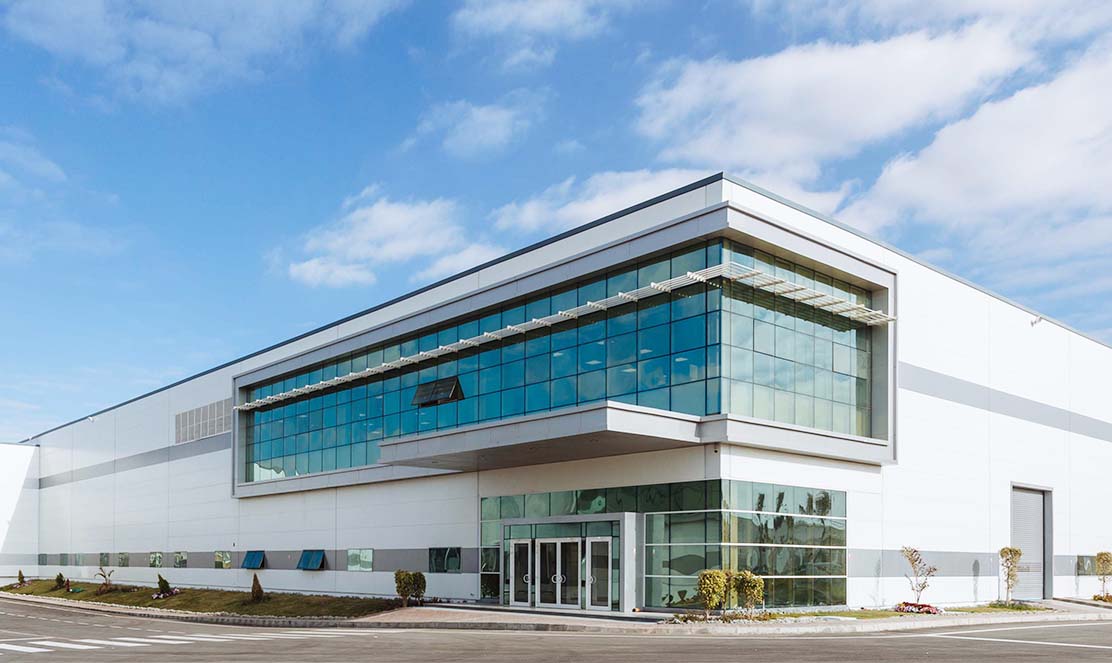
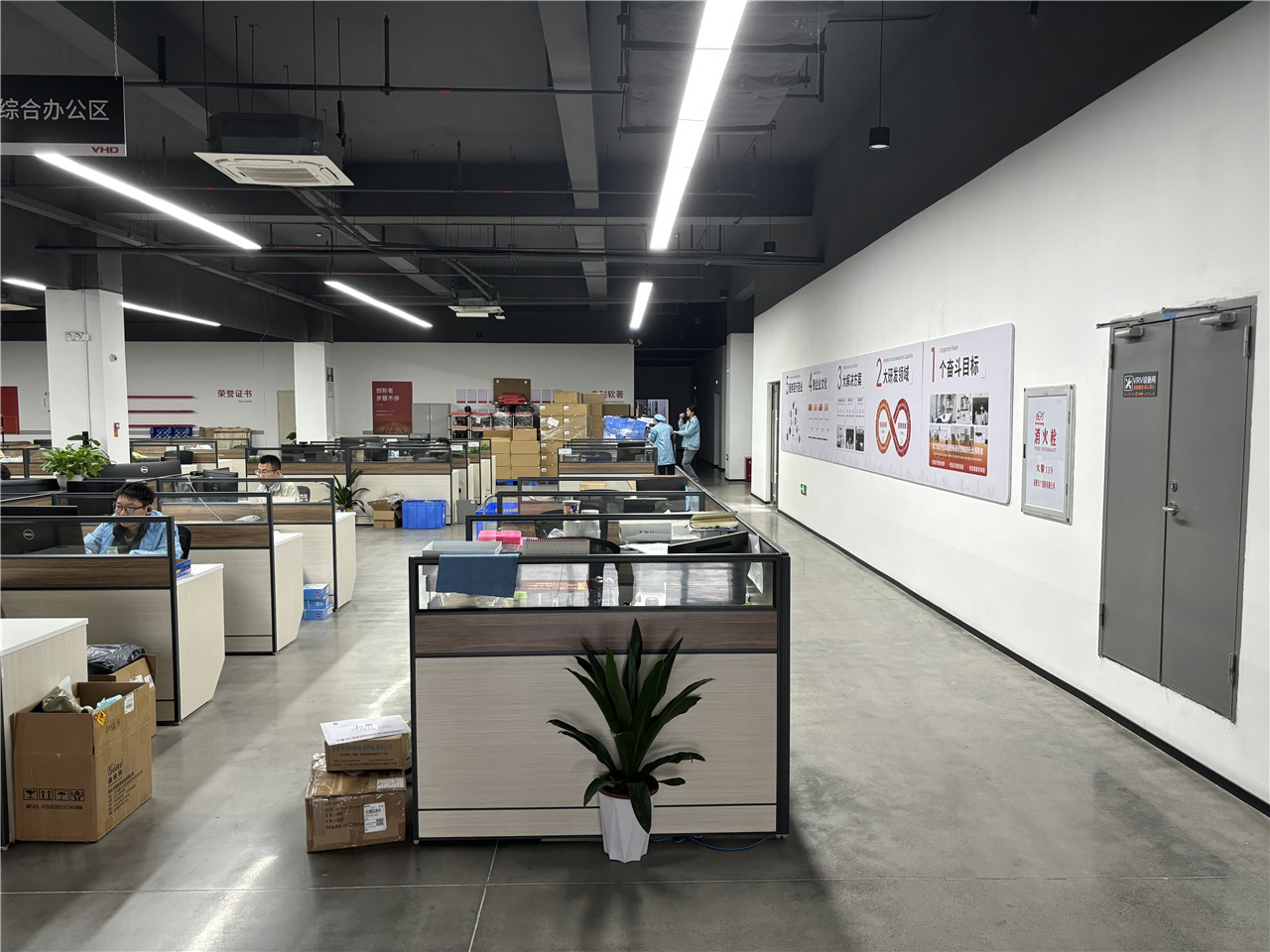
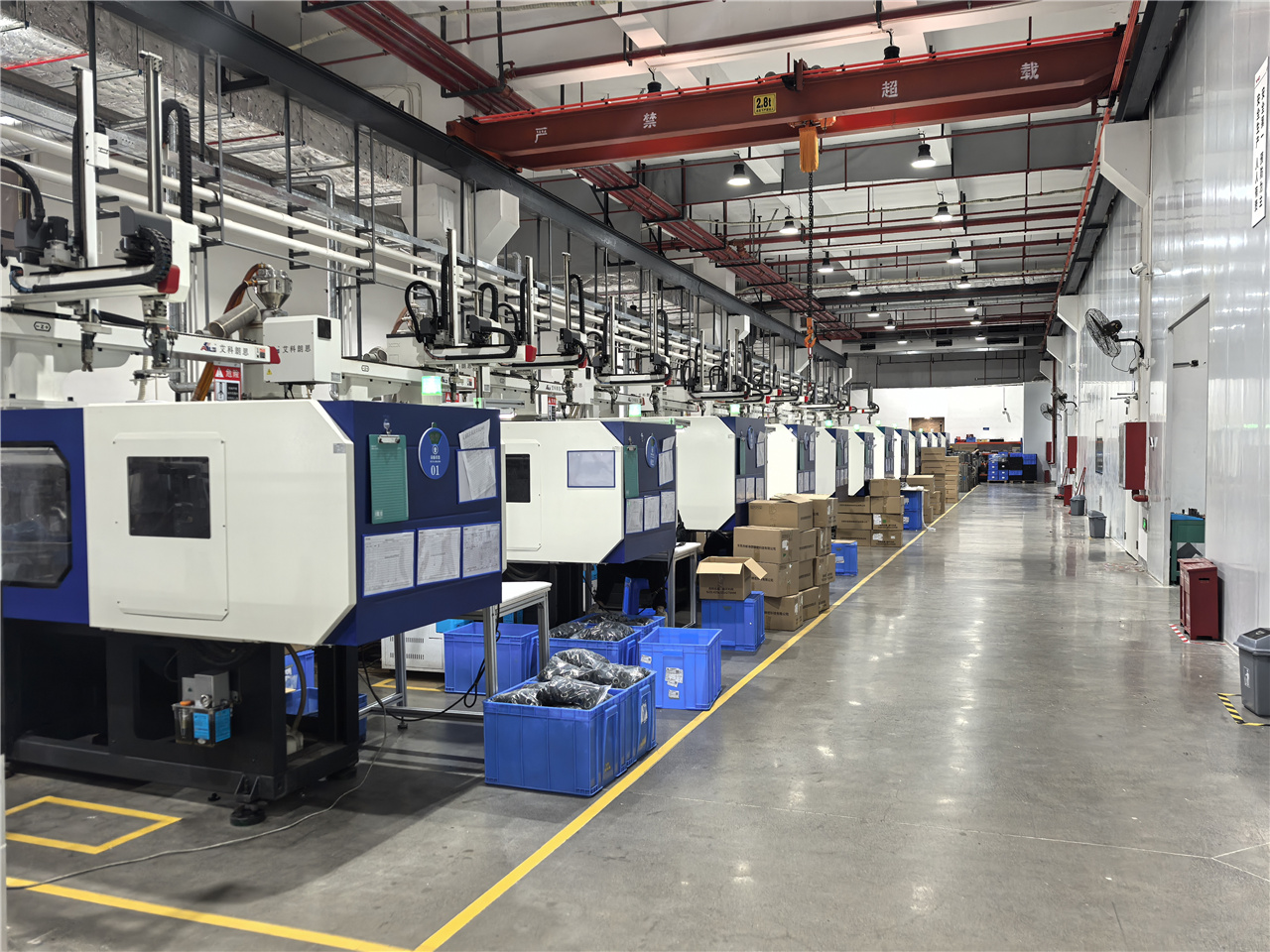
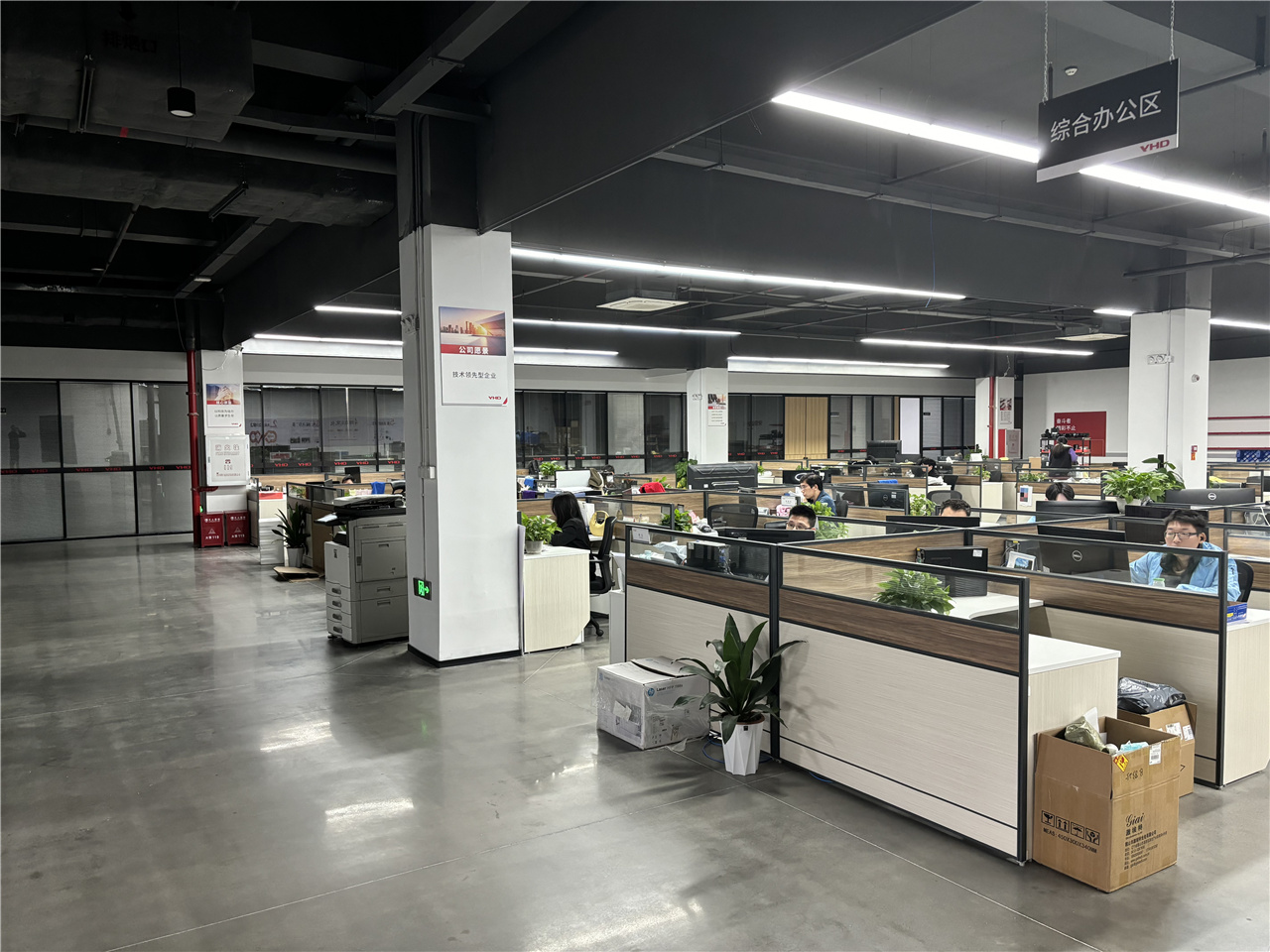
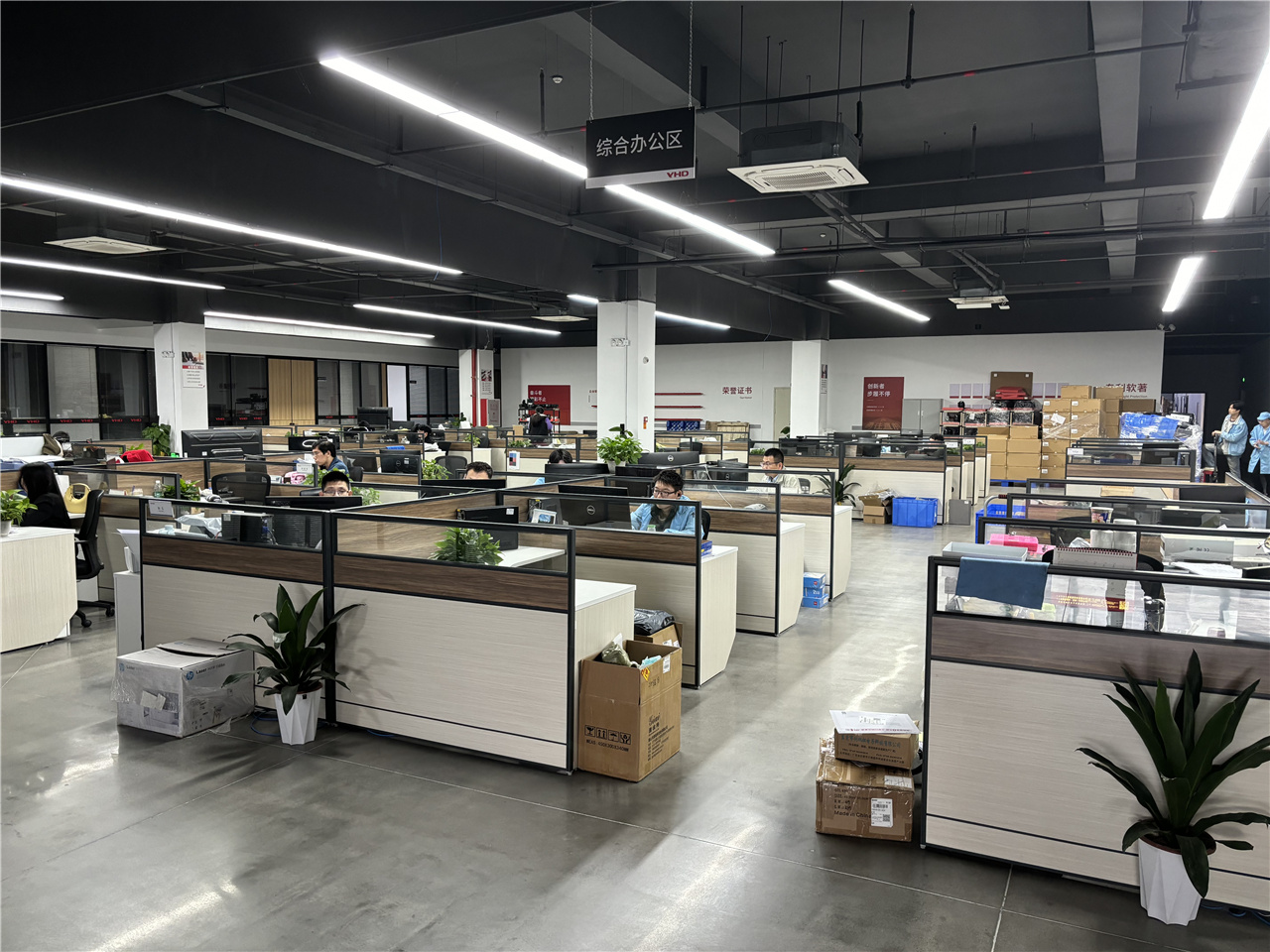
Shenzhen Dianyang Technology Co., Ltd. operates as a key technological subsidiary of VHD (Shenzhen VHD Technology Co., Ltd.), a publicly listed powerhouse on the Shenzhen Stock Exchange. This corporate backing equips Dianyang with an unprecedented competitive edge in the global optoelectronics landscape. Unlike unverified third-party suppliers or white-label brokers, our engineering framework is deeply integrated into VHD’s state-of-the-art research ecosystem, automated high-precision Surface Mount Technology (SMT) production lines, and ISO-certified quality assurance facilities.
Our dedicated R&D engineering divisions specialize in the complete lifecycle of thermal optical products. By deploying rigorous Design for Manufacturing (DFM), Design for Testability (DFT), advanced thermal simulation modelling, and in-house Electromagnetic Compatibility (EMC) pre-compliance testing, we ensure that every thermal camera unit—from portable smartphone attachments to rugged automotive thermal camera car kits—meets demanding industrial specifications.
When procurement managers and Tier 1 automotive integrators evaluate options to buy thermal camera car kits from direct factories, understanding the underlying sensor physics, optical design, and video signal pipeline is paramount for long-term field reliability.
Our automotive thermal camera kits utilize Vanadium Oxide (VOx) or Amorphous Silicon (a-Si) focal plane arrays operating in the 8μm to 14μm Long-Wave Infrared spectrum. Unlike standard RGB vision systems, LWIR detectors measure ambient blackbody thermal radiation emitted by objects, completely bypassing illumination constraints.
Because traditional optical glass is opaque to LWIR thermal radiation, our car camera lenses feature high-purity monocrystalline Germanium (Ge) elements. Coated with Diamond-Like Carbon (DLC) exterior protection, these lenses resist gravel impact, road salt corrosion, high-pressure washdowns, and extreme environmental abrasion.
Automotive thermal kits face severe weather conditions. Dianyang thermal car sensors incorporate intelligent PTC heating window modules embedded within the housing. When ambient temperatures drop below 2°C, auto-defrosting activates to melt ice, snow, and condensation within seconds, maintaining zero-latency visibility.
| System Architecture Parameter | Standard OEM Car Kit Spec | High-End ADAS/Pro Thermal Kit Spec | Industrial Integration Impact |
|---|---|---|---|
| Detector Resolution | 256 × 192 Microbolometer | 384 × 288 / 640 × 512 Uncooled VOx | Provides higher spatial resolution for long-distance target recognition. |
| Pixel Pitch | 12μm Process Node | 12μm Ultra-Fine Pitch | Reduces optical lens diameter while boosting thermal energy absorption. |
| NETD (Thermal Sensitivity) | < 40mK @ f/1.0 | < 30mK to 35mK @ 25°C | Resolves minute temperature differences (0.03°C) under dense fog and rain. |
| Frame Rate | 25Hz / 30Hz PAL/NTSC | 50Hz / 60Hz High-Speed Video Output | Eliminates video latency during highway speed vehicle operation (>120 km/h). |
| Interface / Bus | Analog CVBS / USB 2.0 | GMSL2 / Automotive Ethernet (100BASE-T1) | Supports high-bandwidth zero-loss video streaming directly to ECU / Autonomous Domain Controllers. |
| Ingress Protection | IP67 Enclosure | IP68 / IP69K Hermetic Sealed Housing | Withstands steam jets, immersion, and harsh off-road mud contamination. |
Automotive thermal imaging is no longer restricted to luxury vehicles. As autonomous driving safety standard requirements tighten globally, thermal imaging car kits are becoming critical sensors for cross-industry applications.
Visible light cameras fail under direct sunlight glare, high-beam headlights, thick smoke, and pitch darkness. LiDAR struggles during heavy fog, dust storms, and heavy precipitation. Thermal car kits bridge this safety gap by detecting human skin thermal signatures and animal heat profiles up to 300 meters away. By pairing our LWIR camera kits with neural-network perception software, Tier 1 automakers achieve robust sensor redundancy.
Long-haul trucks, mining haulers, and agricultural combines operate round-the-clock under extreme dust, mud, and lightless environments. Retrofitting commercial fleets with factory-direct thermal car kits dramatically reduces animal collision incidents, worker casualties in unlit loading bays, and costly equipment downtime.
Police patrol vehicles, search-and-rescue units, and firefighting command trucks utilize roof-mounted or grille-integrated thermal camera kits for tactical observation. Operators can track fleeing suspects through dense foliage, detect hot spots in burning structures before entering, and navigate blackout emergency zones safely.
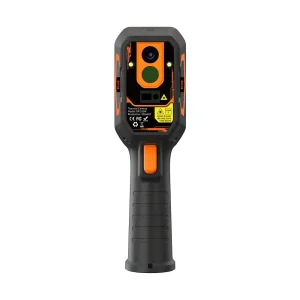
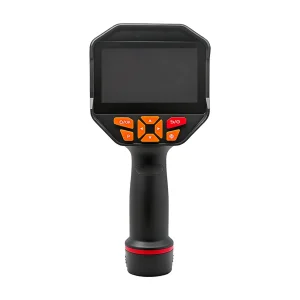
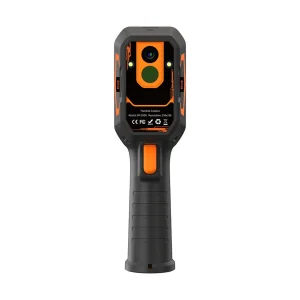
In addition to exterior road monitoring, specialized thermal sensor setups are deployed during Electric Vehicle (EV) testing and prototype development. High-resolution handheld imagers (such as our DP-64D and DP-38D series) and chassis-mounted thermal arrays allow engineers to continuously monitor battery module heat distribution, identifying thermal runaway risks, busbar hot spots, and brake fade dynamics in real time.
Procuring thermal camera components directly from Shenzhen Dianyang Tech provides international buyers with an unmatched balance of technological innovation, rapid production scaling, and BOM (Bill of Materials) cost optimization.
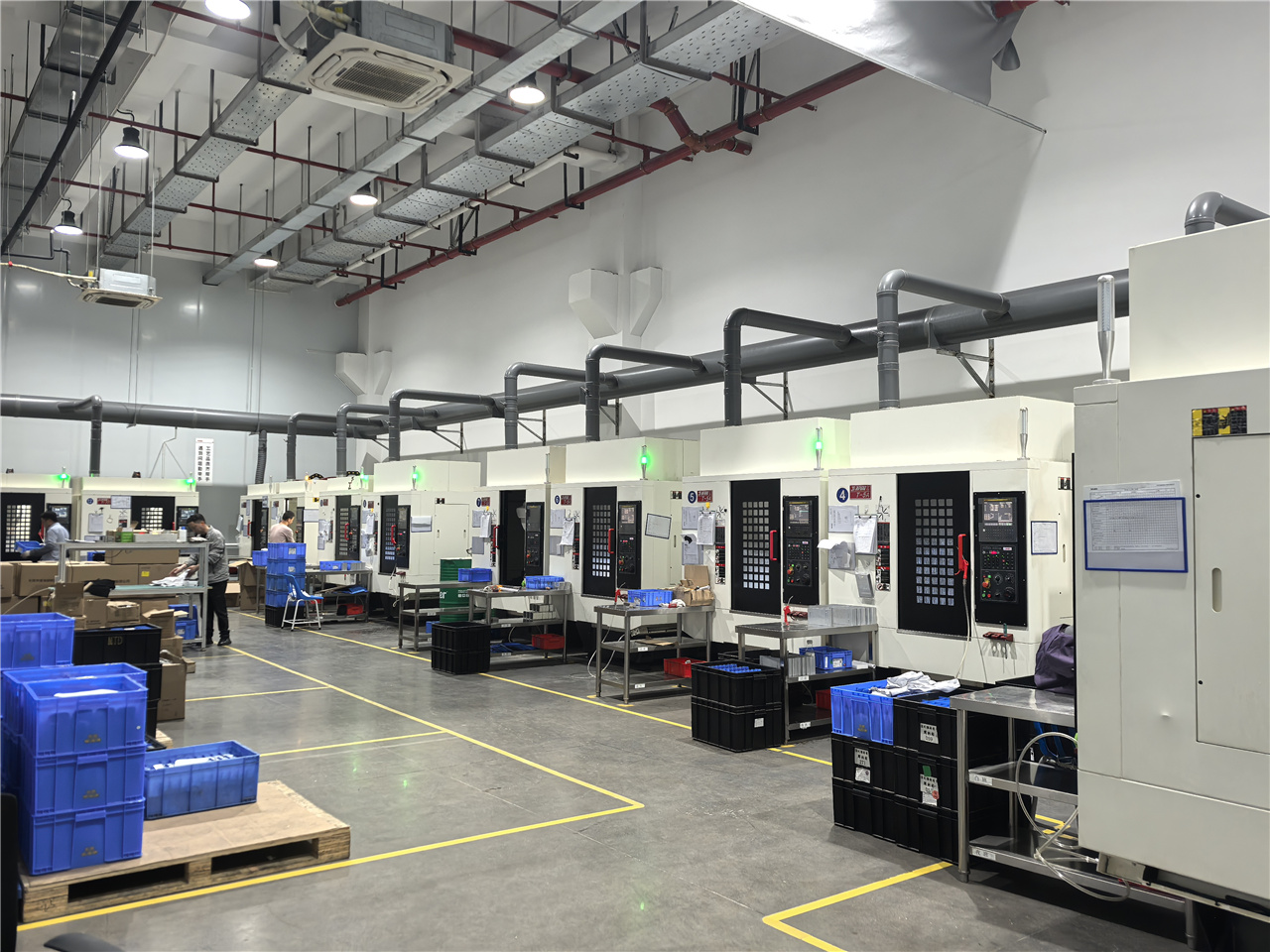
Situated in the heart of the global electronics capital, Dianyang leverages immediate access to raw optical germanium crystals, high-yield SMT component suppliers, and precision CNC chassis fabrication. This localized cluster cuts our engineering prototype cycles from months to days.
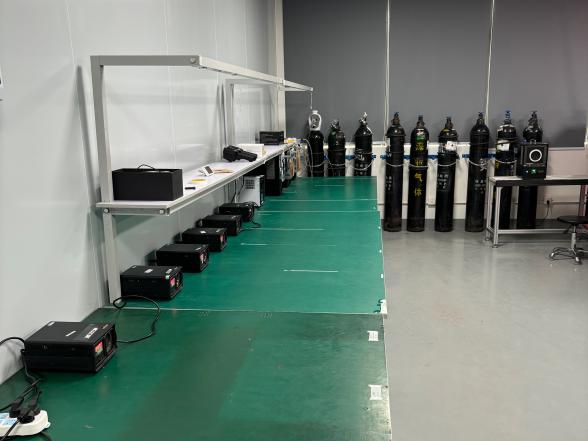
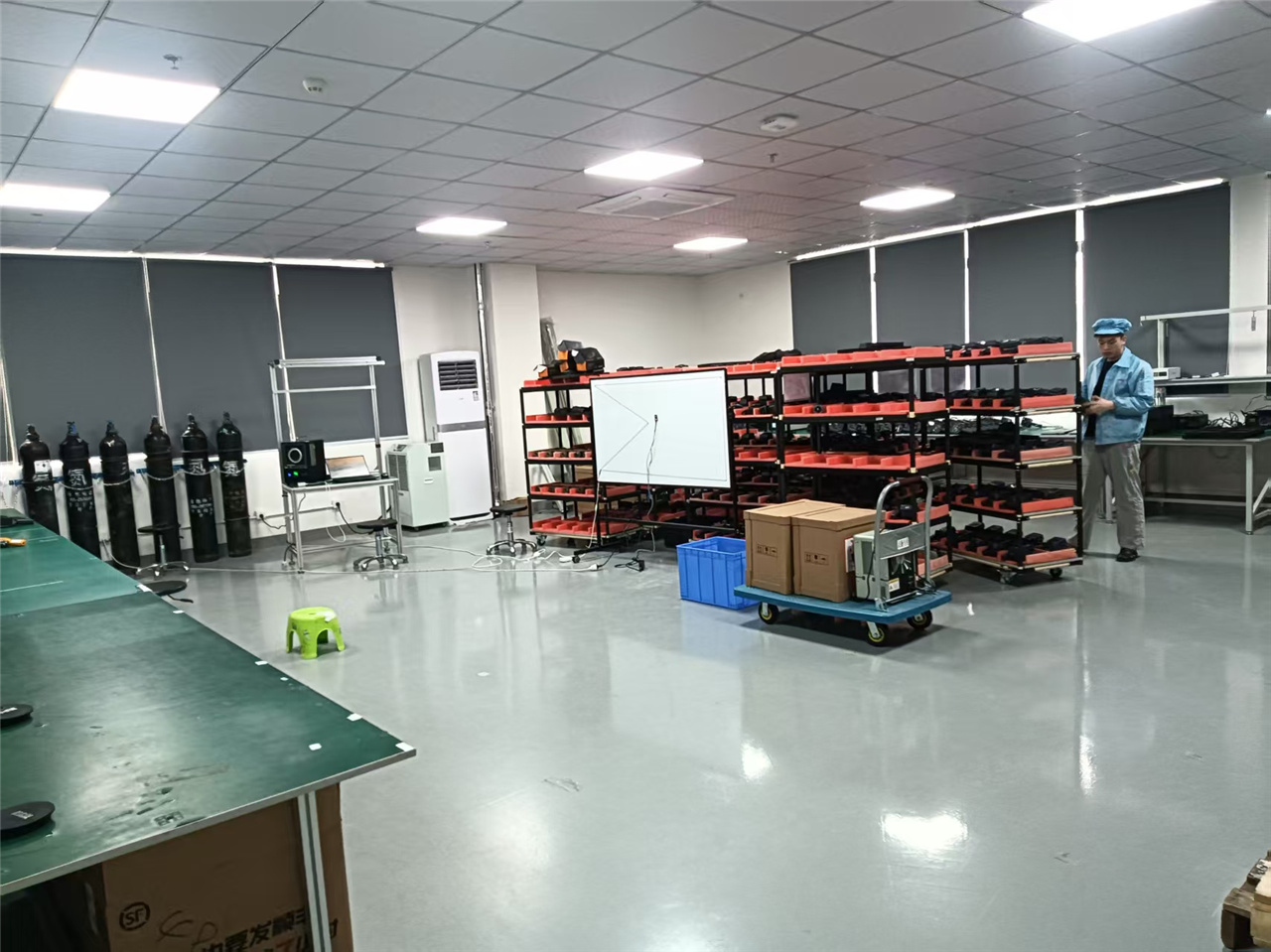
Leveraging our parent company VHD’s Shenzhen Stock Exchange listed governance, every thermal module undergoes rigorous environmental testing, non-uniformity correction (NUC) calibration, and high-low temperature shock cycles (-40°C to +85°C) to guarantee 99.8% factory yield excellence.
By owning the thermal core packaging processes and developing proprietary ISP image processing algorithms in-house, we eliminate Western distributor markups, allowing our global B2B partners to capture market share with aggressive wholesale pricing.
We serve international enterprise buyers, vehicle modification specialists, and Tier 1 system integrators through a fully transparent, step-by-step OEM/ODM engineering workflow designed to minimize project risk.
We review mechanical dimensions, field-of-view (FOV) requirements, lens focal lengths, target detection ranges, and interface constraints (CAN-bus, GMSL2, USB, Ethernet).
Our engineers run thermal load simulations, EMC pre-compliance checks, and optical ray tracing to optimize camera housing contours for vehicle grill or roof integration.
We deliver functional hardware prototypes alongside full C/C++, ROS (Robot Operating System), Linux, and Android SDKs for rapid software integration into target vehicle platforms.
Once client validation is complete, mass production shifts to automated lines under strict ISO 9001 and IATF quality oversight, ensuring identical performance unit after unit.
International compliance is essential for smooth cross-border customs clearance and end-user market adoption. Dianyang ensures all products are backed by certified test reports.
Our hardware and handheld thermal imagers fully comply with major global regulatory standards, supporting client import procedures across North America, Europe, Asia-Pacific, and the Middle East:
Our dedicated engineering team applies Design for Manufacturing (DFM), Design for Testability (DFT), thermal simulation, and EMC pre-compliance analysis to optimize performance and accelerate development. We also support clients in obtaining key certifications such as CE, FCC, RoHS, REACH, CB, UKCA, KC, and PSE.
As the automotive industry transitions toward higher levels of autonomy and connected smart mobility, thermal sensor technologies are evolving rapidly. Dianyang’s R&D team is pioneering three key technical paradigms:
Next-generation car kits will feature built-in Neural Processing Units (NPUs) directly integrated within the camera housing. This enables real-time YOLOv8-based target detection, bounding-box output, and collision warning alerts without consuming processing cycles on the main vehicle central domain controller.
By transitioning microbolometer sensor packaging from metallic vacuum cans to Wafer-Level Packaging (WLP), production costs are expected to decrease significantly over the next three years. This cost optimization will make thermal car kits accessible for standard passenger vehicles.
Future vision platforms will combine Short-Wave Infrared (SWIR) for atmospheric glare reduction with LWIR thermal detection and high-definition RGB video streams into a single hardware enclosure with unified pixel alignment.
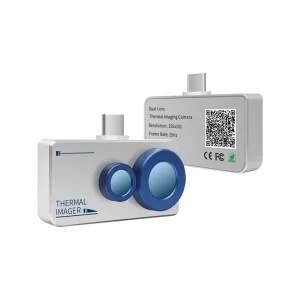
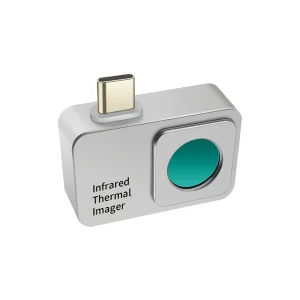
Discover our high-precision handheld imagers and smartphone thermal adapters, ideal for mobile vehicle inspection, electrical maintenance, and field operations.
Find authoritative technical answers regarding purchasing, integrating, and customizing factory-direct thermal camera car kits.
 Dianyang