Explore high-precision handheld thermal imagers and compact mobile hardware modules engineered for critical industrial and security operations.
Quantifiable benchmark standards engineered into our thermal imaging and optoelectronic security architecture.
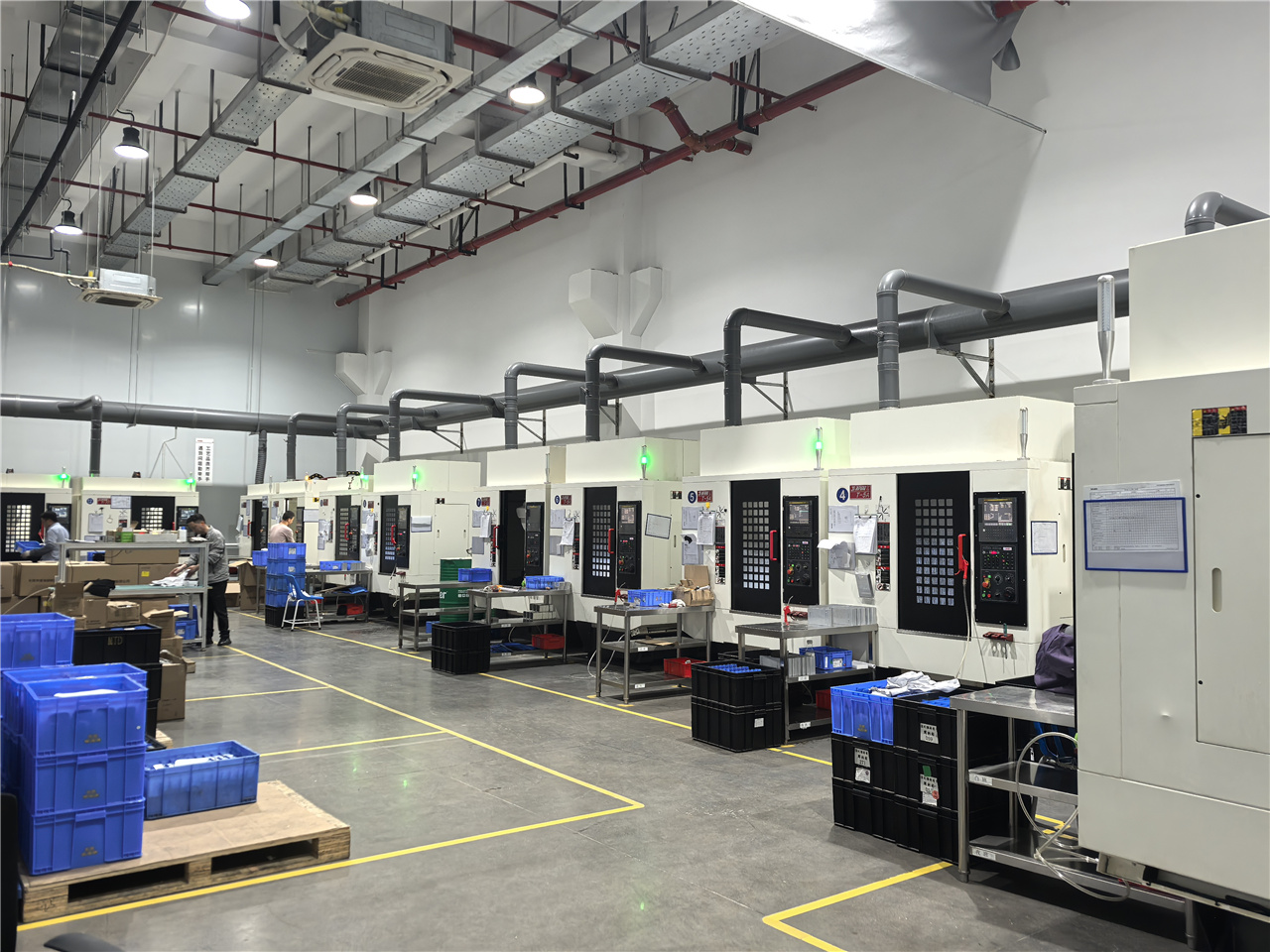
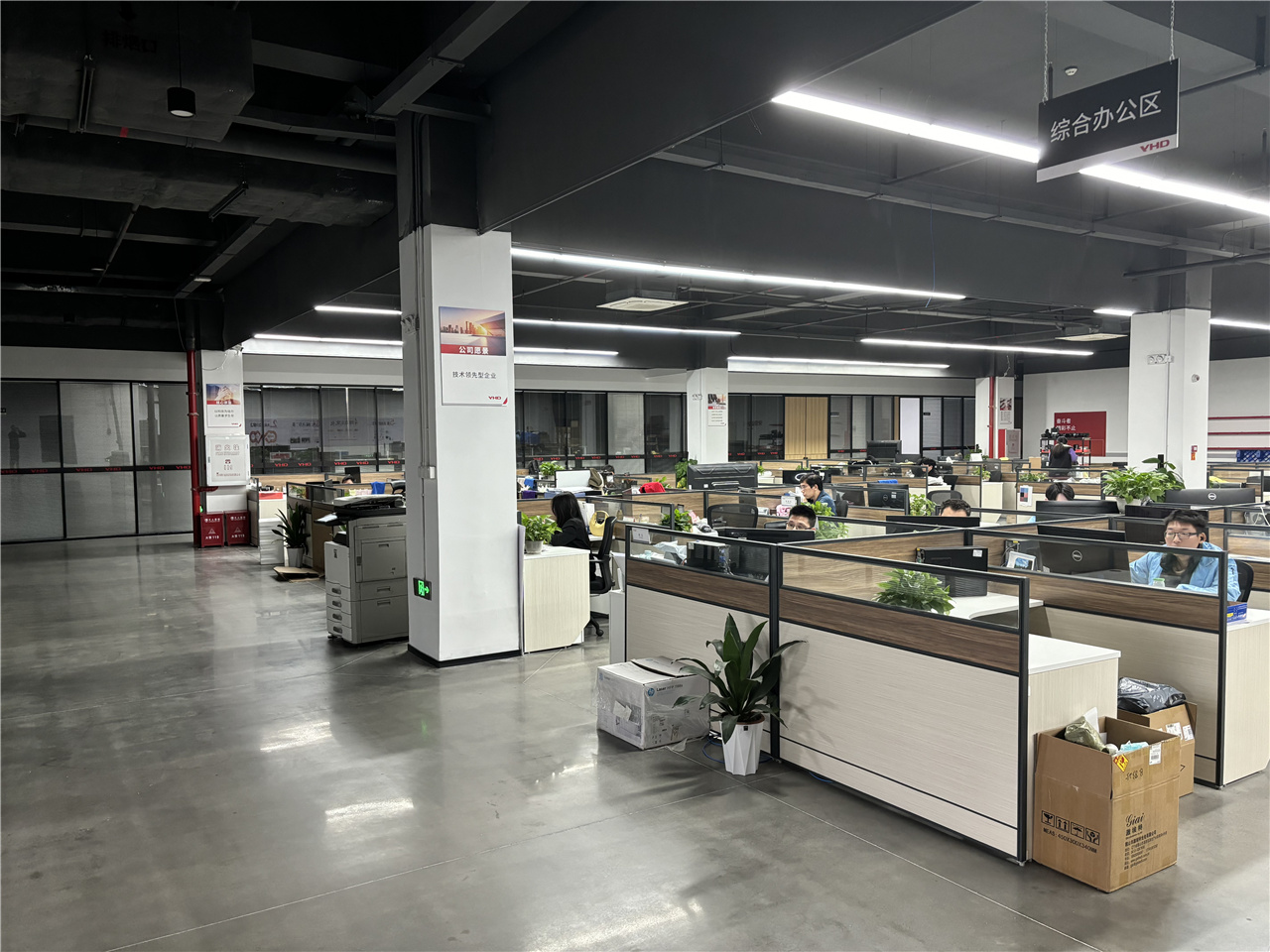
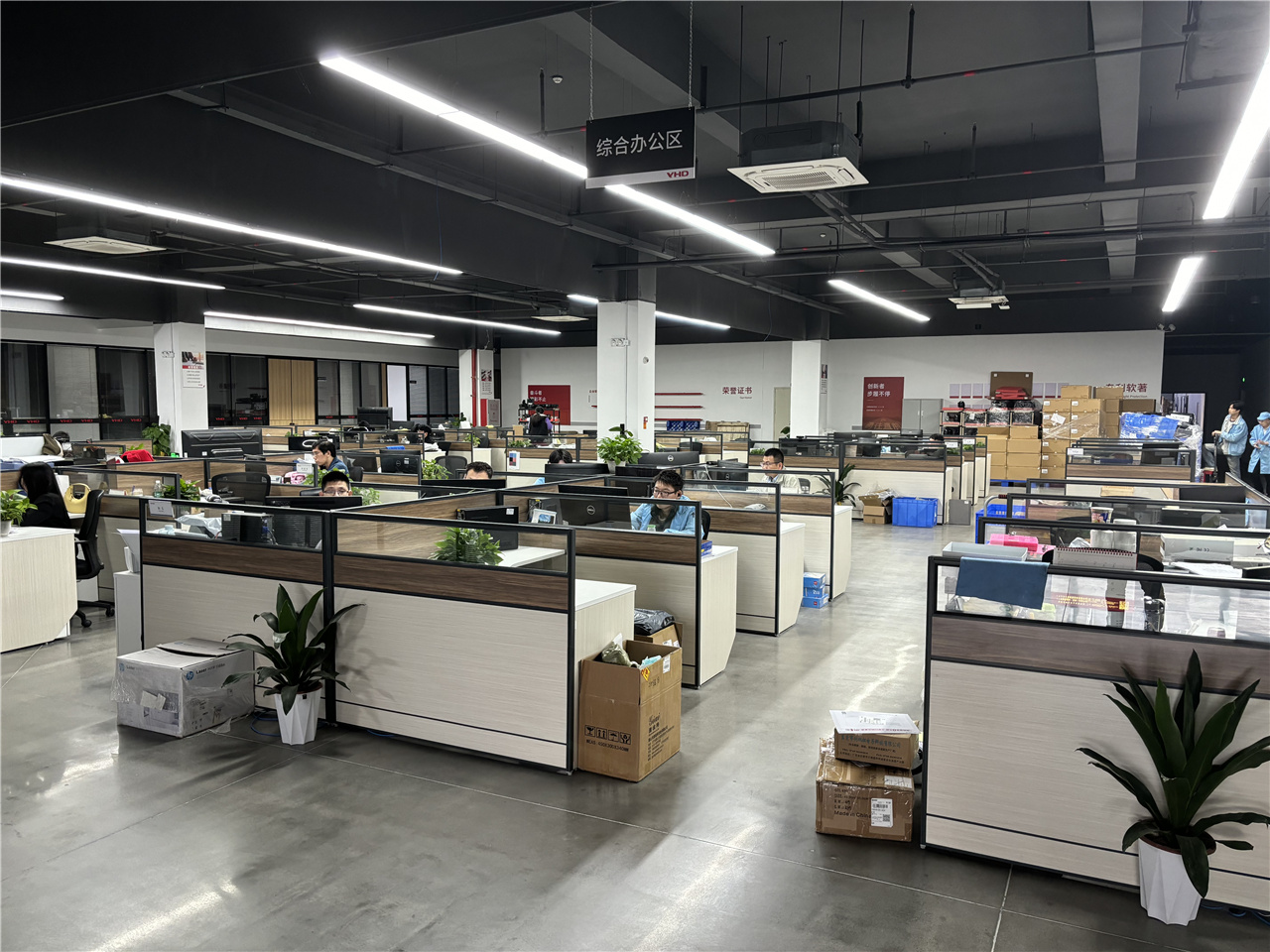
Shenzhen Dianyang Technology Co., Ltd. is a subsidiary of VHD (Shenzhen VHD Technology Co., Ltd.), a publicly listed company on the Shenzhen Stock Exchange. This strategic affiliation gives Dianyang unique access to VHD’s advanced R&D platforms, high-precision manufacturing systems, and rigorous quality management practices—enabling us to deliver thermal imaging products of higher reliability and consistency than typical ODMs.
We specialize in ODM/OEM services for infrared thermal imaging solutions, including handheld thermal imagers, smartphone-connected thermal cameras, thermal analyzers, and thermal imaging telescopes. Our products serve global customers in power inspection, building diagnostics, firefighting, industrial maintenance, and outdoor applications.
Our dedicated engineering team applies Design for Manufacturing (DFM), Design for Testability (DFT), thermal simulation, and EMC pre-compliance analysis to optimize performance and accelerate development. We also support clients in obtaining key certifications such as CE, FCC, RoHS, REACH, CB, UKCA, KC, and PSE.
Analysis of market vectors driving global demand for IR thermography, perimeter monitoring, and predictive industrial safety systems.
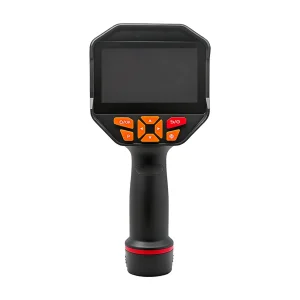
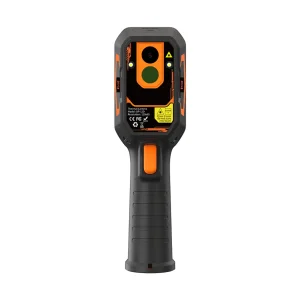
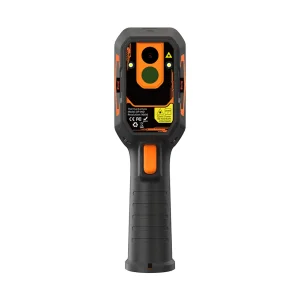
Regulators in the US and Canada have instituted stringent preventative maintenance requirements under NERC CIP standards. Thermal imaging devices—from handheld cameras like the DP-64D (640x512) to automated continuous sensors—are now mandatory assets for transformer monitoring, switchgear inspection, and grid risk mitigation against catastrophic wildfires.
Driven by the EU NIS2 Directive and stringent environmental hazard safety rules (ATEX zones), European industrial complexes demand certified non-contact infrared thermal equipment. Continuous thermal surveillance prevents chemical oxidation fires and volatile organic compound (VOC) thermal ignitions across manufacturing hubs.
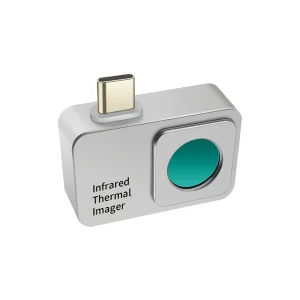
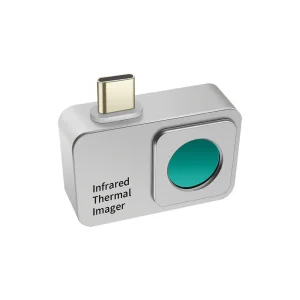
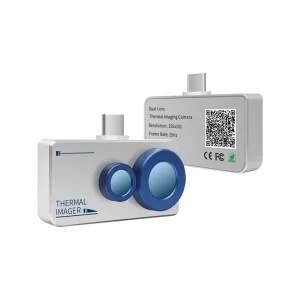
As APAC expands its mega-scale Battery Energy Storage Systems (BESS) and semiconductor fabrication plants, thermal safety monitoring has transitioned from periodic manual checks to 24/7 edge-integrated infrared analytics. Compact mobile thermography platforms, such as the H2FB and H2F6B mobile camera attachments, provide accessible thermal diagnostic capabilities to field personnel.
Understanding the microbolometer physics and radiometric signal processing that power modern infrared safety solutions.
Modern thermal imaging relies heavily on uncooled Vanadium Oxide (VOx) thermal detectors, operating predominantly within the Long-Wave Infrared (LWIR) spectrum spanning 8 to 14 micrometers (µm). Unlike cooled quantum-well sensors that require bulky cryocoolers, VOx microbolometers achieve exceptional Noise Equivalent Temperature Difference (NETD) values below 35mK at ambient operating conditions. This enables the detection of minute temperature differentials as small as 0.035°C—a critical threshold for detecting early thermal anomalies in electrical substations before catastrophic equipment breakdown occurs.
Quantitative security and safety thermography require absolute radiometric calibration. Every pixel in sensors such as the DP-38D (384x288) or DP-25DV (512x384) converts incident infrared radiation into a digital count that is compensated for emissivity (ε), ambient reflected temperature, distance, and atmospheric humidity. Advanced onboard algorithms translate raw radiometry into accurate target temperatures ranging from -20°C up to +550°C, enabling real-time automated threshold alarming.
Real-world engineering applications of thermal diagnostic and security equipment in mission-critical environments.
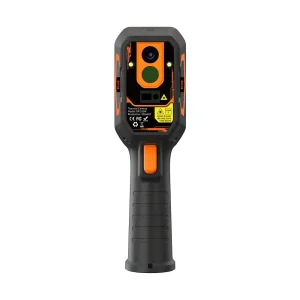
High-voltage busbars, transformer bushings, and disconnect switches undergo thermal stress prior to failure. Field engineers equipped with handheld thermal cameras like the DP-64D or DP-25DR can scan live electrical infrastructure from safe standoff distances, discovering high-resistance connections and phase imbalance hotspots rapidly.
Lithium-ion energy storage facilities risk thermal runaway if single-cell degradation goes undetected. Integrating fixed radiometric sensors and mobile smartphone-connected cameras like the H2FB / H2F6B series enables maintenance crews to detect localized heating patterns during charge/discharge cycles before thermal propagation occurs.
Conventional optical security cameras fail in total darkness, heavy fog, or intense glare environments. LWIR thermal imaging systems detect body heat regardless of visual lighting conditions, rendering camouflage and shadows ineffective for intruders around critical utility perimeters, data centers, and military installations.
Industrial facility managers utilize low-resolution to mid-resolution thermal tools like the DP-12D (120x90) and DP-09D to audit thermal bridge loss, air leakage, moisture infiltration within insulation, and localized HVAC duct clogging, driving down enterprise energy consumption costs.
Strategic hardware and software evolutions transforming thermal imaging security systems over the next decade.
Transitioning from standard 12-micrometer pixel pitch to sub-10-micrometer microbolometers allows higher pixel density in smaller footprints, significantly reducing optic sizes while preserving optical clarity and detection distances.
Integration of dual-spectrum visual and infrared imaging engines powered by onboard neural processors. Real-time edge AI overlays edge vectors onto thermal radiometry, creating high-contrast fused security video feeds.
Deploying miniaturized thermal core payloads on autonomous UAVs and robotics for automated linear asset inspections (powerlines, pipelines) with continuous automated cloud radiometry analysis.
Structured procurement pathways for global enterprises requesting quotes, custom OEM modifications, and bulk manufacturing.
When purchasing thermal imaging products or requesting quotes for custom engineering, enterprise buyers should specify key technical parameters to streamline supplier response times:
Technical guidance and commercial inquiries regarding IR security hardware, OEM customization, and thermographic safety systems.
Uncooled Vanadium Oxide (VOx) sensors provide high thermal sensitivity (NETD < 35mK to < 50mK) without requiring mechanical cryocoolers. This results in significantly lower power consumption, zero cooling maintenance, instantaneous warm-up times, extended operational lifespan (>40,000 hours MTBF), and compact form factors ideal for portable and fixed thermal security monitoring.
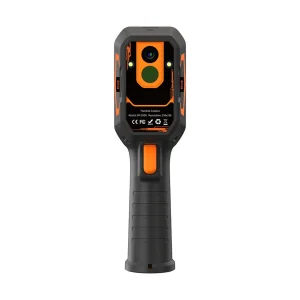
Smartphone-connected thermal modules leverage the host smartphone's processing power, high-resolution screen, and network connectivity, allowing for an exceptionally compact hardware footprint at a lower cost. Standalone handheld imagers (such as the DP-64D or DP-38D) feature ruggedized industrial housings (IP54/IP67), integrated laser rangefinders, dual visual/IR cameras, and specialized ergonomic grips designed for intensive full-day inspection tasks in harsh environments.
Yes. As a subsidiary of publicly listed VHD, Shenzhen Dianyang provides end-to-end OEM/ODM custom development. Our engineering capabilities cover optical design, custom PCB layout, firmware integration, Android/iOS software SDK development, thermal simulation, DFM/DFT analysis, and support for global regulatory certifications including CE, FCC, RoHS, UKCA, KC, and PSE.
Key factors include target emissivity, atmospheric distance, ambient reflection, relative humidity, and solar radiation loading. Dianyang professional thermal cameras include customizable emissivity correction tables (ε = 0.01 to 1.00) and automatic ambient reflected temperature compensation algorithms to maintain accurate temperature measurement (+/-2°C or +/-2%) under fluctuating field conditions.
Browse our complete lineup of professional-grade thermal inspection equipment, mobile adapters, and certified thermal camera units.
 Dianyang