Explore our top-tier catalog of handheld, mobile, and fixed dual-light infrared thermal screening hardware manufactured under international ISO quality standards.
Understanding key engineering metrics, optical architecture, and supplier validation protocols when procuring non-contact thermal screening infrastructure.
In high-throughput environments such as international airports, border crossings, public transport hubs, healthcare facilities, and corporate headquarters, non-invasive mass body-temperature evaluation has become a core operational requirement. Procurement decision-makers searching to buy infrared fever screening system products face a complex market filled with varying optical detectors, thermal sensitivity ratings, algorithmic competencies, and compliance certifications.
A true enterprise-grade infrared fever screening system goes beyond standard handheld radiometric thermometers. It integrates uncooled Vanadium Oxide (VOx) microbolometer arrays, continuous automated thermal calibration using external reference standard blackbody sources, AI-driven facial feature identification (avoiding false alarms from warm objects like coffee cups or hot engines), and compliance with global safety standards. Selecting the proper equipment manufacturer requires examining both physical component engineering and algorithmic capabilities.
Information Gain Insight: System-level accuracy depends heavily on NETD (Noise Equivalent Temperature Difference) combined with real-time emissivity compensation and localized ambient temperature dynamic balancing. Selecting sensors with NETD < 30mK ensures detection of sub-degree skin temperature variations.
Core hardware components, optical physics, and edge software frameworks that define elite-tier thermal fever detection systems.
The core of an infrared system lies within its FPA (Focal Plane Array) detector. Modern industrial architectures utilize uncooled Vanadium Oxide (VOx) microbolometer technology operating within the Long-Wave Infrared (LWIR) spectrum (8μm to 14μm). VOx sensors offer superior thermal stability, lower temperature drift, and extended operational lifespans compared to amorphous Silicon (a-Si) alternatives.
Pure thermal images lack visible contextual detail. High-efficiency fever screening relies on dual-spectrum optical positioning, overlaying high-definition visible RGB camera sensors (up to 4K resolution) with long-wave infrared arrays.
Uncalibrated infrared sensors can experience thermal drift when ambient environmental temperatures shift. To maintain hospital-grade accuracy (±0.3°C), continuous system calibration using a Blackbody Radiator standard is necessary.
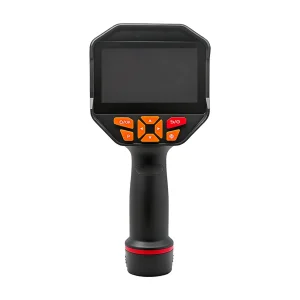
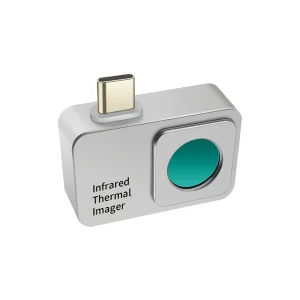
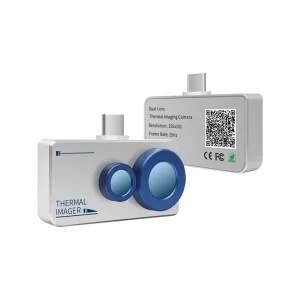
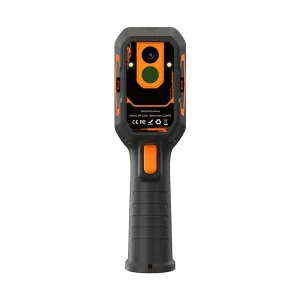
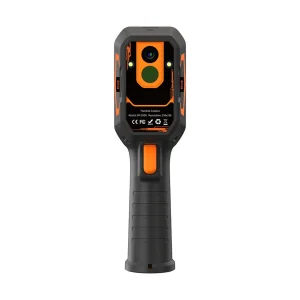
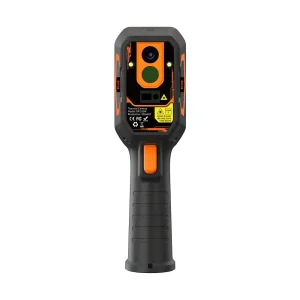
| Feature / Parameter | Handheld Thermal Imager (e.g., DP-38D / DP-25DV) | Mobile-Connected Unit (e.g., H2FB / H2F6B) | Fixed Dual-Spectrum Station (e.g., DP-64D Series) |
|---|---|---|---|
| Primary Deployment | Mobile Spot-checking, Security Checkpoints | Field Diagnostics, HVAC, On-the-go Inspections | High-Volume Mass Mass-Screening Gates |
| IR Sensor Resolution | 256×192 / 384×288 VOx | 256×192 VOx Core | 384×288 / 640×512 HD VOx |
| Temperature Accuracy | ±0.5°C (Standard industrial range) | ±0.5°C or ±2% | ±0.3°C (With Blackbody Calibration) |
| Optimal Detection Range | 0.5m – 2.5 meters | 0.2m – 1.2 meters | 1.5m – 6.0 meters |
| Throughput Capability | 1 person at a time | 1 person at a time | Up to 30 targets simultaneously |
| SDK & Software Integration | USB / Local Storage Export | Android/iOS App API | ONVIF, RTSP, SDK for Turnstiles & BMS |
Key shifts shaping thermal technology investments across international infrastructure and corporate enterprises.
Global procurement teams prioritize total cost of ownership (TCO) over initial sticker price. Legacy single-purpose fever screening systems often become underutilized assets once high-alert health emergencies decline. Modern procurement frameworks favor multi-purpose dual-spectrum thermal platforms that can seamlessly transition between public health temperature screening and perimeter security, electrical panel monitoring, or building energy loss inspection.
Modular SDKs, compatibility with existing Building Management Systems (BMS), and standard communication protocols (ONVIF Profile S/G, RTSP, RESTful APIs) allow rapid redeployment across security and maintenance workflows.
Centralized cloud analytics can introduce bandwidth congestion and processing latency when processing multiple HD thermal and optical video streams. The industry standard has moved decisively toward Edge-AI computing embedded directly within camera processors.
By conducting facial detection, thermal mapping, and anomaly classification locally at the camera level, response latency drops below 50 milliseconds. Immediate local alerts—such as strobe flashes, audio prompts, or automated turnstile locking—can occur in real-time, preventing potential cross-contamination at entry points.
Leveraging vertical integration, OEM/ODM agility, and strategic component sourcing from the world's electronics capital.
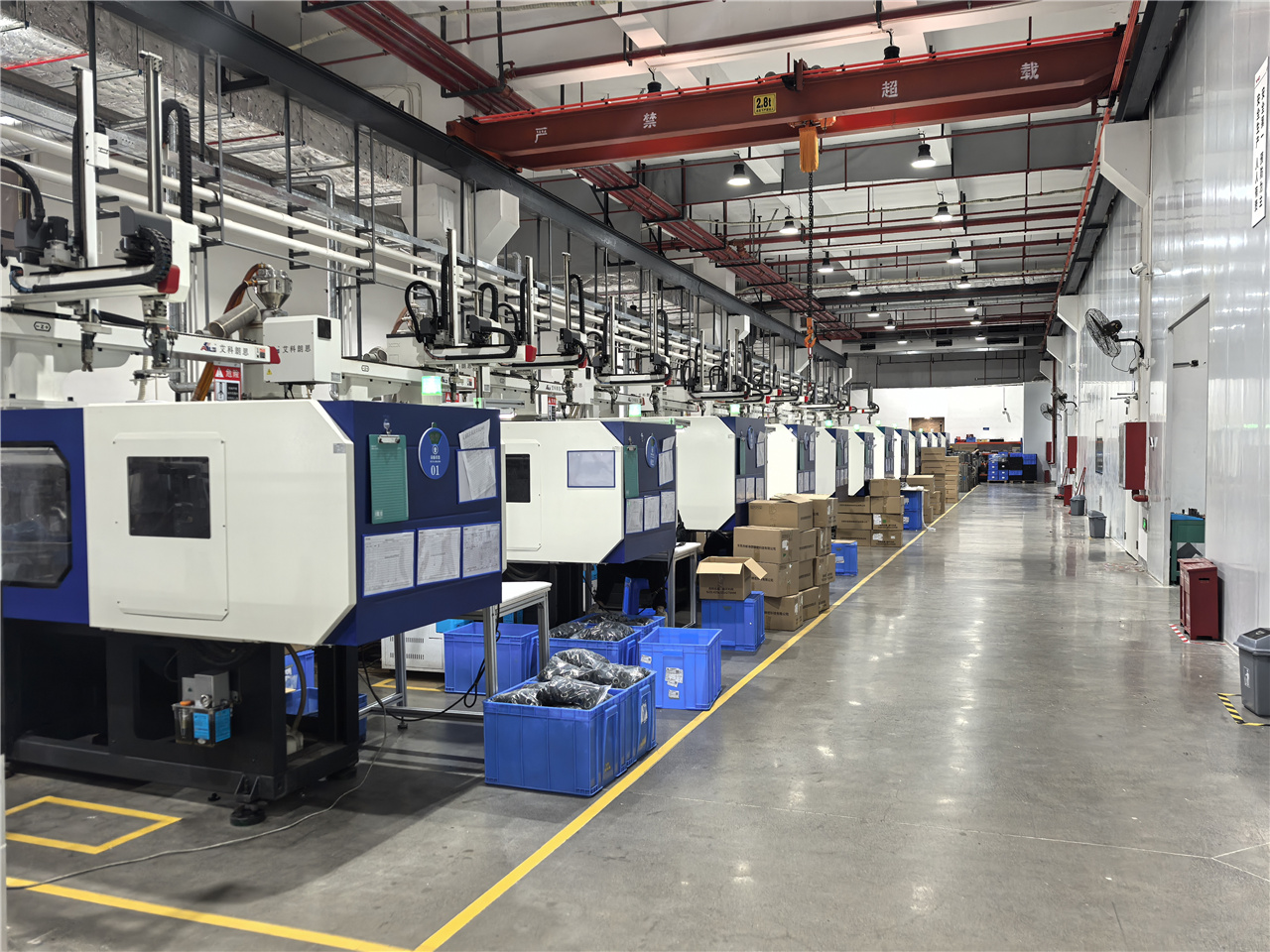
Shenzhen's manufacturing ecosystem enables rapid prototyping and assembly of specialized optical assemblies, including high-purity Germanium (Ge) lenses, chalcogenide glass optics, and precision optical coating facilities.
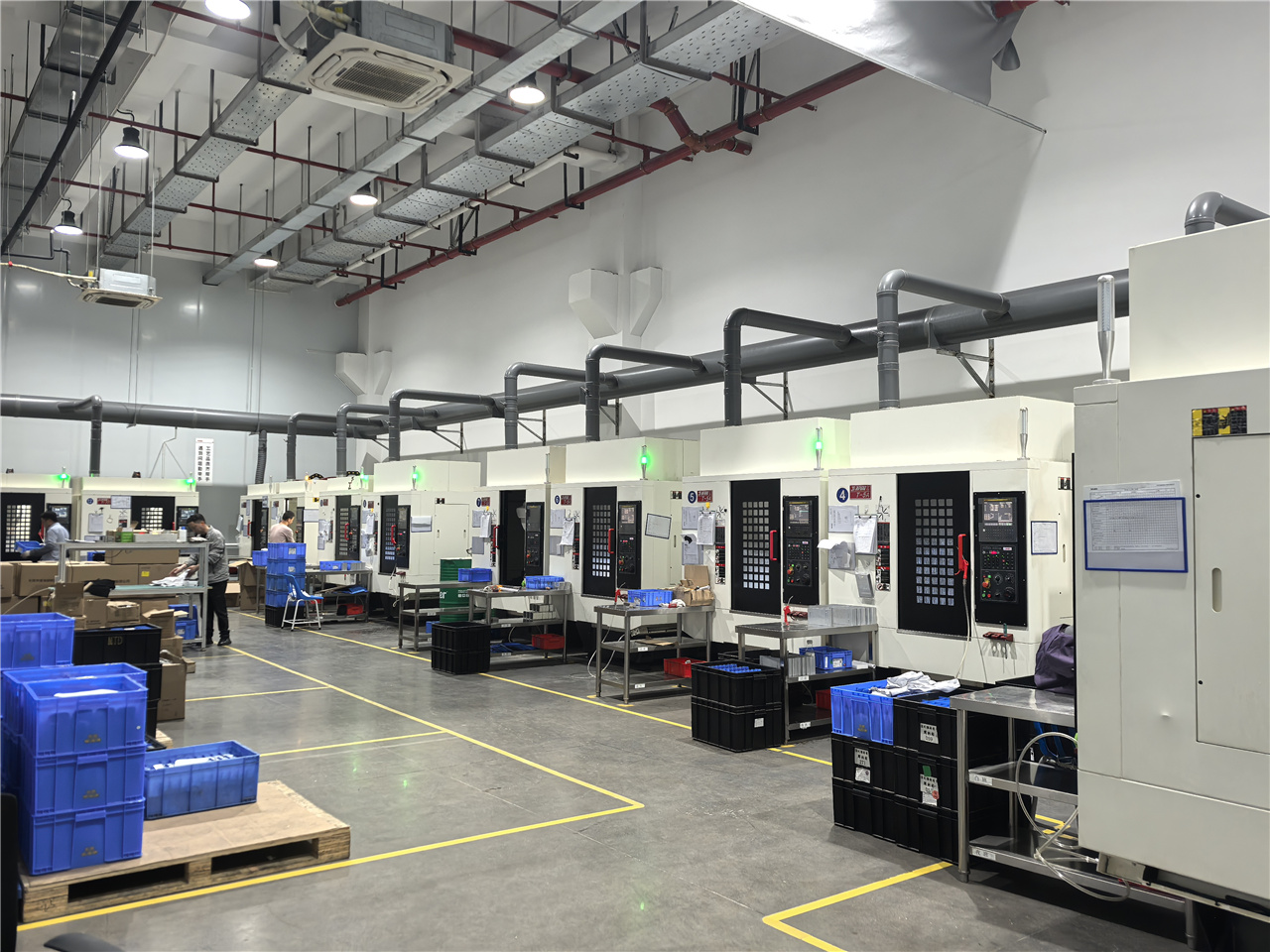
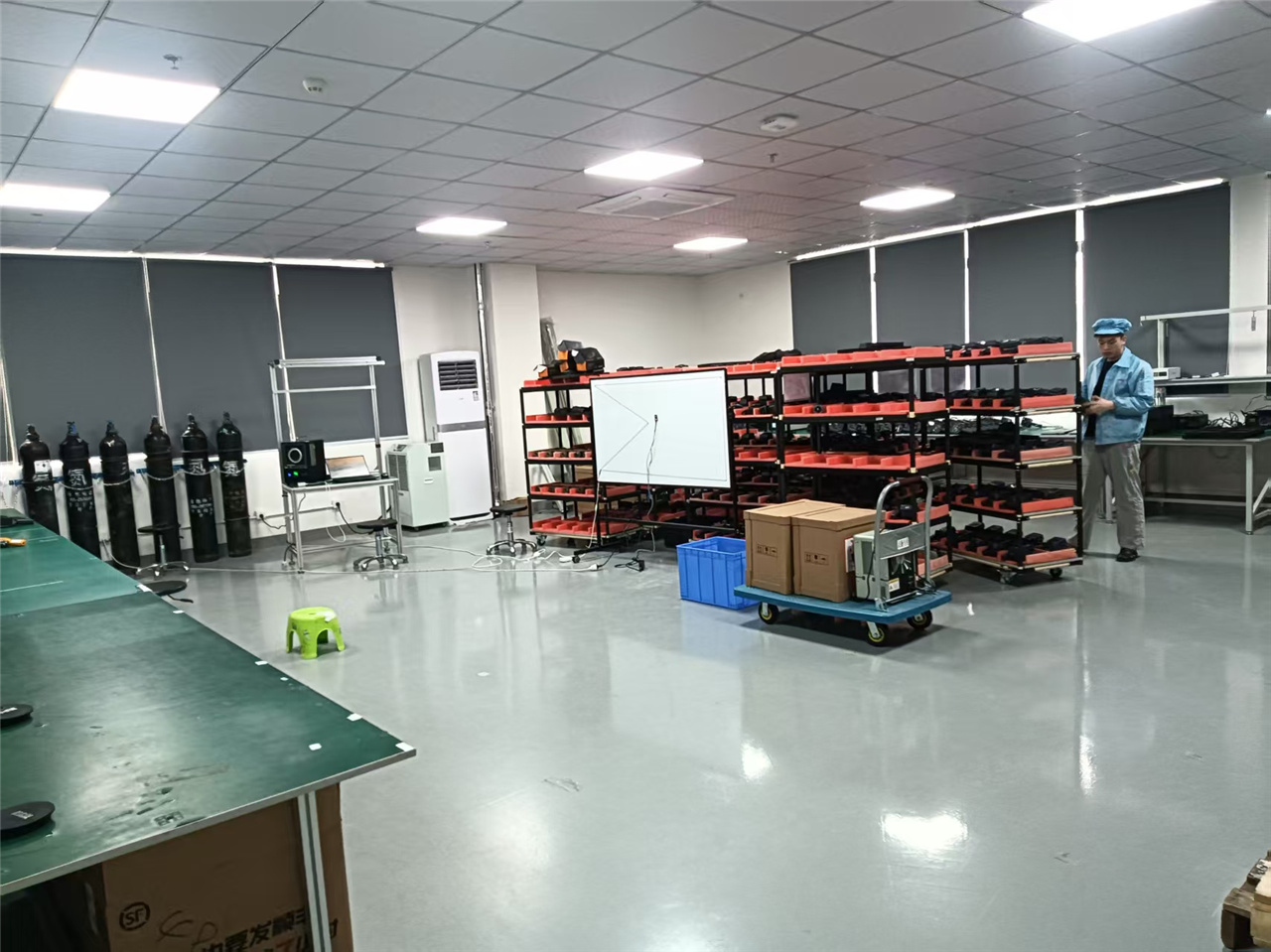
Our engineering teams utilize Design for Manufacturing (DFM) and Design for Testability (DFT) principles. Thermal simulation models and automated optical alignment systems ensure consistent quality across mass production runs.
Direct factory partnership eliminates intermediary markups. Scalable production lines allow fast delivery for large-scale enterprise deployments, emergency public sector tenders, and custom OEM product requests.
Meeting global market requirements with international certifications, privacy protection, and localized technical support.
Commercial deployment across international jurisdictions requires strict compliance with regional electrical safety, electromagnetic compatibility, and medical/screening device standards. Our product catalog undergoes rigorous third-party lab testing:
Body temperature screening equipment operated in public areas must respect personal data privacy. Modern regulatory frameworks like GDPR strictly monitor facial recognition data collection.
Our fever screening platforms feature configurable Privacy Protection Modes: real-time facial feature pixelation, non-biometric thermal logging, and local data auto-purge settings. This ensures your organization maintains security compliance without violating visitor privacy laws.
Tailored operational configurations engineered for specific high-density environment demands.
Installed at passport control, customs channels, and departure gates. Fixed dual-light cameras (such as the DP-64D series) paired with blackbody calibration enable rapid screening of walking pedestrian traffic (1.5 to 5m distance) without forcing passengers to stop, minimizing bottlenecking.
Positioned at emergency room entrances and outpatient registration desks. Systems provide non-contact triage assessment to alert healthcare staff immediately when individuals display elevated skin temperatures, allowing swift isolation protocol activation.
Integrated with turnstile speed-gates and employee access control badge readers. Combines shift-logging with automated health verification, ensuring workforce safety and continuous operational compliance across manufacturing operations.
Listed-Company Subsidiary Backing, World-Class R&D Facilities, and International OEM/ODM Services.
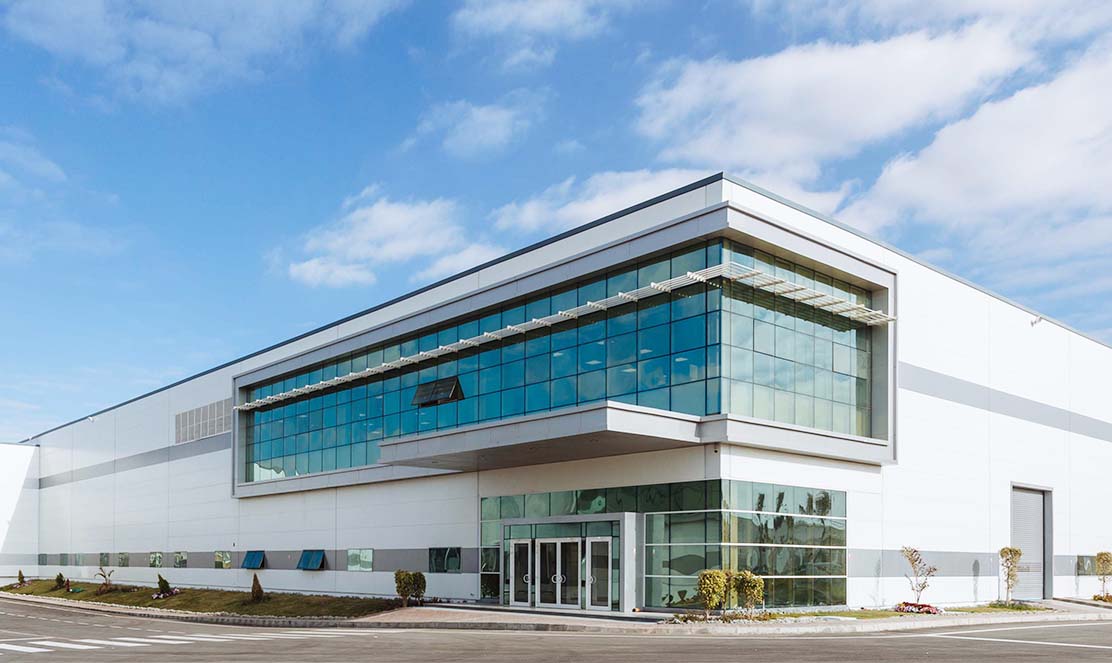
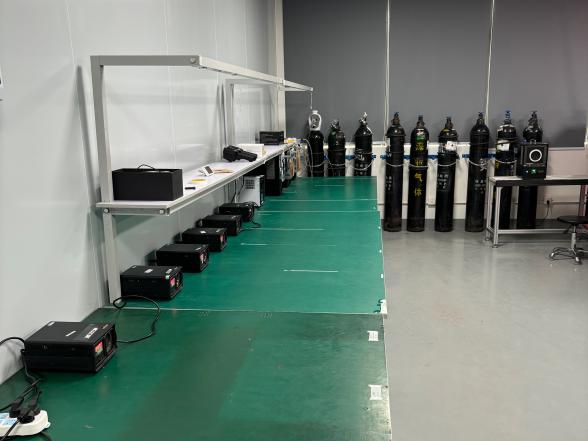
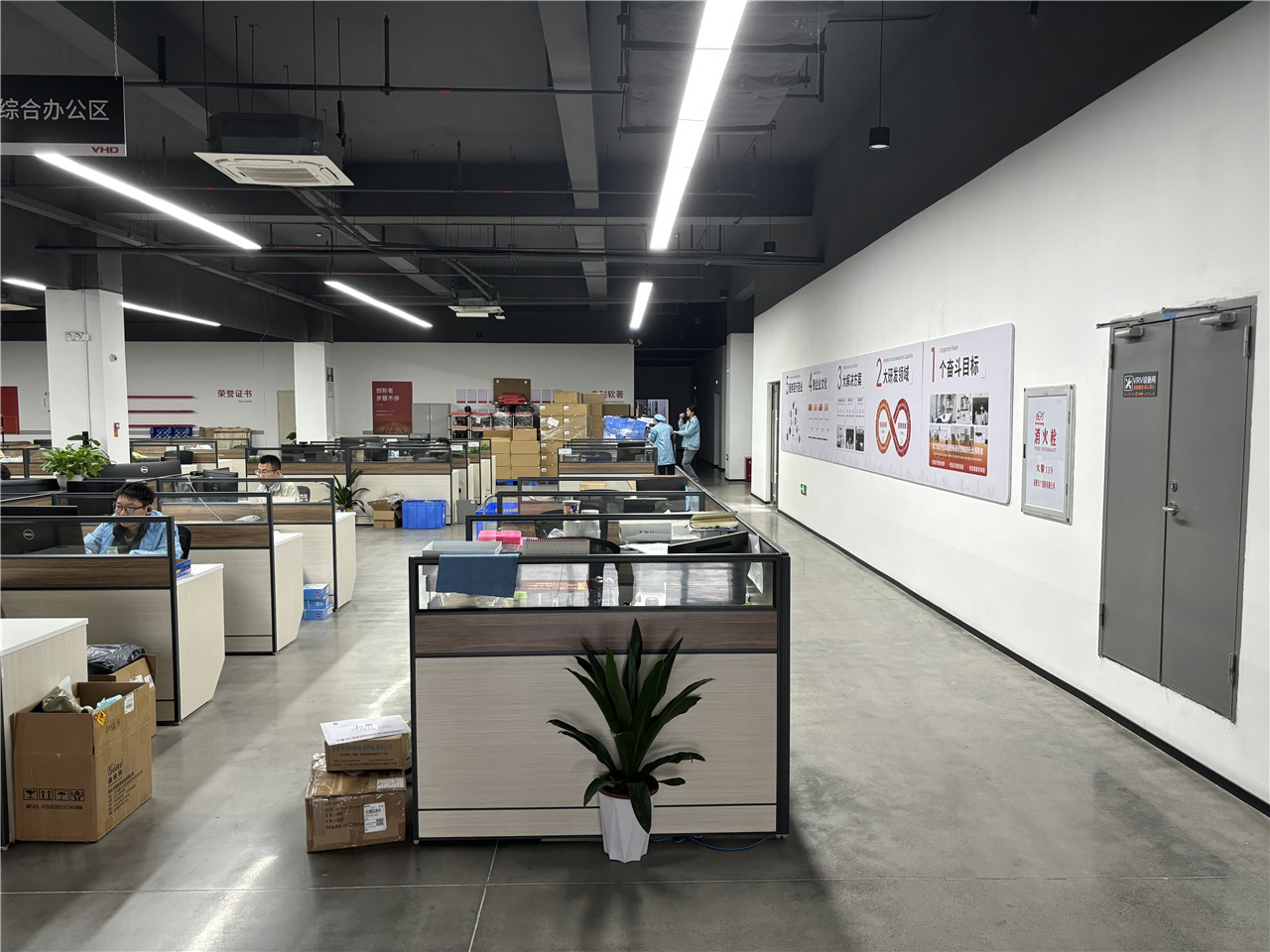
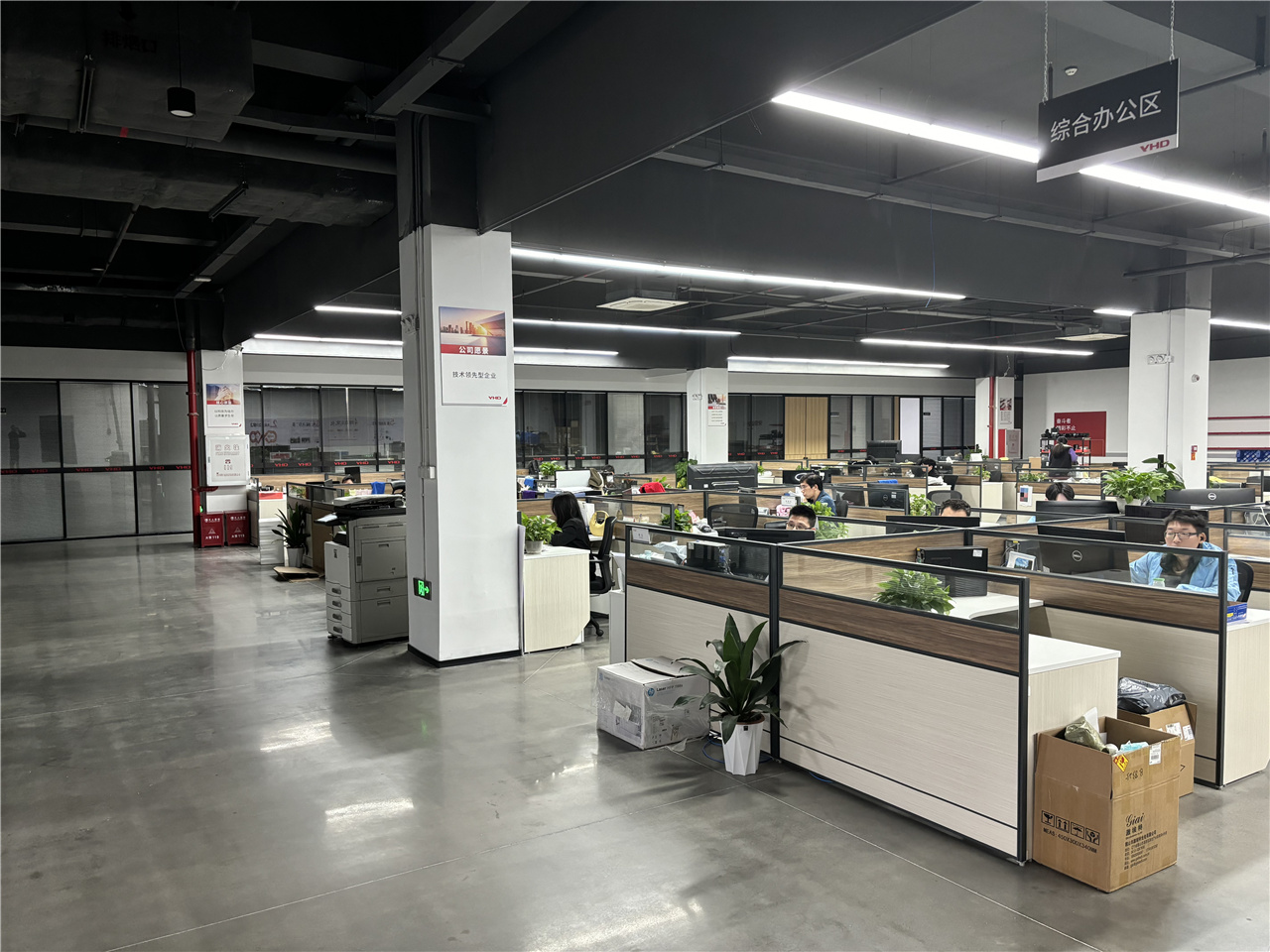
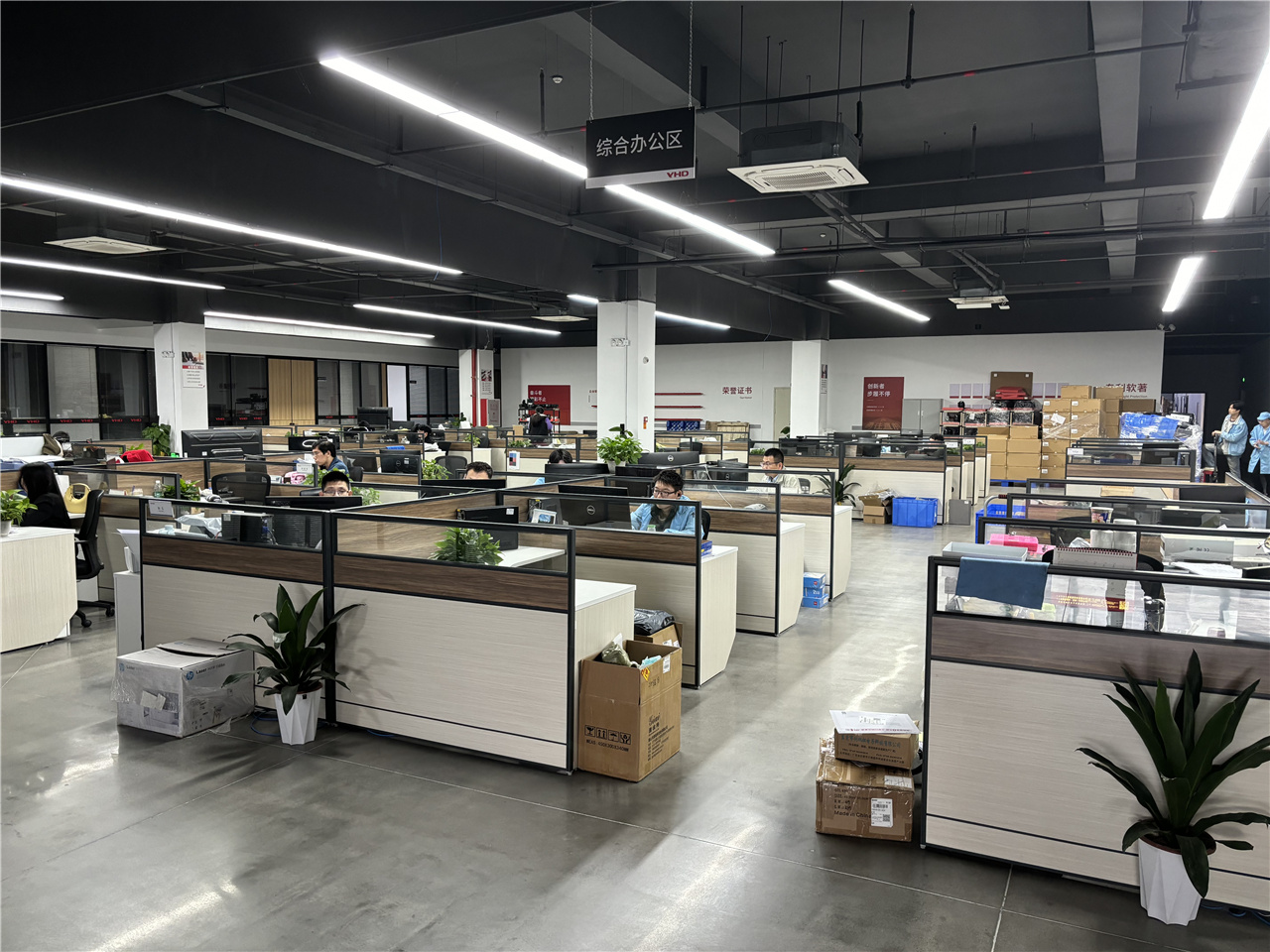
Shenzhen Dianyang Technology Co., Ltd. is a subsidiary of VHD (Shenzhen VHD Technology Co., Ltd.), a publicly listed company on the Shenzhen Stock Exchange. This strategic affiliation gives Dianyang unique access to VHD’s advanced R&D platforms, high-precision manufacturing systems, and rigorous quality management practices—enabling us to deliver thermal imaging products of higher reliability and consistency than typical ODMs.
We specialize in ODM/OEM services for infrared thermal imaging solutions, including handheld thermal imagers, smartphone-connected thermal cameras, thermal analyzers, and thermal imaging telescopes. Our products serve global customers in power inspection, building diagnostics, firefighting, industrial maintenance, and outdoor applications.
Our dedicated engineering team applies Design for Manufacturing (DFM), Design for Testability (DFT), thermal simulation, and EMC pre-compliance analysis to optimize performance and accelerate development. We also support clients in obtaining key certifications such as CE, FCC, RoHS, REACH, CB, UKCA, KC, and PSE.
Answers to common technical, procurement, and deployment questions for technical evaluators and enterprise buyers.
Select from our certified range of professional thermal cameras, smartphone attachments, and high-resolution optical analyzers.
 Dianyang