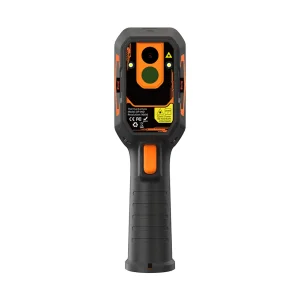
Explore our premier selection of high-resolution thermal imaging equipment directly from China's leading OEM/ODM factory platform.
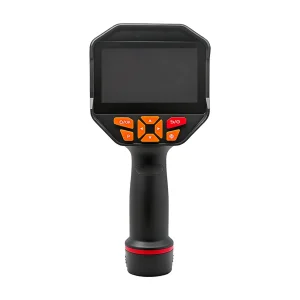
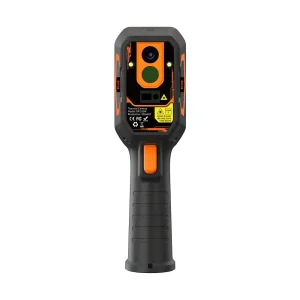
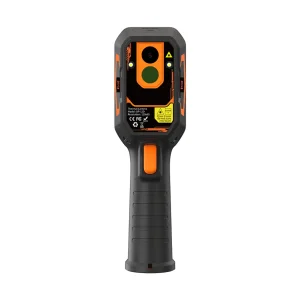
An authoritative analysis on uncooled focal plane detectors, NETD sensitivity, optical physics, and procurement strategies for B2B global enterprises.
Heat seeking thermal imaging technologies have evolved from specialized military applications into an essential pillar of global industrial diagnostic infrastructure, predictive maintenance, security surveillance, building energy auditing, and medical screening. Unlike standard optical cameras that capture reflected visible light within the 400–700 nanometer spectrum, infrared thermal imagers capture Long-Wave Infrared (LWIR) radiation spanning the 8 to 14-micrometer (μm) atmospheric window emitted by object surfaces due to blackbody thermal radiation.
Every object with a temperature above absolute zero (-273.15°C or 0 Kelvin) emits infrared energy governed by Planck’s Law of Radiation and the Stefan-Boltzmann Law ($E = \epsilon \sigma T^4$). Heat seeking thermal imaging systems leverage focal plane arrays (FPA) consisting of uncooled microbolometers—predominantly manufactured using Vanadium Oxide (VOx) or Amorphous Silicon (a-Si) thin films—to detect micro-kelvin temperature differences. These detectors convert incoming radiative heat flux into measurable resistance variations, producing dynamic heat maps (thermograms) with localized temperature readings calibrated across wide operating dynamic ranges.
Technical Insight: High-precision thermal cameras rely on low Noise Equivalent Temperature Difference (NETD). An NETD rating below 40mK (milliKelvin) ensures that subtle thermal gradients—such as phase-to-phase electrical imbalance or moisture intrusion inside multi-layer building envelopes—are clearly resolved with ultra-low thermal noise floor.
Over the past decade, China has transformed into the world's primary innovation hub for optoelectronic sensor research, micro-optics polishing, microbolometer packaging, and automated high-throughput SMT manufacturing. B2B global enterprises sourcing heat seeking thermal imagers from China gain distinct structural advantages across price-to-performance ratio, manufacturing speed, and hardware-software customization depth:
From Germanium (Ge) & Chalcogenide lens diamond turning to raw detector wafer packaging and ASIC signal processing board assembly, China's centralized supply chain reduces component lead times by up to 60% compared to Western manufacturing setups.
Leading Chinese exporters maintain rigorous quality assurance standards, backing equipment with comprehensive international certifications including CE, FCC, RoHS, REACH, CB, UKCA, KC, and PSE to guarantee seamless market access in Europe, North America, and Asia-Pacific.
Global procurement teams can request customized housing molds, branded GUI interfaces, dynamic temperature range shifts (-20°C up to 1200°C), thermal lens focal distance adjustments, and specialized SDK integration for iOS/Android/Windows software ecosystems.
Pioneering precision infrared measurement, high-resolution thermographic systems, and enterprise sensor OEM/ODM solutions.
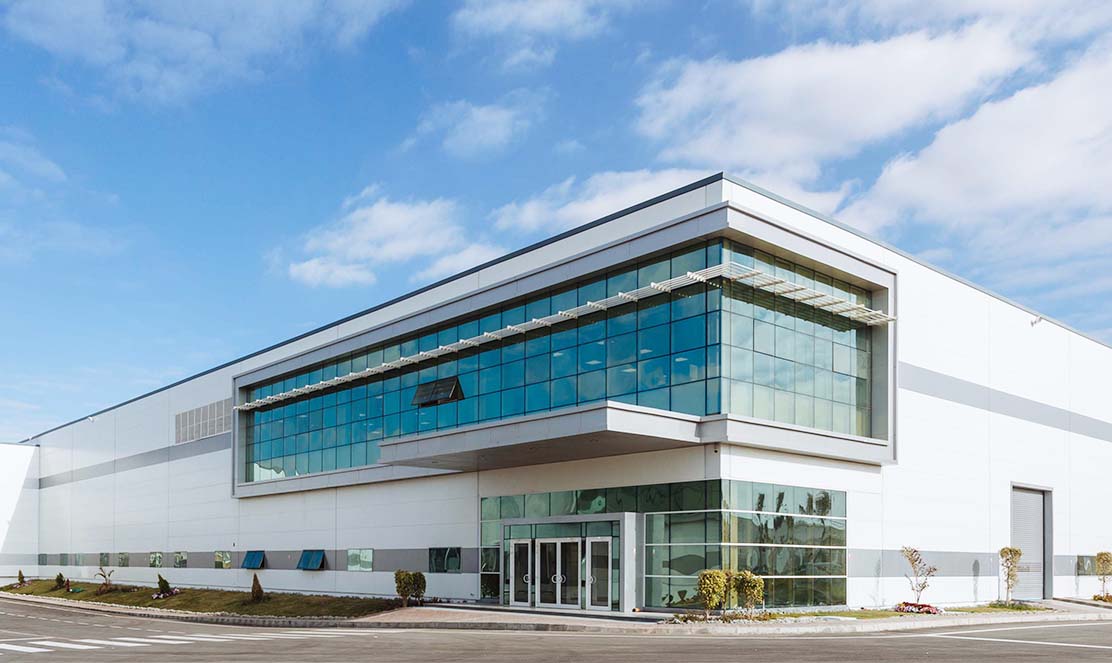
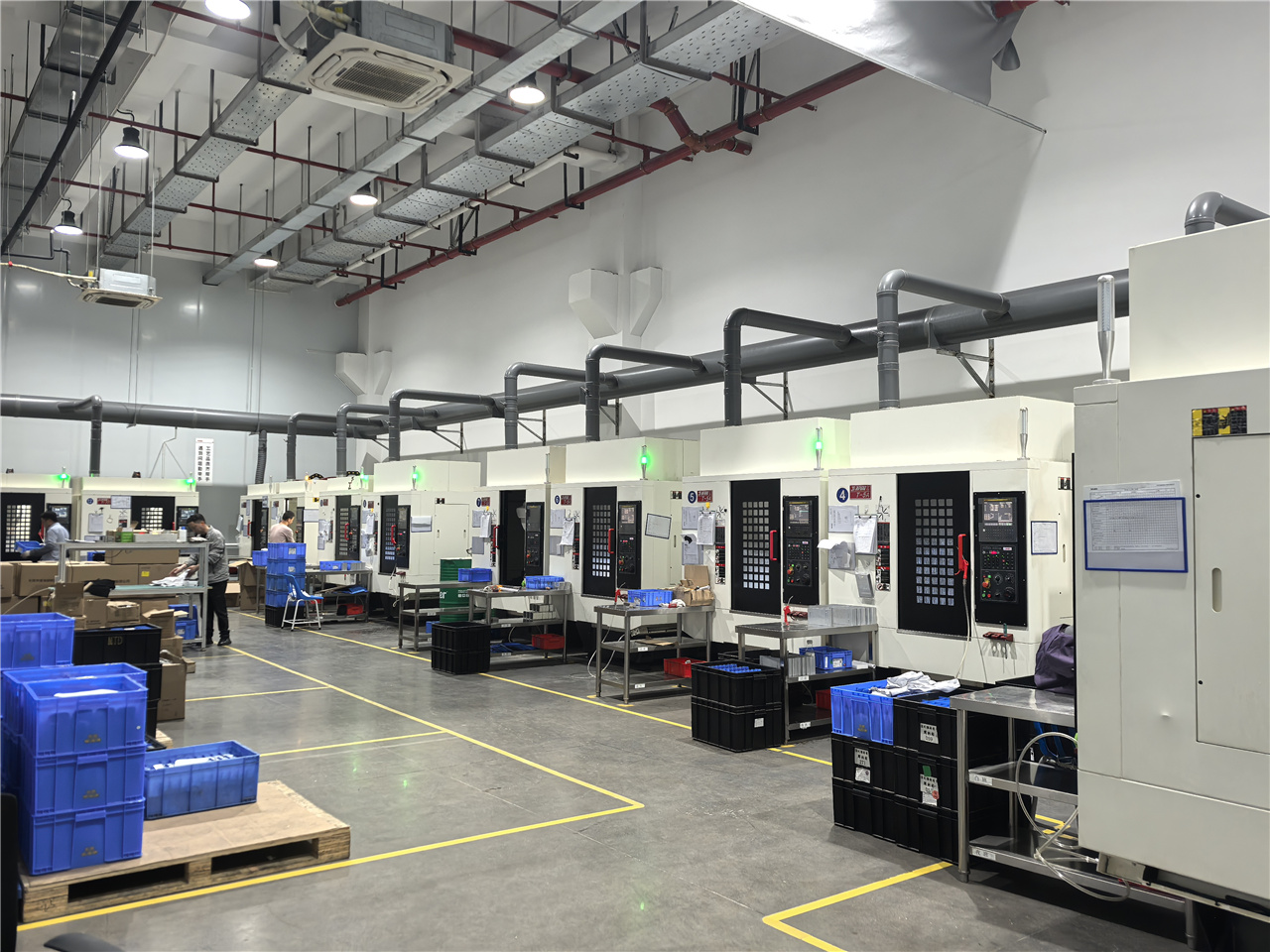
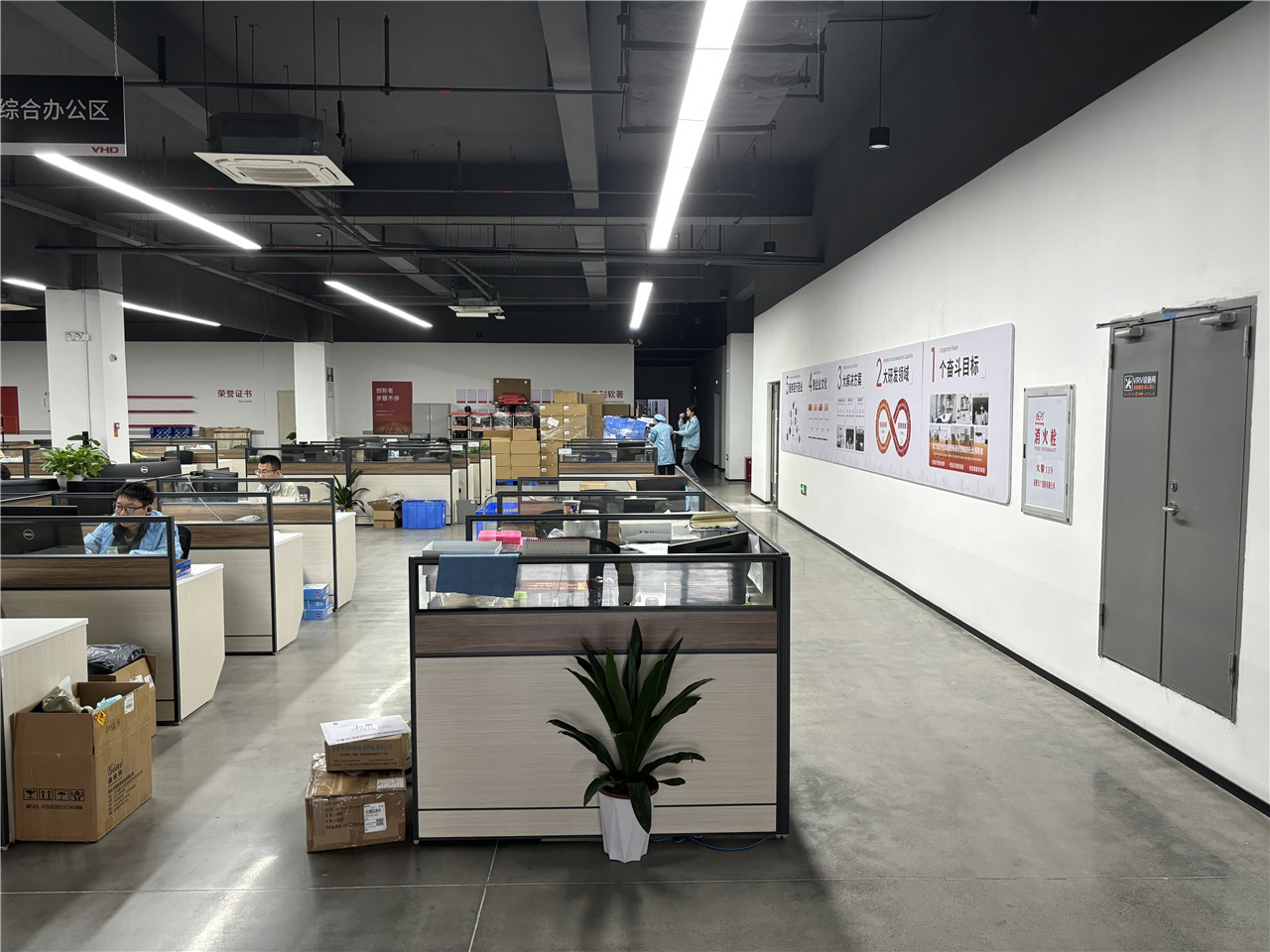
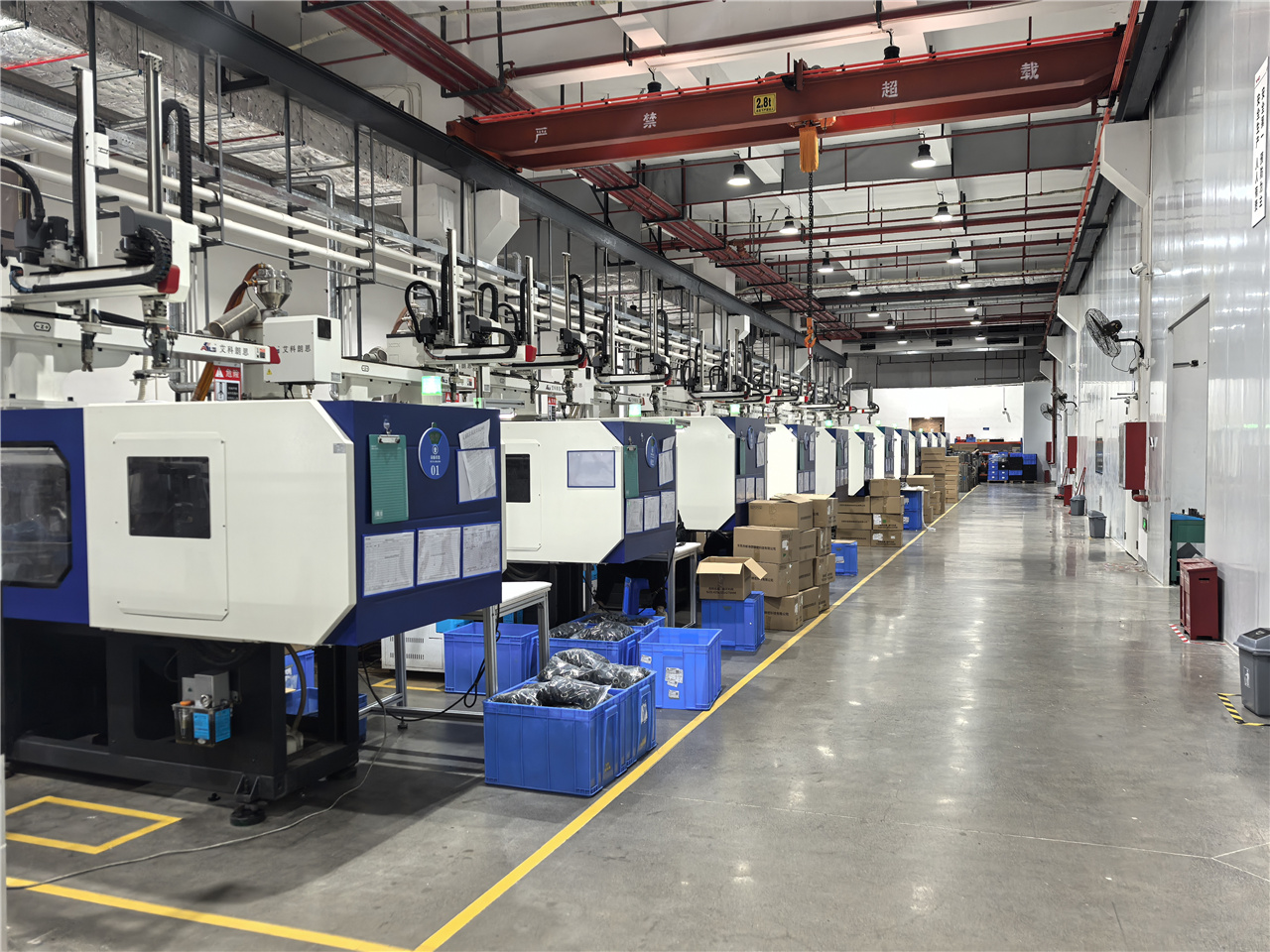
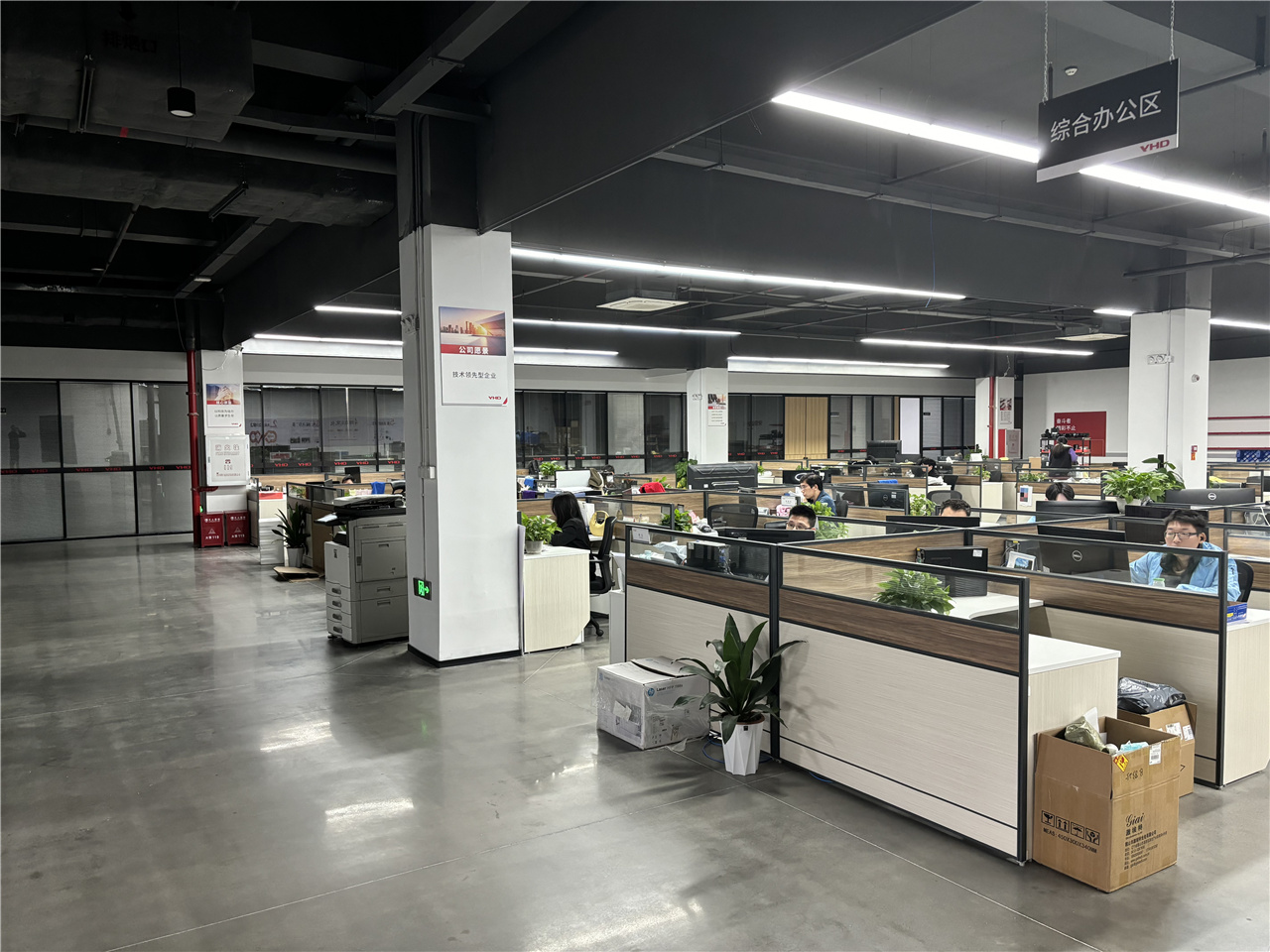
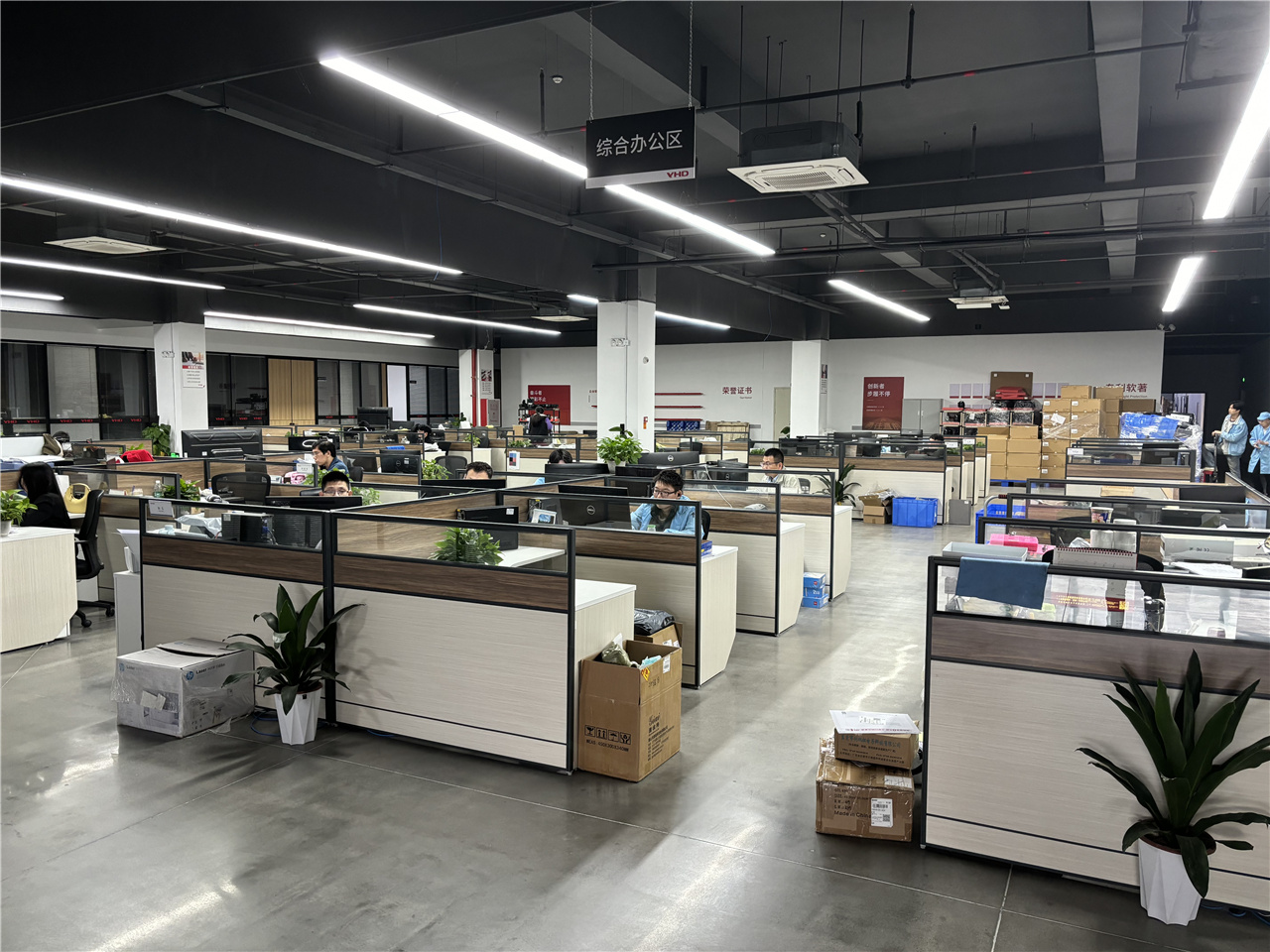
Shenzhen Dianyang Technology Co., Ltd. operates as a key subsidiary of VHD (Shenzhen VHD Technology Co., Ltd.), a publicly listed company on the Shenzhen Stock Exchange. This strategic affiliation grants Dianyang direct access to VHD’s state-of-the-art R&D facilities, high-precision automated manufacturing infrastructure, and multi-tier quality assurance standards.
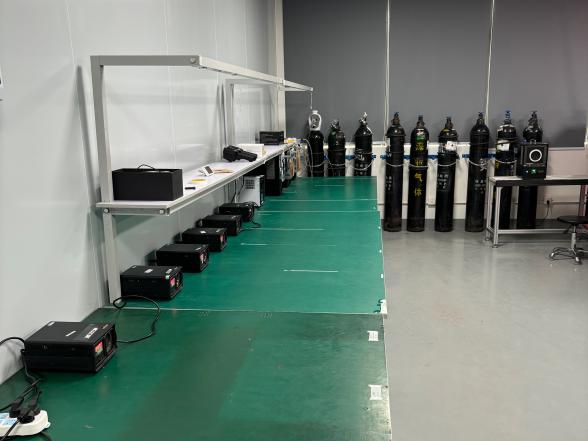
Unlike unverified trading suppliers or low-tier assemblers, Dianyang utilizes advanced Design for Manufacturing (DFM) and Design for Testability (DFT) workflows, thermal equilibrium simulation software, and pre-compliance Electromagnetic Compatibility (EMC) testing labs to deliver consistent quality across bulk industrial orders.
Key operational statistics highlighting Dianyang's thermal imaging export capabilities.
Understanding the technical developments driving next-generation thermal camera adoption worldwide.
Integration of AI Neural Processor Units (NPUs) directly into handheld and fixed thermal sensors allows real-time automatic hot-spot classification, anomaly detection, and automated reporting without relying on cloud bandwidth.
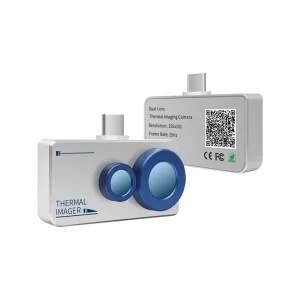
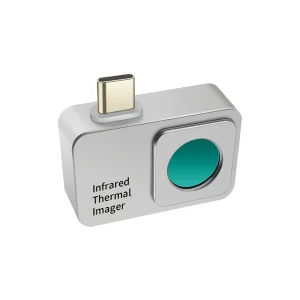
The rise of ultra-compact USB-C mobile phone thermal attachments (such as the H1FB and H2FB series) enables field technicians, HVAC contractors, and plumbers to transform standard smartphones into thermal diagnostic workstations.
Merging visible light spatial outlines with raw infrared heatmap data eliminates ambiguity. Electricians can immediately identify overheating circuit breakers and terminal blocks within high-density distribution panels.
From power infrastructure to building energy diagnostics, our heat seeking thermal cameras deliver high accuracy across mission-critical deployments.
Electrical substations and transmission lines are prone to contact oxidation, loose terminal connections, and transformer overload. Using high-resolution models like the DP-64D (640x512 resolution) or DP-38D (384x288 resolution), power grid inspectors can safely detect thermal signatures of arcing risk and phase imbalance from safe distances under high ambient sunlight.
Thermal bridge leaks, insulation voids, hidden moisture entrapment in flat roofs, and underfloor heating blockages cause substantial energy waste. Mobile phone imagers such as the H2F6B (256x192) provide instant thermographic visualization, allowing building auditors to generate verified thermal reports for energy rating compliance.
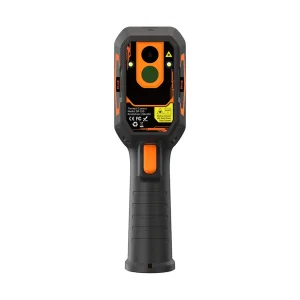
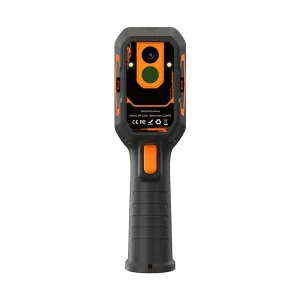
In microelectronics manufacturing, uneven power dissipation causes premature chip failure. Compact handheld devices like the DP-25D and DP-25DR Dual-Light Imager provide high frame rate thermal measurement for continuous monitoring of IC components, power supplies, and battery management systems (BMS).
Operating in zero-visibility conditions, fog, or dense smoke requires robust LWIR thermal optics. Heat seeking sensors bypass visual obstructions to detect body heat, hot embers in forest fires, or unauthorized intruders along perimeter fencing.
Compare detector specifications and dynamic capabilities to select the exact thermal hardware for your business requirements.
| Model Series | Detector Resolution | Temperature Range | Key Feature / Optical Type | Primary Application |
|---|---|---|---|---|
| DP-64D Series | 640 × 512 Pixels | -20°C to 1200°C | Ultra-high resolution, Precision Optics | Heavy Power Grids, Metallurgy, High-Heat Furnace Audit |
| DP-38D Series | 384 × 288 Pixels | -20°C to 550°C | Professional Handheld, High Frame Rate | Industrial Mechanical & Electrical Maintenance |
| DP-25D / DP-25DR | 256 × 192 Pixels | -20°C to 550°C | Dual-Light Fusion Option (DR Series) | Facility Management, PCB Analysis, General Inspections |
| H1FB / H2FB / H2F6B | 160x120 to 256x192 | -20°C to 350°C | Smartphone Plug-and-Play (Type-C) | Mobile Field Diagnostics, HVAC, Plumbing, Auto Repair |
| DP-12D / DP-12DV | 120 × 90 Pixels | -20°C to 400°C | Integrated Laser Pointer, Compact Form | Budget-Friendly Industrial Troubleshooting |
Expert answers regarding thermal camera manufacturing, customization, import procedures, and accuracy calibration.
Explore high-temperature handheld imagers, dual-light systems, and compact mobile diagnostic tools direct from manufacturer.
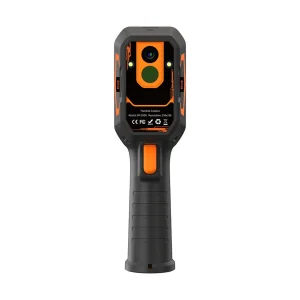
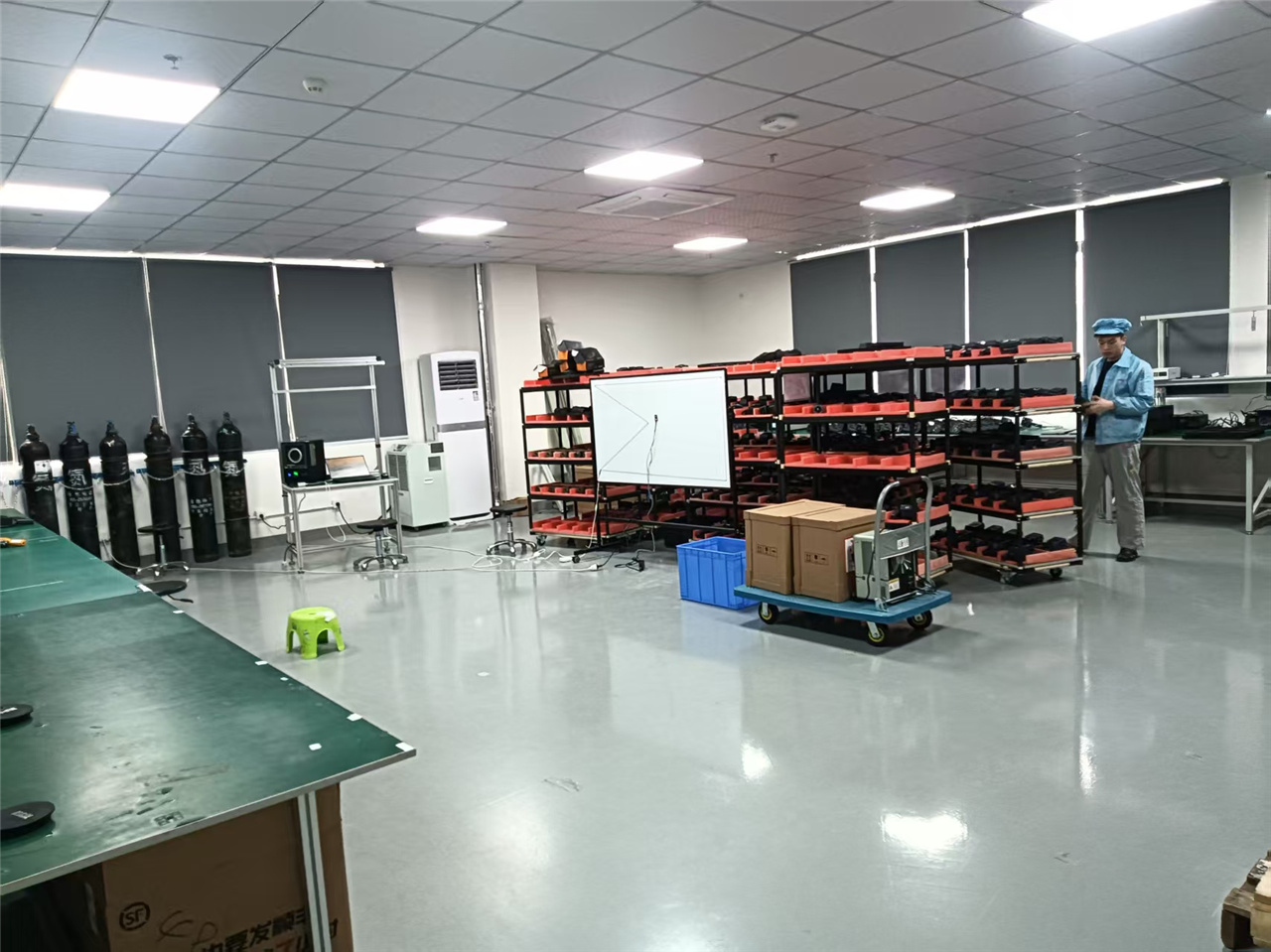
Rigorous quality control, optical alignment labs, and internationally verified export standards.
 Dianyang