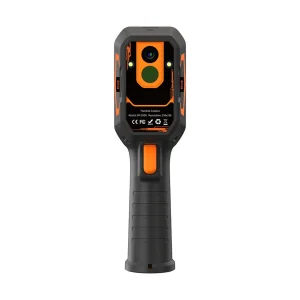
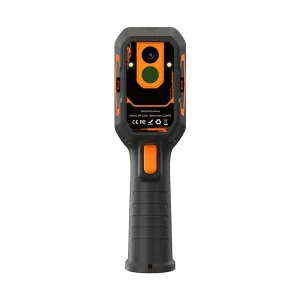
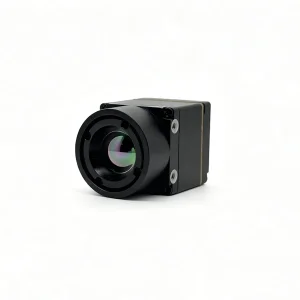
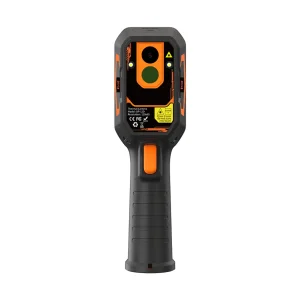
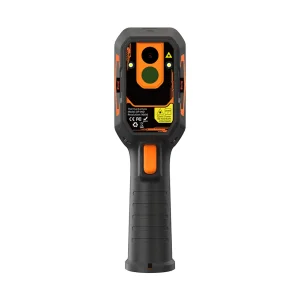
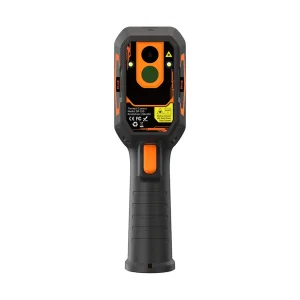
High-precision radiometric cameras engineered for electrical inspections, predictive maintenance, and utility infrastructure scanning.
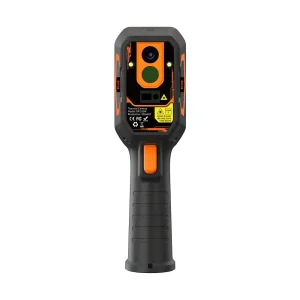
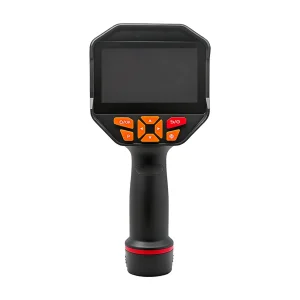
In modern industrial facilities, electrical infrastructure downtime translates directly into substantial operational losses and catastrophic safety hazards. As power grid complexity escalates alongside heavy industrial automation, thermal stress within high-voltage switchgear, transformer bushings, motor control centers (MCC), and distribution panels presents an ongoing risk. Electromotive forces and thermal expansion routinely induce mechanical looseness, contact oxidation, and phase imbalance. Thermographic scanning has moved from a periodic diagnostic luxury to a foundational requirement of international industrial standards, such as NFPA 70B (Standard for Electrical Equipment Maintenance) and ISO 18436-7 for condition monitoring.
Infrared thermography non-destructively visualizes infrared radiative energy emitted by physical objects according to Planck's Law of Blackbody Radiation. Because electrical resistance anomalies generate localized thermal dissipation ($P = I^2 R$), a thermographic scan captures real-time surface temperature gradients, exposing micro-ohm resistance alterations long before catastrophic component breakdown occurs. Partnering with top-tier thermographic scan electrical factories and manufacturers guarantees access to calibrated, high-sensitivity uncooled focal plane array (UFPA) microbolometers capable of pinpointing subtle temperature differentials ($\Delta T$) as slight as 0.04°C.
Advanced non-contact microbolometers measure absolute radiometry across each pixel, enabling field engineers to quantify actual surface temperatures while adjusting for emissivity ($\epsilon$), ambient reflected temperature, and atmospheric transmittance.
Enables rigorous adherence to predictive maintenance standards. Provides documented thermal baseline data required by commercial property insurers and municipal safety regulatory compliance boards.
Thermographic cameras allow technicians to scan energized electrical enclosures through specialized IR windows or at safe approach distances, eliminating arc flash exposure risks during inspection routines.
The global thermographic camera sector is undergoing a technology integration wave driven by micro-electronics miniaturization, edge artificial intelligence, and multi-spectral sensor fusion. Procurement officers and maintenance managers evaluate thermographic scan manufacturers based on key technical advancements:
Transitioning from lower-resolution detector cores (96x96 or 120x90) to dense 256x192 and high-end 640x512 Vanadium Oxide (VOx) sensors. Higher spatial resolution ($\text{IFOV}$) enables thermographers to inspect small electrical contact points from safe physical distances without resolution loss.
Modern equipment combines high-resolution visible cameras (up to 8MP) with thermal IR sensors. Image blending algorithms overlay thermal contours onto visible physical structures, accelerating fault location identification in complex busbar configurations.
Integrating deep-learning algorithms at the software level permits real-time automated anomaly detection. Thermal analysis software classifies temperature severity ($\Delta T$ baseline comparisons) directly within reporting pipelines to minimize human error.
When selecting thermographic scan electrical equipment from qualified original equipment manufacturers (OEMs), engineering teams evaluate equipment capabilities across standardized operational tiers:
| Parameter Level | Entry-Level Diagnostic | Mid-Range Maintenance | Enterprise / Utility Grade |
|---|---|---|---|
| Target IR Resolution | 96×96 to 120×90 pixels | 256×192 pixels | 640×512 pixels |
| Thermal Sensitivity (NETD) | < 60 mK (0.06°C) | < 50 mK (0.05°C) | < 40 mK (0.04°C) |
| Temperature Range | -20°C to 350°C | -20°C to 550°C | -20°C to 1200°C (Extended) |
| Spatial Resolution (IFOV) | 8.8 mrad | 3.75 mrad | 0.68 mrad |
| Primary Application | HVAC & Residential Electrical Panels | Commercial Building & Factory MCC Panels | High-Voltage Sub-Stations & Metallurgical Furnaces |
| Representative Models | DP-09D / DP-12D Series | DP-25D / DP-25DV Series | DP-64D / MD-64CA Modules |
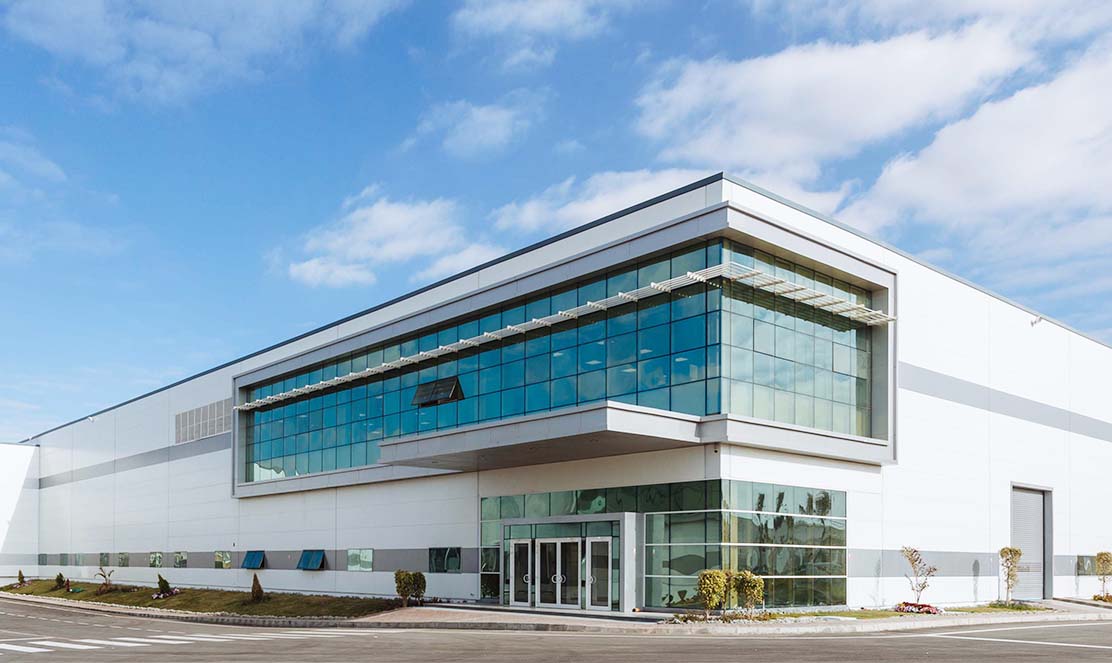
The global demand for reliable, cost-effective thermal imaging equipment has established China—specifically the Shenzhen technological corridor—as the global epicenter for precision optoelectronic design and manufacturing. China's integrated supply chain ecosystem allows for rapid prototyping, robust component sourcing, and scalable mass production of specialized infrared inspection tools.
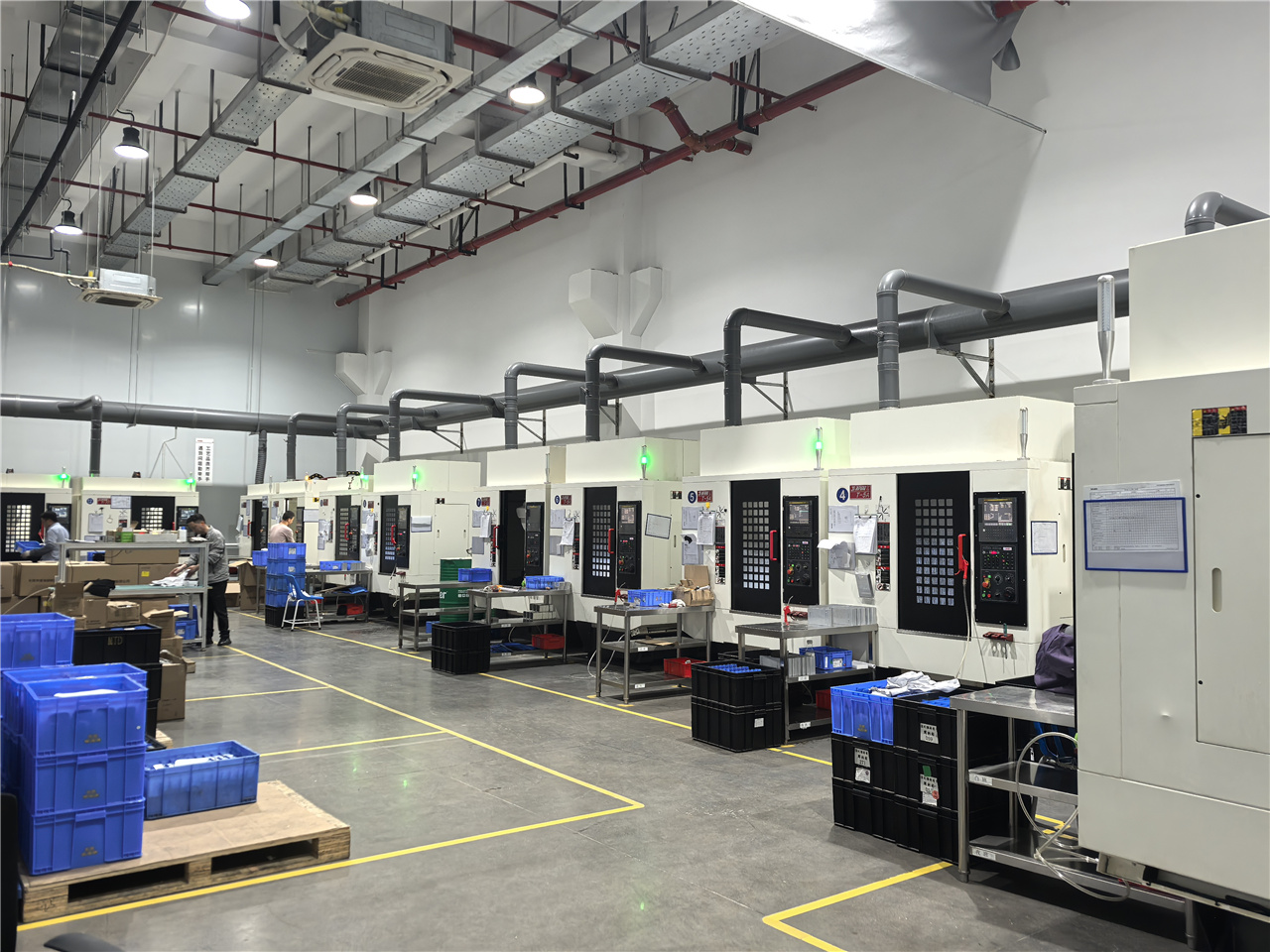
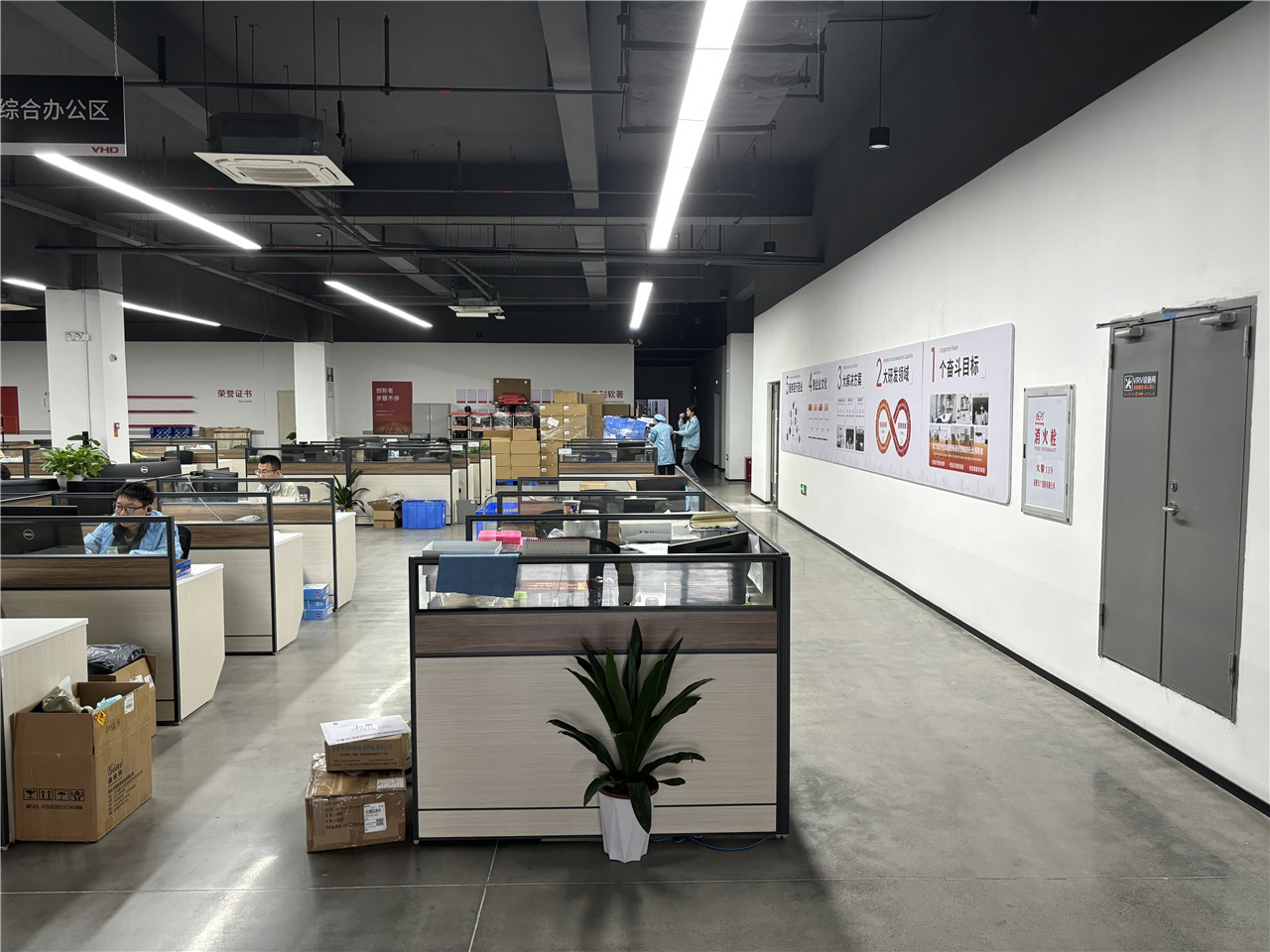
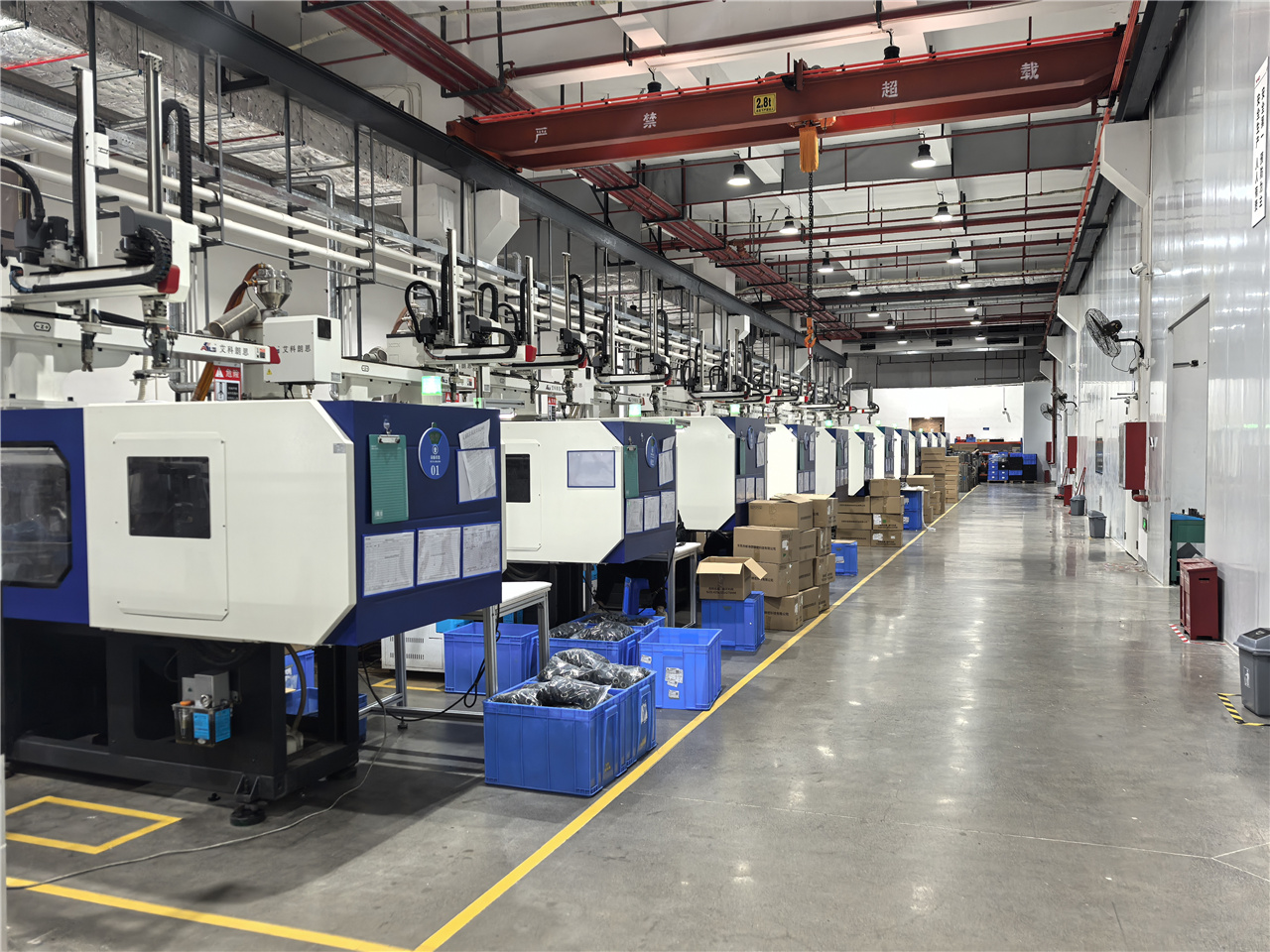
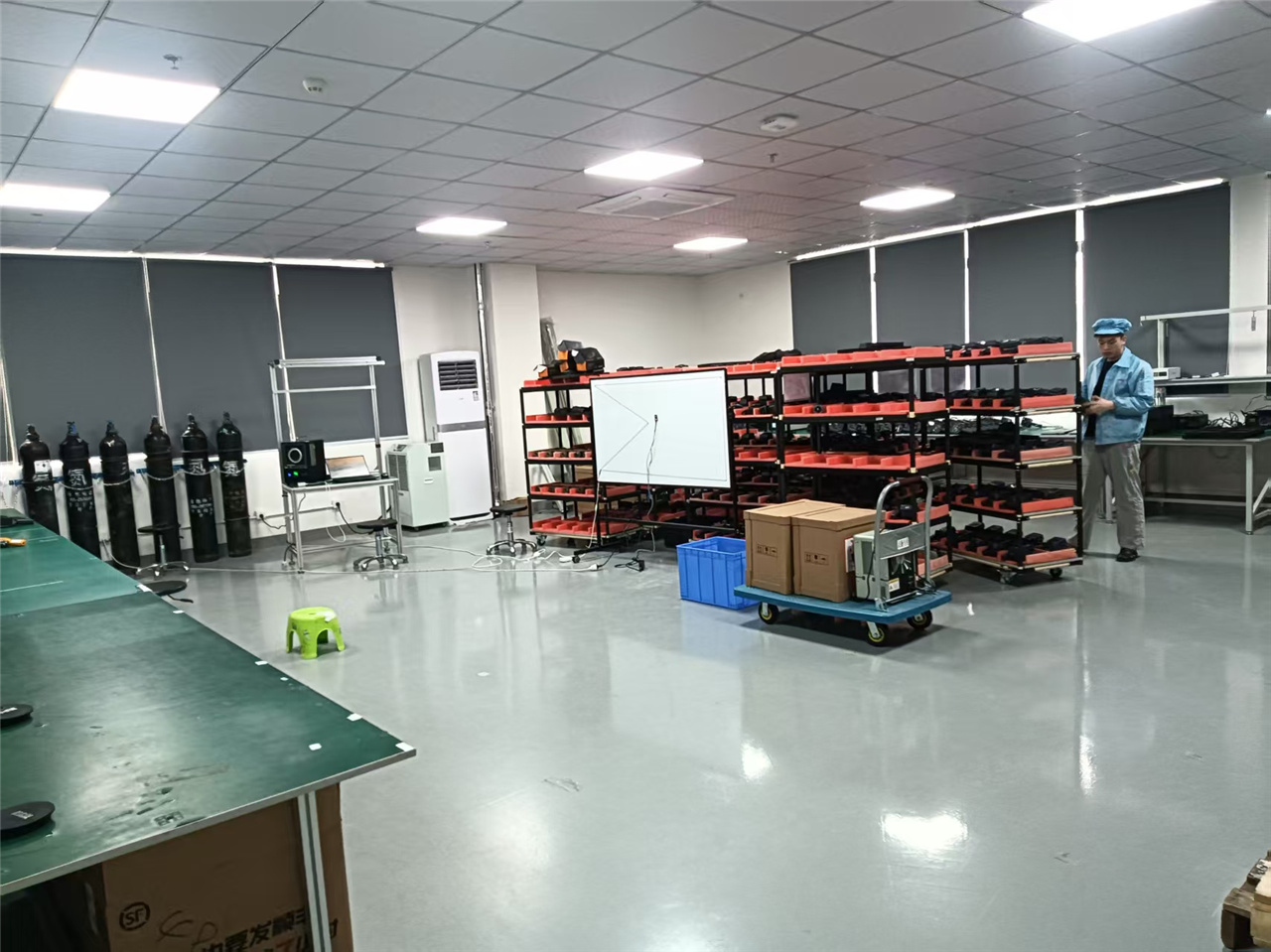
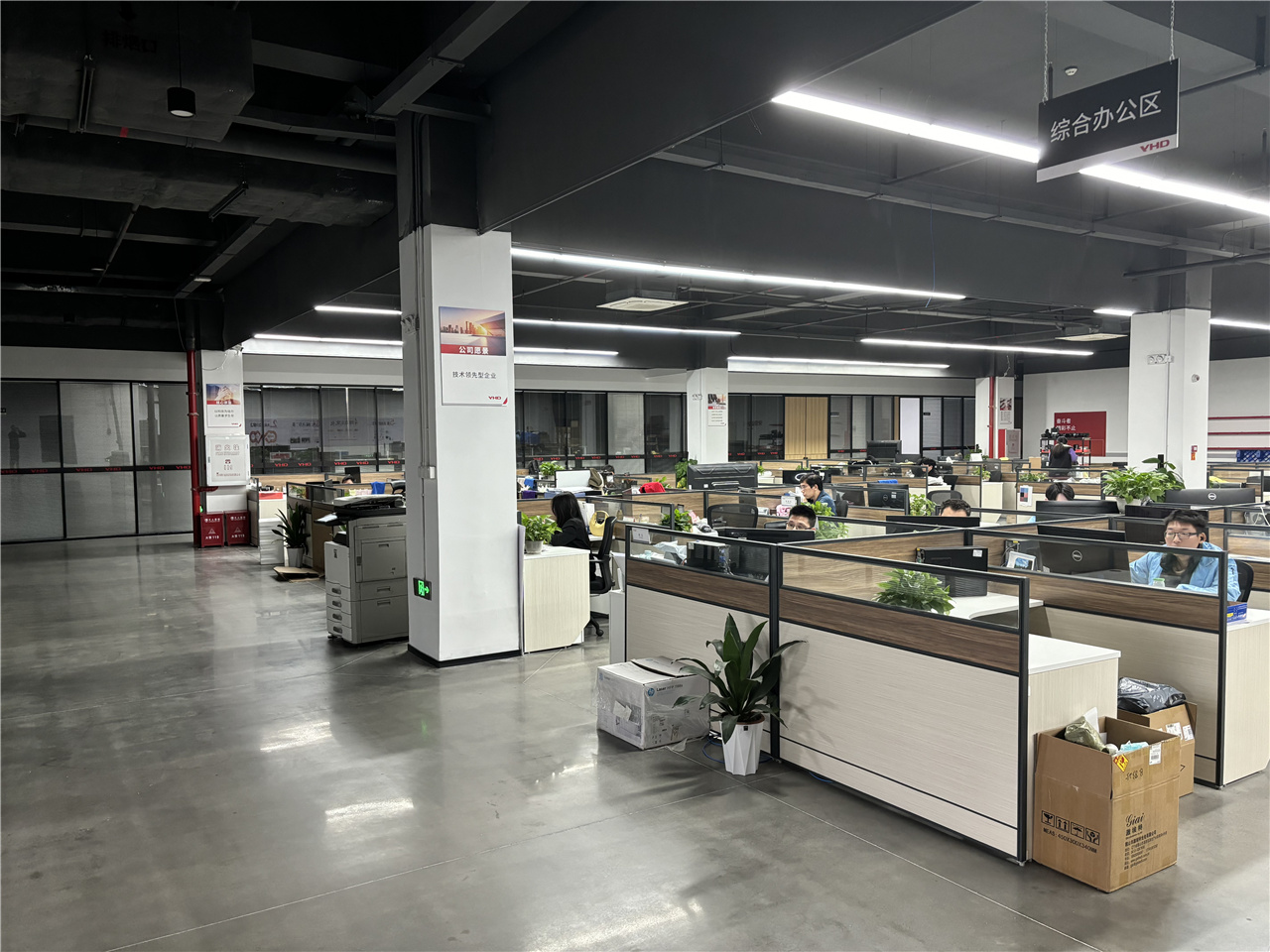
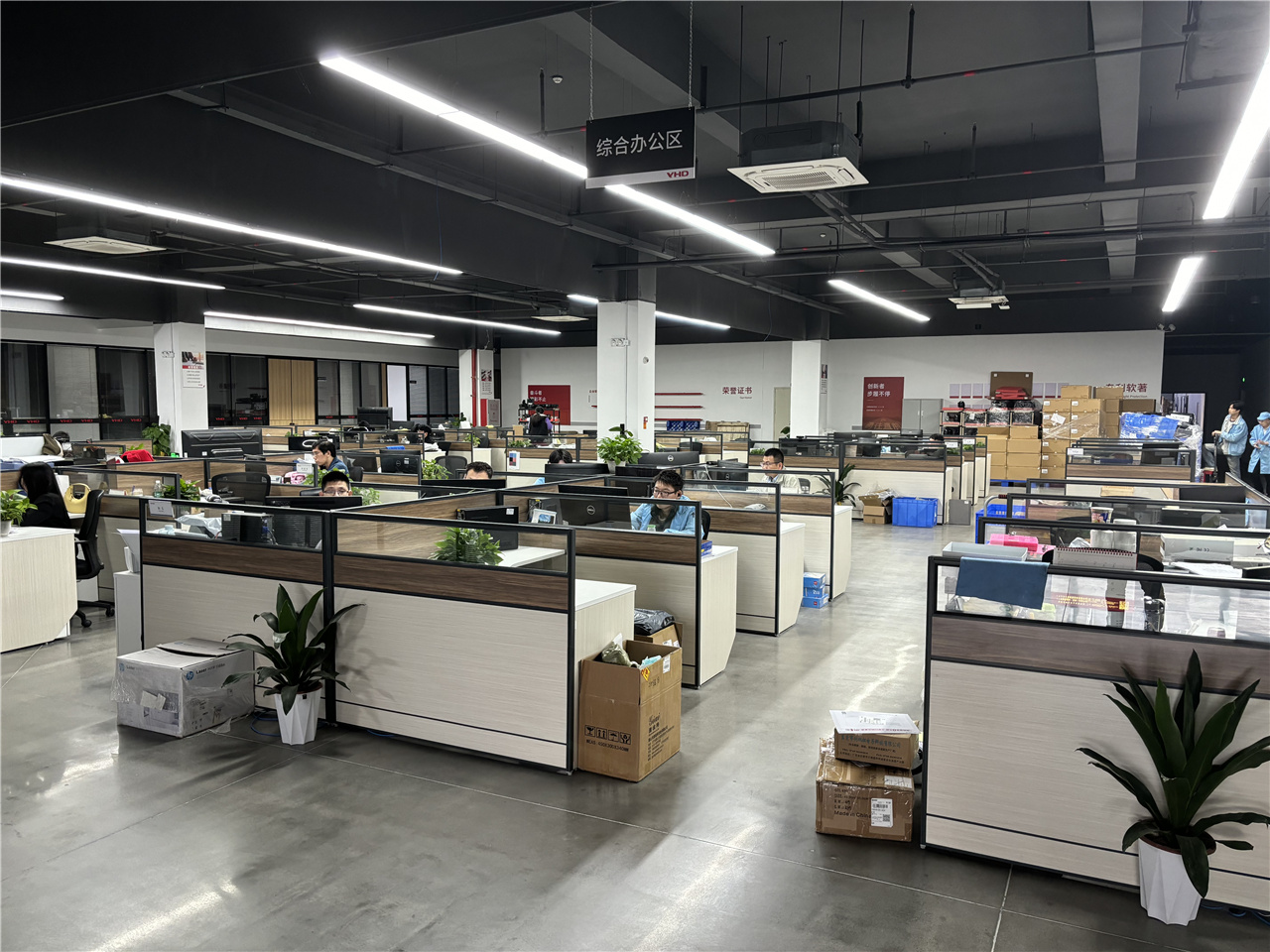
Shenzhen Dianyang Technology Co., Ltd. stands at the forefront of thermal sensor engineering as a premier subsidiary of VHD (Shenzhen VHD Technology Co., Ltd.), a publicly listed enterprise on the Shenzhen Stock Exchange. This strategic corporate affiliation grants Dianyang direct integration with VHD’s advanced R&D facilities, high-speed Automated Optical Inspection (AOI) lines, and automated surface-mount technology (SMT) infrastructure.
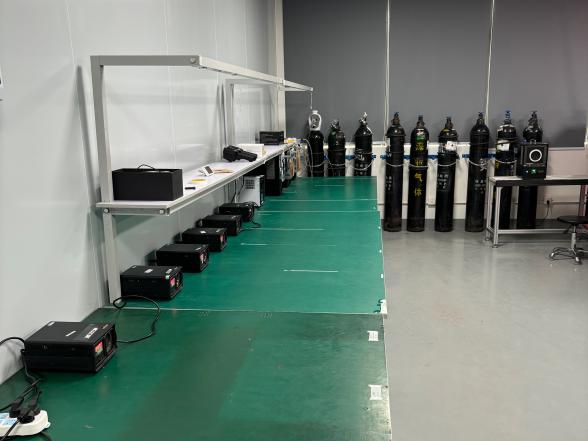
Unlike standard assembly shops, Dianyang employs comprehensive Design for Manufacturing (DFM) and Design for Testability (DFT) methodologies during the hardware layout stage. Every thermal camera model undergoes complex thermal dissipation simulation, electro-magnetic compatibility (EMC) pre-compliance testing, and precision blackbody calibration across ultra-wide temperature spectrums.
Dianyang delivers customizable OEM/ODM services for international brands, providing customized hardware chassis, tailored firmware options, software SDK integrations, and specialized optical lenses for diverse operational environments.
Deploying high-performance thermal scan cameras requires matching sensor specs with operational constraints across different field applications:
Outdoor substations present environmental factors like solar loading and wind convective cooling. Utilizing high-resolution cameras such as the DP-64D (640x512) enables certified Level II thermographers to identify resistive heating on high-voltage disconnect switches, transformer bushings, and surge arresters from beyond safe arc-flash boundaries.
Mission-critical server racks demand continuous power availability. Thermographic scans of main distribution boards, UPS battery terminals, and automatic transfer switches reveal phase imbalances and micro-loose wire connections before power drops impact server uptime.
Continuous vibration in steel production and heavy assembly plants gradually loosens terminal block screws. Mid-tier imagers like the DP-25DV provide fast thermal scanning of motor control center (MCC) buckets, identifying unbalanced thermal loads on contactors and soft starters.
Faulty solar cells, cracked wafers, and defective bypass diodes operate at elevated temperatures. Drone-mounted core thermal modules (such as the MD-64CA) scan extensive PV solar farms to locate underperforming panels and junction box failure points quickly.
Expert technical insights regarding thermographic scan electrical equipment, factory selection, and diagnostic standards.
Explore our extended series of thermographic inspection tools, handheld imagers, and specialized thermal modules.
Shenzhen Dianyang Technology Co., Ltd. is a specialized subsidiary of VHD (Shenzhen VHD Technology Co., Ltd.), a publicly listed enterprise on the Shenzhen Stock Exchange. This strategic corporate backdrop provides Dianyang with direct access to VHD’s advanced research and development infrastructure, high-precision electronic manufacturing units, and strict quality assurance frameworks—enabling us to produce thermal imaging systems with superior consistency and stability.
We provide full-spectrum ODM and OEM solutions for infrared thermal imaging products, including handheld thermal imagers, smartphone thermal attachments, desktop thermal analyzers, and thermal telescopes. Our engineering team serves global clients across electrical inspection, industrial maintenance, building fault diagnostics, firefighting, and security applications.
Our dedicated R&D engineering group applies Design for Manufacturing (DFM), Design for Testability (DFT), thermal fluid simulation, and electro-magnetic compatibility (EMC) testing throughout every design iteration. We assist global clients in acquiring international market compliance certifications including CE, FCC, RoHS, REACH, CB, UKCA, KC, and PSE.
 Dianyang