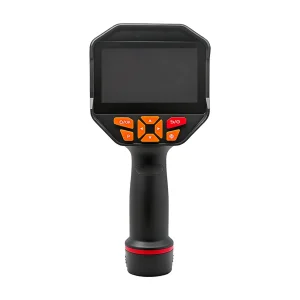
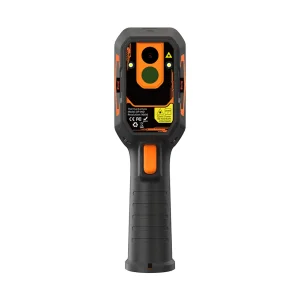
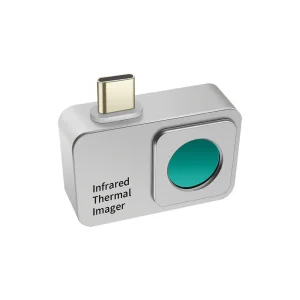
Explore our flagship radiometric infrared cameras, handheld diagnostics, and smartphone-compatible thermal units engineered for water leak detection and predictive maintenance.
Understanding evaporative cooling dynamics, thermal capacitance differentials, and radiometric infrared analysis in modern fluid containment systems.
Water leak detection via infrared thermography does not directly image water molecules; rather, it detects the subtle thermodynamic alterations water induces on surrounding structural media. When subsurface moisture migrates through concrete, drywall, or roofing membranes, it undergoes evaporation. This phase transition absorbs thermal energy from the surface, creating a localized cold spot known as an evaporative thermal anomaly. High-sensitivity uncooled Vanadium Oxide (VOx) sensors with Noise Equivalent Temperature Difference (NETD) under 40mK capture these subtle $\Delta T$ variations (often as slight as 0.1°C), making invisible moisture plumes immediately discernible in real-time IR visual spectra.
Liquid water possesses a remarkably high specific heat capacity ($4.184 \text{ J/g}^\circ\text{C}$) compared to standard building materials such as concrete ($0.88 \text{ J/g}^\circ\text{C}$) or wood ($1.2 \text{ J/g}^\circ\text{C}$). Consequently, wet areas store substantially more thermal energy and exhibit significant thermal inertia. Under solar loading or active interior heating, wet sections heat up slower and cool down much slower than dry areas. Radiometric thermal cameras leverage customized emissivity tables ($\epsilon \approx 0.95-0.98$ for wet masonry) alongside calibrated spectral response across the 8–14 μm Long-Wave Infrared (LWIR) band to quantify structural saturation without physical destruction.
From municipal underground utility networks to high-rise building envelope diagnostics, our radiometric solutions deliver precise field intelligence.
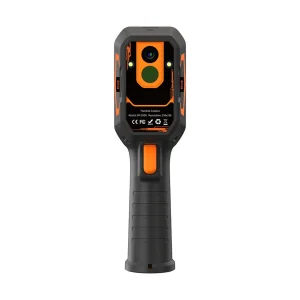
Underground main breaks and subsurface supply pipe leakages cause massive Non-Revenue Water (NRW) losses for utility operators. High-resolution handheld thermal imagers (such as the DP-64D and DP-38D) enable field engineers to survey asphalt and soil boundaries. Escaping pressurized water alters the soil thermal equilibrium, revealing distinct ground surface thermal signatures during dawn or dusk scanning cycles.
Flat commercial roofs clad in EPDM or TPO membranes often trap subsurface moisture, leading to insulation degradation, interior mold growth, and structural decay. Infrared thermal inspection pinpoint trapped moisture pockets beneath membranes through solar capacitance retention analysis. This non-invasive inspection reduces repair costs by enabling targeted patching instead of total roof replacement.
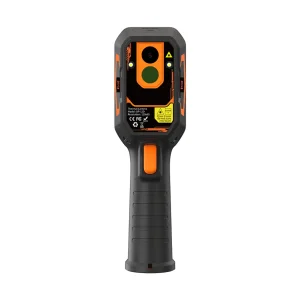
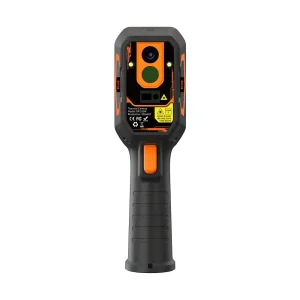
Tracing leaking domestic water lines or clogged radiant floor heating circuits inside solid concrete slabs historically required destructive jackhammering. Dual-light radiometric thermal cameras overlay visible optical outlines onto high-definition thermal signatures (Dual-Vision MSX), pin-pointing the exact coordinates of buried pipe leaks to within millimeter accuracy.
Comprehensive parameter specifications across our professional diagnostic line up for municipal, enterprise, and OEM integration.
| Model Series | IR Detector Specs | Thermal Sensitivity (NETD) | Temperature Range | Vision Technology | Primary Target Application |
|---|---|---|---|---|---|
| DP-64D Series | 640 × 512 Uncooled VOx | < 35 mK | -20°C to 550°C (Ext. 1200°C) | Dual-Spectrum Fusion / Laser Range | Municipal / Heavy Utility |
| DP-38D Series | 384 × 288 VOx Microbolometer | < 40 mK | -20°C to 1200°C Wide Range | High-FPS Radiometric Engine | Commercial HVAC / Roof Leaks |
| DP-25DV / DP-25DR | 256 × 192 FPA Matrix | < 45 mK | -20°C to 550°C | 40m Laser Distance / Dual Light | Building Diagnostics / Electrical |
| DP-12D Series | 120 × 90 Thermal Array | < 50 mK | -20°C to 550°C | Compact Handheld Radiometric | Plumbing Maintenance |
| DP-09D Series | 96 × 96 Focal Plane | < 60 mK | -20°C to 300°C | Laser Point Alignment | Entry-Level Leak Audit |
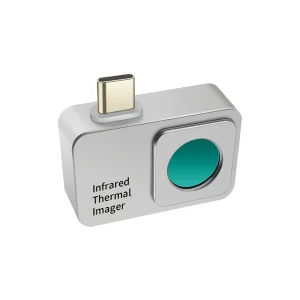
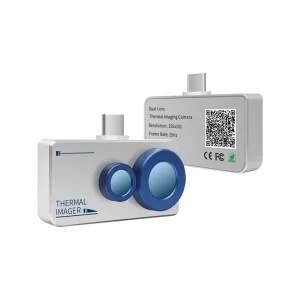
| H1FB / H2F6B Series | 160×120 / 256×192 Mobile Plug | < 40 mK | -15°C to 150°C | Smartphone Interface / App Sync | Field Mobile Services |
Shenzhen Dianyang Technology Co., Ltd. & VHD Listed Platform Synergy.
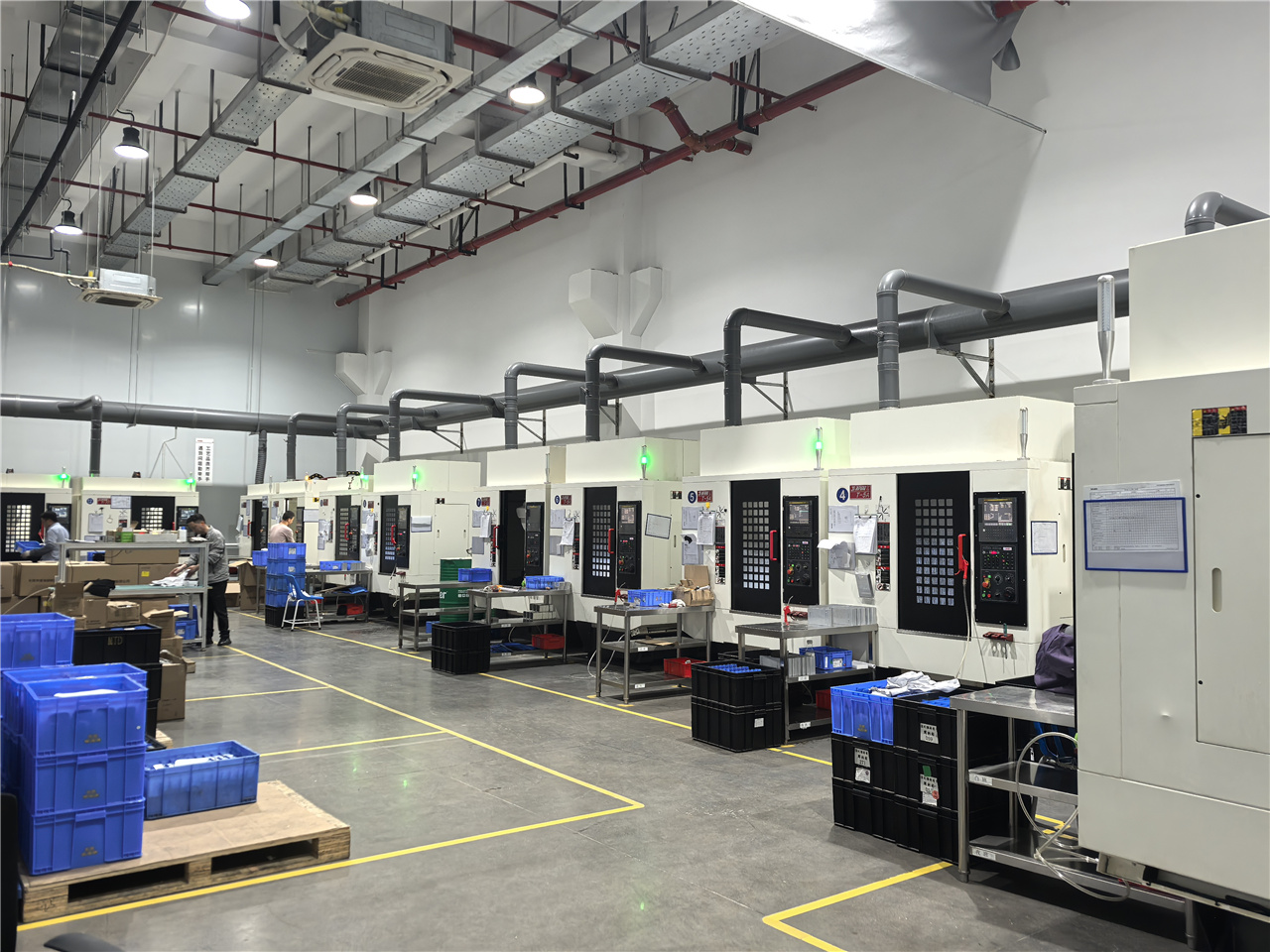
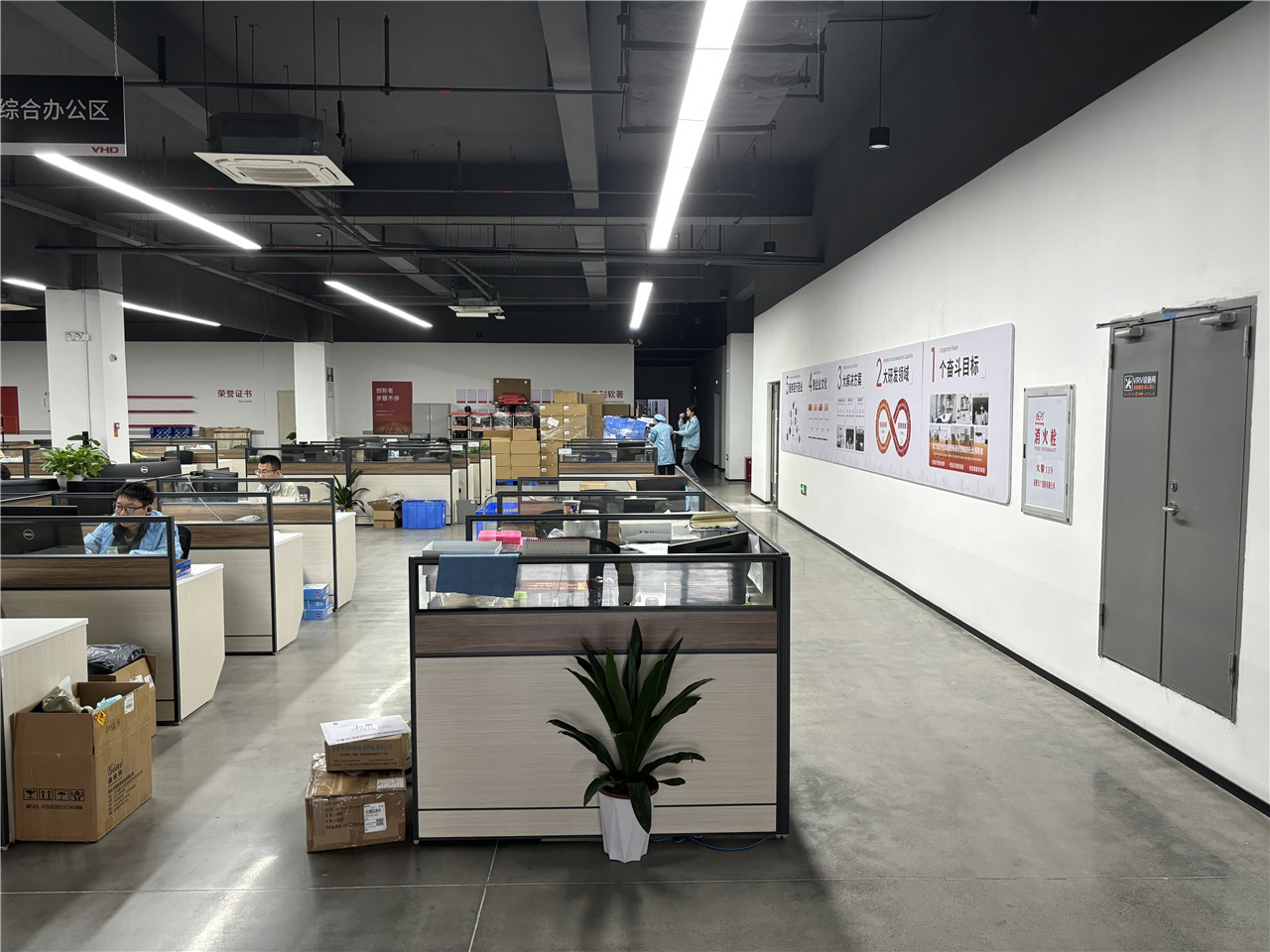
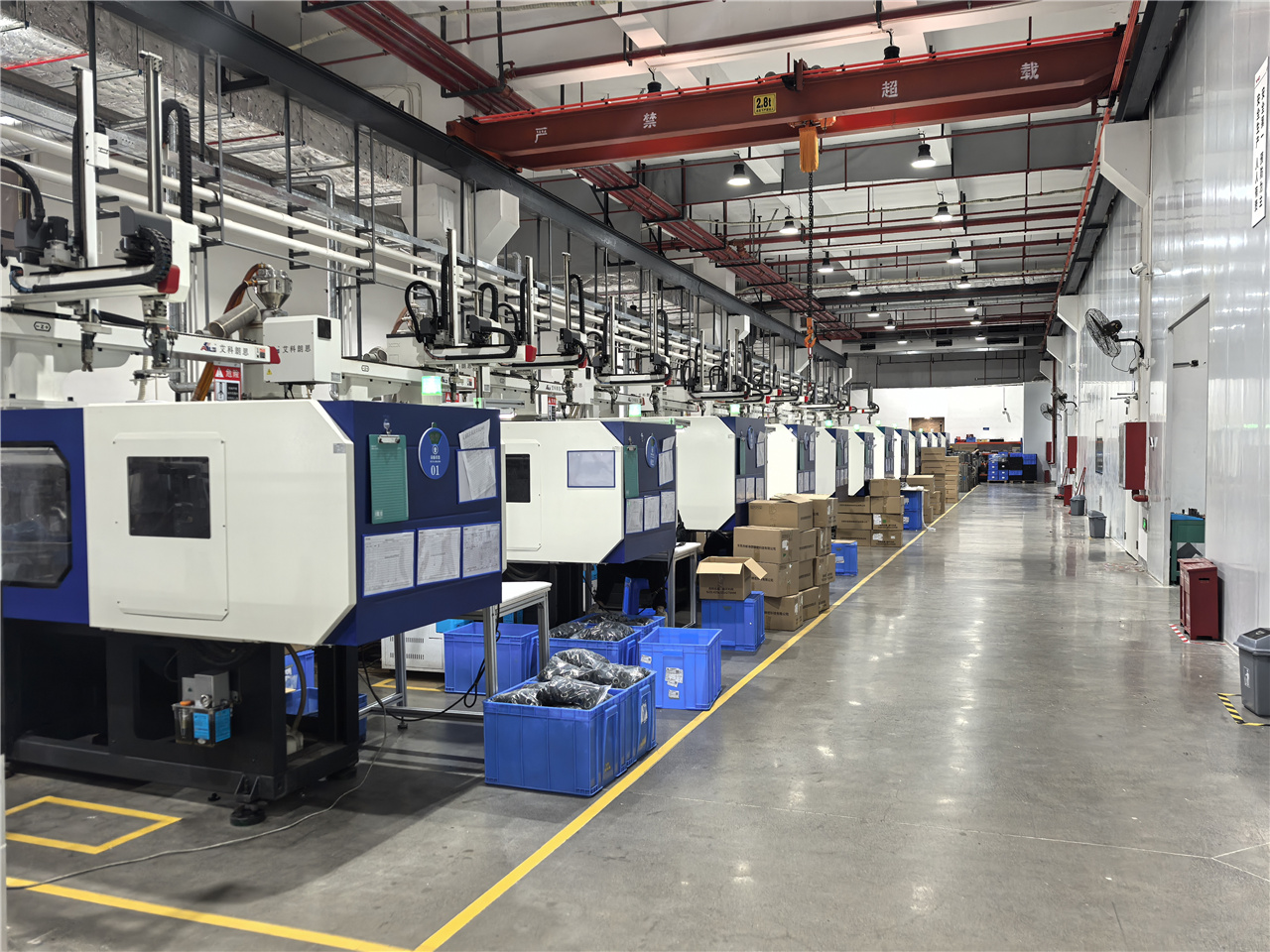
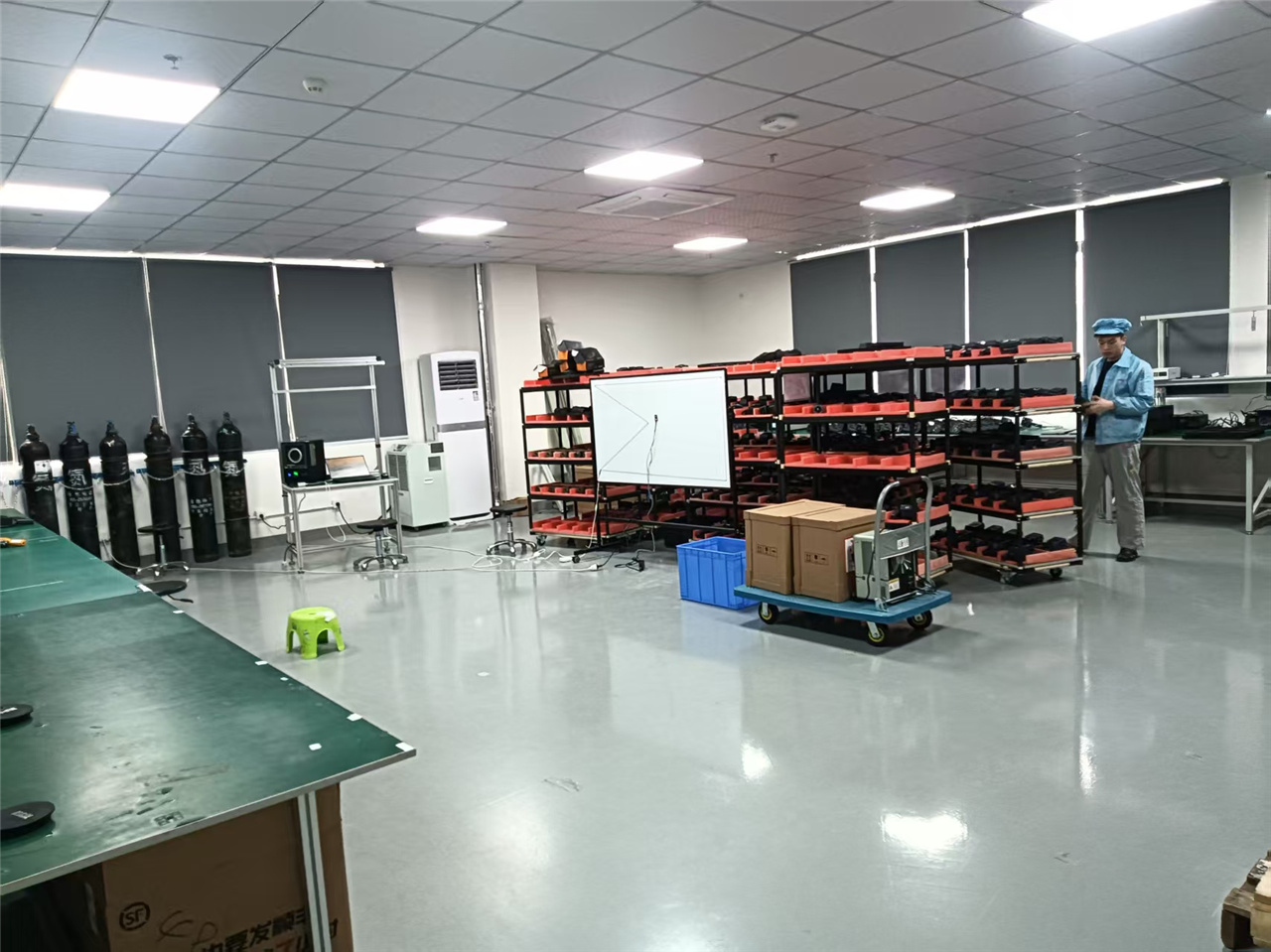
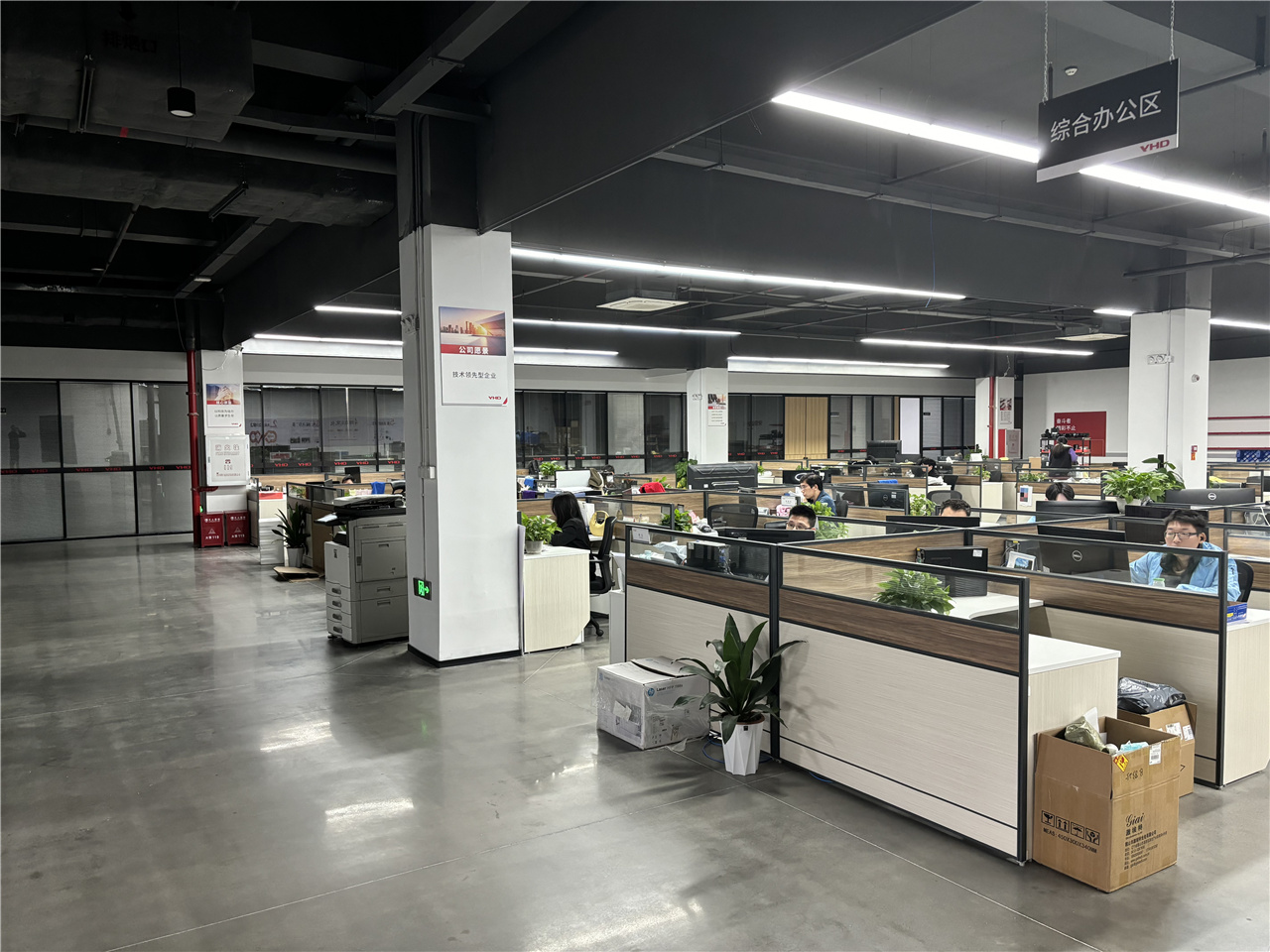
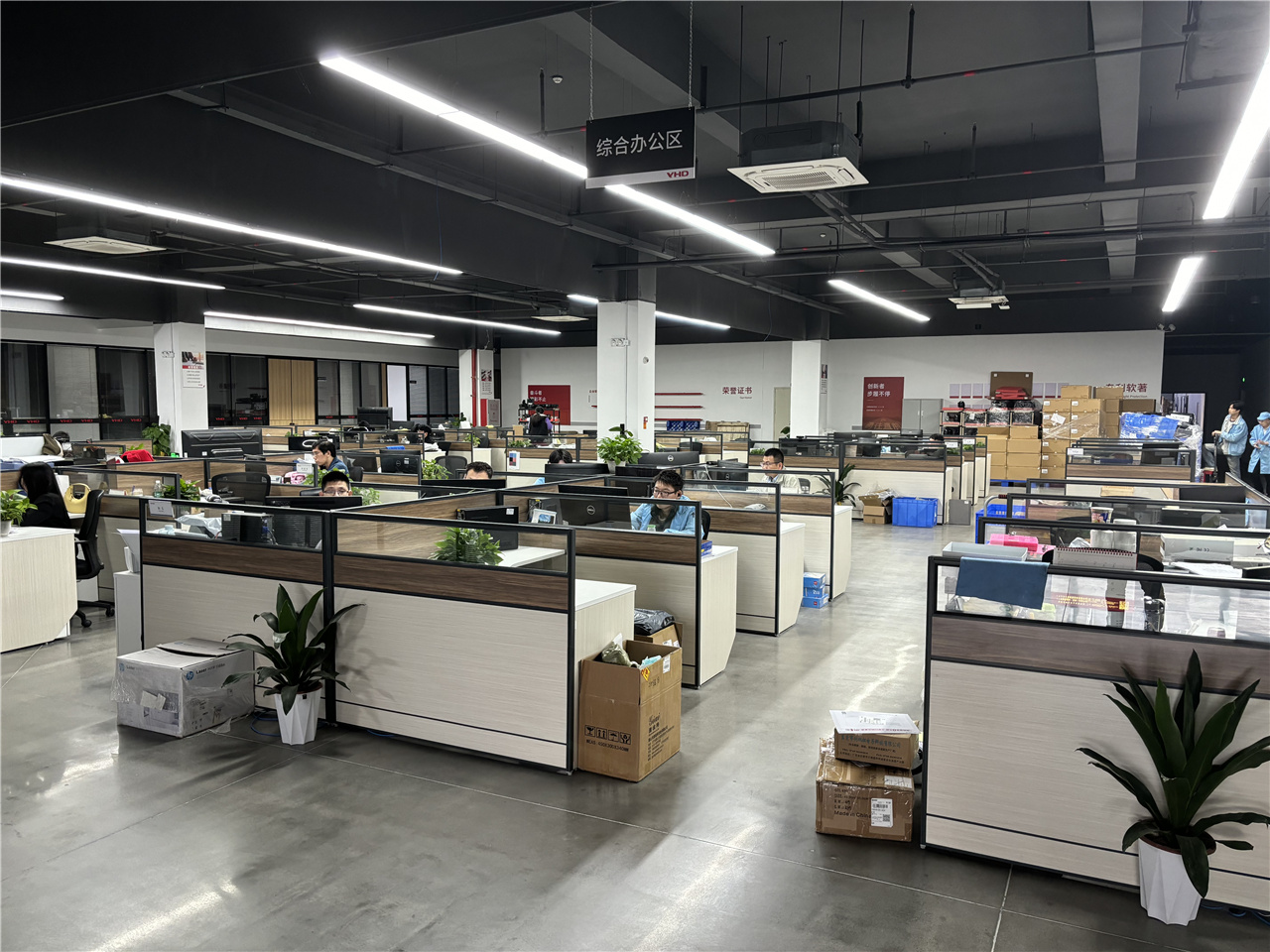
Shenzhen Dianyang Technology Co., Ltd. is a specialized high-tech enterprise operating as a strategic subsidiary of VHD (Shenzhen VHD Technology Co., Ltd.), a publicly listed company on the Shenzhen Stock Exchange. This strategic corporate structure gives Dianyang direct access to VHD's world-class optical engineering platforms, state-of-the-art automated surface-mount technology (SMT) lines, cleanroom optical assembly facilities, and rigorous quality management systems.
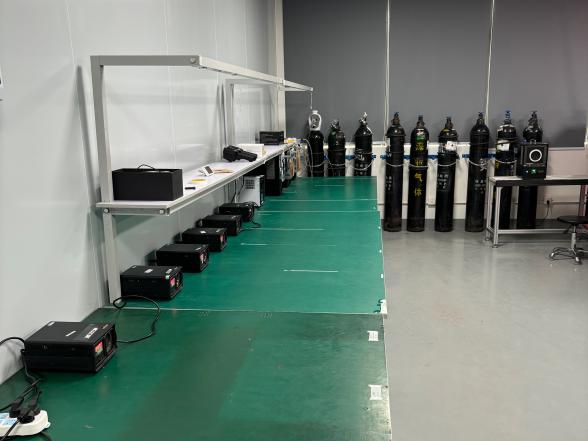
Unlike basic assembly vendors or standard ODMs, Dianyang's engineering workflow implements Design for Manufacturing (DFM), Design for Testability (DFT), advanced thermal dissipation simulation, and rigorous Electro-Magnetic Compatibility (EMC) pre-compliance testing. This guarantees that every thermal imaging camera leaving our facility delivers exceptional repeatability, robust structural durability, and long-term calibration stability under severe field environmental stresses.
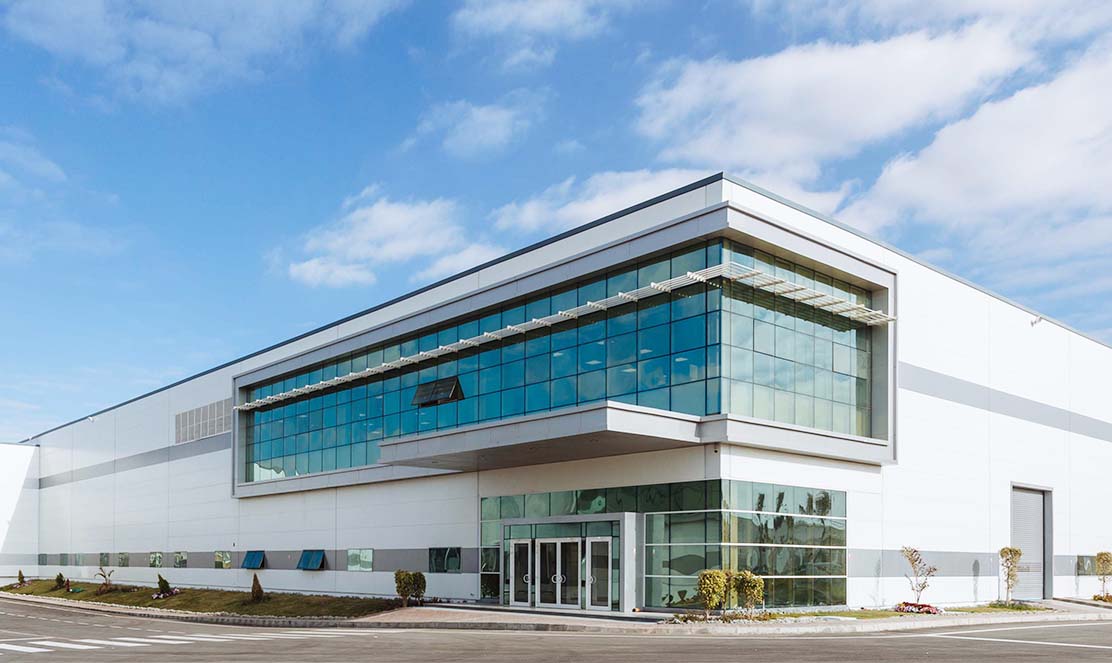
Our commitment to international quality standards empowers global brand partners to seamlessly scale products across North America, Europe, Asia-Pacific, and Latin America. We support clients in acquiring full regulatory compliance including CE, FCC, RoHS, REACH, CB, UKCA, KC, and PSE certifications.
Pioneering AI edge analytics, multi-spectral image fusion, and ultra-compact microbolometer platforms for smart water management.
Future thermal camera systems integrate deep neural networks directly into processing SOCs. By training algorithms on thousands of thermal moisture signatures, units automatically highlight damp boundaries, calculate estimated volumetric saturation, and filter out false anomalies caused by metallic reflections or ambient shadows.
Next-generation mobile thermal attachments (H1FB/H2F6B series) integrate secure cloud APIs. Building inspectors can automatically upload radiometric images with geographic coordinates and atmospheric tags, instantly generating standardized municipal water compliance audit reports.
By moving from 17μm to 12μm and 8μm pixel pitch detector arrays, our engineering team achieves higher thermal resolution inside smaller enclosures. This delivers crisp 640x512 rendering in ultra-lightweight handheld bodies, reducing operator fatigue during long pipeline surveys.
Comprehensive turnkey solutions tailored for international brand owners, private label distributors, and industrial systems integrators.
We provide complete software development kits (SDKs) and localized firmware customization. Partners can customize multi-language UI menus (English, German, French, Spanish, Japanese, Korean), brand splash screens, custom color palettes optimized for water detection (Blue-Red, High-Contrast Dewpoint), and tailored PDF reporting software.
From custom housing colorways and high-durability rubberized overmolds to IP67 waterproof ingress sealing, our engineering team adapts hardware designs to withstand harsh field environments, accidental drops, and severe weather exposure.
Expert answers to critical technical questions regarding thermal camera water detection, operational setup, and OEM partnership protocols.
Explore additional certified thermal imagers and high-resolution modules for industrial water maintenance, electrical inspections, and OEM deployment.
 Dianyang