Explore professional-grade handheld, mobile, and OEM thermal imaging cores certified for global industrial applications.
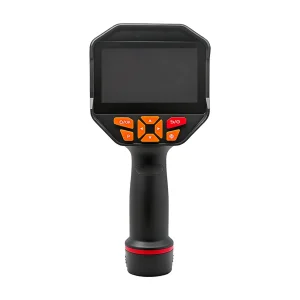
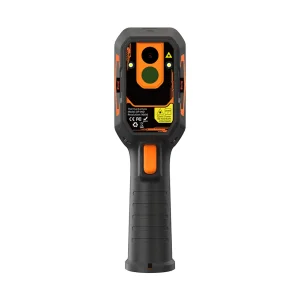
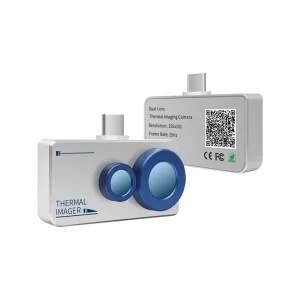
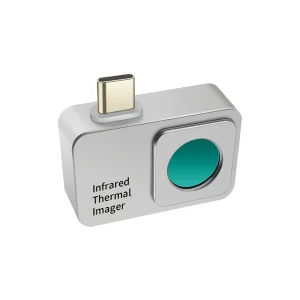
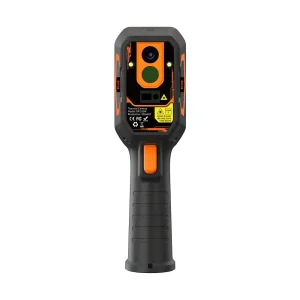
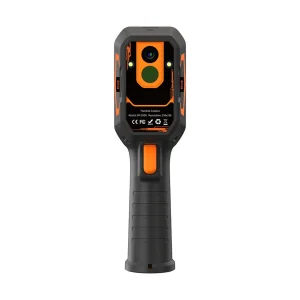
Thermal imaging cameras are indispensable assets across critical infrastructure, defense, electrical grids, and automated manufacturing. Maintaining absolute radiometric accuracy requires specialized repair methodologies and high-capacity manufacturing backbones.
Over extended operational lifecycles, thermal imaging equipment experiences performance degradation caused by microbolometer sensor drift, vacuum package degradation, optical lens delamination (Germanium anti-reflective DLC coatings), and board-level component aging due to thermal shock. Identifying whether a unit requires localized recalibration, micro-soldering repairs, or core replacement is vital for operational asset management.
Key repair challenges include restoring Non-Uniformity Correction (NUC) tables, replacing damaged shutter mechanisms, re-establishing hermetic seals on uncooled focal plane arrays (FPA), and diagnosing high-frequency PCB power regulation circuits.
A rigorous engineering breakdown of diagnostic protocols performed by world-class repair facilities and original equipment manufacturers (OEMs).
Precision recalibration utilizing high-emissivity Cavity Blackbody Radiation Sources spanning -20°C to 1200°C. Standard operating procedures realign internal temperature curves, correction coefficients, and pixel gain matrices across target ambient temperature spans.
Component-level replacement of Vanadium Oxide (VOx) or Amorphous Silicon (a-Si) focal plane arrays. Diagnostic micro-soldering targets dead pixel clusters, ROIC (Readout Integrated Circuit) failure, and flex-cable interconnect trace repair under industrial optical microscopes.
Germanium (Ge) and Chalcogenide infrared optics require high precision. Repair involves polishing scratched optical elements, re-applying Diamond-Like Carbon (DLC) anti-reflective coatings, and aligning collimators to guarantee MTF (Modulation Transfer Function) optimization.
Thermal cameras deployed in rugged environments demand IP65/IP67 ingress protection. Post-repair testing involves vacuum leakage verification, gasket replacement, and dry-nitrogen backfilling to prevent interior optical condensation.
| Diagnostic Parameter | Third-Party Repair Facility | Original Factory Manufacturer (e.g., Dianyang) |
|---|---|---|
| Sensor Core Calibration | Software NUC adjustment & basic blackbody alignment. | Full ROIC gain curve reprogramming & multi-point temperature profiling (-20°C to 1200°C). |
| Component Replacement | Generic harvested parts or secondary market modules. | Direct OEM Grade-A microbolometer sensors and original Germanium optics. |
| Firmware & Algorithm Tuning | Limited to public firmware upgrades. | Proprietary image processing algorithm adjustments (DDE, edge enhancement, noise reduction). |
| Compliance Certification | Basic functional verification certificate. | Full CE, FCC, RoHS, REACH, UKCA, KC, PSE re-certification alignment. |
Premier OEM/ODM Manufacturer Driving Innovation in Thermal Imaging Systems
Shenzhen Dianyang Technology Co., Ltd. is a subsidiary of VHD (Shenzhen VHD Technology Co., Ltd.), a publicly listed company on the Shenzhen Stock Exchange. This strategic affiliation gives Dianyang unique access to VHD’s advanced R&D platforms, high-precision manufacturing systems, and rigorous quality management practices—enabling us to deliver thermal imaging products of higher reliability and consistency than typical ODMs.
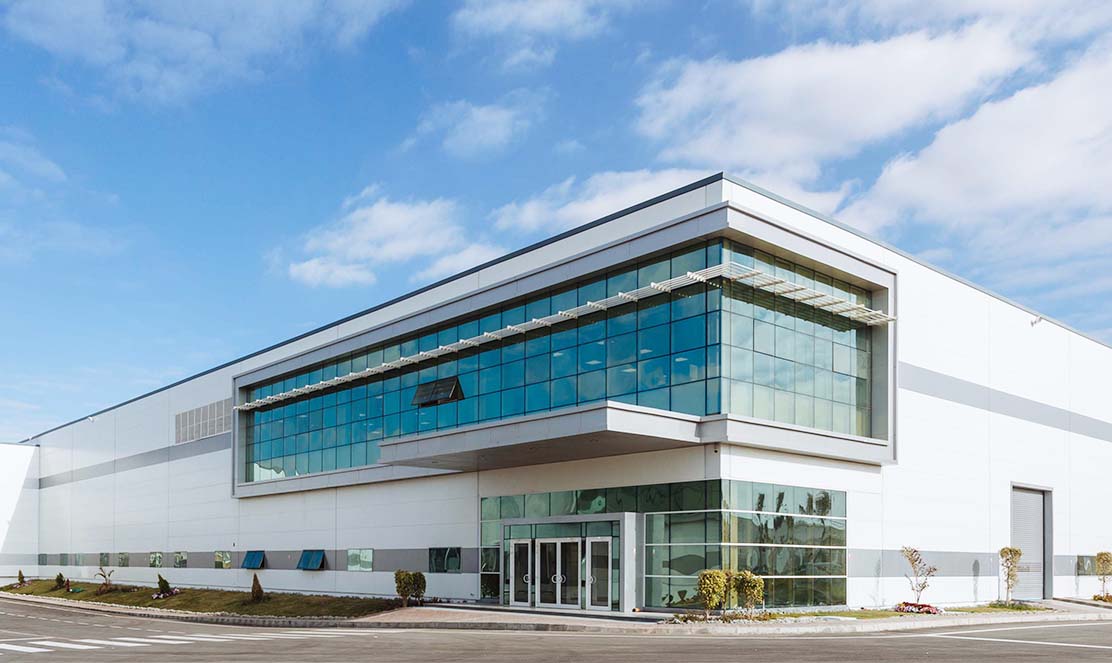
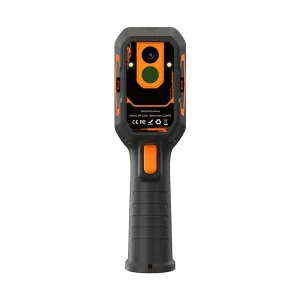
We specialize in ODM/OEM services for infrared thermal imaging solutions, including handheld thermal imagers, smartphone-connected thermal cameras, thermal analyzers, and thermal imaging telescopes. Our products serve global customers in power inspection, building diagnostics, firefighting, industrial maintenance, and outdoor applications.
Our dedicated engineering team applies Design for Manufacturing (DFM), Design for Testability (DFT), thermal simulation, and EMC pre-compliance analysis to optimize performance and accelerate development. We also support clients in obtaining key certifications such as CE, FCC, RoHS, REACH, CB, UKCA, KC, and PSE.
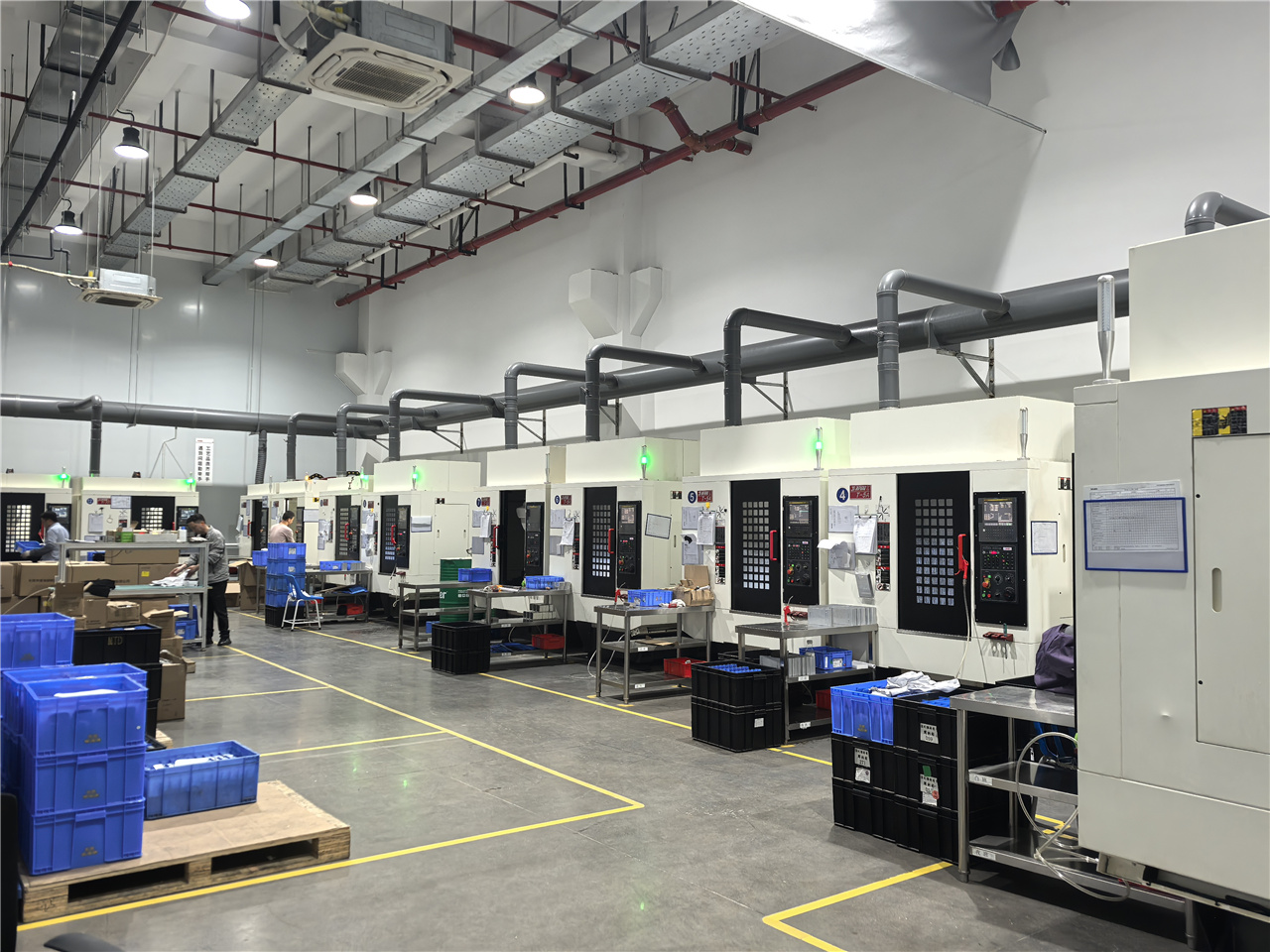
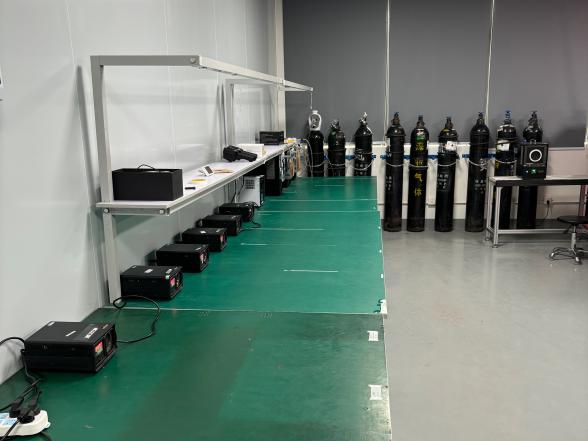
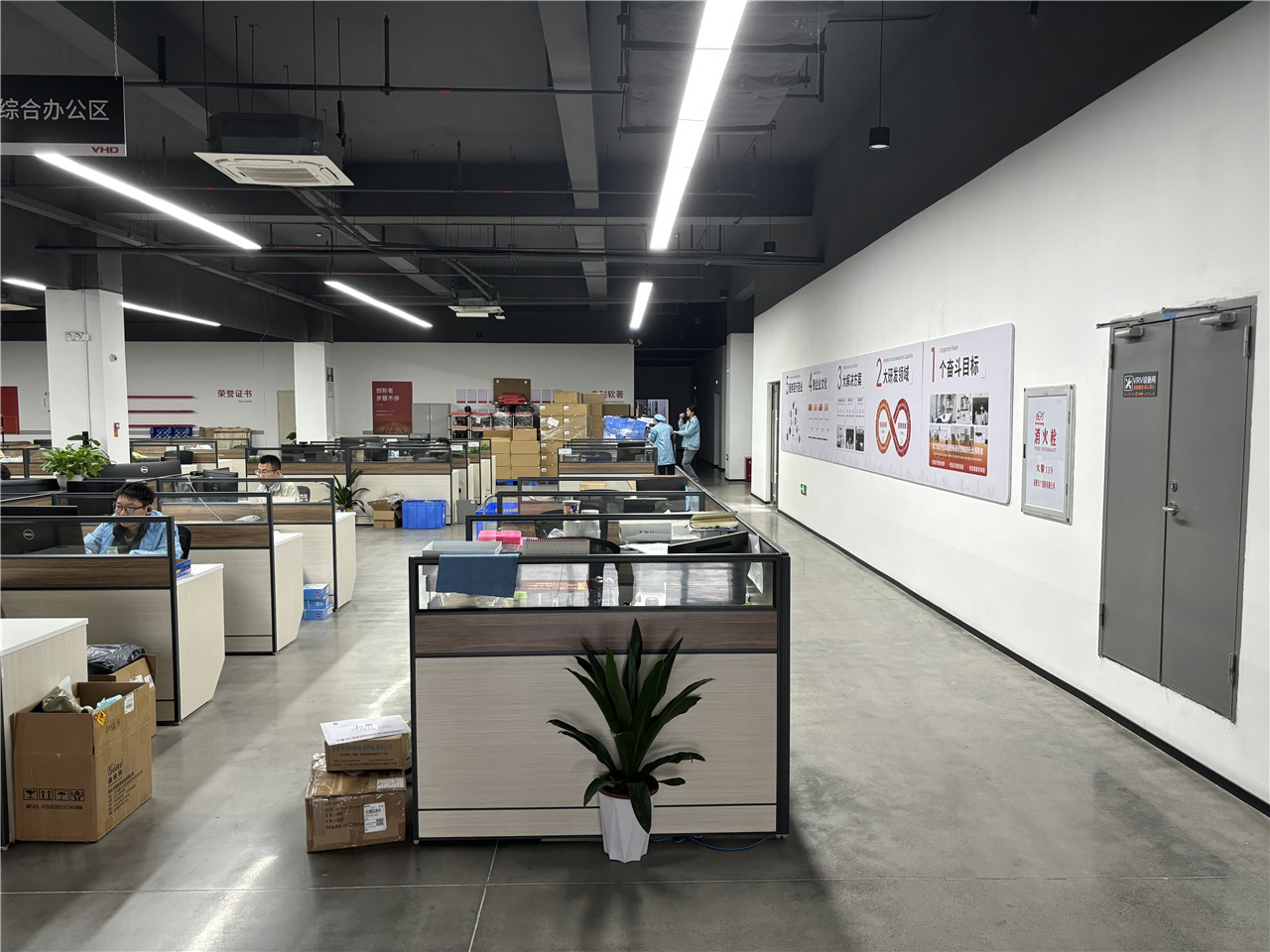
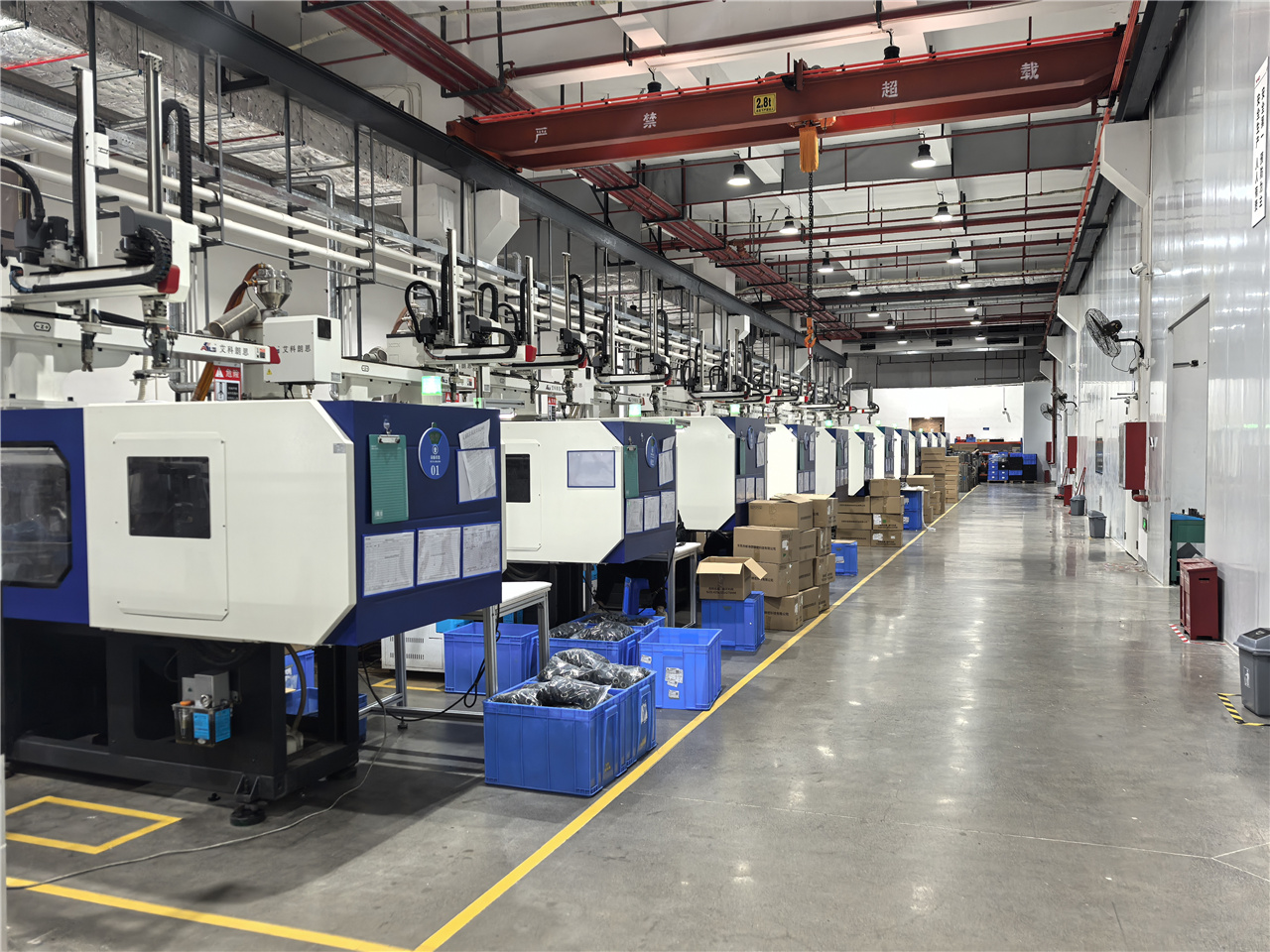
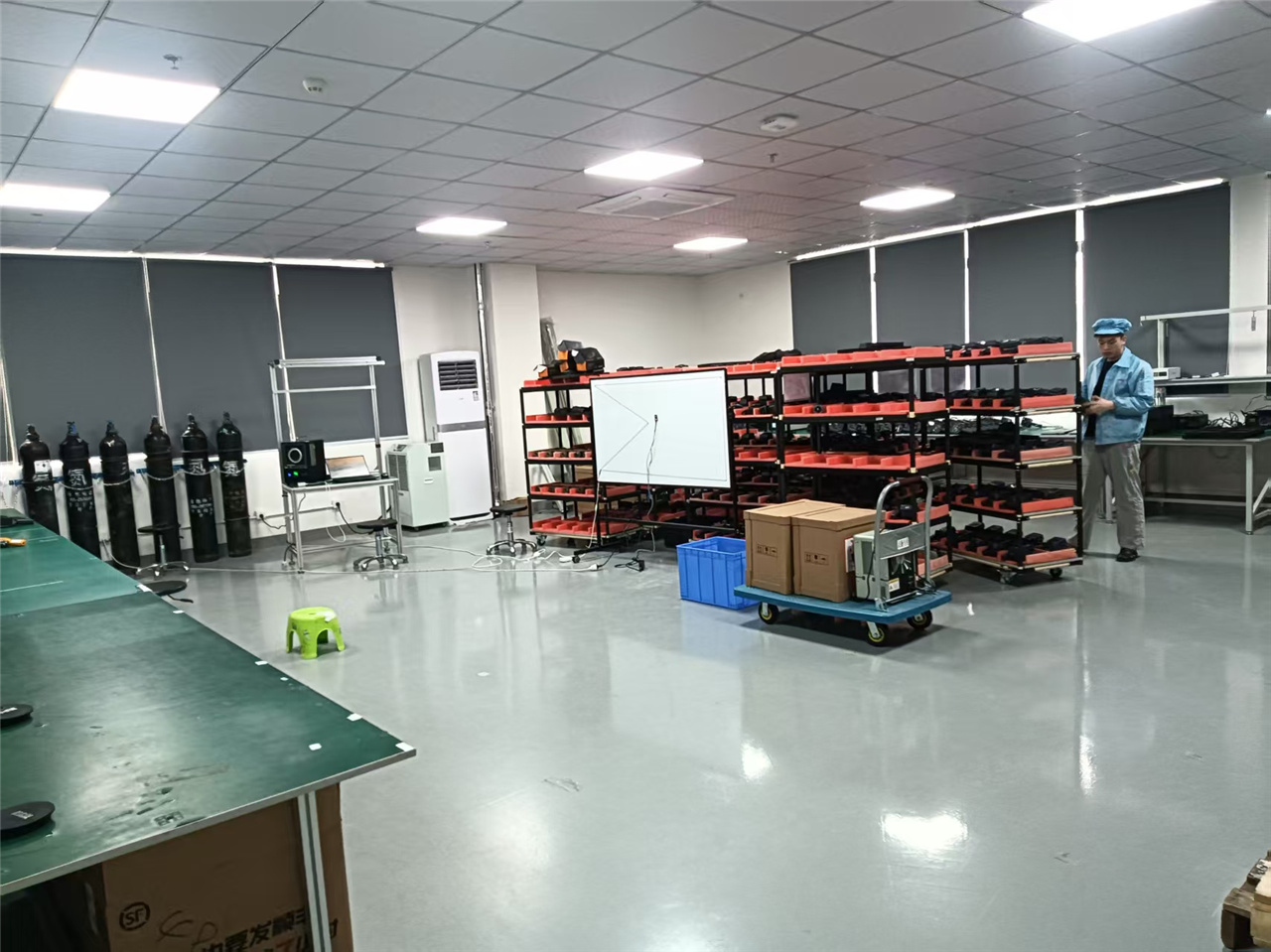


Why leading global brands partner with Chinese manufacturing hubs like Shenzhen Dianyang for custom thermal hardware and long-term lifecycle repair support.
Shenzhen's electronic hardware ecosystem allows direct sourcing of uncooled Vox microbolometers, custom Germanium lens assemblies, germanium single-crystal ingots, and high-frequency PCBA fabrication within a tight geographical radius, driving down production lead times by up to 40%.
Utilizing advanced Design for Manufacturing (DFM) and Design for Testability (DFT) practices during early design phases eliminates structural defects, reduces manufacturing yield loss, and simplifies future repairability in field environments.
Full turnkey support for target market regulations including CE, FCC, RoHS, REACH, UKCA, KC, and PSE ensures frictionless international customs clearance and compliance for tier-1 distributors and enterprise buyers.
Deploying and maintaining thermal cameras across demanding field operations requires targeted repair schedules and application-specific maintenance.
High voltage environments produce electromagnetic interference that can cause ROIC sensor noise. Periodic factory recalibration ensures accurate hot-spot identification up to 1200°C.
Requires high thermal sensitivity (NETD <30mK). Minor optics misalignments or moisture ingress ruin diagnostic fidelity; lens re-sealing and NUC recalibration are essential.
Thermal imaging equipment subjected to heavy drops, smoke particulate, and thermal shock requires rugged housing replacements, IP67 re-certification, and outer lens replacement.
Micro-spot measurement demands flawless optical focus and zero dead pixels. Macro lens repair and software correction profiles restore micro-scale thermal visualization.
Key technological innovations shaping the next generation of infrared cameras and post-sale maintenance service ecosystems.
Modern thermal cameras are integrating onboard Neural Processing Units (NPUs) capable of running real-time edge computer vision models. Rather than relying on simple threshold alarms, future units automatically diagnose motor bearing friction, insulation breakdown, and gas leaks directly on device. Repair operations are shifting from reactive mechanical fixes to automated OTA firmware updates and AI model re-tuning.
Combining high-resolution visual RGB sensors with micro-thermal cores (Dual-Spectrum Fusion) provides spatial clarity that raw infrared imaging lacks. Maintenance and servicing now involve dual-lens parallax alignment, visual sensor calibration, and unified processing pipeline verification.
The miniaturization of microbolometer pixels (down to 12μm and 8μm pitch sizes) allows ultra-compact thermal imagers to plug directly into smartphones or mount seamlessly onto autonomous drones. Compact designs mandate modular replacement units during repairs rather than board-level rework.
Expert technical insights regarding thermal camera repair services, manufacturing standards, and calibration timelines.
Browse additional OEM/ODM models, portable smartphone imagers, and professional handheld thermal systems.
 Dianyang