7 Best Thermal Imaging Engines for Global Buyers

Time:2026-10-30 Author:Isabella
0%

A Thermal Imaging Engine is more than a sensor core. It combines an infrared detector, optics, processing, and interfaces to turn heat patterns into usable images. For global buyers, those parts must work together in the intended environment. A compact engine for a handheld inspection tool may not suit a vehicle platform or continuous industrial monitoring. Small details matter.

Dr. Michael Vollmer, a researcher and co-author of Infrared Thermal Imaging, has published extensively on the principles behind infrared measurement. A practical paraphrase of that work—not a verbatim quotation—is: “Reliable thermal images depend on understanding both the measurement and its limits.” That distinction matters when comparing specifications. A higher pixel count alone does not guarantee clearer decisions. Lens choice, sensitivity, frame rate, calibration, and image-processing tools all shape what users can detect in a real scene.

This guide examines seven Thermal Imaging Engine options through buyer-focused criteria: image performance, integration needs, operating conditions, documentation, and supplier support. A workshop bench, a vibrating vehicle, and a humid outdoor site place different demands on an engine. No single model wins. Buyers should also verify claims against current product documentation and test samples under realistic conditions. Published figures help narrow a shortlist, but hands-on evaluation can reveal trade-offs that a datasheet cannot. Some comparisons remain imperfect; product configurations and regional availability can change. The aim is a careful starting point, not a universal verdict.
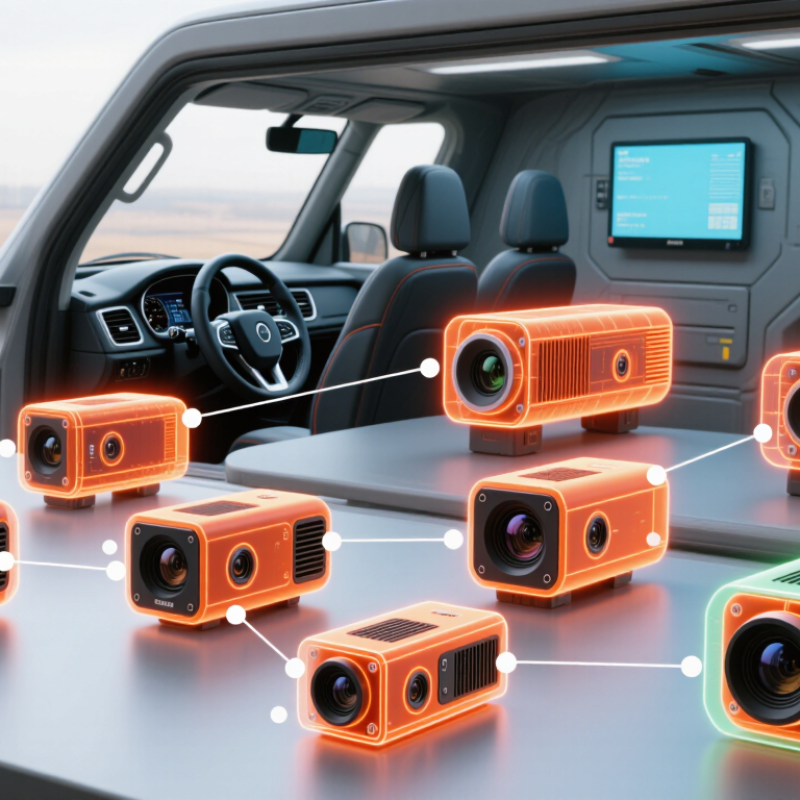
7 Best Thermal Imaging Engines for Global Buyers

Understanding Thermal Imaging Engines and Their Core Components

A thermal imaging engine is the working core inside a camera or sensing system. It typically combines an infrared detector, optical lens, readout electronics, image-processing software, and a mechanical housing. The detector converts incoming infrared energy into electrical signals. Uncooled microbolometers are common in compact systems, while cooled detectors can support demanding long-range or high-speed applications. Small details matter.

The lens focuses infrared radiation onto the detector. Materials such as germanium or specialized chalcogenide glass are used because ordinary visible-light glass blocks much of this energy. Readout circuitry turns detector signals into pixel values, while processing corrects non-uniformity and maps temperature differences into an image. A calibration shutter may help compensate for drift, though it can briefly interrupt the view. Focus can drift. Check it.

Core specifications need context. Resolution describes pixel count, while thermal sensitivity, often expressed as NETD in millikelvins, indicates the smallest temperature difference a system can distinguish under stated conditions. Neither specification alone guarantees useful results; lens quality, calibration, and operating conditions also matter. Grand View Research estimated the global thermal imaging market at about USD 4.5 billion in 2023, with projected growth through 2030. That figure signals broad adoption, but it does not identify the right engine for every task. Buyers should compare spectral range, frame rate, interface, power needs, and calibration method against the actual scene and measurement distance.

How Thermal Imaging Engines Turn Heat into Image Data

A thermal imaging engine turns invisible infrared radiation into image data. Its lens gathers heat emitted or reflected by objects and focuses it onto a detector. Each detector element responds to the incoming energy, creating a pattern of electrical signals. Those signals are not yet a picture. They are measurements that need processing.

Readout circuits convert detector responses into digital values. Calibration helps correct variations between pixels, while processing can reduce noise and map signal levels to shades or colors. A bright spot on the display usually represents a stronger infrared signal, not automatically a precise temperature. Emissivity, reflected heat, distance, and viewing angle can all affect temperature estimates. A metal door may appear cooler than expected because it reflects its surroundings.

That sounds simple. It isn’t always. In a workshop inspection, a small warm connector can stand out against a cooler panel, but its displayed temperature still needs context. Engine specifications such as resolution, sensitivity, and frame rate shape the detail and smoothness of the image. So does the lens. Thermal images are useful evidence, not a complete diagnosis; operators should compare readings with the scene and measurement setup. One overlooked reflection can change the interpretation.

Key Criteria for Comparing Engines for Global Markets

A thermal imaging engine should be judged by the task it must perform, not by resolution alone. Compare detector format, spectral band, frame rate, and thermal sensitivity under realistic conditions. A 640 × 512 image may reveal useful detail, but only when the lens, viewing distance, and target size fit the application. Sensitivity figures also need context: testing methods can differ, so ask for the measurement conditions. Small print matters.

For global markets, check operating temperature, power draw, interface options, and calibration requirements. A unit used outdoors in humid coastal air may face different demands from one installed in a climate-controlled inspection station. Confirm that documentation, software tools, and technical support are available in the regions where the system will be integrated. Also review supply continuity and replacement-part lead times; a capable engine is less useful if a project cannot keep it running.

Test it. A side-by-side evaluation with the same lens and target can expose image noise, startup delays, or awkward integration steps. I would not treat a single laboratory figure as the whole story. The practical fit is sometimes less tidy than a specification sheet suggests.

Seven Thermal Imaging Engines Compared by Key Capabilities

Seven thermal imaging engines differ less by headline resolution than by the work they must do. A practical comparison covers uncooled microbolometers, cooled detectors, high-resolution cores, low-power modules, wide-temperature designs, radiometric engines, and compact units. Each trades sensitivity, speed, power draw, size, or measurement features. On a building survey, a radiometric engine can record temperatures across a damp-looking wall; in a moving inspection, frame rate may matter more than pixel count.

The United Nations Environment Programme’s 2024 Global Status Report for Buildings and Construction estimates that buildings use 32% of global energy and produce 34% of global CO₂ emissions. That context makes repeatable thermal checks valuable, but it does not make every engine suitable for every inspection. Compare NETD, detector resolution, frame rate, operating range, calibration support, and power consumption under the same test conditions. Small detail. A quoted sensitivity figure alone can hide differences in lens, scene temperature, and test setup.

For embedded equipment, compact cores may ease integration, yet thermal drift and limited processing can complicate field readings. Cooled engines can detect finer temperature differences, but they generally demand more power and system complexity. High-resolution models reveal smaller features; wider fields of view cover more area per pass. A neat ranking can mislead. In practice, a clear image at the required distance—and stable readings after warm-up—often matters more than a specification-sheet winner.

Applications, Integration, and Sourcing Considerations for Buyers

Thermal imaging engines serve different jobs, from finding overheated electrical connections to guiding mobile inspection systems. The right module depends on the scene, not just its advertised resolution. Check detector resolution, thermal sensitivity, frame rate, lens options, and operating temperature. A slow frame rate may be acceptable for a fixed pipe inspection, but it can blur a moving target. Small details matter.

Integration can take more time than expected. Confirm the engine’s interface, power needs, dimensions, and software support before designing the enclosure. Leave room for heat dissipation and secure mounting; a compact module can still warm nearby components. Ask how calibration is handled and whether image data can be accessed in the format your system requires. Then test with real scenes, including hot surfaces, reflective metal, and changing ambient temperatures. A neat specification sheet can still disappoint.

For sourcing, request sample units and evaluate them against measurable acceptance criteria. Compare image consistency, startup behavior, documentation quality, and replacement availability. Ask about production changes and technical support over the product’s expected service life. Also verify that the supplier can explain limitations, such as reduced contrast through certain materials or unstable readings on reflective surfaces. Buyers sometimes overlook these constraints until field testing. That is an avoidable mistake, though not always an obvious one.

Thermal Imaging Engine Spectral Bands

Typical wavelength ranges help buyers compare sensor technologies and match an engine to its intended application.

MWIR (3–5 µm) and LWIR (8–14 µm) are commonly used for thermal imaging. SWIR (approximately 0.9–1.7 µm for common InGaAs sensors) is generally used to image reflected light rather than the thermal emission of objects at everyday temperatures. Actual response ranges depend on the detector and optics.

FAQS

What is a thermal imaging engine?

It is the core of a camera or sensing system. It usually contains an infrared detector, lens, electronics, image-processing software, and housing.

How does the detector create an image?

The detector converts incoming infrared energy into electrical signals. Readout electronics turn those signals into pixel values. Processing then maps temperature differences into an image.

Why does a thermal camera need a special lens?

Ordinary visible-light glass blocks much infrared energy. Lenses often use materials such as germanium or specialized chalcogenide glass. Small details matter.

What is the difference between uncooled and cooled detectors?

Uncooled microbolometers are common in compact systems. Cooled detectors can support demanding long-range or high-speed tasks. The right choice depends on the scene.

Do resolution and thermal sensitivity alone show image quality?

No. Resolution describes pixel count, while NETD indicates detectable temperature differences under stated conditions. Lens quality, calibration, and operating conditions matter too.

What specifications should buyers compare?

Compare detector format, spectral band, frame rate, sensitivity, interface, power needs, and calibration method. Match them to target size and viewing distance.

Why should engines be tested in realistic conditions?

Humid coastal air can challenge a system differently than an indoor inspection station. Test startup time, image noise, and integration with the same lens and target. Test it.

What practical details are easy to overlook?

Check operating temperatures, regional documentation, software tools, support, and replacement-part lead times. A single laboratory figure may not tell the whole story. Focus can drift.

Conclusion

A Thermal Imaging Engine converts infrared radiation into image data by capturing heat patterns, processing sensor signals, and presenting temperature differences as a usable visual output. Its core components typically include an infrared detector, optics, signal-processing electronics, and software or interfaces for displaying and sharing data. Understanding how these parts work together helps buyers assess image clarity, sensitivity, size, power needs, and integration options.

This guide compares seven engine types through practical criteria for international purchasing, including performance, compatibility, reliability, and support requirements. It also considers how different engine capabilities suit applications such as inspection, equipment monitoring, and safety observation. Before sourcing, buyers should define their operating environment, required interfaces, installation constraints, and service expectations to identify a solution that fits their system and intended use.


Isabella

Isabella

Isabella is a dedicated marketing professional with a sharp focus on driving brand growth and engagement through strategic content creation. With an extensive background in digital marketing, she combines her passion for storytelling with her keen understanding of industry trends to deliver......